
Top innovations in video production for filmmakers

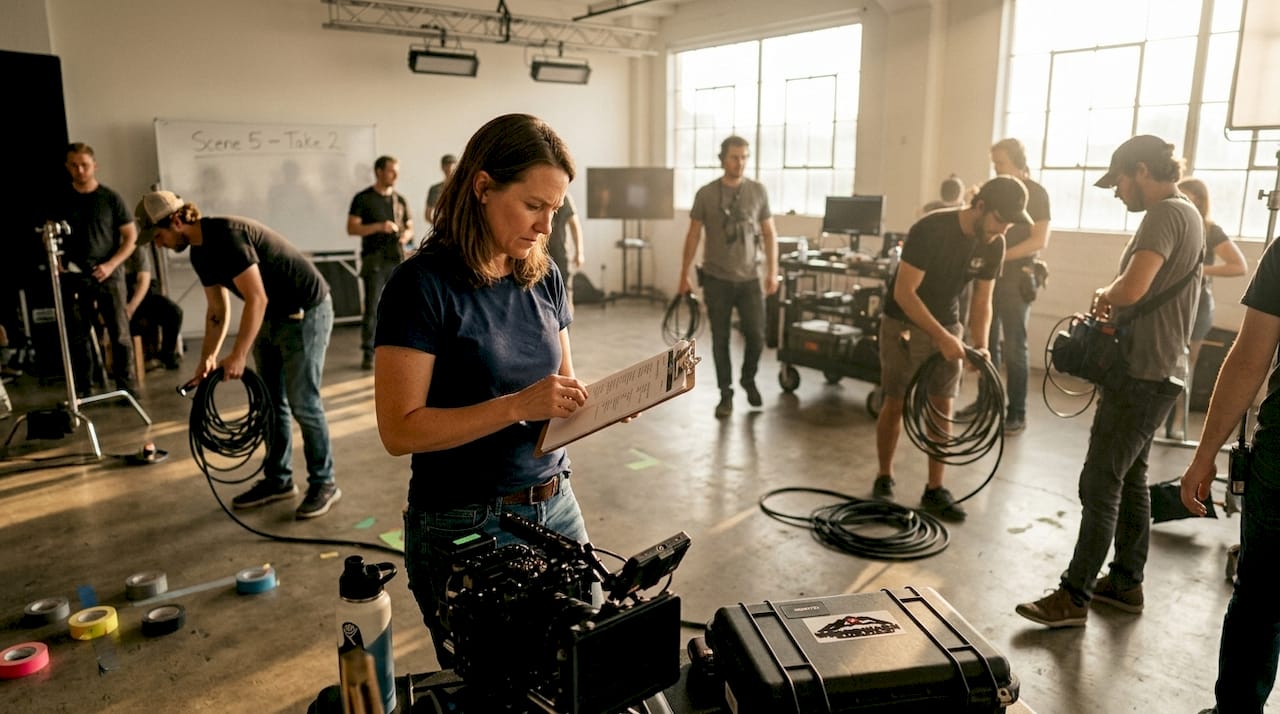
International filmmakers today face a dual challenge: adopting cutting-edge video production innovations while managing the logistical complexity of shoots in demanding locations like Switzerland. With AI adoption reaching 72% of organizations and cost reductions of 80 to 95% compared to traditional methods, the landscape has shifted dramatically. Yet technology alone won’t guarantee success. You need reliable local support, streamlined permits, and expert crews who understand both the creative vision and the practical realities of alpine filming. This guide walks you through the criteria for selecting innovations, the leading AI tools reshaping production, and how Swiss logistical systems can turn ambitious projects into seamless reality.
Table of Contents
Key Takeaways
Point | Details |
AI driven cost cuts | AI and hybrid workflows can shorten production timelines from weeks to days and reduce costs by 80 to 95 percent compared with traditional methods. |
Swiss production framework | Switzerland’s multilingual crews, predictable permit timelines, and incentives help align innovative workflows with local logistics. |
Hybrid creative balance | The best results come from blending AI automation with live talent and expert crews to preserve artistic control. |
Platform landscape | Four leading AI video generation platforms Veo 3.1 Sora 2 Kling 3.0 and Seedance 2.0 offer distinct strengths for different shot types. |
Criteria for selecting innovations in video production
Choosing the right innovation starts with understanding what actually moves the needle for your project. Technical quality matters, but so do cost efficiency, creative flexibility, and logistical compatibility, especially when you’re coordinating international shoots in Switzerland. You need a framework that evaluates both the technology and the support systems around it.
First, assess technical capability. Resolution, temporal coherence, and multi-modality define whether an AI tool or workflow can deliver professional-grade output. AI adoption reached 72% of organizations by 2026, with 80 to 95% cost reduction compared to traditional methods, but not all models handle motion physics or human likeness equally well. Look for native 4K output, synchronized audio, and the ability to process text, image, and audio inputs seamlessly.
Second, evaluate cost reduction potential and production speed. AI and hybrid workflows can compress timelines from weeks to days, freeing budget for higher-value creative decisions. However, you must weigh this against the complexity of your narrative. Simple commercial spots benefit more from full automation than character-driven stories requiring nuanced performances.
Third, consider integration with local logistics and permit processing. Switzerland’s multilingual environment, predictable permit timelines, and financial incentives create a unique ecosystem. Innovations that align with video production services in Switzerland streamline coordination and reduce friction.
Fourth, value creative flexibility. The best innovations balance AI efficiency with human acting and direction. Hybrid workflows let you prototype rapidly with AI, then refine with live talent and expert crews. This approach preserves artistic control while capturing the speed gains of automation.
Finally, account for location-specific factors. Drone regulations, cantonal permit variations, and incentive eligibility shape how you deploy new technologies. Understanding these constraints upfront prevents costly delays and legal issues during production.
Technical quality: resolution, temporal coherence, multi-modality
Cost reduction: 80-95% savings via AI and hybrid workflows
Logistical compatibility: integration with Swiss permit systems and multilingual crews
Creative flexibility: balancing AI automation with human performances
Location factors: drone regulations, cantonal rules, PICS incentive eligibility
Leading AI innovations changing video production
Four AI video generation platforms dominate the 2026 landscape: Veo 3.1, Sora 2, Kling 3.0, and Seedance 2.0. Each brings distinct strengths, and understanding their capabilities helps you choose the right tool for specific shots or sequences.
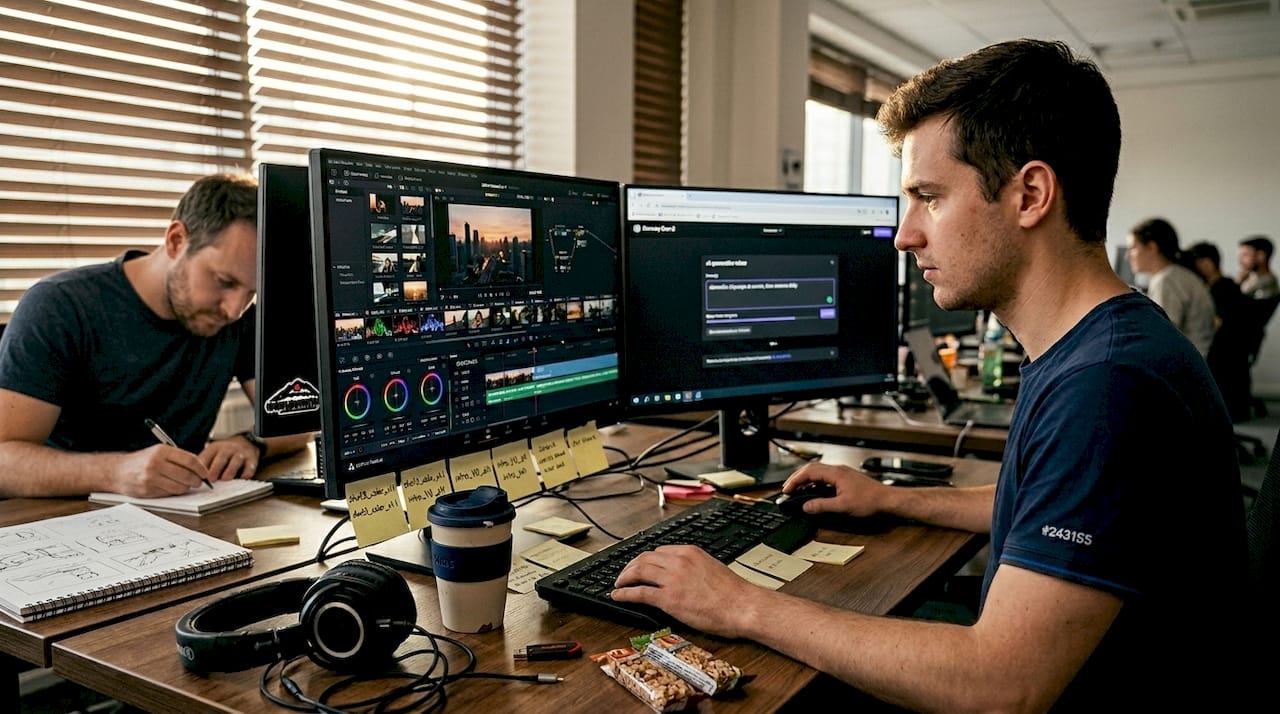
Veo 3.1 excels in physics-based motion and temporal coherence, using a U-Net architecture that maintains consistent object behavior across frames. Veo 3.1 leads physics and motion quality with a 79% edge over Wan 2.6, making it ideal for dynamic action sequences or complex camera movements. Its ability to handle realistic lighting and shadow interactions sets it apart for outdoor alpine shoots where natural conditions change rapidly.
Kling 3.0 focuses on high fidelity and smooth motion, scoring an 8.3 average across fidelity and motion benchmarks. It handles intricate sequences with multiple moving elements, making it suitable for crowd scenes or busy urban environments. The model’s strength lies in maintaining visual consistency when subjects overlap or occlude each other, a common challenge in traditional CGI workflows.
Sora 2 and Seedance 2.0 offer flexible multi-modal inputs, accepting text, image, and audio prompts to generate synchronized video clips. AI video generation now supports native 4K clips of 20 seconds or more with synchronized audio and multimodal inputs. This versatility makes them powerful for rapid prototyping, where you can test multiple creative directions before committing to full production.
No single AI model dominates every use case. Multi-model workflows optimize output quality and speed by assigning tasks to the platform best suited for each shot. You might use Veo 3.1 for action-heavy sequences, Kling 3.0 for detailed crowd work, and Sora 2 for quick concept iterations. This approach maximizes the strengths of each tool while minimizing their individual weaknesses.
Native 4K output and synchronized audio enable professional-grade clips that integrate seamlessly into traditional editing pipelines. You can mix AI-generated B-roll with live-action footage, creating hybrid sequences that balance efficiency with creative control. For more insights on integrating these tools into your workflow, explore your Swiss video production resource.
Pro Tip: Test multiple AI models on a single reference shot before committing to a platform. The differences in motion physics and temporal coherence become obvious when you compare outputs side by side, helping you choose the best tool for your specific visual style.
AI Model | Key Strength | Best Use Case |
Veo 3.1 | Physics-based motion, 79% quality edge | Dynamic action, outdoor alpine sequences |
Kling 3.0 | High fidelity, 8.3 average score | Complex sequences, crowd scenes |
Sora 2 | Multi-modal inputs, rapid prototyping | Concept testing, quick iterations |
Seedance 2.0 | Synchronized audio-video output | Commercial spots, narrative previsualization |
Swiss logistical innovations supporting international video shoots
Switzerland’s precision extends beyond watchmaking into video production logistics. The country’s multilingual crews, streamlined permit systems, and financial incentives create an environment where international filmmakers can focus on creative execution rather than administrative headaches.
Swiss crews speak German, French, Italian, and English fluently, eliminating communication barriers that plague productions in less multilingual regions. This linguistic flexibility matters when coordinating with local authorities, scouting locations across cantons, or managing equipment rentals. You can brief your team in English, then have them handle French-speaking permit offices or German-speaking location owners without translation delays.
Official bodies like Zurich Film Commission simplify permit processes with predictable timing. Zurich Film Commission streamlines permits in about 10 days with PICS incentive refunds covering 20 to 40% of qualified costs. This predictability lets you lock shooting dates with confidence, avoiding the uncertainty that plagues productions in jurisdictions with opaque approval processes.
The PICS program offers financial incentives that refund 20 to 40% of local spend, up to CHF600k per project. Qualifying expenses include crew wages, equipment rentals, location fees, and accommodation costs. For international productions, this effectively reduces the premium associated with Swiss precision and quality, making the country competitive with lower-cost European alternatives.
Full-service fixer agencies handle visas, scouting, equipment rental, and scheduling for foreign crews. These agencies leverage deep local networks to solve problems before they escalate. Need a specific lens package on short notice? They know which rental house has it. Facing a last-minute location issue? They have backup options scouted and permitted. This level of support transforms complex shoots into manageable projects. Learn more about full-service video production support and how it simplifies international coordination.
Drone filming is popular in alpine regions, capturing sweeping vistas and dramatic elevation changes that define Swiss landscapes. However, compliance with FOCA (Federal Office of Civil Aviation) and cantonal regulations is non-negotiable. Visual line of sight (VLOS) requirements, no-fly zones near airports or military installations, and cantonal permit variations demand careful planning. Working with local experts who understand these rules prevents costly legal issues and ensures your aerial footage is usable.
Pro Tip: Apply for PICS incentives early in pre-production. The program has annual budget caps, and applications are processed on a rolling basis. Submitting before your shoot date locks in funding and prevents budget surprises.
Multilingual crews handle German, French, Italian, and English coordination
Zurich Film Commission processes permits in approximately 10 days
PICS refunds 20-40% of qualified local expenses up to CHF600k
Full-service fixers manage visas, scouting, equipment, and scheduling
Drone filming requires FOCA compliance and cantonal permit awareness
For detailed guidance on aerial regulations, review drone laws in Switzerland to ensure your alpine shots stay legal and safe.
Comparing innovations: hybrid workflows and creative considerations
AI video production reduces cost by 80 to 95%, but it’s not a universal replacement for traditional methods. The choice between AI-driven, conventional, and hybrid workflows depends on your project’s narrative complexity, budget constraints, and creative ambitions.
Traditional premium production remains essential for high-budget projects requiring fine artistic control. Human actors deliver nuanced performances that current AI models struggle to replicate. Directors need real-time feedback and improvisation that pre-generated clips can’t provide. For character-driven stories or emotionally complex narratives, the human element is irreplaceable.
Hybrid workflows blend AI pre-visualization and rapid prototyping with human acting and local expertise. You can generate multiple concept versions with AI, test them with stakeholders, then shoot the final version with live talent. This approach captures the speed and cost benefits of AI while preserving the creative depth of traditional production. Despite AI’s efficiency gains, challenges persist in temporal coherence and human actor likeness, favoring hybrid workflows that balance automation with artistry.
Drone FPV filming enhances visuals but requires observer VLOS for safety and legal compliance. First-person-view drones capture immersive footage that traditional camera rigs can’t match, especially in alpine terrain. However, Swiss regulations mandate a visual observer maintaining line of sight throughout the flight. This requirement adds crew costs but ensures safety and legal protection. Ignoring VLOS rules risks fines, equipment confiscation, and project delays.
Swiss ‘kulissenhaft’ effect favors stylized, psychologically rich stories leveraging digital sets. This aesthetic blends virtual environments with live performances, creating visually striking narratives that feel both real and surreal. The approach suits projects exploring internal psychological states or abstract concepts, where literal realism would constrain creative expression. Digital sets reduce location costs while expanding visual possibilities, a perfect match for Switzerland’s high production standards and innovative spirit.
AI video production also faces attention span challenges. Digital media trends show that audiences increasingly favor short-form content, but AI-generated clips can feel repetitive or lack narrative momentum. Hybrid workflows address this by using AI for establishing shots and transitions, then cutting to live-action for emotional beats and character moments. This rhythm maintains viewer engagement while maximizing production efficiency.
“The future of video production isn’t about choosing between AI and humans. It’s about orchestrating both to create stories that are technically efficient and emotionally resonant. Swiss production infrastructure makes this balance achievable, even for international teams working under tight timelines.”
For practical guidance on implementing hybrid workflows in Switzerland, explore the Switzerland video production guide to understand how local expertise supports innovative production methods.
Workflow Type | Cost Efficiency | Creative Control | Best For |
AI-driven | 80-95% reduction | Limited | Commercial spots, B-roll, rapid prototyping |
Traditional | Standard rates | Full | Character-driven narratives, high-budget features |
Hybrid | 40-60% reduction | High | Projects balancing speed, cost, and artistic depth |
Drone FPV | Moderate | Specialized | Alpine landscapes, immersive action sequences |
AI reduces costs dramatically but struggles with narrative complexity
Traditional production preserves artistic control for emotionally rich stories
Hybrid workflows optimize efficiency while maintaining creative depth
Drone FPV requires VLOS observers for legal compliance and safety
Digital sets enable ‘kulissenhaft’ aesthetics suited to psychological narratives
Streamline your Swiss video production with expert support
Navigating Switzerland’s logistical landscape while adopting cutting-edge video innovations demands local expertise and proven systems. You’ve learned the criteria for selecting technologies, the leading AI platforms, and how Swiss infrastructure supports international shoots. Now it’s time to put that knowledge into action with partners who understand both the creative vision and the practical realities of alpine production.
[
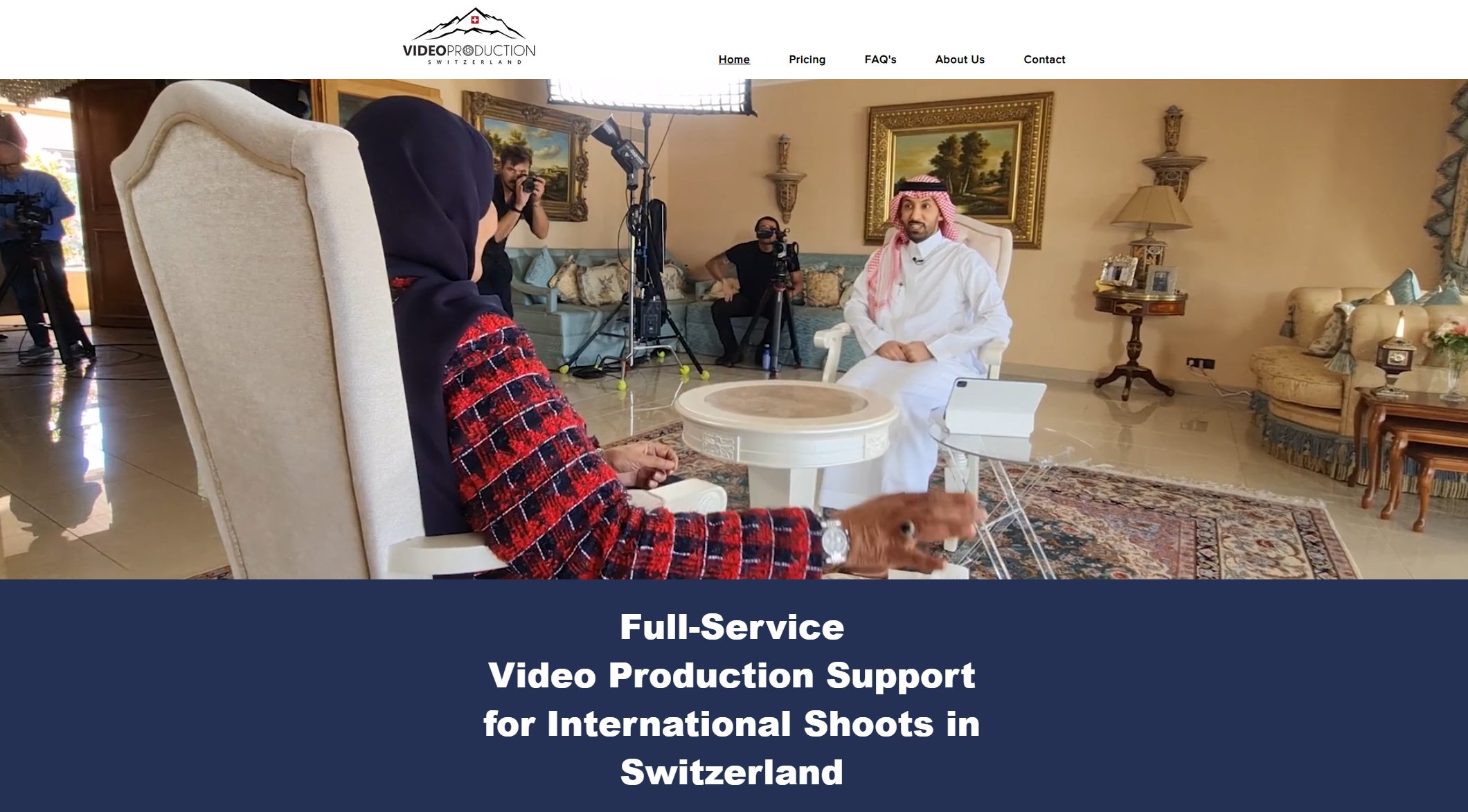
Full-service support offers multilingual crews who coordinate seamlessly across German, French, Italian, and English-speaking regions. They handle permit applications, location scouting, equipment sourcing, and scheduling, freeing you to focus on creative decisions rather than administrative details. Expert fixers solve problems before they escalate, leveraging deep local networks to keep your project on track and on budget.
Financial incentives and cost transparency help manage budgets effectively. The PICS program refunds 20 to 40% of qualified local expenses, and experienced production partners guide you through the application process to maximize your return. Transparent pricing eliminates surprises, letting you allocate resources confidently across crew, equipment, and post-production.
Plan your shoot with confidence using full-service video production support that combines over 20 years of Swiss market experience with a client-centric approach. From initial consultation through final delivery, you’ll have a trusted partner managing logistics while you capture the innovation-driven footage that sets your project apart. Explore video production costs to understand how Swiss precision and efficiency translate into real-world budgets for international filmmakers.
Frequently asked questions
What is AI video generation and how does it improve production?
AI video generation automatically creates video clips using machine learning models, often reducing time and costs by 80 to 95% compared to traditional filming. It enables rapid prototyping, accepts multi-modal inputs like text, image, and audio, and produces synchronized audio-video output at professional resolutions. This technology accelerates concept testing and B-roll creation, freeing budgets for higher-value creative decisions.
How do Swiss permits and incentives facilitate international shoots?
Zurich Film Commission processes commercial permits in approximately 10 days, providing predictable timelines that let filmmakers lock shooting dates with confidence. PICS incentives refund 20 to 40% of qualifying local expenses up to CHF600k per project, offsetting the premium associated with Swiss production quality. These systems reduce administrative friction and make Switzerland cost-competitive with other European locations.
What are best practices for using drones in Swiss video production?
Always maintain visual line of sight (VLOS) during drone flights, using a dedicated observer to ensure safety and legal compliance. Coordinate with FOCA and respect cantonal regulations, as no-fly zones and permit requirements vary by region. Applying for permits early and working with local experts who understand Swiss airspace rules prevents costly delays and ensures your aerial footage is legally usable. For comprehensive guidance, review drone laws in Switzerland.
Should I use AI-driven or hybrid workflows for my project?
Hybrid workflows balance AI efficiency with human creative control, making them ideal for projects that need both speed and artistic depth. Use AI for rapid prototyping, B-roll, and establishing shots, then shoot live-action for emotional beats and character moments. This approach captures 40 to 60% cost reductions while preserving the narrative complexity that pure AI workflows struggle to deliver.
How do multilingual crews improve international video shoots in Switzerland?
Multilingual crews eliminate communication barriers by handling German, French, Italian, and English coordination seamlessly. They brief local authorities, negotiate with location owners, and manage equipment rentals without translation delays. This linguistic flexibility accelerates problem-solving and ensures that logistical details don’t derail creative execution, especially when coordinating across multiple Swiss cantons with different official languages.
Recommended
