
What Is a Post Production Supervisor? 15% Budget Impact


Post production supervisors often manage up to 15% of a project’s budget, making them critical financial gatekeepers in filmmaking. Despite this significant responsibility, many filmmakers misunderstand whether supervisors are creative editors or project managers. This guide clarifies their core responsibilities, workflow management strategies, essential skills, and how local Swiss expertise ensures your international production stays on schedule and within budget.
Table of Contents
Key Takeaways
Point | Details |
Core Responsibility | Manages all post production phases from editing through final delivery |
Budget Control | Enforces schedules and budgets, preventing costly overruns and delays |
Team Coordination | Facilitates collaboration between creative and technical teams across departments |
Required Skills | Combines technical software proficiency with strong managerial and communication abilities |
Swiss Advantage | Local expertise navigates regulations, vendors, and multilingual coordination for international projects |
Definition and Responsibilities of a Post Production Supervisor
A post production supervisor oversees the entire post production workflow from the moment principal photography wraps until final deliverables reach distributors. They supervise editing, sound design, visual effects, and delivery stages while ensuring every decision aligns with the director’s creative vision and technical requirements. Unlike editors who shape the story, supervisors manage the business and logistical framework that allows creative work to happen on time and within budget.
Their primary responsibilities include:
Coordinating schedules across editing, VFX, sound, and color grading departments
Monitoring budget allocations and tracking expenditures throughout post production
Ensuring technical standards meet distributor specifications for theatrical or streaming release
Acting as the communication bridge between directors, producers, and post production teams
Problem solving when technical issues or creative conflicts threaten timelines
This role differs significantly from a post production coordinator, who handles administrative tasks like scheduling sessions and organizing files. Understanding these post production supervisor duties helps you structure your team correctly and avoid communication gaps that cause delays.
Workflow and Process Management in Post Production
Post production involves complex sequential workflows where each phase depends on previous milestones. The supervisor manages these milestone dependencies, knowing that delays in picture lock ripple through VFX completion, sound mixing, and color grading. They create detailed schedules mapping how editorial decisions impact downstream departments, preventing bottlenecks before they occur.
Effective post production workflows in Switzerland require supervisors to:
Establish clear milestone deadlines for picture lock, VFX delivery, and audio mixing
Coordinate interdependent phases so editors, VFX artists, and sound designers work efficiently
Implement project management tools tracking daily progress across all departments
Identify potential delays early through regular status meetings and technical reviews
Adjust schedules proactively when creative revisions or technical issues arise
Pro Tip: Build buffer time between major milestones. A two day cushion before picture lock gives editors breathing room for last minute director notes without derailing VFX schedules that depend on locked footage.
Supervisors prevent the cascading failures that occur when one department misses deadlines. If VFX shots arrive late, sound designers cannot complete final mixing, color grading gets rushed, and quality suffers. Strong workflow management protects both creative excellence and your delivery date.

Budget and Scheduling Management
The supervisor’s salary typically represents 10 to 15% of the post production budget, reflecting their crucial financial oversight role. They monitor spending across editing facilities, sound stages, VFX houses, and final deliverables, providing producers with regular financial reports and risk assessments. This budget control prevents the common scenario where post production costs balloon unexpectedly in final weeks.
Budget Category | Typical Allocation | Supervisor Responsibility |
Editorial | 20-25% | Monitor editing suite rates and editor overtime |
Sound Design | 15-20% | Track ADR sessions, mixing time, and studio costs |
Visual Effects | 30-40% | Manage VFX vendor bids and shot complexity changes |
Color Grading | 10-15% | Schedule grading time and approve suite bookings |
Deliverables | 5-10% | Oversee mastering, encoding, and distribution prep |
Schedule enforcement protects these budget allocations. Every day of delay costs money through extended facility rentals, additional labor hours, and rushed work requiring expensive fixes. Supervisors create realistic timelines accounting for creative iteration while building accountability through milestone tracking. They flag budget risks immediately when directors request additional VFX shots or extensive re editing that would exceed allocated resources.
Pro Tip: Request weekly budget reports showing actual spending versus projections. Early warning of overages in one category lets you reallocate resources before financial problems become crises requiring difficult creative compromises.
Applying smart cost management strategies during post production protects your investment without sacrificing quality. Experienced supervisors know where to optimize spending and when additional budget is truly necessary versus simply requested.
Collaborative Relationships and Team Management
Post production supervisors lead small dedicated teams while coordinating much larger networks of specialists. They collaborate closely with coordinators, editors, sound teams, VFX artists, and accountants to maintain efficient workflow and budget control. This leadership role requires balancing creative ambitions with practical constraints, often mediating between directors pushing for perfection and producers demanding timely delivery.
Key collaborative relationships include:
Post Production Coordinators: Delegate administrative tasks like scheduling sessions and organizing files
Picture Editors: Align on cutting schedules and handle director feedback efficiently
VFX Supervisors: Coordinate shot delivery timelines and technical specifications
Sound Designers: Schedule ADR sessions, foley recording, and final mixing stages
Producers: Provide regular updates on progress, budget status, and potential issues
Maintaining seamless communication under tight deadlines requires proactive problem solving. When technical issues arise, like incompatible file formats between editorial and VFX, supervisors troubleshoot solutions quickly. When creative conflicts emerge, such as disagreements over final color grades, they facilitate productive discussions leading to consensus.
The supervisor’s relationship with post production coordinators proves especially critical. Coordinators handle daily logistics while supervisors focus on strategic decisions and stakeholder management. This division of labor prevents supervisors from drowning in administrative details that distract from budget oversight and workflow optimization. Strong communication skills transform potentially chaotic post production into coordinated team efforts.
Key Skills and Qualifications for Post Production Supervisors
Successful supervisors combine technical proficiency with exceptional organizational and interpersonal abilities. They must understand editing software like Adobe Premiere Pro, Avid Media Composer, and Final Cut Pro while managing complex projects involving dozens of people across multiple facilities. This dual expertise in technology and leadership separates competent supervisors from overwhelmed ones.
Essential skills include:
Technical Knowledge: Understanding editorial workflows, VFX pipelines, audio post processes, and color grading techniques
Project Management: Coordinating schedules, tracking milestones, and adapting plans when circumstances change
Budget Analysis: Reading financial reports, forecasting costs, and identifying spending optimization opportunities
Communication: Translating technical concepts for producers and conveying business constraints to creative teams
Problem Solving: Quickly resolving technical failures, scheduling conflicts, and interpersonal tensions
Attention to Detail: Catching quality issues, technical specification errors, and delivery requirement gaps
You need someone who remains calm under pressure. Post production always involves unexpected challenges, from corrupted footage requiring restoration to last minute creative changes demanding rapid turnarounds. Supervisors who panic or blame others create toxic environments that reduce team performance.
Developing proficiency with post production software and techniques takes years of hands on experience. The best supervisors often started as editors or coordinators, gradually building comprehensive understanding of every post production department. This background helps them anticipate problems and communicate effectively with specialists across disciplines.
Post Production Supervision in Switzerland Context
International filmmakers working in Switzerland face unique challenges that local expertise directly addresses. Local vendor networks, regulatory knowledge, and language skills help supervisors prevent delays and miscommunications that plague foreign productions. Switzerland’s multilingual environment requires coordinators comfortable switching between German, French, Italian, and English depending on facility location and crew composition.
Swiss market advantages include:
Regulatory Compliance: Understanding local labor laws, tax incentives, and production regulations that affect scheduling and budgets
Vendor Relationships: Established connections with trusted post production facilities, VFX houses, and sound stages across Swiss cities
Multicultural Communication: Navigating Switzerland’s linguistic diversity to coordinate German speaking editors in Zurich with French speaking colorists in Geneva
Quality Standards: Knowledge of Swiss technical precision expectations and delivery specifications matching international broadcast requirements
A supervisor with 20+ years of Swiss post production experience brings invaluable market intelligence. They know which facilities offer the best value, which vendors deliver reliably under pressure, and how to structure workflows accounting for Switzerland’s higher labor costs. This local knowledge prevents the budget overruns and timeline slippages that occur when international crews underestimate Swiss market realities.
For example, Swiss post facilities often close for extended holiday periods that international producers overlook when scheduling. An experienced local supervisor builds these closures into timelines from the start, avoiding panicked scrambles when key facilities suddenly become unavailable during critical finishing stages.
Common Misconceptions About Post Production Supervision
Many filmmakers mistakenly view supervisors as senior editors who also handle scheduling. In reality, the role is primarily managerial rather than creative. Supervisors coordinate the framework enabling editors to craft compelling stories, but they rarely perform hands on editing themselves. Understanding this distinction helps you hire the right person and set appropriate expectations.
Common misunderstandings include:
Myth: Supervisors make all creative editing decisions
Reality: Directors and editors control creative choices while supervisors manage schedules and budgets supporting those decisions
Myth: The role is purely administrative with no technical requirements
Reality: Supervisors need deep technical knowledge to troubleshoot problems and coordinate complex workflows effectively
Myth: Any experienced editor can immediately transition to supervision
Reality: Supervision requires distinct project management, communication, and financial skills beyond editorial expertise
Myth: Supervisors are optional luxuries for smaller productions
Reality: Even modest projects benefit from dedicated workflow coordination and budget oversight preventing costly mistakes
The most damaging misconception is that supervision is unnecessary until problems occur. By then, addressing issues costs far more than proactive management would have. Budget overruns become harder to correct after spending is already committed. Schedule delays compound when dependencies are already broken. Understanding creative media production roles clearly from the start prevents these expensive misunderstandings.
Supervisors balance technical knowledge with soft skills like negotiation and conflict resolution. They must tell directors when requested changes exceed budget constraints, push back on unrealistic producer timelines, and mediate between competing departmental priorities. This requires diplomatic firmness that pure technical experts often lack.
Final Delivery and Quality Control
The supervisor ensures your finished film meets all technical specifications and delivery requirements before reaching distributors or streaming platforms. They verify output formats, frame rates, and audio specifications like Dolby Atmos match platform requirements, oversee creation of music and effects tracks for international distribution, and conduct thorough quality control checks catching errors before expensive rework becomes necessary.
Final delivery responsibilities include:
Technical Verification: Confirming video codecs, resolution, frame rate, and color space match distributor specifications
Audio Compliance: Ensuring proper channel mapping, loudness standards, and format encoding for theatrical or streaming release
Subtitle Integration: Coordinating closed caption creation and foreign language subtitle embedding
Archival Masters: Creating properly formatted master files for long term preservation and future remastering
Quality Assurance: Reviewing final output for technical glitches, audio sync issues, or visual artifacts
Distributors reject deliverables failing to meet technical specifications, forcing expensive last minute fixes. A competent supervisor catches these issues during finishing, not after submission. They maintain detailed delivery checklists ensuring nothing gets overlooked in the rush to meet deadlines.
For international releases, supervisors coordinate creation of textless versions for foreign dubbing, separate music and effects tracks, and properly formatted subtitle files. These deliverables require careful planning throughout post production, not hasty assembly at the end. Starting too late often means expensive sound remixing or visual effects rework to isolate elements properly.
Streamline Your Post Production in Switzerland with Expert Supervision
Navigating Swiss post production becomes dramatically simpler with experienced local supervision managing your workflow, budget, and vendor relationships. Our team brings 20+ years of market expertise coordinating international productions across Switzerland’s multilingual regions.
[
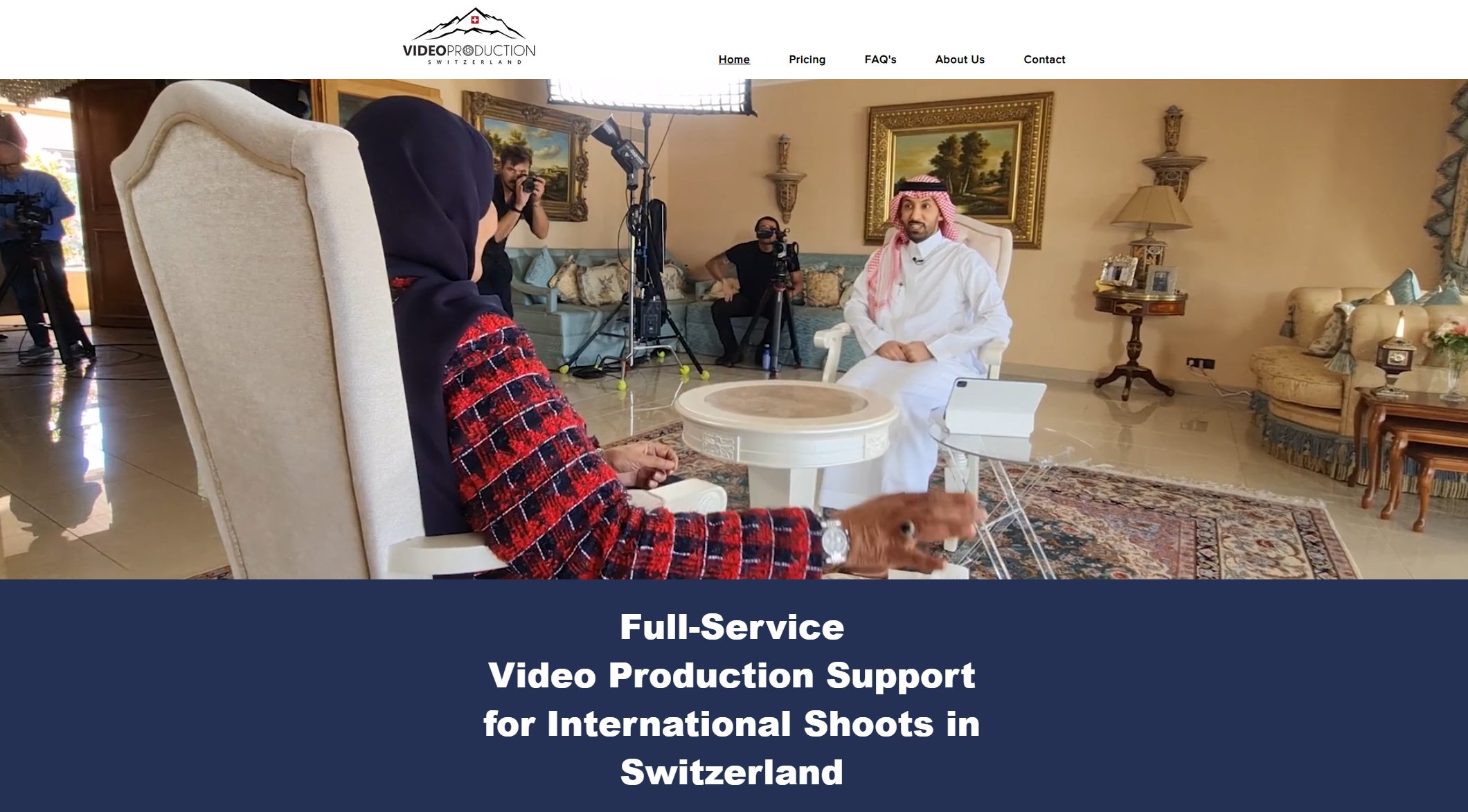
We handle everything from vendor sourcing and schedule coordination to quality control and final delivery, ensuring your project stays on time and within budget. Discover detailed video production costs in Switzerland to plan accurately. Explore our full service video production support or review our comprehensive production process guide to see how we simplify complex shoots.
Frequently Asked Questions
What is the difference between a post production supervisor and coordinator?
Supervisors manage overall strategy, budgets, and stakeholder relationships while coordinators handle daily administrative tasks like scheduling sessions and organizing files. Supervisors make strategic decisions about workflow and resource allocation; coordinators execute the logistical details supporting those decisions.
Do post production supervisors make creative editing decisions?
No, directors and picture editors control creative storytelling choices. Supervisors manage the business framework enabling creative work, including schedules, budgets, and technical workflows. They may provide input on practical constraints affecting creative decisions but do not direct the artistic vision.
How does local Swiss expertise benefit international post production projects?
Local supervisors navigate Switzerland’s multilingual environment, understand regional vendor networks, and know regulatory requirements affecting scheduling and costs. This knowledge prevents miscommunications, budget overruns, and timeline delays that international crews often encounter when working without local guidance.
What deliverables does a post production supervisor typically oversee?
Supervisors manage creation of final master files, separate music and effects tracks for international distribution, properly formatted subtitle files, textless versions for foreign dubbing, and archival masters. They verify all deliverables meet technical specifications for theatrical release, streaming platforms, or broadcast distribution.
When should I hire a post production supervisor for my project?
Engage a supervisor during pre production or immediately after principal photography wraps. Early involvement allows them to structure workflows, establish vendor relationships, and create realistic schedules before post production begins. Waiting until problems occur costs significantly more than proactive management from the start.
What percentage of the post production budget should I allocate for supervision?
Plan for supervision costs representing 10 to 15% of your total post production budget. This investment provides crucial financial oversight, workflow coordination, and quality control that prevent expensive overruns and delays throughout the finishing process.
Recommended
