
Understanding Whitewater Rafting in Switzerland

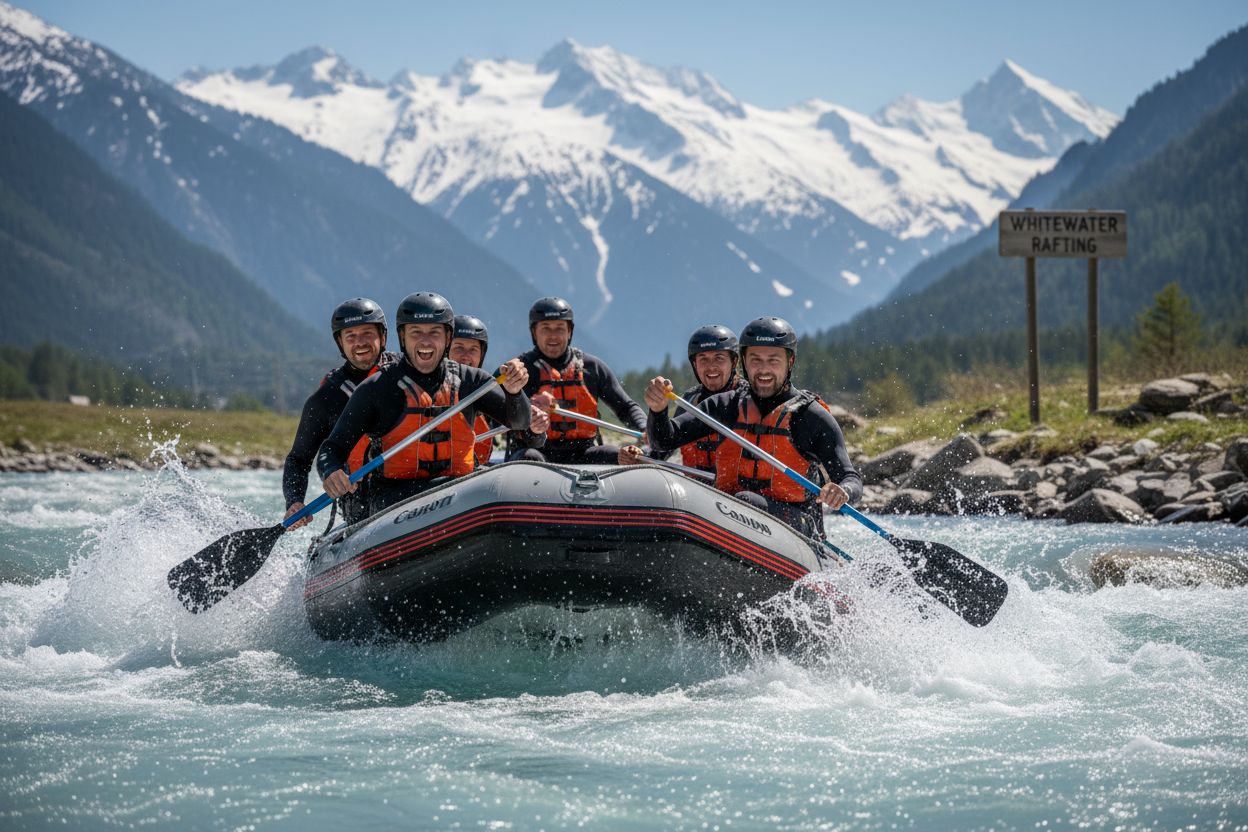
Whitewater rafting brings adrenaline and teamwork together as you ride unpredictable rivers at high speed, all in the heart of wild nature. Most people don’t realize that the origins of this sport go back thousands of years and have evolved from survival and exploration into today’s high-energy adventure. And here’s the wild part: modern whitewater rafting only became popular as a sport in the 1950s even though people have been mastering fierce rapids with handmade rafts for generations. The surprising journey from ancient necessity to modern thrill-seeking is just the start.
Table of Contents
Quick Summary
Takeaway | Explanation |
Whitewater rafting is a team sport. | Success in navigating rapids requires effective teamwork and coordination among all participants. |
Know river classifications for safety. | Understanding the six levels of rapid difficulty helps rafters choose suitable experiences based on their skills. |
Switzerland is a prime rafting destination. | The country’s stunning landscapes and robust infrastructure make it ideal for both novice and expert rafters. |
Safety equipment is essential for all rafters. | Proper gear like life jackets and helmets is crucial for preventing accidents and ensuring safety during rafting trips. |
Environmental conservation complements adventure tourism. | Rafting promotes awareness of local ecosystems, encouraging participants to appreciate and protect natural environments. |
What is Whitewater Rafting and its Origins?
Whitewater rafting is an exhilarating outdoor adventure sport that involves navigating turbulent rivers using an inflatable raft, challenging the unpredictable power and speed of moving water. Unlike calm water paddling, whitewater rafting demands skill, teamwork, and an understanding of river dynamics to safely traverse rapids with varying intensity levels.
The Historical Roots of River Navigation
The origins of whitewater rafting trace back to ancient civilizations that used rudimentary rafts for transportation and exploration. Indigenous peoples in regions like South America and North America were among the first to develop techniques for navigating challenging waterways. National Geographic highlights that early river travelers used wooden boats and basic paddling techniques to traverse dangerous river sections.
Modern whitewater rafting as a recreational sport emerged in the mid-20th century, with significant developments occurring in the United States. The first commercial whitewater rafting trips began in the 1950s, primarily on rivers in the western United States like the Colorado River through the Grand Canyon. Adventure enthusiasts quickly recognized the sport’s potential for combining physical challenge, teamwork, and interaction with wilderness environments.
Understanding River Classification
Whitewater rapids are classified into six difficulty levels, helping rafters understand the potential challenges and risks:
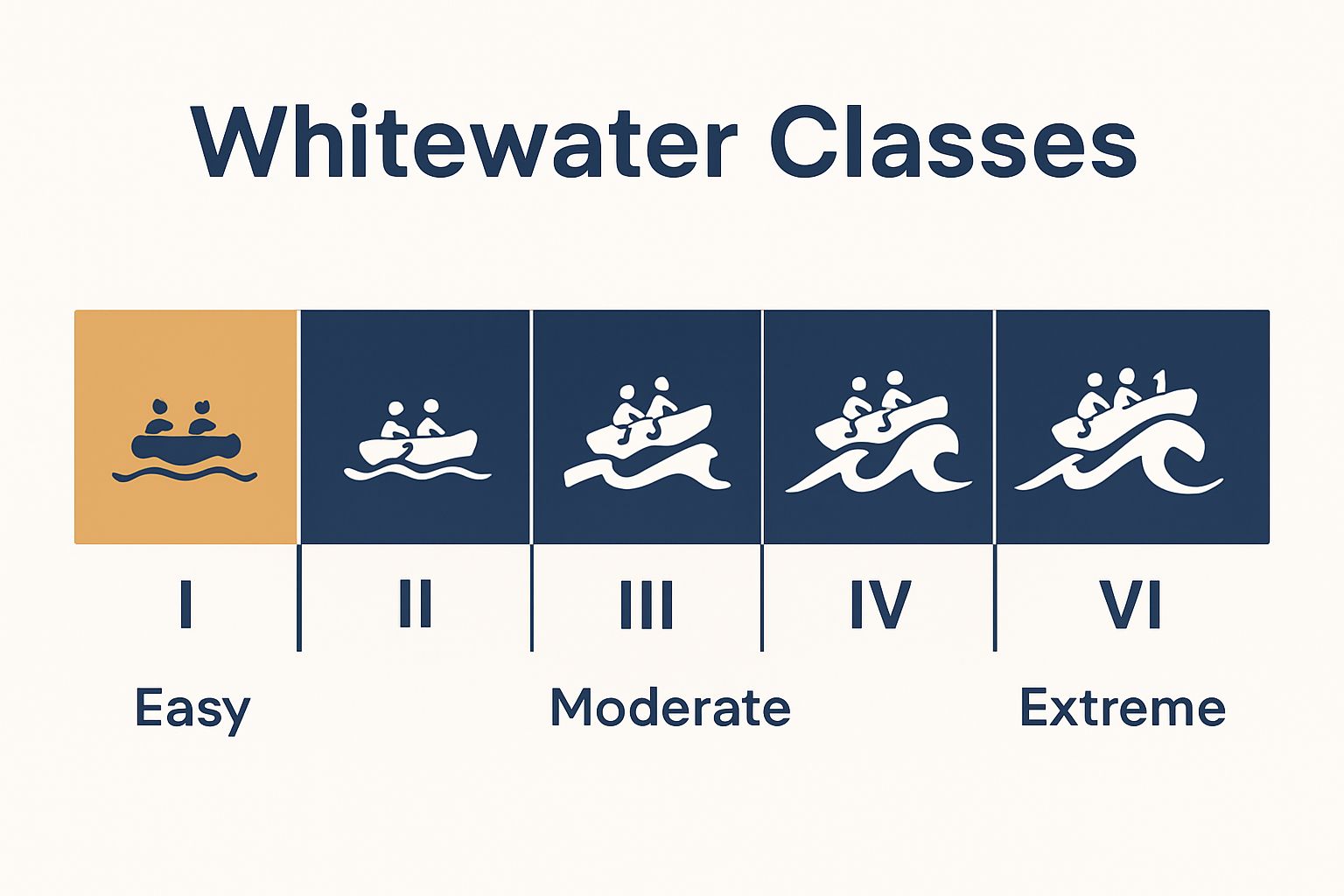
Class I: Very small waves, minimal obstacles. Suitable for beginners
Class II: Slightly more challenging rapids with some maneuvering required
Class III: Moderate rapids with potentially significant waves
Class IV: Advanced rapids requiring precise boat handling and strong technical skills
Class V: Extremely difficult rapids with substantial risk and complex navigation
Class VI: Essentially unrunnable, representing extreme danger
Understanding these classifications is crucial for safety and selecting appropriate rafting experiences based on individual skill levels and comfort.
To help readers quickly understand the different levels of river difficulty, here is a table summarizing the six classes of whitewater rapids and their key characteristics.
Class | Description | Suitable For |
I | Very small waves, minimal obstacles | Beginners |
II | Slightly more challenging, some maneuvering | Novice rafters |
III | Moderate rapids, significant waves possible | Intermediate |
IV | Advanced rapids, precise boat handling needed | Experienced rafters |
V | Extremely difficult, high risk, complex lines | Experts only |
VI | Essentially unrunnable, extreme danger | Not recommended |
American Whitewater provides comprehensive guidelines for river difficulty ratings, helping adventurers make informed decisions about their rafting expeditions.
Why Whitewater Rafting is Popular in Switzerland?
Switzerland offers a unique and compelling landscape for whitewater rafting enthusiasts, combining stunning alpine geography with world-class river systems that create exceptional adventure opportunities. The country’s diverse topography provides an extraordinary backdrop for this thrilling water sport, attracting both professional and amateur rafters from around the globe.
Natural Geographic Advantages
The Swiss Alps create an unparalleled environment for whitewater rafting, with numerous rivers flowing through dramatic mountain valleys. Rivers like the Lütschine, Simme, and Rhone provide incredible rafting experiences with varying difficulty levels. Switzerland Tourism notes that these rivers offer spectacular routes through breathtaking landscapes, making each rafting journey not just an adventure but also a visual feast.
Mountain rivers in Switzerland typically offer rapids ranging from Class II to Class IV, providing challenges for different skill levels. The steep gradients and glacial meltwater create powerful currents that make rafting an intense and engaging experience. The combination of technical rapids and stunning alpine scenery sets Swiss whitewater rafting apart from many other global destinations.
The table below summarizes Switzerland’s natural rivers that are mentioned as whitewater rafting destinations, their general class range, and what makes each river notable for adventure seekers.
River | Typical Class Range | Notable Features |
Lütschine | II-IV | Dramatic alpine scenery, challenging rapids |
Simme | II-III | Accessible for beginners, scenic valleys |
Rhone | III-IV | Powerful alpine currents, diverse geology |
Rhine | II-IV | Consistent flows, reliable rafting conditions |
Ticino | II-III | Warm-weather rafting, beautiful surroundings |
Adventure Tourism and Infrastructure
Switzerland has developed robust adventure tourism infrastructure that supports safe and accessible whitewater rafting experiences. Professional rafting companies provide comprehensive services including:
High-quality safety equipment
Experienced local guides
Comprehensive safety training
Transportation to and from rafting locations
Rental gear and professional-grade rafts
These services ensure that both experienced rafters and beginners can enjoy the sport with confidence. Switzerland Adventure highlights that the country’s strong emphasis on safety and professional instruction makes it an ideal destination for international adventure seekers.
Moreover, Switzerland’s commitment to environmental conservation ensures that rafting experiences are sustainable and respect the natural ecosystem. Check out our guide to outdoor adventures in Switzerland to explore more thrilling activities in this remarkable country.
How the Swiss River System Supports Rafting
Switzerland’s intricate river system represents a complex network of waterways that uniquely supports and enhances whitewater rafting experiences across the country. The geographical configuration of Swiss rivers creates an exceptional environment for both professional and recreational rafting adventures.
Alpine River Dynamics
The Swiss river system originates primarily from alpine glaciers and mountain snowmelt, generating powerful and dynamic water flows ideal for rafting. Swiss Federal Office of the Environment highlights that these rivers maintain consistent water levels throughout summer months, providing stable and predictable rafting conditions.
The primary rivers supporting rafting include the Rhone, Rhine, Ticino, and their numerous tributaries. These waterways traverse dramatic elevation changes, creating rapids with varying intensities and technical challenges. Mountain rivers typically feature:
Steep gradient profiles
Consistent water volume
Predictable seasonal flow patterns
Clean, mineral-rich water
Diverse geological terrains
Ecological and Infrastructural Support
Switzerland’s comprehensive environmental protection policies and river management strategies play a crucial role in maintaining high-quality rafting conditions. The country has implemented robust conservation measures that preserve river ecosystems while simultaneously supporting adventure tourism. Swiss Water Protection emphasizes the delicate balance between ecological preservation and recreational use.
River infrastructure includes strategically placed access points, well-maintained riverbanks, and regulated water management systems that ensure safe and sustainable rafting experiences. These technical and ecological considerations make Swiss rivers some of the most reliable and enjoyable rafting destinations worldwide. Check out our guide to outdoor adventures in Switzerland to explore more thrilling activities in this remarkable landscape.
Key Concepts of Safety and Navigation in Rafting
Whitewater rafting requires a comprehensive understanding of safety protocols and advanced navigation techniques to ensure a successful and secure adventure. Professional rafters must develop a complex skill set that combines physical ability, technical knowledge, and strategic decision-making while traversing challenging river environments.
Personal Safety Equipment and Preparedness
Safety begins with proper equipment and personal preparation. International Rafting Federation emphasizes that every rafter must have essential protective gear and understand its proper usage. Critical safety equipment includes:
Personal flotation devices (life jackets)
Helmets with secure chin straps
Quick-release rescue belts
Appropriate water-resistant clothing
Professional-grade river shoes
Beyond physical equipment, mental preparedness and understanding fundamental water safety principles are equally crucial.
This table outlines the essential safety equipment required for whitewater rafting trips, as described in the article, along with the purpose of each item.
Equipment | Purpose |
Personal flotation device (life jacket) | Keeps the rafter afloat in turbulent water |
Helmet with secure chin strap | Protects the head from impacts |
Quick-release rescue belt | Allows for rapid rescue or self-extraction |
Water-resistant clothing | Provides protection from cold and wet conditions |
Professional-grade river shoes | Ensures secure footing and foot protection |
River Navigation and Technical Skills
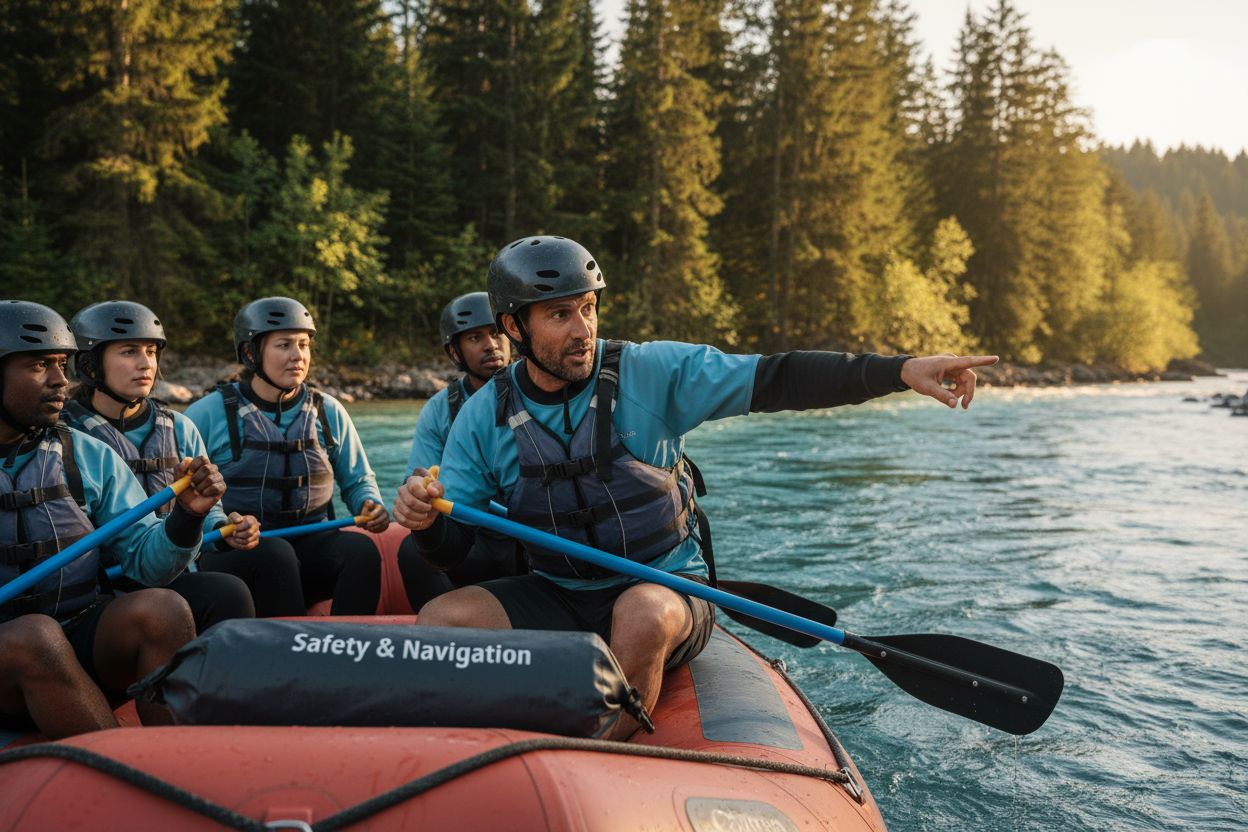
Successful river navigation requires a sophisticated combination of reading water conditions, understanding river dynamics, and executing precise paddling techniques. Professional guides and experienced rafters develop an intuitive understanding of how water moves around obstacles, recognizing potential hazards and safe passage routes.
Navigation skills involve:
Identifying and reading different water currents
Understanding how water interacts with river terrain
Recognizing potential hazards like rocks, hydraulic features, and unexpected drops
Coordinating team paddling techniques
Making rapid, informed decisions in dynamic environments
Professional training programs and experienced guides play a critical role in developing these advanced navigation skills. Check out our guide to outdoor adventures in Switzerland to explore more thrilling activities that require similar technical expertise.
The Role of Whitewater Rafting in Adventure Tourism
Whitewater rafting has emerged as a significant and transformative segment within the global adventure tourism industry, offering travelers immersive experiences that combine physical challenge, environmental interaction, and personal growth. This dynamic recreational activity transcends traditional tourism by providing participants with more than just a scenic journey.
Economic and Cultural Impact
Adventure tourism, particularly whitewater rafting, represents a substantial economic driver for regions with suitable river systems. United Nations World Tourism Organization estimates that adventure tourism generates billions of dollars annually, with outdoor water-based activities playing a crucial role in this economic ecosystem. Countries like Switzerland have strategically positioned themselves as premier destinations by developing comprehensive infrastructure and professional rafting services.
The economic benefits extend beyond direct revenue from rafting trips, encompassing:
Employment for local guides and support staff
Infrastructure development in rural regions
Promotion of environmental conservation
Supporting local hospitality and transportation industries
Creating international tourism visibility
Sustainable Tourism and Environmental Awareness
Whitewater rafting serves as a unique platform for environmental education and sustainable tourism practices. Participants gain direct exposure to natural ecosystems, fostering a deeper understanding and appreciation of environmental conservation. Professional rafting operators increasingly incorporate ecological awareness into their experiences, educating travelers about river systems, local biodiversity, and conservation challenges.
Adventure Travel Trade Association highlights that modern adventure tourists are increasingly motivated by meaningful experiences that connect them with local environments and cultures. Whitewater rafting provides an immersive method of experiencing landscapes that goes far beyond traditional sightseeing. Check out our guide to outdoor adventures in Switzerland to explore more thrilling activities that offer similar transformative experiences.
Turn Your Swiss Whitewater Adventure Into a Cinematic Story
Reading about the electrifying rush of whitewater rafting in Switzerland, you can feel the intensity—steep gradients, dynamic river flows and the relentless pace of the currents. But capturing the energy of this landscape and adventure on video is a completely different challenge. If you are dreaming of showcasing these moments or planning a branded adventure shoot, you may worry about managing complex logistics, permits, unpredictable alpine weather, and finding crews who understand both the technical demands and the wild beauty of Swiss rivers. The stakes are high, and getting every shot right matters just as much as navigating those rapids.

Make your next adventure film or documentary seamless and stress-free. Work with local experts who know how to frame the power of Swiss rivers and handle logistics even in the most demanding environments. Visit https://videoproductionswitzerland.com for industry-leading production solutions, from scouting riverside locations to sourcing reliable crews and streamlining all permit processes. Curious about other thrilling outdoor stories waiting to be filmed? Check out our guide to outdoor adventures in Switzerland and see how we bring alpine action sports to life. Take the first step toward an unforgettable, professionally managed shoot—connect with us today and see your Swiss rafting story realized on screen.
Frequently Asked Questions
What is whitewater rafting?
Whitewater rafting is an outdoor adventure sport that involves navigating turbulent rivers with an inflatable raft. It requires skill, teamwork, and knowledge of river dynamics to safely traverse varying levels of rapids.
What are the classifications of whitewater rapids?
Whitewater rapids are classified into six levels of difficulty, ranging from Class I (easy) to Class VI (extremely difficult and nearly unrunnable). This classification helps rafters assess their ability and select appropriate rafting experiences.
Why is Switzerland a popular destination for whitewater rafting?
Switzerland is known for its stunning alpine geography and robust adventure tourism infrastructure. The country offers numerous rivers with varying difficulty levels, making it an ideal location for both experienced and beginner rafters. The breathtaking landscapes enhance the overall rafting experience.
What safety equipment is essential for whitewater rafting?
Essential safety equipment for whitewater rafting includes personal flotation devices (life jackets), helmets, quick-release rescue belts, appropriate clothing, and professional-grade river shoes. Proper equipment and mental preparedness are crucial for ensuring safety on the water.
Recommended
