
Transport Tractor to Switzerland 2026: Save 40% on Costs
- Pieter Nijssen

- Mar 2
- 8 min read
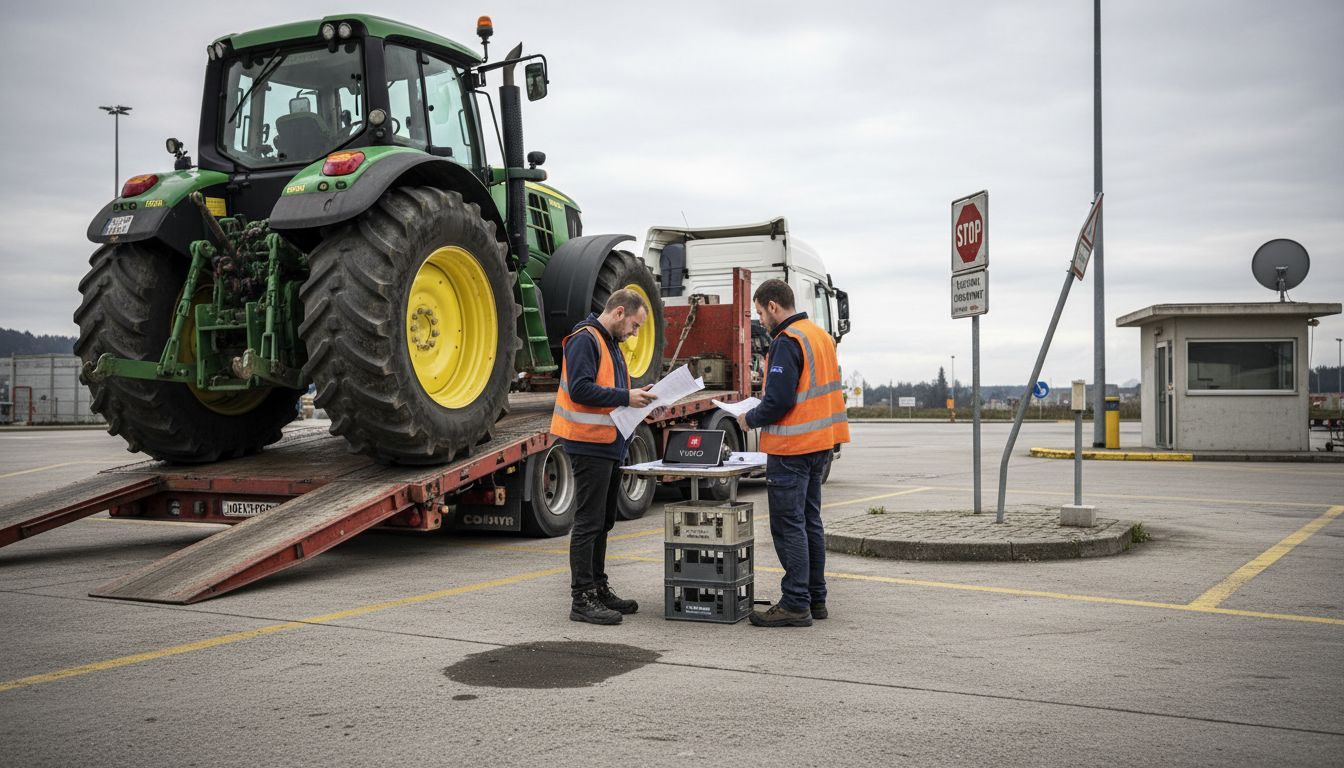
Transporting tractors for film shoots in Switzerland is complex due to strict regulations. Since May 2024, the Passar electronic customs system mandates real-time transit declarations, replacing older NCTS procedures. Recent changes to Swiss road freight rules enforce strict weight limits and documentation standards. Proper planning ensures timely, damage-free tractor delivery for productions, avoiding costly delays that can derail shoot schedules and budgets.
Table of Contents
Key Takeaways
Point | Details |
Electronic customs | Swiss transit requires electronic declaration via Passar system for all goods since May 2024. |
Weight restrictions | Maximum truck weight for road transport is 40 tonnes, strictly enforced for compliance. |
Documentation | Complete customs paperwork and securing procedures prevent delays and equipment seizures. |
Transport methods | Choosing RoRo, flat rack, or container shipping impacts cost, safety, and regulatory compliance. |
Timeline expectations | Typical shipping duration ranges 4 to 7 weeks including customs clearance and inland delivery. |
Introduction to Tractor Transport in Switzerland
Understanding Swiss-specific transit procedures is essential before moving heavy equipment across borders. The Passar electronic declaration system replaced NCTS procedures in May 2024, requiring real-time customs compliance for all transit goods. This shift streamlined processing but demands precise digital submissions.
Swiss regulations maintain a 40 tonnes maximum truck weight limit for road freight, including the tractor’s weight and transport vehicle. Exceeding this threshold triggers penalties and potential shipment rejection. For oversized tractors exceeding standard dimensions, low-bed trailers with pilot vehicles are necessary to meet compliance standards.
Key regulatory requirements include:
Electronic customs transit declarations through the Passar system
Strict adherence to weight and dimension limits
Specialized transport arrangements for oversized loads
Real-time monitoring and bond registration
Planning transport to meet these regulations averts costly delays or fines. International film crews must allocate sufficient lead time for documentation preparation and carrier coordination. Understanding these laws is vital for production logistic success, especially when shoot schedules depend on equipment arriving exactly when needed.
Prerequisites: What You Need Before Transporting a Tractor
Successful tractor transport begins with thorough preparation. Collect exact tractor dimensions, weight, and operational status before contacting carriers. Measurements should include height, width, length, and total weight with all attachments. Verify whether the tractor can be driven onto transport vehicles or requires crane loading.

Obtain valid Swiss and EU transport permits matching your tractor specifications. Oversized loads require special permits issued weeks in advance. Prepare full documentation including commercial invoice, packing list, export declarations, and correct tariff codes. Accurate and complete documentation is essential to avoid delays or equipment seizures during cross-border transport.
Engage freight forwarders experienced in customs clearance and heavy machinery. These specialists navigate complex regulations and reduce error risk. They manage Passar submissions, bond registrations, and carrier coordination, improving delivery reliability significantly.
Essential preparation steps:
Document all tractor specifications with photographs and measurements
Secure appropriate permits for weight class and dimensions
Compile complete customs paperwork with correct codes
Choose experienced freight forwarders specializing in heavy equipment
Review heavy equipment transport tips to understand specific securing and handling requirements for film production gear.
Pro Tip: Create a detailed equipment manifest with serial numbers and condition photos before shipping. This documentation proves invaluable if damage claims arise and speeds customs inspections.
Choosing the Right Transport Method for Your Tractor
Selecting the optimal shipping method balances cost, safety, and timeline requirements. Three primary international options serve different tractor types and production needs.
RoRo shipping is cost-effective for operational wheeled tractors, offering fast transit at lower prices. Tractors drive directly onto vessels and are secured in cargo holds. However, this method provides limited weather protection and exposes equipment to salt air during ocean transit.
Flat rack shipping suits oversized tractors that cannot fit in standard containers. Equipment is lashed to open platforms using specialized rigging, allowing flexible loading for irregular shapes. This method accommodates partially disassembled tractors requiring professional securing expertise.
Container shipping offers maximum weather protection and security for sensitive equipment. Tractors are enclosed in 20-foot or 40-foot containers, shielding them from elements and unauthorized access. Costs run higher than RoRo, but damage risk decreases substantially.
Method | Best For | Cost Range | Weather Protection | Transit Time |
RoRo | Operational wheeled tractors | Lowest | Minimal | Fastest |
Flat Rack | Oversized or irregular tractors | Medium | Partial | Medium |
Container | High-value sensitive equipment | Highest | Complete | Medium |
Inland transport from ports to shoot locations requires compliance with Swiss road rules. Trucking is most flexible for direct delivery, while rail reduces carbon footprint for longer distances. Selection depends on tractor type, shoot timeline, budget, and local restrictions at your production site.
Compare heavy equipment transport methods and review crane and tractor transport comparison to evaluate options for your specific production needs.
Step-by-Step Procedure for Transporting a Tractor
Follow this sequential guide to execute tractor transport safely and legally.
Assess tractor condition and record all specifications with detailed photographs before loading. Document existing damage to establish baseline condition.
Partially disassemble tractor components if needed to meet dimension and weight restrictions. Remove detachable implements, mirrors, or exhaust extensions.
Load tractor using approved heavy-lifting equipment following manufacturer guidelines. Employ certified riggers familiar with agricultural machinery securing protocols.
Apply proper lashing using certified anchor points and tension monitoring. Use chains or straps rated for equipment weight with appropriate safety factors.
Submit electronic customs transit declarations through Passar before departure. Complete all required fields with exact specifications matching physical shipment.
Register transit customs bond via the Garanzia tool with Swiss authorities. This mandatory step prevents fines or shipment holds at borders.
Monitor shipment progress using carrier tracking systems and maintain contact with freight forwarders. Address any customs queries immediately to avoid delays.
Coordinate arrival timing with shoot schedules and unloading logistics. Ensure crane or ramp access is available at delivery location.
Unload carefully at shoot site using qualified personnel and inspect tractor thoroughly for transport damage before signing delivery receipts.
Critical securing steps:
Use four-point lashing minimum for stability
Apply wheel chocks and parking brakes
Secure all loose components separately
Verify load balance before transport begins
Consult heavy equipment transport preparation guides for detailed securing specifications and safety protocols.
Pro Tip: Request photos from carriers at each major transit point. Visual confirmation of proper securing and condition helps catch issues early before they escalate into costly problems.
Common Mistakes and How to Avoid Them
Frequent errors disrupt tractor transport projects and inflate costs. Understanding these pitfalls helps you implement preventive measures.
Incomplete customs documents are the top cause of shipment delays and seizures. Missing tariff codes, incorrect weight declarations, or outdated permits trigger holds at borders. Triple-check all paperwork before submission and have freight forwarders review documents for accuracy.
Poor securing practices lead to equipment damage during transit. Inadequate lashing allows tractors to shift in containers or on flat racks, causing structural damage or total loss. Always use certified securing points and follow manufacturer lashing protocols rigorously.
Ignoring the 40-tonne maximum truck weight limit results in hefty fines and forced offloading at Swiss borders. Calculate total transport weight including vehicle, tractor, and securing equipment before departure. For heavy tractors, arrange specialized carriers rated for extreme loads.
Failing to register transit customs bonds leads to automatic shipment holds and penalty fees. Complete Garanzia tool registration immediately after Passar declaration submission. Monitor bond status throughout transit to catch lapses early.
Avoidance strategies:
Engage experienced freight forwarders to manage documentation
Verify carrier certifications for heavy equipment transport
Confirm weight calculations with multiple measurements
Set calendar reminders for bond registration deadlines
Budget contingency time for unexpected customs queries
Partner with specialized carriers who understand film production timelines and equipment value. Their expertise mitigates administrative errors that commonly derail shipments.
Pro Tip: Build a 10-day buffer into your transport timeline. Customs delays, weather disruptions, or carrier issues happen despite perfect planning. This cushion protects shoot schedules from equipment arrival problems.
Expected Timelines, Costs, and Outcomes
Typical international tractor shipping takes 4 to 7 weeks depending on transport methods and customs procedures. Ocean freight consumes the majority of time, with port handling and inland delivery adding 1 to 2 weeks.
Costs vary widely by method and distance. RoRo shipping offers the lowest rates, typically 30% to 40% cheaper than container options for operational tractors. Container shipping commands premium pricing but reduces damage claims significantly. Inland Swiss transport adds fees based on distance and special handling requirements.
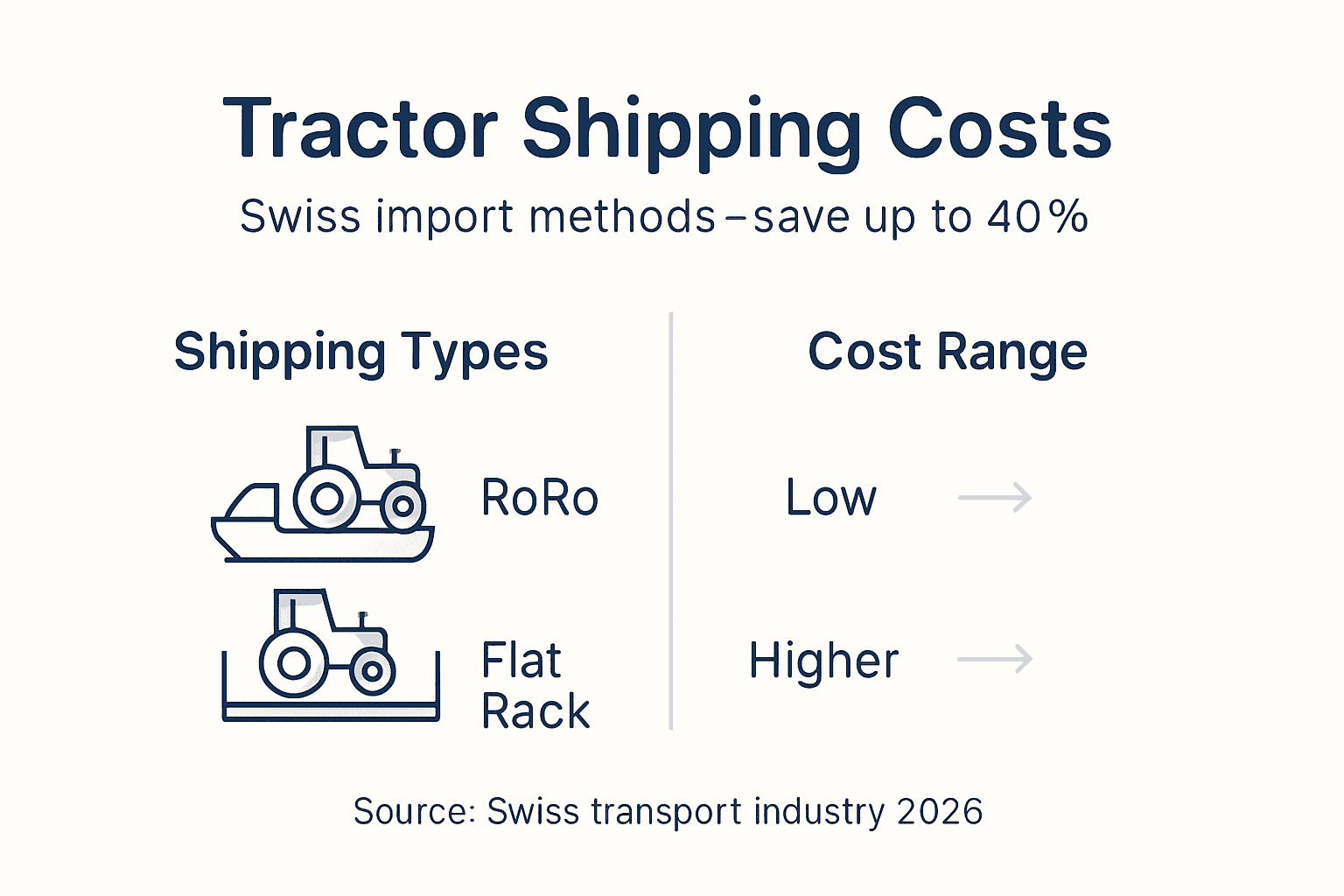
Swiss import VAT is 8.1% on tractor equipment value. Film productions may qualify for temporary admission waivers, eliminating VAT for equipment leaving Switzerland after shoots. Consult customs brokers to determine eligibility and required documentation.
Cost Component | Range | Notes |
Ocean freight (RoRo) | $2,000 to $4,500 | Varies by origin port and tractor size |
Ocean freight (Container) | $3,500 to $7,000 | Includes container rental and securing |
Inland Swiss transport | $800 to $2,200 | Based on distance and special permits |
Customs clearance | $400 to $900 | Includes Passar fees and bond registration |
Insurance | 1% to 3% of value | Comprehensive coverage recommended |
Success metrics for tractor transport:
On-time arrival matching production schedule
Zero damage requiring repair before use
Complete customs compliance with no fines
All documentation processed without delays
Budget for potential delays and extra fees to reduce risks. Carrier issues, weather events, or customs queries can extend timelines by 1 to 2 weeks. Building contingency funds of 15% to 20% above quoted prices covers unexpected expenses without threatening shoot budgets.
Review Swiss VAT and customs rules to understand current regulations and potential exemptions for film production equipment.
Conclusion and Additional Resources
Transporting tractors to Switzerland demands attention to electronic customs declarations and strict weight restrictions. The Passar system requires precise digital submissions, while the 40-tonne limit governs all road freight. Complete documentation and professional securing protocols prevent delays that disrupt production schedules.
Working with experienced carriers and freight forwarders reduces error risk substantially. These specialists navigate complex regulations, manage bond registrations, and coordinate timing to match shoot requirements. Their expertise transforms a daunting logistical challenge into a manageable process.
Essential resources:
Swiss customs transit official information for Passar system details
Swiss-EU customs regulations for VAT and import rules
Heavy equipment transport resources for securing protocols
Stay updated on regulatory changes through official Swiss customs websites. Rules evolve frequently, and staying informed prevents compliance issues. Contact specialized transport companies early in production planning to secure capacity and lock in competitive rates.
Streamline Your Film Production with Expert Support
Navigating tractor transport logistics diverts valuable time from creative production tasks. Video Production Switzerland offers full-service production management including specialized logistics for heavy equipment coordination. Their team handles customs declarations, carrier selection, and delivery timing to ensure compliance with Swiss regulations.
[

With over 20 years of experience managing complex shoots, they understand how equipment delays cascade into budget overruns and schedule chaos. Their expertise ensures tractors arrive damage-free and on time, letting you focus on capturing compelling footage instead of wrestling with freight forwarders.
Leverage professional support to avoid costly mistakes. Their local knowledge and carrier relationships unlock competitive rates while maintaining reliability. Review their heavy equipment transport guidelines to understand how specialized production support transforms logistics challenges into seamless execution.
Frequently Asked Questions
What permits are required to transport a tractor into Switzerland?
You need valid Swiss transit permits specific to tractor weight and dimensions plus customs clearance via the Passar system. Special permits apply for oversized loads requiring pilot vehicles.
How does the Passar system simplify customs transit for tractors?
Passar provides real-time electronic customs clearance, reducing paperwork and delays. Mandatory for all transit goods through Switzerland since May 2024, it streamlines processing significantly.
What are the best practices to secure a tractor during transport?
Use certified lashing points and follow heavy equipment securing standards rigorously. Partially disassemble large components if needed to stay within legal dimension limits. Professional loading services reduce damage risk substantially.
How long does it typically take to ship a tractor from abroad to Switzerland?
Shipping typically takes 4 to 7 weeks depending on method and customs clearance. RoRo is fastest, while container shipping and inland transport add to delivery time. Budget extra days for potential delays.
Can film productions get VAT exemptions on temporary tractor imports?
Yes, temporary admission procedures may waive the 8.1% Swiss VAT for equipment leaving after shoots. Consult customs brokers to determine eligibility and required documentation for your specific production.
Recommended
