
6 Essential Tips for Switzerland Time-Lapse Filmmaking

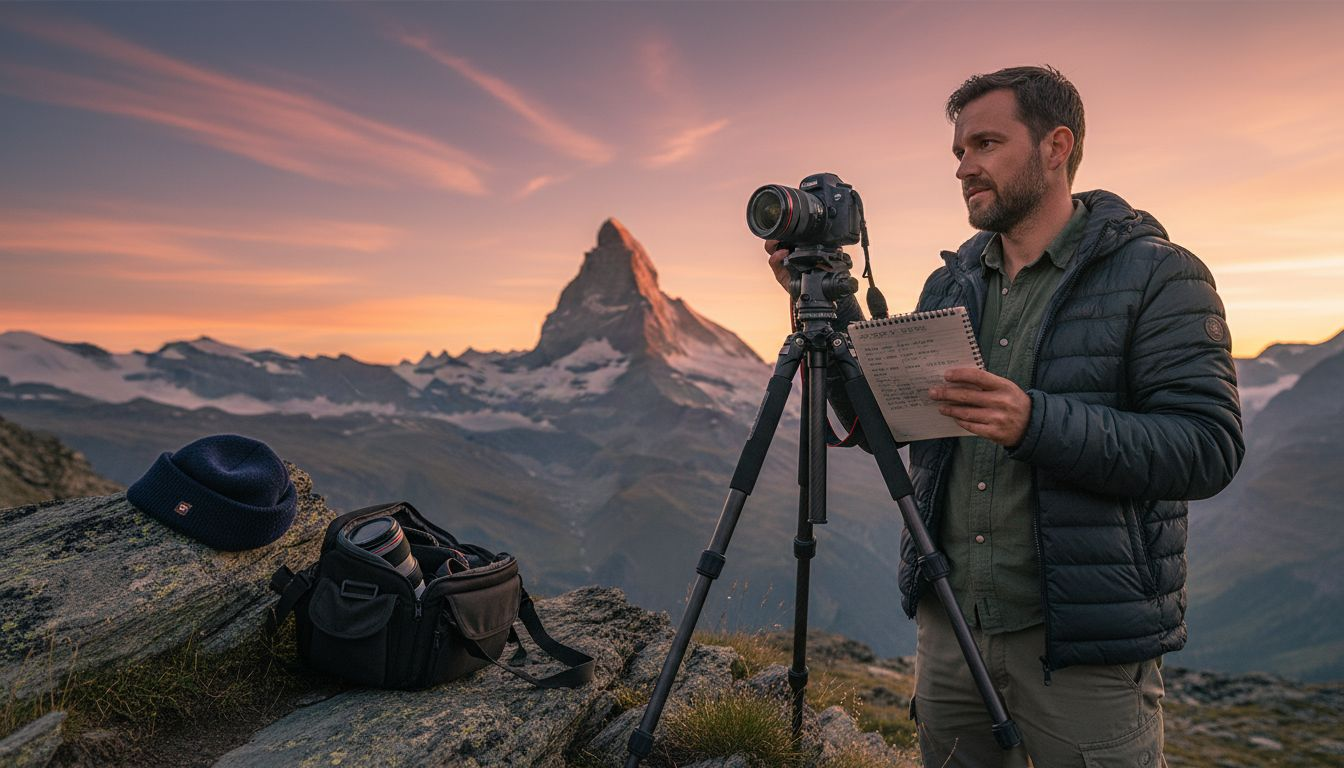
Trying to capture Swiss alpine beauty in a time-lapse can feel overwhelming if you do not know where to start. Every detail from picking locations to handling unpredictable weather puts your project at risk if you miss crucial steps. Switzerland’s mix of UNESCO World Heritage sites, dramatic mountain environments, and historic towns gives you unmatched options—but only if you understand the process and prepare properly.
This guide gives you clear, actionable strategies used by professionals. You will discover how to choose breathtaking Swiss locations, navigate local permit regulations, and select gear that survives harsh mountain conditions. Each numbered insight moves you closer to flawless time-lapse footage and stress-free production.
Get ready to uncover practical solutions and pro tips. If you want cinematic Swiss scenes that stand out, the following steps will help you work smarter and avoid costly setbacks.
Table of Contents
Quick Summary
Takeaway | Explanation |
1. Choose diverse Swiss locations | Select locations to enhance visual interest and dynamic elements for stunning time-lapse footage. |
2. Understand permit requirements early | Know specific permits needed to avoid delays, applying at least 3 months in advance for major projects. |
3. Utilize weather-resistant equipment | Invest in gear designed for extreme alpine conditions to prevent failures during shoots. |
4. Plan logistics meticulously | Transport, accommodations, and scheduling must be organized in advance to ensure smooth shooting. |
5. Collaborate with local experts | Local production teams offer critical knowledge for navigating regulations, weather, and logistical challenges effectively. |
1. Choose the Best Swiss Locations for Time-Lapse Shots
Location selection makes or breaks time-lapse filmmaking. The right setting transforms your footage from ordinary to unforgettable, which is why Swiss locations offer unmatched variety for international filmmakers seeking stunning visual diversity.
Switzerland’s landscape spans everything from Alpine peaks to medieval towns. This geographic range means you can shoot completely different scenes within a few hours of travel. Time-lapse thrives when you have dynamic visual elements—changing light, shifting seasons, flowing water, moving clouds, and architectural details that reveal depth over extended footage.
Why Location Matters for Time-Lapse
Time-lapse compresses time, so subtle changes become dramatic. A location’s light quality, texture, and movement patterns determine whether your final footage captivates viewers or bores them. Poor location choices result in flat, uninteresting footage that lacks visual interest even with perfect camera settings.
Swiss locations offer built-in advantages. UNESCO World Heritage sites like the Alpine glacial regions and historic towns provide naturally photogenic backdrops with architectural character and natural drama that translate beautifully into time-lapse sequences.
Top Location Categories for Your Time-Lapse Projects
Your location choice depends on your creative vision. Consider these proven categories:
Mountain and glacier locations deliver dramatic light changes and weather movement
Medieval town centers showcase architectural detail and pedestrian flow patterns
National parks and natural reserves feature diverse ecosystems and seasonal transformations
Urban environments capture city rhythm, traffic patterns, and architectural lighting
Waterside locations reveal flowing water and light reflection dynamics
Each category offers distinct advantages. Mountain locations excel at capturing sunrise and sunset transitions. Towns showcase human activity and changing light on stone facades. Natural reserves reveal seasonal changes and wildlife movement across the frame.
Working With Local Production Support
Navigating Swiss locations requires more than a map. Permits vary by location. Access restrictions apply to certain protected areas. Weather windows narrow during specific seasons. Local knowledge prevents costly mistakes.
This is where partnering with local Swiss production support transforms your shoot. Experienced crews understand location logistics, seasonal lighting patterns, permit requirements, and scout locations that match your creative brief while remaining accessible and legally permissible.
Choosing the right Swiss location isn’t just about scenic beauty—it’s about understanding how light, weather, and access combine to create feasible, stunning time-lapse footage.
Pro tip: Scout your chosen location during the actual season and time of year when you plan to shoot, as light angles, weather patterns, and accessibility change dramatically across seasons in Swiss terrain.
2. Understand Permit Requirements and Application Steps
Permit requirements in Switzerland can feel overwhelming at first. The good news is that understanding the rules removes uncertainty and prevents costly production delays. Most filmmakers fail not because permits are impossible to get, but because they wait too long or don’t know what authorities actually require.
The Swiss permit system varies by location and project scope. Basic shoots in public spaces using minimal equipment often need no formal permit. However, larger productions, road closures, or equipment that affects public access require advance notification or formal authorization from local cantonal offices.
What Actually Requires a Permit
Not every shoot needs documentation. Understanding the distinction saves time and reduces unnecessary bureaucracy. Small, unobtrusive filming typically operates in a gray zone that requires awareness but not always formal permits.
Projects requiring permits include:
Road closures or traffic diversions
Large crew sizes with multiple vehicles
Public lighting changes or special installations
Extended shooting schedules spanning multiple days
Use of cranes, drones, or elevated equipment
Filming in protected or culturally sensitive areas
Commercial productions with visible branding
Basic documentation shoots with small crews and handheld equipment often proceed without permits, though you should still notify local authorities when operating in populated areas.
The Application Timeline That Actually Works
Timing determines success. Filming permits require advance application to local authorities, often up to three months before your shoot date for major projects. This timeline gives officials time to review, coordinate across departments, and address potential conflicts with other public activities.
Submitting 30 days before filming rarely provides enough buffer for complex approvals. International filmmakers often underestimate Swiss administrative timelines. Plan your submission strategically.
Here’s what the timeline looks like:
Identify your primary shooting location
Research which canton and municipality govern that area
Contact the appropriate local office 8 to 12 weeks before filming
Submit your detailed application with location maps and production schedule
Allow 4 to 8 weeks for review and potential revisions
Confirm final approval at least two weeks before shooting
Why Local Coordination Matters
Switzerland operates with 26 semi-autonomous cantons. Each has different rules, different contact procedures, and different approval timelines. Coordinating across multiple offices becomes complex quickly, especially for productions spanning multiple regions.
This complexity is exactly why international crews benefit from local production support. Experienced Swiss production partners understand cantonal differences, maintain relationships with local authorities, and navigate the system efficiently.
Permit delays kill productions. Starting the application process early protects your shoot schedule and budget.
Pro tip: Submit your permit applications immediately after finalizing your location scout and before booking key crew, since permit denial or unexpected restrictions sometimes force location changes that cascade through your entire production schedule.
3. Pick the Right Equipment for Swiss Weather
Swiss weather changes faster than you can adjust your camera settings. Alpine conditions demand equipment that survives extreme temperature swings, moisture, wind, and rapid weather shifts. Choosing the wrong gear results in equipment failure mid-shoot, ruined footage, and impossible deadlines to meet.
Time-lapse in Switzerland means confronting unpredictable alpine conditions year-round. Summer brings intense UV exposure and sudden storms. Winter introduces moisture, freezing temperatures, and blinding snow reflection. Your equipment must handle all of it without compromising image quality or stability.
Tripod Selection for Alpine Stability
Your tripod makes or breaks time-lapse success. A wobbly tripod introduces micro-vibrations that blur frames across your entire sequence. Wind, temperature changes, and uneven mountain terrain test every connection on your support system.
Professional carbon fiber tripods outperform aluminum alternatives in Swiss conditions. Carbon fiber resists temperature-induced expansion and contraction better than aluminum, maintaining rigidity across the wide temperature swings alpine filming demands. Models designed for landscape work provide superior stability, which directly translates to sharper time-lapse frames.
Key tripod features for Swiss filming include:
Carbon fiber construction for rigidity and thermal stability
Low center of gravity to resist wind displacement
Geared spreader or fixed positioning to prevent leg drift
Minimal extension mechanisms that reduce vibration transfer
Weather sealing at all joints to prevent moisture infiltration
Weatherproofing Your Entire Camera System
Moisture destroys camera sensors. Weatherproof camera housings protect equipment from alpine weather while maintaining optical clarity for long shooting sessions. Condensation inside your camera or lens means unusable footage and expensive repairs.
Protection layers you’ll need:
Sealed camera body or weatherproof housing
Quality lens filters that protect against UV and moisture
Protective caps for all unused ports and connectors
Waterproof bags for equipment transport between locations
Moisture-absorbing packs inside camera bags during humid seasons
Snow and rain create particular challenges. Your gear needs protection without obstructing your lens or introducing unwanted reflections into your frame.
Battery Performance in Cold Conditions
Cold temperatures drain batteries faster than you expect. A battery showing 80% capacity at room temperature might read 20% at freezing temperatures. This isn’t battery failure; it’s chemistry slowing down in cold environments.
Plan accordingly by carrying spare batteries kept warm in an insulated pocket. Test your specific equipment at the temperatures where you’ll actually shoot. Don’t rely on manufacturer claims from temperate testing conditions.
Stable, weatherproof equipment separates professional time-lapse from failed shoots. Invest in quality support and protection systems before heading to the mountains.
Pro tip: Bring a maintenance kit with lens cleaning supplies, spare camera batteries kept in an insulated inner pocket, and weatherproof tape to seal equipment ports during heavy rain or snow, as repairs become impossible once you’re deep in alpine terrain.
4. Plan for Logistics: Crew, Transport, and Accommodations
Logistics planning separates successful Swiss shoots from chaotic ones. When your crew lacks transportation, accommodations, or clear scheduling, your production dissolves into stress and delays. International filmmakers often overlook logistics until it becomes an emergency, costing thousands in last-minute arrangements and lost shooting days.
Swiss geography creates unique logistical challenges. Remote mountain locations require specialized transport. Alpine weather delays schedules unpredictably. Crew members unfamiliar with the region need accommodation guidance. Your time-lapse production depends on smooth logistical execution, not just creative vision.
Transportation Planning for Alpine Terrain
Getting your crew and equipment to remote Swiss locations requires advance planning. Standard rental cars work for accessible areas, but mountain locations often demand specialized vehicles. Some shoots need dedicated transport coordination that goes beyond typical film productions.
Transportation considerations include:
Access roads to your location and vehicle capability requirements
Equipment transport capacity and safety securing methods
Crew pickup and drop-off schedules for multi-day shoots
Backup transportation for weather emergencies
Fuel availability in remote areas
Parking restrictions near protected filming zones
Film shoot logistics require coordinating transportation safely, including equipment movement and crew schedules. Alpine locations sometimes need specialized coaches or helicopter access, which demands early booking and budget allocation. Underestimating transport needs creates bottlenecks that compress your actual shooting window.
Securing Appropriate Accommodations
Your crew performs better when comfortable and well-rested. Finding suitable accommodations near your shooting location eliminates exhausting daily commutes and supports crew morale during intensive multi-day shoots. Poor accommodation choices directly reduce productivity and increase fatigue-related mistakes.
Accommodation planning requires:
Proximity to shooting locations to minimize commute time
Capacity for your full crew size
Quality that supports rest and recovery
Local knowledge about seasonal availability
Budget alignment with production resources
Internet connectivity for crew coordination and media uploads
Swiss accommodation fills quickly during peak seasons. Booking months in advance prevents scrambling for rooms in remote valleys.
Crew Coordination and Scheduling
Your crew needs clear schedules and role definitions. Time-lapse demands long setup periods and patient waiting for optimal light. Crews unfamiliar with time-lapse work often misunderstand why you’re not actively shooting during apparent idle hours.
Scheduling your crew effectively means communicating realistic daily timelines and building in buffer time for weather delays. Alpine conditions create unpredictable delays. Your schedule must accommodate these variables without burning out your team.
Strong logistics keep your production on track, your crew healthy, and your shoot days productive.
Pro tip: Partner with local Swiss production support to handle crew accommodation booking, transportation coordination, and schedule management, freeing you to focus entirely on creative decisions rather than juggling vendor contacts across multiple cantons.
5. Work With Local Experts for Seamless Shoots
Local expertise transforms Swiss time-lapse productions from stressful improvisation into smooth, predictable execution. International filmmakers often underestimate how much local knowledge matters until problems emerge that local crews solve instantly. Working with experienced Swiss production partners removes the guesswork and protects your creative vision.
Swiss regulations, weather patterns, location access, and cultural nuances confuse outsiders. Local experts navigate these complexities automatically. They know which permits take two weeks versus three months. They understand which mountain passes close in winter. They have relationships with landowners and authorities that accelerate approvals. They spot problems before they become disasters.
Why Local Knowledge Changes Everything
Time-lapse requires patience, planning, and precise timing. You’re betting days of shooting on weather windows and light conditions. Local crews predict conditions accurately because they’ve filmed in these locations repeatedly across seasons. They know how light hits the Matterhorn at different times of year. They understand microclimates in valleys where weather differs dramatically from surrounding regions.
Foreign crews make expensive mistakes. They choose locations that look photogenic but lack adequate vehicle access. They schedule shoots during seasons when weather makes filming impossible. They miss permit deadlines because they don’t understand cantonal office timelines. Local experts prevent these costly errors.
What Local Experts Provide Beyond Logistics
Your partnership with local production support extends far beyond permit handling and transportation coordination. Experienced Swiss crews contribute creative input based on decades of location knowledge.
Local expertise includes:
Accurate weather prediction for your specific shooting dates and locations
Location scouting that identifies photogenic sites with practical accessibility
Vendor relationships with equipment rental companies and service providers
Crew recruitment from trusted professionals who understand time-lapse workflows
Real-time problem solving when unexpected issues emerge on shoot days
Cultural navigation preventing misunderstandings with local communities and authorities
Post-production coordination ensuring smooth delivery workflows
Professional production management ensures seamless video shoots through experienced oversight of every production element. Local managers coordinate crew roles, resolve conflicts instantly, and maintain focus on your creative goals when complications arise.
Building Your Local Partnership
Choosing the right Swiss production partner matters more than most filmmakers realize. Look for companies with demonstrated experience in time-lapse work, established relationships with local authorities, and portfolios showing successful alpine projects. Ask about their permit success rates and average application timelines. Request references from international filmmakers they’ve supported.
Your partnership should feel collaborative, not transactional. The best local partners understand your creative vision and advocate for your needs while managing practical constraints you might not foresee.
Local expertise isn’t a luxury—it’s the foundation that allows your creative vision to become reality without constant stress and costly mistakes.
Pro tip: Start your local partnership discussions at least three months before your target shoot dates, allowing time to finalize permits, scout locations thoroughly, and assemble a crew that understands your specific time-lapse requirements and creative approach.
6. Troubleshoot Common Challenges in Switzerland
Swiss time-lapse filming tests your problem-solving skills constantly. Weather shifts unexpectedly. Equipment fails in cold temperatures. Power sources disappear in remote locations. Permits get delayed. Light changes faster than you anticipated. Understanding common challenges before they hit allows you to respond strategically instead of panicking.
Experienced filmmakers prepare for problems proactively. They don’t just hope for perfect conditions. They anticipate obstacles, plan workarounds, and know exactly how to recover when something goes wrong. This mindset separates successful shoots from abandoned projects.
Managing Unpredictable Alpine Weather
Swiss mountain weather changes within minutes. Fog rolls in and obscures your entire shot. Rain forces you to protect equipment mid-sequence. Snow visibility problems require constant exposure adjustments. Weather challenges significantly impact outdoor time-lapse photography across alpine regions, making flexibility essential.
Weather troubleshooting strategies include:
Shooting multiple angles from the same location for backup footage
Bracketing exposures across your sequence to handle changing light
Having weatherproof covers ready for sudden rain or snow
Accepting that some shots won’t work and moving forward
Scouting backup locations that offer protection if primary sites become inaccessible
Monitoring local weather forecasts hourly during active shoots
Don’t fight the weather. Use it creatively. Fog over mountains creates mood. Storm clouds add drama. These “problems” often become your most memorable footage.
Power and Equipment Accessibility in Remote Areas
Remote alpine locations lack power outlets and easy equipment access. Your camera batteries die faster in cold conditions. Extended time-lapse sequences demand consistent power supply throughout extended capture periods. Equipment failures become critical when you’re hours from the nearest service center.
Power and access solutions include:
Portable solar panels or battery packs for extended shooting
Extra batteries kept warm in insulated bags
Equipment secured against wind and vibration with professional tripod systems
Backup gear for critical components that might fail
Regular maintenance checks before heading to remote locations
Communication devices for emergencies when help is far away
Test your entire power system before committing to a multi-day remote shoot.
Exposure Flickering and Lighting Consistency
Changing daylight causes exposure fluctuations that create visible flickering in your final footage. Your camera constantly adjusts to compensate for cloud movement and sun angle changes. These automatic adjustments ruin time-lapse sequences that should show smooth, consistent transitions.
Fixed-exposure shooting prevents flickering. Lock your camera settings manually and accept that some frames will be slightly brighter or darker. Post-production software can smooth minor variations much easier than fixing severe flicker.
Anticipating problems transforms frustration into creative opportunity. Prepared filmmakers solve obstacles efficiently and keep productions moving forward.
Pro tip: Create a detailed troubleshooting checklist before every shoot documenting potential problems, your solution strategy, and backup plans for weather delays, power failures, and equipment issues specific to your location.
Below is a comprehensive table summarizing the key aspects and strategic considerations for executing time-lapse filmmaking in Swiss locations.
Aspect | Description | Key Insights |
Choosing Locations | Switzerland offers diverse landscapes, including Alpine peaks and medieval towns, for visually unique filmmaking. | Ensure the selection of settings with dynamic elements like changing light and seasonal effects. |
Permit Acquisition | Filming may require permits depending on project scope and location type. Applications vary across cantons. | Submit applications 8–12 weeks in advance and coordinate with relevant authorities. |
Equipment Preparation | Alpine conditions demand robust equipment like carbon fiber tripods and weatherproof camera housings. | Test and prepare for extreme weather impacts, including keeping batteries warm and gear sealed against moisture. |
Transportation and Accommodations | Crew logistics must consider remote location transportation and accommodation near shoot sites. | Organize specialized transport for remote areas and book accommodations well in advance. |
Local Expertise | Collaborating with Swiss production experts ensures streamlined operations and enhanced site knowledge. | Leveraging local teams simplifies permit processes and provides critical location insights. |
Elevate Your Swiss Time-Lapse Filmmaking with Expert Local Support
Mastering time-lapse filmmaking in Switzerland demands precise location knowledge, permit navigation, reliable equipment choices, and seamless logistics. The challenges like securing permits across multiple cantons, managing unpredictable alpine weather, protecting sensitive gear, and coordinating crew and transport can quickly overwhelm even experienced filmmakers. If you want to bring your creative vision to life without the stress of bureaucratic delays or logistical headaches partnering with seasoned local experts is essential.
[
Take the guesswork out of your Swiss shoot with professional video production services that specialize in exactly these issues. Benefit from over 20 years of local market expertise designed to ensure your permits get approved on time, your crew has expert guidance, your equipment withstands harsh conditions, and your logistics flow smoothly from start to finish. Don’t let administrative hurdles or alpine challenges compromise your stunning time-lapse sequences. Contact Video Production Switzerland now for a free consultation and step confidently toward flawless, breathtaking footage that captures the true essence of Swiss landscapes.
Explore how our local production support can transform your project and secure your shoot’s success today.
Frequently Asked Questions
What are the best locations for time-lapse filming in Switzerland?
Choosing the best locations for time-lapse filming in Switzerland includes Alpine regions, medieval town centers, national parks, urban environments, and waterside areas. Aim to select spots that offer dynamic visual elements like changing light and shifting seasons for captivating footage.
How far in advance should I apply for filming permits in Switzerland?
You should apply for filming permits in Switzerland at least 8 to 12 weeks before your planned shoot date. This allows time for review and any necessary revisions, ensuring that you secure all approvals without last-minute complications.
What equipment is essential for filming time-lapse in Swiss weather?
When filming time-lapse in unpredictable Swiss weather, you’ll need weatherproof camera housings, carbon fiber tripods, and spare batteries kept warm. Selecting durable equipment tailored to alpine conditions will help protect your gear and maintain image quality.
How can I effectively plan logistics for my Swiss time-lapse shoot?
Effective logistics planning for your Swiss time-lapse shoot involves assessing transportation needs, securing nearby accommodations, and coordinating crew schedules. Create a detailed plan to ensure smooth execution and minimize stress on shooting days.
Why should I work with local experts for time-lapse filming in Switzerland?
Working with local experts for time-lapse filming provides valuable insights into regulations, weather patterns, and access issues. Their familiarity with the region helps avoid costly mistakes and enhances overall project quality, ensuring a smoother filming experience.
What common challenges should I anticipate while filming in Switzerland?
Common challenges while filming in Switzerland include unpredictable weather changes, equipment accessibility in remote areas, and exposure flickering due to changing light. Prepare for these issues by having backup plans and adjusting your shooting techniques to maintain quality.
Recommended
