
Master production planning and control for smoother shoots


Poor planning is why 70-80% of independent films fail to recoup investments. Most filmmakers think creativity drives success, but the reality is brutal: productions collapse under budget overruns, schedule delays, and resource chaos. Effective production planning and control transforms this chaos into clarity, reducing costs by 15-20% and keeping your shoot on track. This guide shows you the exact strategies production managers use to prevent disasters before they happen.
Table of Contents
Key takeaways
Point | Details |
Planning reduces shoot time | Robust production planning shortens filming by 15-20% and improves on-budget delivery rates significantly. |
Location grouping saves moves | Grouping scenes by location instead of script order reduces company move time by up to 30%, boosting efficiency. |
Contingency prevents overruns | Allocating at least 10% contingency budget across departments helps prevent costly surprises during production. |
Flexibility handles complexity | Flexible shooting schedules are essential for managing weather changes, talent availability, and multiple location shoots. |
Digital tools increase accuracy | AI-powered script breakdown and digital scheduling tools improve planning speed and accuracy dramatically. |
Why production planning and control is vital for film success
The numbers tell a harsh story. Pre-production planning failures are the primary reason independent films never see profitability. You might have brilliant creative vision, but without structured planning, your project becomes another cautionary tale.
Effective production planning reduces costs and time, enabling projects to finish 15-20% faster while staying within budget more consistently. This isn’t about bureaucracy or red tape. It’s about controlling the variables that destroy productions: runaway costs, missed deadlines, and wasted resources.
Pre-production is where budget disasters originate. Most production managers underestimate this phase, rushing into principal photography without proper groundwork. The importance of production planning becomes painfully clear when you’re three days behind schedule with no contingency plan.
Poor planning creates predictable consequences:
Cost overruns that exceed initial budgets by 30-40%
Schedule slips that cascade into crew availability conflicts
Resource wastage from inefficient shoot days and unnecessary company moves
Quality compromises when time pressures force rushed decisions
Post-production nightmares from incomplete coverage or continuity errors
Pro Tip: Allocate 10-15% buffer time in your schedule for unexpected delays. Weather changes, talent illness, and equipment failures will happen. The question isn’t if, but when.
“The difference between successful and failed productions isn’t talent or budget size. It’s whether production managers built realistic plans with proper control mechanisms before cameras rolled.” — Veteran Line Producer
You gain three critical advantages through proper planning: cost control that keeps spending predictable, timeline management that delivers on schedule, and resource optimization that maximizes every dollar and crew hour.
Core elements of production planning and control in filmmaking
A robust production plan requires specific components working together. Missing even one element creates vulnerabilities that compound during shooting.
Start with detailed budgeting. Pre-production failures create expensive budget disasters during principal photography. You need line-by-line budget tracking across all departments: cast, crew, equipment, locations, post-production, and distribution.
Create your master budget with realistic cost estimates for every line item
Break down costs by department and shooting day for granular tracking
Establish approval workflows for expenditures above threshold amounts
Implement daily cost reporting to catch overruns before they spiral
Review budget vs. actuals weekly during pre-production and daily during shooting
Scheduling encompasses creating shooting schedules and allocating resources efficiently. Your schedule must account for location availability, talent contracts, equipment rentals, and crew logistics. Understanding pre-production video planning helps you build schedules that actually work in practice.

Shot lists and storyboards provide visual planning clarity. They ensure every department understands what you’re capturing each day. Your director of photography, production designer, and assistant director all reference these documents to prepare their teams.
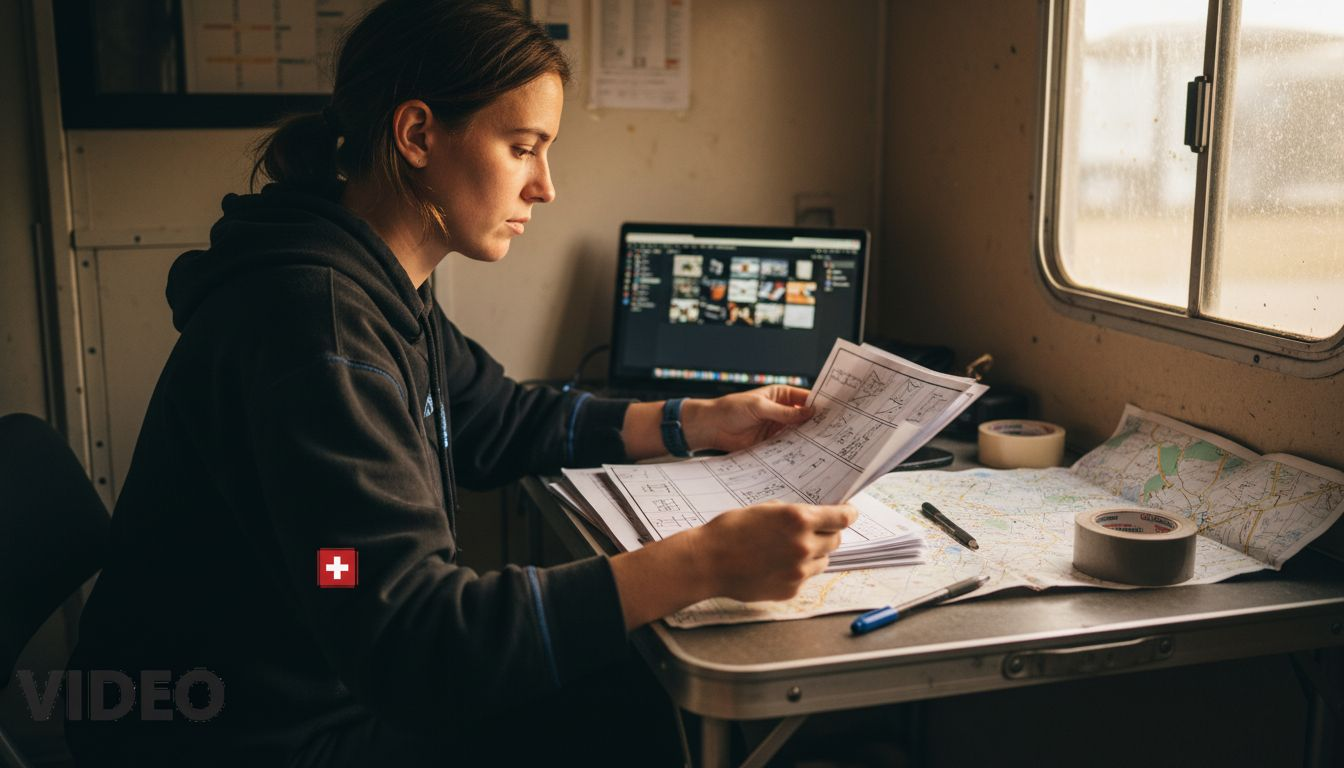
Contingency budgeting isn’t optional. Contingency funds should represent at least 10% of your total budget, allocated strategically across departments. Don’t pool it all in one line item. Distribute contingency where risks are highest: weather-dependent exteriors, complex stunts, and difficult locations.
Pro Tip: Treat contingency as mandatory insurance, not extra money to spend. Productions that protect contingency funds finish on budget. Those that raid contingency early face crisis decisions later.
Financial tracking systems must provide real-time visibility. You can’t wait until wrap to discover you’ve blown the budget. Daily cost reports, purchase order systems, and department spend tracking keep financial control tight throughout production.
Scheduling techniques and their impact on efficiency
Traditional paper-based strip boards take hours to update when schedule changes occur. Digital strip boards save up to 15% production time over spreadsheets by enabling instant schedule adjustments and automatic conflict detection.
The biggest efficiency gain comes from intelligent scene grouping. Grouping scenes by location reduces company moves by up to 30% compared to shooting in script order. Every company move costs time and money: wrapping one location, traveling, and setting up the next.
You face several scheduling challenges that demand careful planning:
Day to night shooting flips that require 12-hour turnarounds
Union regulations limiting consecutive shooting days and daily hours
Talent availability conflicts when actors work multiple projects
Weather dependencies for exterior scenes without cover sets
Equipment rental periods that constrain shooting windows
Production scheduling and control techniques help you navigate these constraints systematically. Your schedule becomes a dynamic tool, not a static document.
Scheduling method | Pros | Cons | Impact on duration |
Script order shooting | Simple continuity tracking | Excessive company moves waste time | Baseline (100%) |
Location grouping | Reduces moves by 30%, better efficiency | Requires careful continuity management | 15-20% faster |
Actor availability priority | Optimizes expensive talent costs | May increase location moves | Variable, depends on cast |
Digital strip boards | Instant updates, conflict detection | Learning curve for traditional crews | 10-15% time saved |
Pro Tip: Add 15-20% buffer time to your daily schedule estimates. Optimistic scheduling looks good on paper but collapses under real-world friction. A scene estimated at 4 hours often takes 5 once you account for lighting adjustments, performance iterations, and unexpected technical issues.
Modern studio photoshoot AI techniques demonstrate how technology accelerates planning accuracy. While AI won’t replace your assistant director, it can flag scheduling conflicts and optimize shooting order faster than manual methods.
Adapting and controlling production during shooting
Your schedule is a living document that must adapt to reality. Flexible shooting schedules are crucial for managing complex multi-location shoots, as productions like The Revenant demonstrated.
The assistant director creates and manages your schedule daily. Production schedules managed by the AD keep productions on track through constant monitoring and rapid problem solving. Your AD balances creative needs against time and budget constraints every shooting day.
Flexibility handles the unpredictable nature of production. Weather changes force exterior scenes inside. Talent gets sick and requires schedule shuffles. Locations become unavailable at the last minute. Your ability to adapt determines whether these disruptions become minor adjustments or major crises.
Day to night shooting flips create particularly challenging scenarios. Union rules mandate minimum turnaround times between shifts. If you wrap a night shoot at 6 AM, you can’t call crew back before 6 PM, losing prime daylight hours.
Control tactics that maintain progress include:
Daily production meetings reviewing schedule status and upcoming needs
Real-time progress tracking against planned shot counts and page counts
Contingency plan activation when primary plans fail
Continuous communication between department heads and production office
Financial tracking that flags budget concerns before they become emergencies
“We shot The Revenant across multiple countries in extreme conditions. Our survival depended on flexible scheduling that adapted to weather, natural light, and location access. Rigid plans would have killed the production within weeks.” — Production team reflection
The manufacturing scheduling principles applied to film shoots provide frameworks for maintaining control amid complexity. You’re essentially running a mobile factory that must deliver specific outputs daily while managing countless variables.
Your production coordinator tracks everything: equipment delivery schedules, crew call times, location access windows, permit expiration dates, and talent availability. This centralized control point prevents information gaps that cause preventable mistakes.
Optimize your international productions with expert planning support
Planning international shoots multiplies complexity exponentially. You’re coordinating across time zones, navigating foreign permit systems, and managing crews who speak different languages.
[
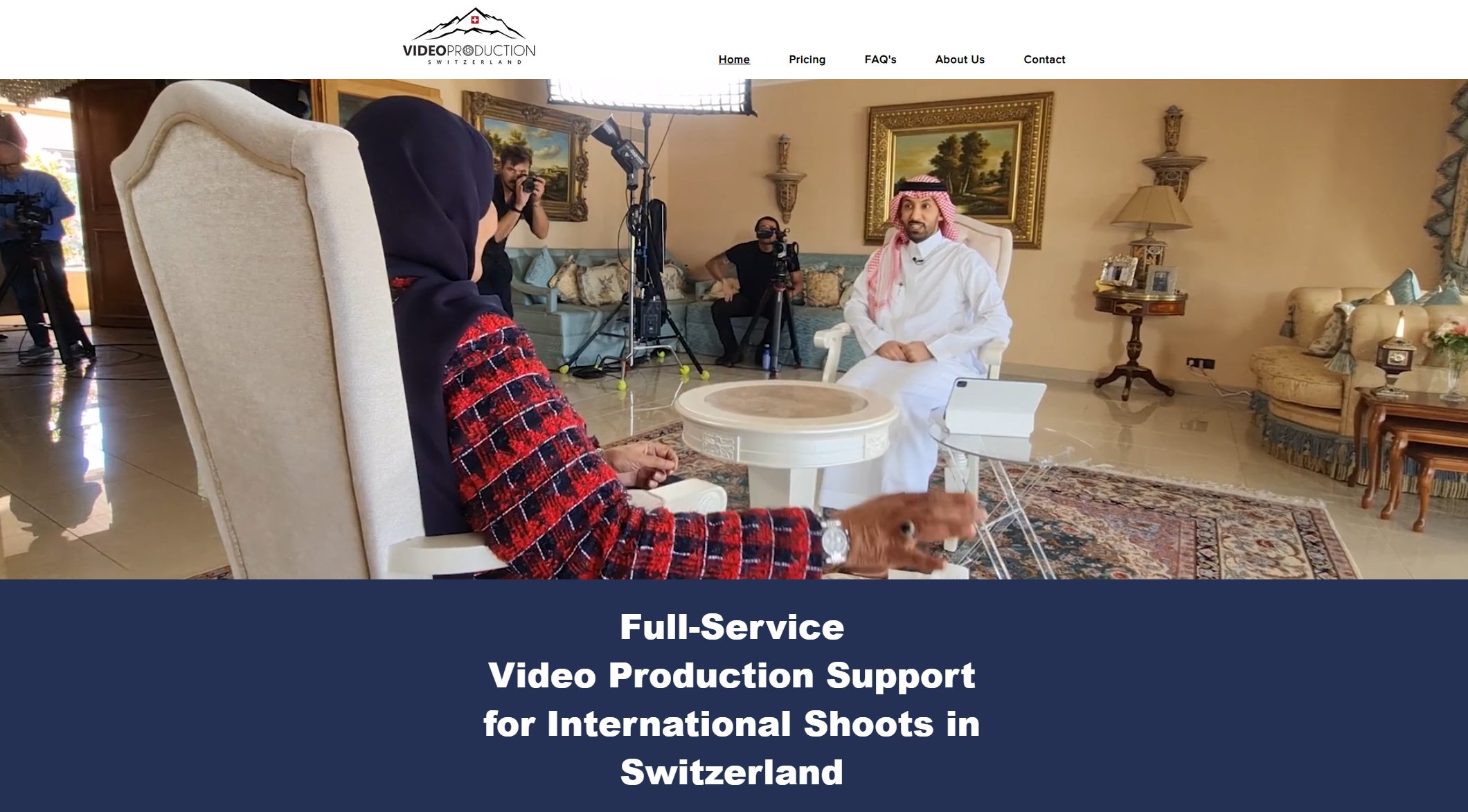
Professional production services eliminate these headaches through experienced local partners who handle logistics you can’t manage remotely. When you’re shooting in Switzerland, you need experts who know permit processes, reliable crew networks, and location-specific challenges.
Full-service video production support means you focus on creative execution while experienced production managers handle scheduling, crew booking, equipment sourcing, location scouting, and accommodation coordination. This isn’t just convenience. It’s risk mitigation that protects your budget and timeline.
Transparent video production costs in Switzerland help you budget accurately from the start. No surprise fees or hidden charges that blow your carefully planned budget. You get detailed breakdowns showing exactly where every dollar goes, enabling informed decisions about resource allocation.
Experienced production partners apply the planning principles covered in this guide: detailed scheduling, contingency budgeting, flexible adaptation, and tight financial control. The difference is they bring 20+ years of local market knowledge that prevents costly mistakes before they happen.
FAQ
How does pre-production affect film budget management?
Pre-production sets your financial foundation by creating detailed budgets before spending begins. Proper early budgeting and planning prevents cost overruns by establishing realistic expectations and identifying potential expense areas before they become emergencies during shooting.
What are the best scheduling practices to minimize delays?
Group scenes by location rather than shooting in script order to reduce company moves by up to 30%. Use digital strip boards for faster, more accurate schedule management that enables instant updates when inevitable changes occur during production.
Why is flexibility crucial in a shooting schedule?
Flexible schedules accommodate unpredictable variables like weather changes, talent availability conflicts, and location access issues. They help you avoid costly reshoots and keep productions moving forward despite disruptions, ensuring timely completion within budget constraints.
How can AI tools improve production planning?
AI-powered script breakdown accelerates the process by 70%, enabling faster schedule creation and more accurate resource allocation. This speed advantage gives you more time for strategic planning rather than manual data entry and analysis.
Recommended
