
Location Scouting Explained: Process, Types, and Legalities
- Pieter Nijssen

- Nov 9, 2025
- 7 min read
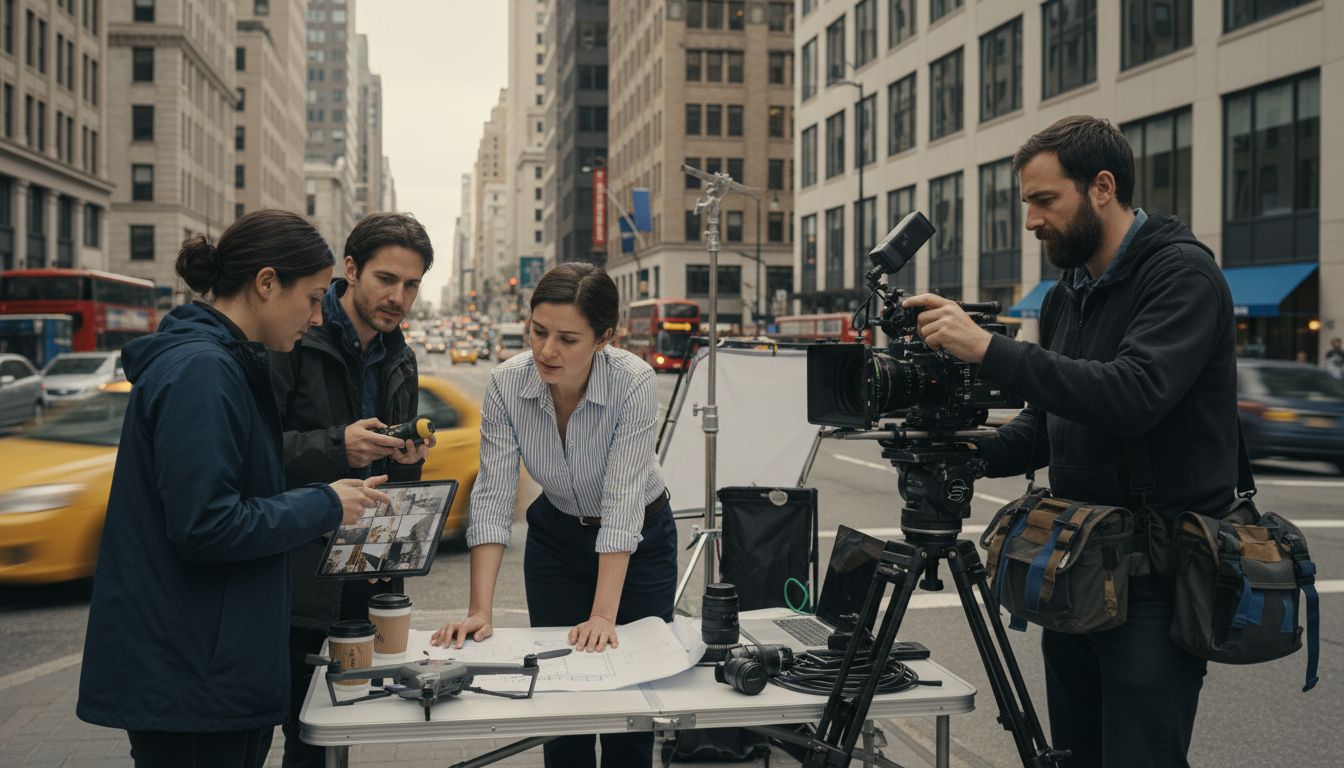
Film locations can make or break a story, yet over 80 percent of productions run into challenges during location scouting. The choice of setting shapes the mood, authenticity, and even the practical flow of a shoot. Whether you are crafting an indie drama or a big-budget adventure, understanding location scouting gives you the edge in turning scripts into memorable visuals while avoiding costly setbacks.
Table of Contents
Key Takeaways
Point | Details |
Importance of Location Scouting | Location scouting is essential for transforming written narratives into visually compelling film settings, balancing creative vision with practical constraints. |
Types of Locations | Filmmakers can choose from various types of locations—controlled sound stages, versatile backlots, and authentic practical locations—each with unique challenges and benefits. |
Legal and Permit Considerations | Navigating local regulations and securing necessary permits is crucial to avoid production disruptions and ensure compliance with legal requirements. |
Mitigating Risks | Professional scouts must anticipate common pitfalls such as safety concerns and logistical challenges, employing thorough assessment and contingency planning to manage costs effectively. |
What Is Location Scouting in Film Production
Location scouting is a critical pre-production phase that transforms written narratives into visual realities. According to Wikipedia, it involves searching for suitable places outside studio environments that match a script’s specific requirements, considering crucial factors like aesthetics, logistics, and legal permissions.
At its core, location scouting is about finding the perfect visual backdrop that brings a story’s vision to life. As research from CUNY Hunter FM Handbook indicates, this process ensures that chosen sites not only align with narrative needs but also offer practical feasibility for cast and crew. Professional scouts meticulously evaluate multiple potential locations, analyzing:
Visual compatibility with script requirements
Logistical accessibility
Technical production capabilities
Potential legal and permitting challenges
Cost considerations
Proximity to production infrastructure
Successful location scouting requires a blend of creative vision and pragmatic problem solving. Scouts must negotiate between a director’s artistic requirements and production team’s practical constraints, often serving as critical intermediaries who can translate conceptual ideas into tangible, filmable environments. Understanding Multiple Location Management becomes essential in this complex process, where each selected site must seamlessly integrate into the broader narrative and production strategy.
Professional location scouts are essentially visual translators who bridge screenplay imagination with real-world spaces. They possess a unique skill set combining location research, negotiation abilities, and deep understanding of production logistics. Whether hunting for a gritty urban alleyway or a pristine mountain landscape, these professionals ensure that every frame captures precisely the right visual and emotional tone a production requires.
Types of Locations and Their Characteristics
Location scouting encompasses a diverse range of environments, each offering unique characteristics and production challenges. From controlled studio settings to expansive outdoor landscapes, filmmakers have multiple options to bring their creative visions to life.
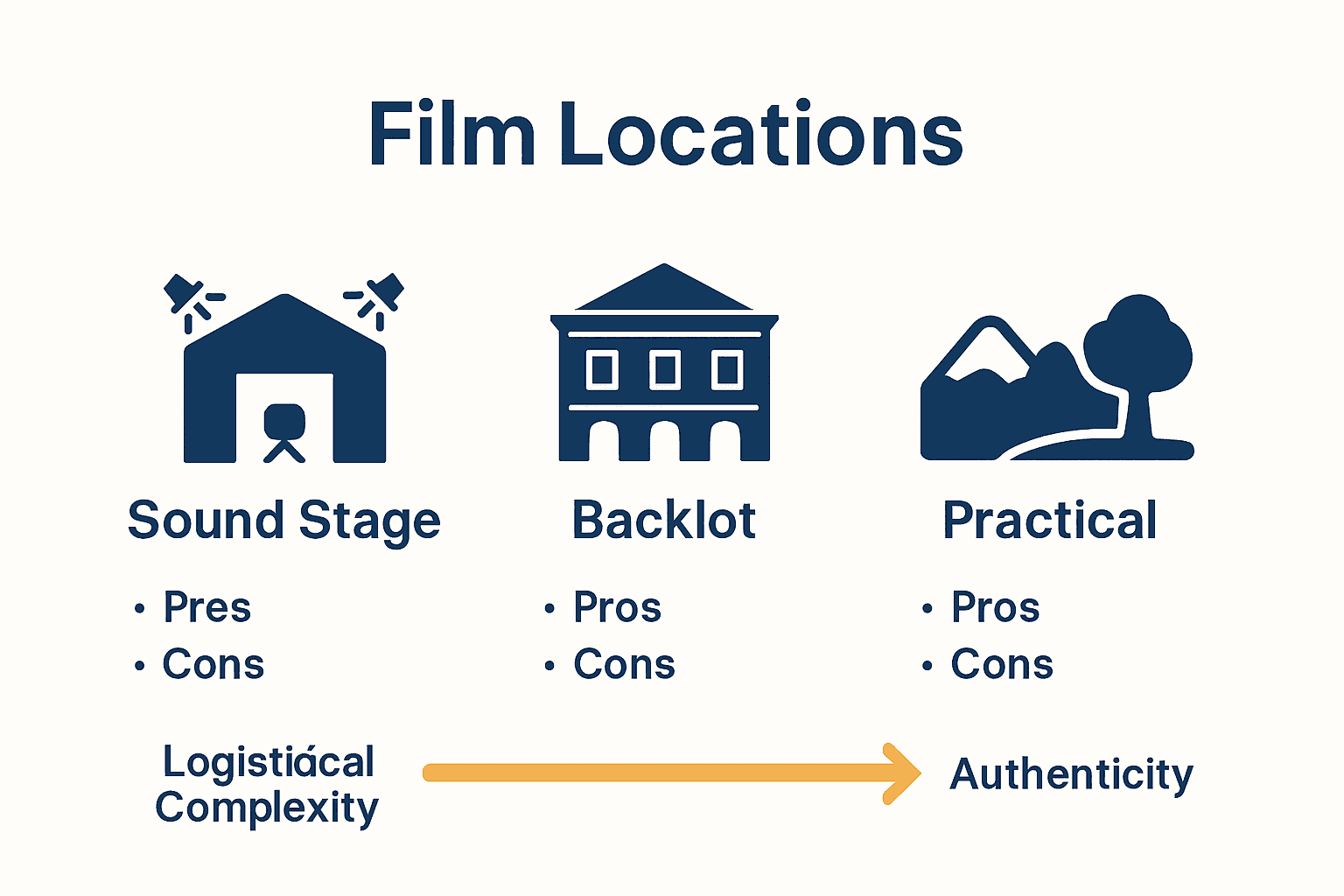
Sound Stages represent one of the most controlled location types. According to Wikipedia, these are soundproof, hangar-like structures specifically designed for film and television production. They provide critical advantages:
Complete environmental control
Elimination of external noise
Consistent lighting conditions
Ability to create elaborate sets
Protection from weather unpredictability
Another fundamental location type is the backlot, which Wikipedia describes as an area adjacent to movie studios containing permanent exterior sets. Backlots offer remarkable versatility, allowing production teams to quickly transform spaces to represent different locations and historical periods without extensive location hunting.
Beyond studio environments, practical locations represent real-world spaces that provide authentic backdrops for storytelling. These can range from urban streets and private residences to natural landscapes and public institutions. What is a Recce becomes crucial in evaluating these locations, as each space requires detailed assessment for production feasibility.
Specialized location types also include green screen environments, architectural interiors, historical sites, and remote wilderness areas. Each presents unique logistical considerations, from permitting requirements to technical production challenges. Professional location scouts must evaluate not just visual appeal, but practical elements like accessibility, power sources, sound conditions, and potential disruption to surrounding environments.
The Step-by-Step Location Scouting Process
Location scouting is a methodical journey from initial concept to final site selection, requiring strategic planning and meticulous attention to detail. According to CUNY Hunter FM Handbook, the process involves visiting multiple potential sites to comprehensively assess their suitability based on script requirements, accessibility, safety, and logistical considerations.
The location scouting process typically unfolds through several critical stages:
Script Analysis and Initial Research
Preliminary Location Identification
Site Visits and Recce Assessments
Technical and Logistical Evaluation
Negotiation and Permissions
Final Location Selection
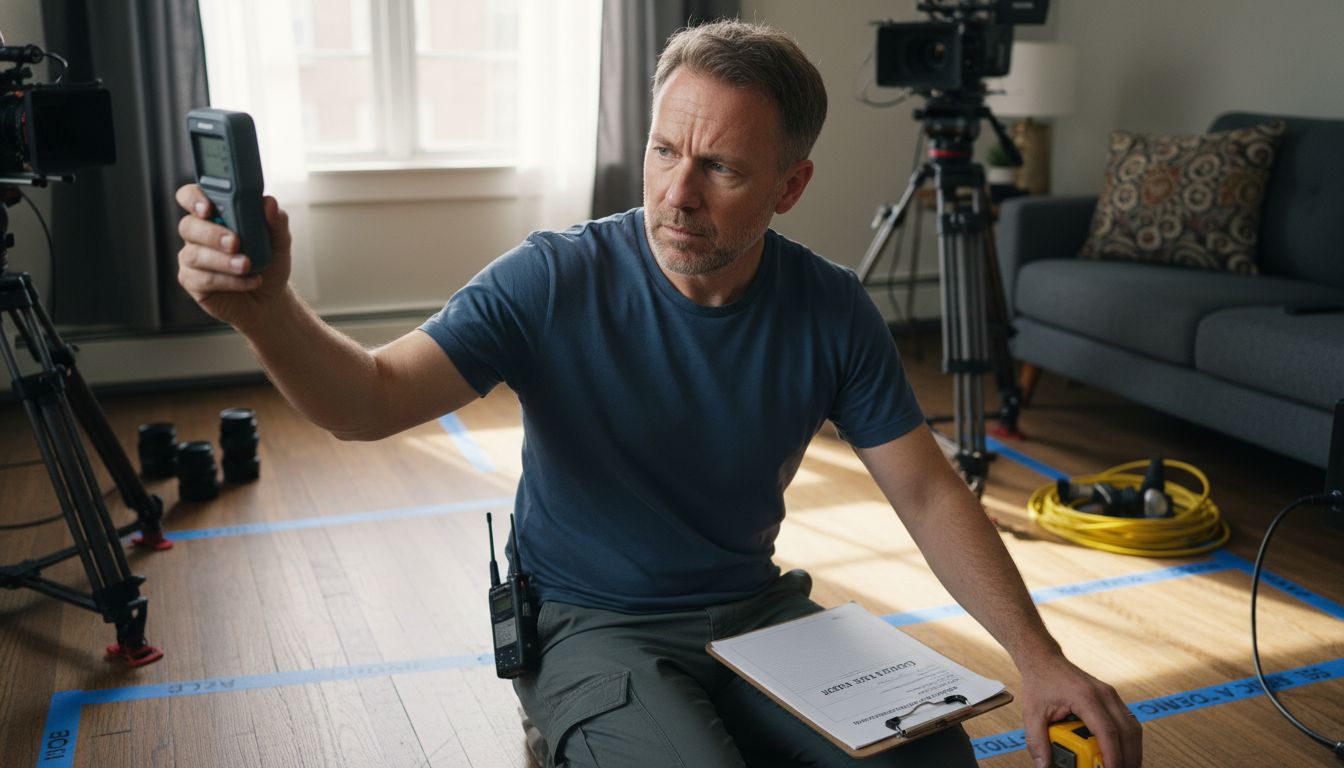
A recce, as defined by Wikipedia, is a pre-filming location visit crucial for determining shooting feasibility. During this stage, scouts meticulously assess key production elements including lighting conditions, sound environments, spatial dynamics, and potential technical challenges.
How to Plan a Film Shoot becomes an essential companion guide for understanding the broader strategic context of these detailed assessments.
Successful location scouting demands a holistic approach that balances creative vision with practical constraints. Scouts must evaluate not just visual aesthetics, but also complex logistical factors like parking availability, power source accessibility, noise levels, and potential community impact. This multi-dimensional assessment ensures that the chosen location not only matches the script’s narrative requirements but also supports smooth, efficient production workflows.
Legal Requirements and Permit Considerations
Navigating the legal landscape of location scouting is a complex process that requires meticulous attention to detail and comprehensive understanding of local regulations. According to Wikipedia, location scouts must skillfully negotiate legal access to filming locations, which involves obtaining necessary permits and ensuring compliance with intricate local regulations.
Permit requirements vary dramatically depending on the specific location and production scope. Critical considerations typically include:
Public vs. private property permissions
Special event filming licenses
Insurance and liability documentation
Location-specific restrictions
Potential environmental impact assessments
Traffic and public space usage regulations
As detailed by CUNY Hunter FM Handbook, securing a location demands more than just aesthetic suitability. Productions must comprehensively address all legal and logistical aspects to prevent potential production disruptions. How to Get Filming Permits becomes an essential resource for understanding the intricate process of navigating local regulatory landscapes.
Professional location scouts must develop robust relationships with local authorities, property owners, and municipal offices. This network allows for smoother permit acquisition, helps anticipate potential challenges, and ensures that all legal requirements are met well in advance of actual production. The goal is not just obtaining permission, but creating a collaborative environment that supports the production’s creative vision while respecting local community standards and regulations.
Risks, Costs, and Common Mistakes in Scouting
Location scouting is a high-stakes process where seemingly minor oversights can result in significant production challenges. According to Wikipedia, the risks involve potential legal issues, logistical challenges, and unforeseen costs that can dramatically impact a production’s budget and timeline.
Common mistakes in location scouting can derail even the most carefully planned productions. Based on insights from CUNY Hunter FM Handbook, critical pitfalls include:
Failing to assess site safety for cast and crew
Overlooking critical logistical challenges
Neglecting to secure necessary permissions in advance
Underestimating environmental and acoustic limitations
Insufficient budget allocation for location complexities
Inadequate contingency planning
Financial risks represent a significant concern for production teams. Location expenses can quickly escalate beyond initial estimates, involving not just permit fees, but also potential site modification costs, additional insurance requirements, and compensation for local disruptions. How to Plan a Film Shoot becomes an essential resource for understanding how to strategically manage these potential financial pitfalls.
Professional location scouts mitigate risks through comprehensive pre-production assessment, building robust relationships with local stakeholders, and maintaining flexible contingency plans. The goal is not just identifying a visually compelling location, but creating a sustainable, legally compliant, and financially responsible shooting environment that supports the production’s creative vision while protecting the team’s operational interests.
Make Location Scouting Effortless with Expert Local Support
Location scouting brings unique challenges such as navigating complex permits, managing logistical details, and balancing creative needs with practical realities. The article highlights the critical pain points like obtaining legal permissions, assessing site feasibility through recces, and controlling costs while securing the perfect environment. You need more than just a location – you require a partner who understands these complexities and ensures your production runs smoothly without surprises.
Take the stress out of your next shoot in Switzerland by trusting the professionals at Video Production Switzerland. With over 20 years of experience, we specialize in handling all aspects of location scouting, permits, crew sourcing, and logistics. Whether you are facing complicated legalities or logistic hurdles described in the article, our dedicated team delivers seamless coordination and expert local knowledge. Don’t risk costly delays or legal issues. Start with a free consultation today and discover how we simplify the entire process from scouting to wrap. Visit Video Production Switzerland now to get started and turn your creative vision into reality.
Frequently Asked Questions
What is location scouting in film production?
Location scouting is the pre-production phase where filmmakers search for suitable sites outside of studio settings that match the script’s requirements, considering aesthetics, logistics, and legalities.
What are the different types of locations used in film production?
Different types of locations include sound stages, backlots, practical locations, green screen environments, and specialized areas like historical sites and natural landscapes, each with unique production characteristics and challenges.
What is the typical process of location scouting?
The location scouting process typically involves script analysis, preliminary location identification, site visits (recce assessments), technical evaluation, negotiation for permits, and final location selection.
What legal requirements should filmmakers consider when scouting locations?
Filmmakers must consider public vs. private property permissions, special event filming licenses, insurance requirements, location-specific restrictions, and necessary environmental assessments when scouting locations.
Recommended
