
How Do You Become a Location Scout for Film Shoots

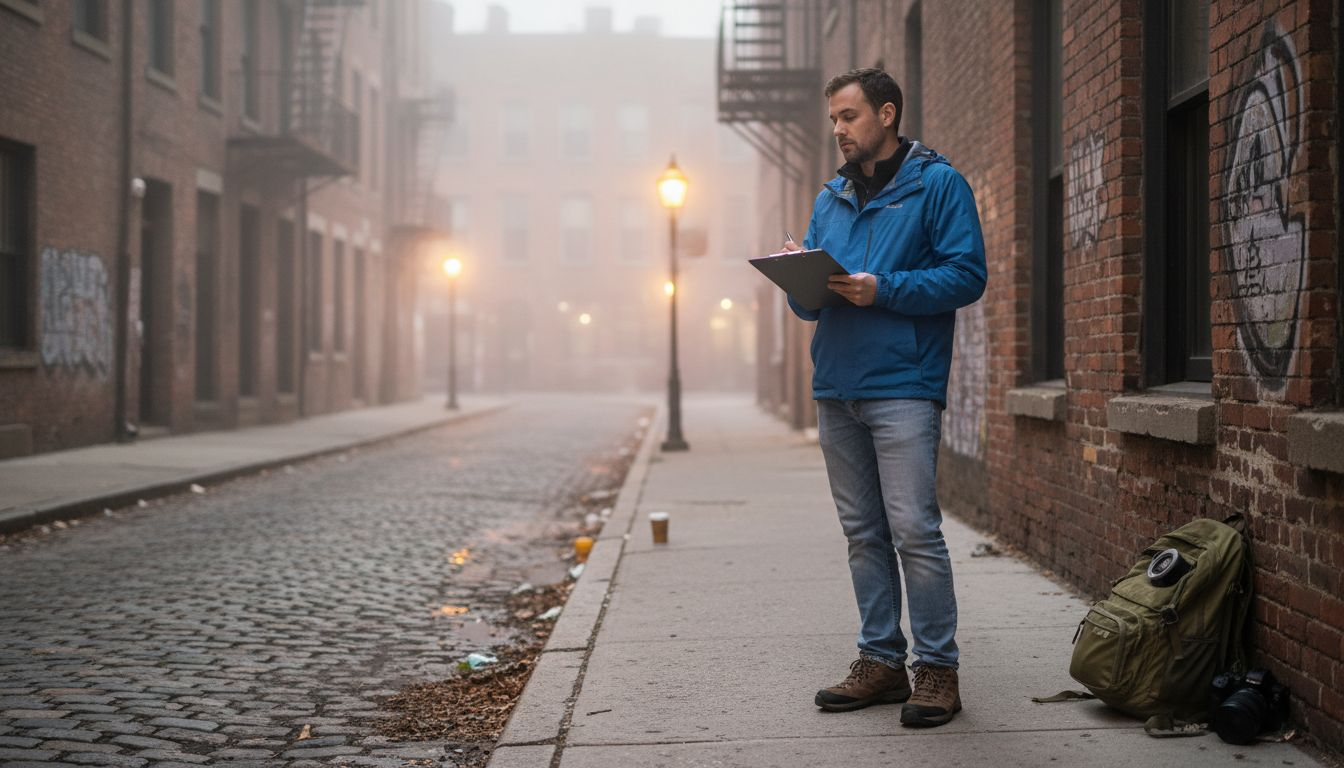
Every aspiring location scout faces the challenge of turning a director’s vision into reality on the streets of Switzerland. The demand for professionals who can combine creative insight with strong logistical problem-solving makes this field both competitive and rewarding. Focusing on practical strategies and essential skills, you will learn how to break into Switzerland’s vibrant film production community and position yourself as a confident, reliable resource for any shoot.
Table of Contents
Quick Summary
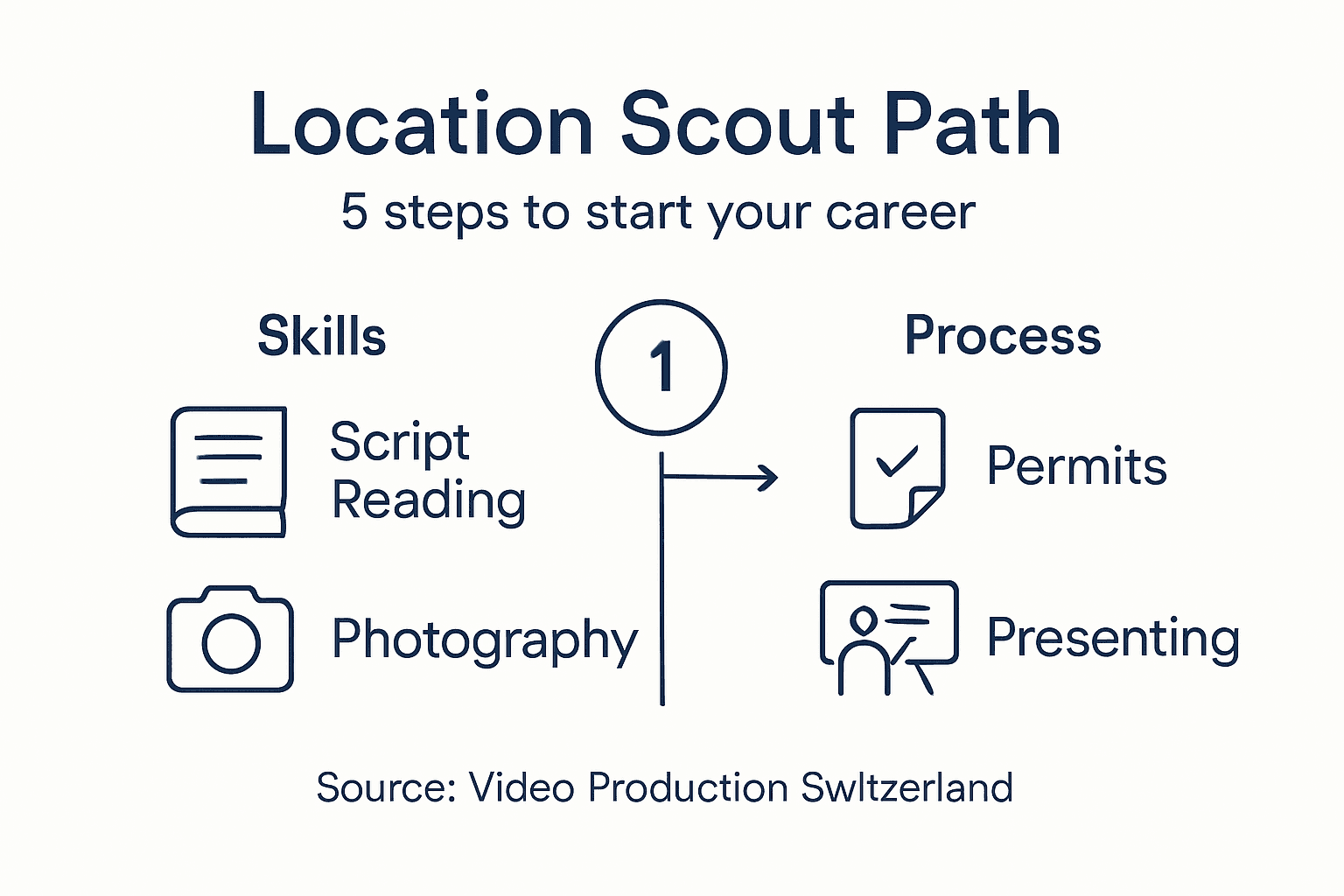
Key Point | Explanation |
1. Master Script Analysis | Learn to breakdown scripts to visualize locations that fit the director’s vision. |
2. Develop Strong Networking Skills | Build relationships with local filmmakers and authorities for better access to locations. |
3. Conduct Thorough Research | Analyze production needs and document potential sites with detailed reports. |
4. Ensure Legal Compliance | Understand and secure the necessary permits to avoid production delays. |
5. Verify Locations Before Presentation | Create comprehensive location reports, presenting strengths and challenges to clients. |
Step 1: Build Essential Location Scouting Skills
Location scouting is an art of finding the perfect visual backdrop that brings a film’s story to life. Successful scouts develop a unique combination of creative vision, logistical problem-solving, and technical skills that transform script pages into stunning cinematic environments.
To build your location scouting skills, you’ll need to master several core competencies. First, develop a deep understanding of script analysis by learning to break down scenes and visualize potential shooting locations. Location scouts must translate written narratives into physical spaces that match a director’s creative vision. This requires keen observational skills and the ability to imagine how a space might look on camera.
Your skill development should focus on several key areas:
Photographic technique: Learn professional photography skills to document locations effectively
Local geography knowledge: Build deep understanding of regional landscapes and urban environments
Permit and legal navigation: Understand local filming regulations and permission processes
Communication skills: Develop ability to negotiate with property owners and coordinate with production teams
Networking plays a critical role in becoming a successful location scout. Start by connecting with local film production crews, joining industry associations, and seeking entry-level positions as production assistants. These roles provide invaluable exposure to the filmmaking ecosystem and help you build professional relationships.
Here’s a summary of core skill areas and their impact for location scouts:
Skill Area | Description | Impact on Scouting |
Script Interpretation | Breaking down narrative and visual requirements | Accurate site selection |
Photography Techniques | Capturing high-quality location images | Effective client review |
Regulation Knowledge | Understanding filming permits and legalities | Smooth production flow |
Communication Ability | Coordinating with owners and production teams | Access and negotiation |
Pro tip: Create a digital portfolio showcasing your location research and scouting abilities, highlighting your most interesting and versatile location discoveries.
Step 2: Research Film Production Requirements
Successful location scouting requires thorough research and understanding of complex film production requirements. Your goal is to find locations that not only match the script’s vision but also meet the practical needs of a professional film production.
Film production requirements demand meticulous technical and creative evaluations that go far beyond simple visual aesthetics. These evaluations encompass multiple critical dimensions:
Story alignment: Confirm location matches script’s time period and narrative setting
Technical infrastructure: Assess power availability, parking, and accessibility
Sound considerations: Evaluate acoustic environment and potential noise interference
Safety factors: Identify potential hazards and environmental challenges
Legal compliance: Verify necessary permits and commercial usage rights
To research effectively, you’ll need to develop a systematic approach. Start by thoroughly reading the script and discussing the director’s vision in detail. Take comprehensive notes about the scene requirements, potential visual elements, and specific environmental characteristics needed for each location.

Document everything meticulously. Create detailed location reports that include photographs, site measurements, power source locations, potential shooting angles, and logistical challenges. Your research should provide a comprehensive overview that helps the production team make informed decisions.
Pro tip: Always carry a professional camera, measuring tape, and notebook to capture precise location details during your initial scouting expeditions.
Step 3: Develop a Local Network and Resources
Building a robust local network is the lifeblood of successful location scouting. Your connections will open doors, solve challenges, and provide insider access to unique filming locations that can transform a good production into an extraordinary one.
Location scouts must cultivate strategic professional relationships across multiple industry sectors. These connections are not just about finding locations but creating a comprehensive support system that facilitates smooth production experiences. Your network should include:
Local authorities: City planning departments and permit offices
Property managers: Residential and commercial real estate contacts
Film commissions: Regional production support organizations
Production professionals: Directors, designers, and location managers
Community leaders: Neighborhood associations and local business groups
Start by documenting potential locations during your everyday travels. Take high-quality photographs, record precise location details, and create a digital archive using tools like Google Drive and custom mapping applications. Develop a systematic approach to cataloging your discoveries, including details about accessibility, ownership, and potential filming challenges.
Engaging with local film communities and attending industry events will accelerate your network development. Attend workshops, join online forums, and participate in local production meetups. Each interaction is an opportunity to learn, share experiences, and build relationships that could lead to future scouting opportunities.
Pro tip: Create a comprehensive digital portfolio showcasing your location discoveries, making it easy for potential clients to visualize your scouting capabilities.
Step 4: Scout Locations and Secure Permits
Location scouting is a critical phase that transforms script pages into tangible visual landscapes. Your mission is to find perfect locations that not only match the creative vision but also meet the complex technical and legal requirements of film production.
Location scouting requires a structured approach to identifying and securing filming sites with meticulous attention to multiple critical factors. Your scouting process should systematically evaluate each potential location through a comprehensive lens:
Aesthetic evaluation: Match location to script’s visual requirements
Technical infrastructure: Assess power sources, parking, and accessibility
Sound considerations: Check acoustic environment and potential noise interference
Legal compliance: Verify property ownership and necessary filming permits
Safety assessment: Identify potential production hazards and logistical challenges
When securing permits, develop a strategic approach that involves early communication and thorough documentation. Contact local authorities well in advance, prepare detailed location plans, and be prepared to negotiate usage terms. Create comprehensive location reports that include site photographs, precise measurements, and potential filming configurations to demonstrate your professionalism.
Develop backup location options for each primary site to mitigate potential last-minute challenges. Maintain flexibility and always have alternative solutions ready. Build relationships with local property managers, city officials, and community leaders who can facilitate smoother permit acquisition and location access.
Pro tip: Invest in a digital location management system that allows you to catalog, track, and quickly retrieve detailed information about potential filming sites.
Step 5: Verify Suitability and Present to Clients
Location verification is the critical bridge between discovering potential sites and securing final production approval. Your goal is to transform initial scouting findings into a compelling presentation that demonstrates each location’s potential and challenges.
Location scouting demands comprehensive verification and strategic client communication to ensure every site meets both creative and technical requirements. Your verification process should encompass multiple dimensions:
Visual authenticity: Match location to script’s narrative and aesthetic vision
Technical feasibility: Assess infrastructure, power, and production logistics
Budget alignment: Evaluate cost implications and potential modification expenses
Regulatory compliance: Confirm permit requirements and legal restrictions
Creative potential: Analyze shooting angles and potential scene configurations
Create comprehensive location reports that go beyond simple photographs. Include detailed site maps, panoramic videos, lighting condition analyses, and potential camera positioning recommendations. Anticipate and document potential challenges, demonstrating your proactive problem-solving approach to production teams.
When presenting to clients, focus on clear, transparent communication. Walk them through each location’s strengths and limitations, providing context about how the space supports the storytelling. Be prepared to discuss alternative options and demonstrate flexibility in meeting the production’s evolving needs.
Compare how each stage of the location scouting process supports film production:
Stage | Key Focus | Benefit to Production |
Research | Technical and creative needs | Ensures operational feasibility |
Networking | Building local relationships | Unlocks exclusive locations |
Scouting & Permits | Legal and safety checks | Reduces risk and delays |
Verification | Suitability and reporting | Enhances decision-making |
Pro tip: Develop a standardized location assessment template that allows quick, consistent evaluation across multiple potential filming sites.
Master Location Scouting with Trusted Local Support in Switzerland
Becoming a successful location scout demands deep knowledge of permits, local networks, and flawless logistical coordination. This article highlights key challenges like navigating legal requirements, building strong relationships, and managing complex production needs. If you want to elevate your scouting with expert local guidance that solves these pain points, turn to professionals who make the difference.
At Video Production Switzerland, we specialize in handling permits, connecting you with trusted local crew, and streamlining logistics so your location scouting and film shoots go smoothly every time. Experience over 20 years of Swiss market expertise and enjoy peace of mind knowing your production needs are handled by a dedicated partner.
Discover how we can simplify your next project today. Visit our professional video production support page and start with a free consultation. Let us help turn your perfect location vision into reality without the stress of permits or coordination challenges.
Frequently Asked Questions
What skills do I need to become a location scout for film shoots?
To become a location scout, you need skills in script analysis, photography, knowledge of local geography, and an understanding of filming regulations. Start by taking classes in photography and get familiar with local landscapes to enhance your scouting abilities.
How can I gain experience as a location scout?
Gaining experience involves networking within the film community and seeking entry-level positions, such as production assistant roles. Aim to join local film production crews and volunteer for projects to build your resume and professional relationships.
How do I research and evaluate potential filming locations?
To evaluate potential locations, analyze the script requirements and assess technical aspects like power availability and parking. Prepare detailed location reports that include photographs and necessary measurements to aid in the decision-making process for production teams.
What steps should I follow to secure filming permits?
Begin by contacting local authorities early to understand the permitting process. Prepare comprehensive location plans and documentation, and be ready to discuss usage terms with property owners to ensure a smooth permitting experience.
How do I verify the suitability of a location before presenting it to clients?
Verify a location by assessing its visual authenticity, technical feasibility, and compliance with budget and legal requirements. Create a location report with detailed maps, lighting analyses, and potential challenges to provide clients with a complete overview of the site.
Recommended
