
Good Time Management: Streamlining Film Shoots

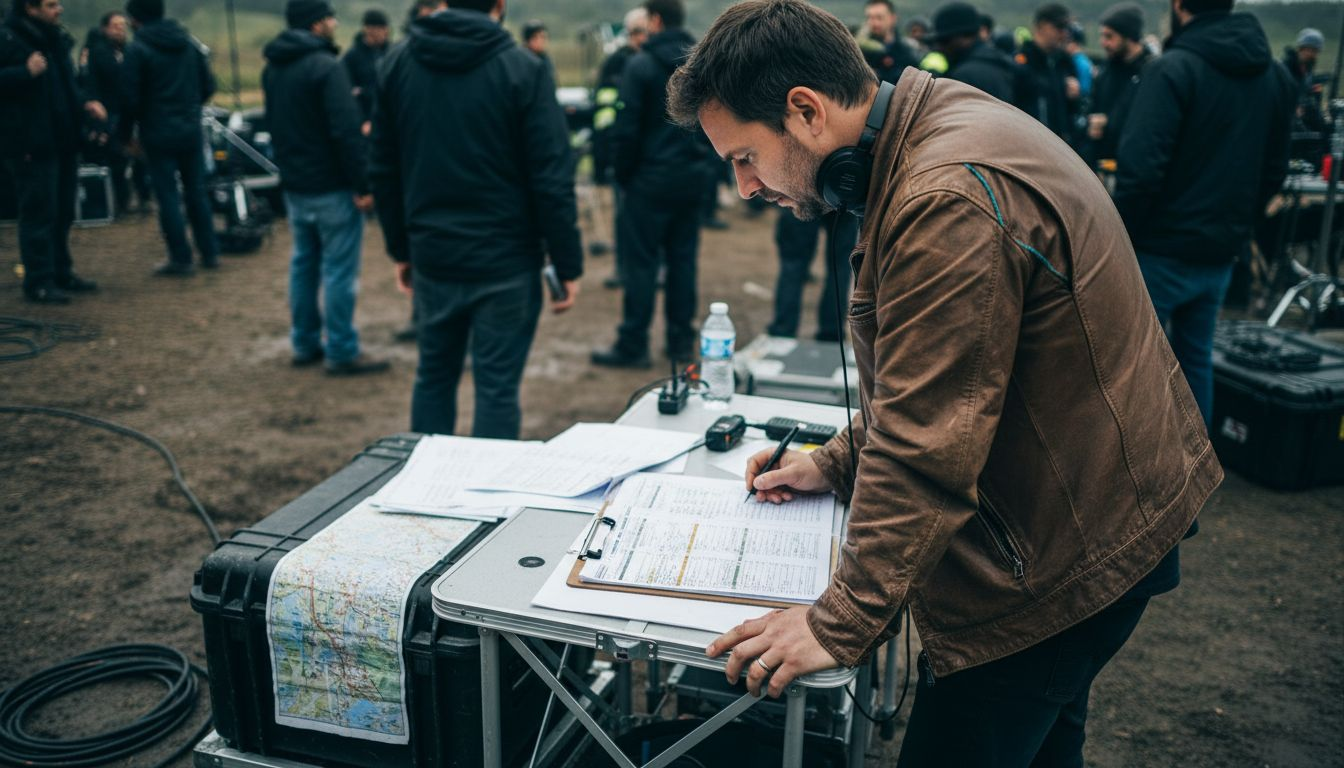
Managing a video shoot in Switzerland can quickly become overwhelming when tight deadlines and shifting priorities collide. Every production phase demands careful planning and real-time adaptation, making effective time management an absolute necessity for international filmmakers. With high expectations for quality and efficiency, finding dependable support is crucial. Discover how reliable logistical partners and modern digital tools can transform complex schedules into coordinated, creative success and enhance your team’s project momentum.
Table of Contents
Key Takeaways
Point | Details |
Effective Time Management is Essential | Producers must strategically plan and allocate time across all production phases to ensure project success. |
Utilize Technological Tools | Implement digital platforms for real-time tracking and communication to enhance workflow and team coordination. |
Prioritize Team Communication | Clear communication and role definitions among team members are vital for maintaining production momentum and addressing challenges. |
Anticipate Risks | Proactive time management helps mitigate budget overruns and delays, preserving creative integrity and overall project quality. |
Defining Good Time Management in Film Production
Time management in film production represents a critical framework for transforming creative vision into successful, efficient projects. Effective time management techniques enable production teams to navigate complex schedules, reduce potential bottlenecks, and maintain high-quality output under tight deadlines.
At its core, film production time management involves strategic planning, precise scheduling, and dynamic adaptation. Successful producers understand that time is a finite resource requiring meticulous allocation across multiple production stages. These stages include pre-production planning, active shooting, post-production editing, and final delivery - each demanding unique time management approaches.
Key components of robust time management in film production include:
Clear deadline setting for each project phase
Resource allocation matching skills to specific tasks
Prioritization of critical path activities
Communication protocols for rapid problem resolution
Contingency planning to address unexpected challenges
Team motivation and workflow optimization play equally significant roles in maintaining production momentum. Experienced production managers recognize that time management transcends simple scheduling - it represents a comprehensive strategy for maintaining creative and logistical momentum.
Effective time management transforms potential chaos into coordinated creative execution.
Technological tools now offer unprecedented support for time management, providing digital platforms that enable real-time tracking, collaborative scheduling, and instant communication across production teams.
Pro tip: Create a master production calendar with buffer time built into each major milestone to accommodate unexpected delays and maintain overall project flexibility.
This blog article is written by Pieter Nijssen, founder of Video Production Switzerland and an experienced video producer working across Switzerland. He delivers professional corporate and commercial video production for both international and local clients. Pieter is known for a reliable, stress-free production process and high production standards.
Key Time Management Methods and Tools
Successful film production requires mastering advanced time management strategies that transform complex projects into streamlined creative endeavors. Professional producers leverage sophisticated techniques to navigate the intricate landscape of film shoots, ensuring every minute counts and resources are strategically deployed.
Film production time management involves multiple interconnected methods and technological tools designed to optimize workflow and minimize potential delays. Key methodological approaches include:
Work breakdown structures for granular task segmentation
Critical path method to identify essential project timelines
Rolling wave planning for flexible, adaptive scheduling
Resource allocation mapping to match skills with specific production phases
Digital tracking systems for real-time project monitoring
Technological solutions play a crucial role in modern time management. Digital platforms now offer unprecedented capabilities for tracking schedules, communicating across teams, and maintaining precise project momentum. These tools range from comprehensive project management software to specialized film production scheduling applications that provide minute-by-minute coordination.
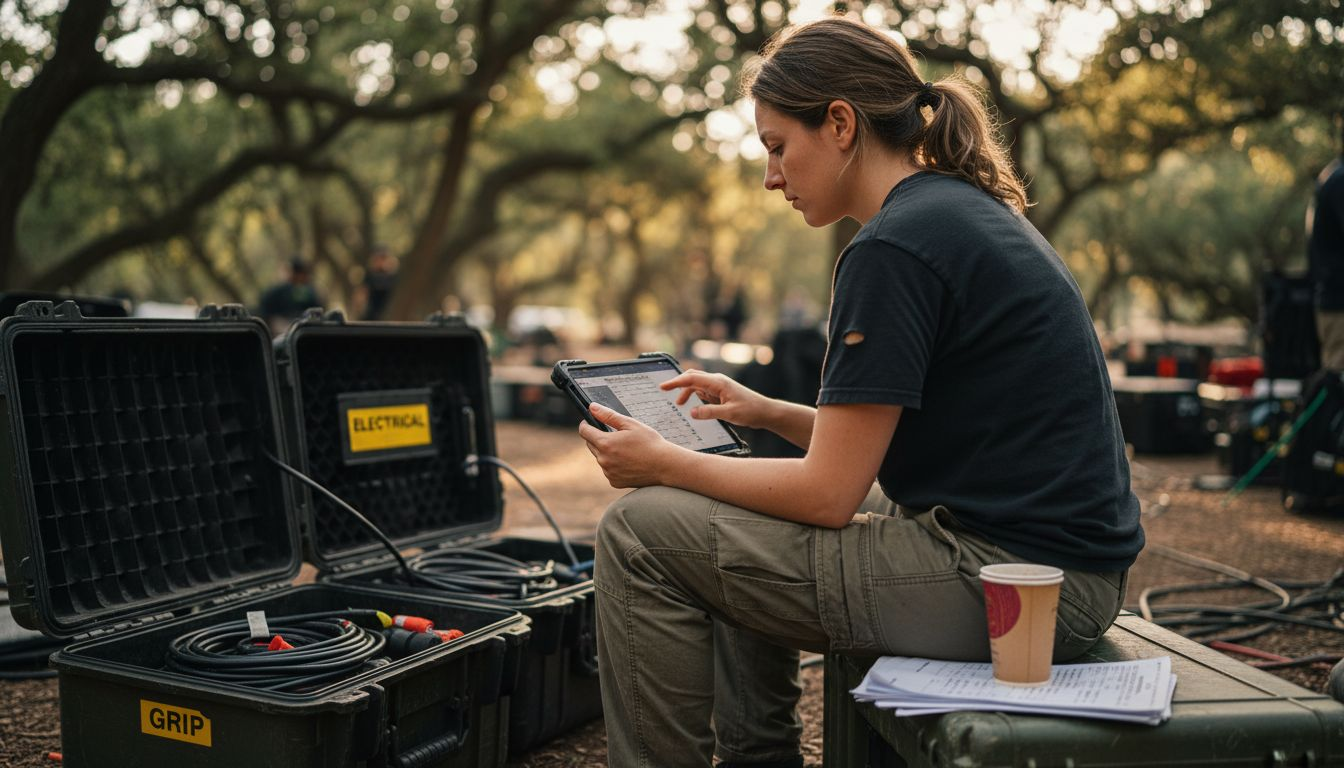
Here’s how common time management methods compare in film production:
Method | Key Benefit | When to Use |
Work Breakdown | Task clarity and focus | Early project planning |
Critical Path | Timeline optimization | Scheduling vital sequences |
Rolling Wave Planning | Adapting to new information | Long shoots or evolving scripts |
Resource Mapping | Assigns right skills | Complex, multi-role teams |
Digital Tracking | Real-time progress updates | Daily or remote coordination |
Effective time management transforms potential production chaos into a harmonized creative process.
Producers must also recognize the human element in time management. Beyond technological tools, successful time management requires clear communication, strategic delegation, and maintaining team motivation. Understanding individual team member strengths and potential bottlenecks allows for more intelligent resource distribution and smoother overall production workflows.
Pro tip: Implement a daily 15-minute production huddle to realign team priorities, quickly address emerging challenges, and maintain collective momentum.
This blog article is written by Pieter Nijssen, founder of Video Production Switzerland and an experienced video producer working across Switzerland. He delivers professional corporate and commercial video production for both international and local clients. Pieter is known for a reliable, stress-free production process and high production standards.
Scheduling, Prioritization, and Team Coordination
In film production, effective scheduling and team coordination represent the backbone of successful projects. Daily coordination techniques transform potential chaos into synchronized creative execution, ensuring every team member understands their role and contributes optimally.
Prioritization becomes critical in managing complex film production workflows. Producers must strategically allocate resources, identifying high-impact tasks that drive project momentum. The key lies in understanding the nuanced hierarchy of project requirements and creating a flexible yet structured approach to task management.
Critical elements of effective scheduling and team coordination include:
Transparent communication channels
Clear role definitions
Systematic task breakdown
Flexible scheduling mechanisms
Regular progress tracking
Adaptive problem-solving protocols
Team dynamics play a fundamental role in successful coordination. Each production team represents a complex ecosystem where individual skills, communication styles, and professional relationships intersect. Successful producers understand that technical scheduling tools are only as effective as the human relationships supporting them.
Effective coordination transforms individual talents into collective creative power.
Modern film productions leverage sophisticated digital platforms to enhance team synchronization. These technological solutions provide real-time tracking, instant communication, and collaborative planning tools that bridge geographical and logistical challenges, enabling seamless workflow management across diverse production environments.
Pro tip: Implement a digital shared workspace where all team members can access updated schedules, task assignments, and communication logs in real-time.
This blog article is written by Pieter Nijssen, founder of Video Production Switzerland and an experienced video producer working across Switzerland. He delivers professional corporate and commercial video production for both international and local clients. Pieter is known for a reliable, stress-free production process and high production standards.
Risks of Poor Time Management on Set
Film production operates on razor-thin margins where schedule disruptions can devastate entire projects. Even minor time management failures can trigger cascading consequences that compromise creative vision, financial stability, and team morale.
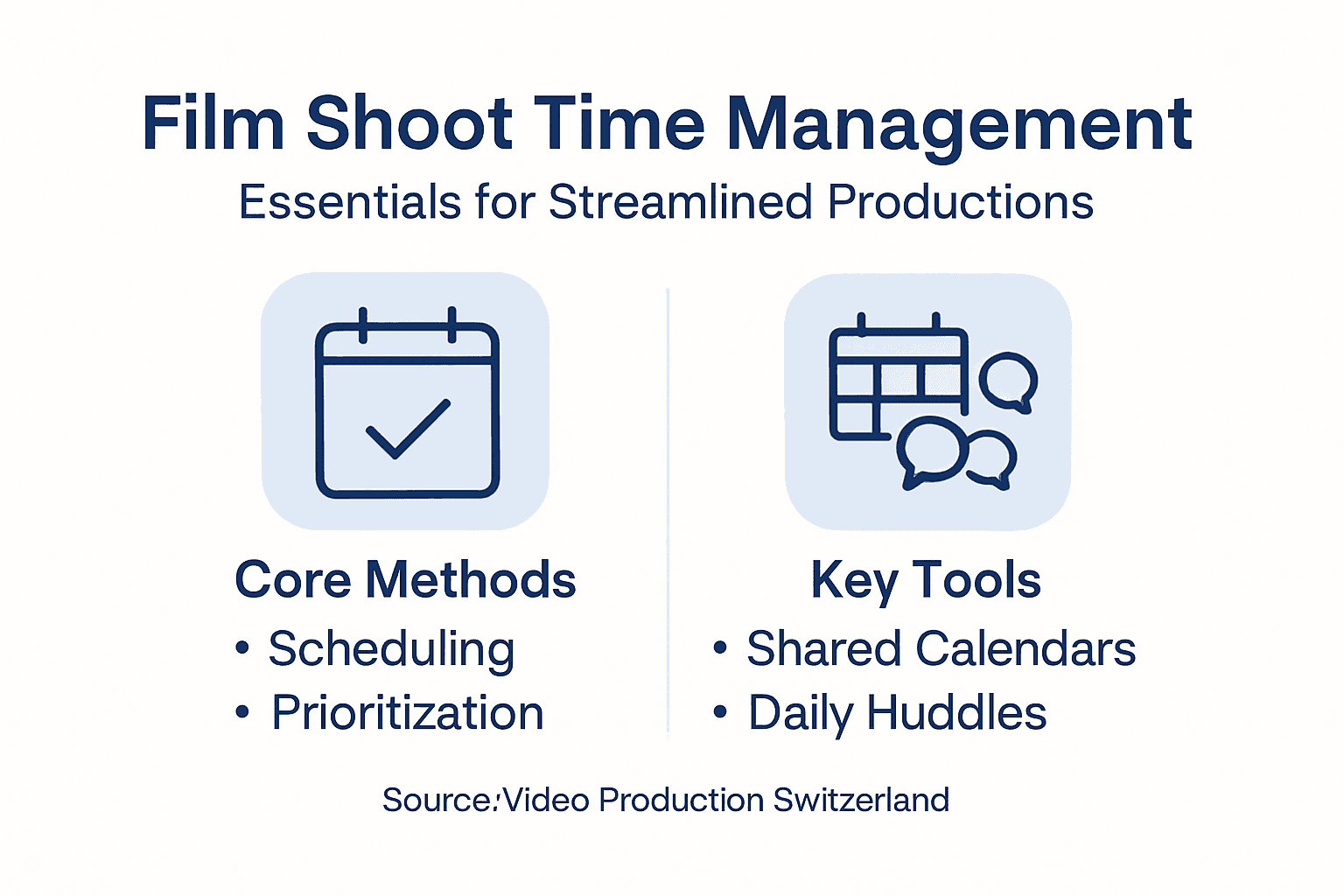
The potential risks of poor time management extend far beyond simple scheduling inconveniences. They represent fundamental threats to production quality, professional reputation, and overall project success. Unmanaged timelines can transform promising creative endeavors into logistical nightmares, burning through budgets and exhausting team resources.
Key risks of inadequate time management include:
Exponential budget overruns
Talent retention challenges
Creative vision dilution
Equipment rental cost increases
Crew overtime expenses
Potential legal contract penalties
Reputation damage with future clients
Systematic breakdown occurs when time management fails. Small delays compound quickly, creating a domino effect that disrupts carefully planned shooting schedules. Crew members become frustrated, equipment rental costs surge, and the entire production momentum grinds to an expensive halt.
Here’s a summary of major risks from poor time management and their impacts:
Risk | Consequence | Example Outcome |
Budget overruns | Financial strain | Unplanned shooting days |
Creative vision dilution | Reduced film quality | Rushed scenes |
Crew overtime | Lower morale, higher costs | Burnout and turnover |
Missed legal deadlines | Contract penalties | Lost future contracts |
Poor time management transforms creative potential into organizational chaos.
Professional productions recognize that time is the most precious resource. Each unproductive minute represents not just lost time, but lost opportunity - potential creative moments that can never be recaptured. Successful producers understand that rigorous planning and adaptive scheduling are not luxuries, but essential survival strategies in a complex production environment.
Pro tip: Build a 10-15% time buffer into your production schedule to accommodate unexpected challenges without compromising overall project timelines.
This blog article is written by Pieter Nijssen, founder of Video Production Switzerland and an experienced video producer working across Switzerland. He delivers professional corporate and commercial video production for both international and local clients. Pieter is known for a reliable, stress-free production process and high production standards.
Best Practices for International Productions
International film productions demand extraordinary levels of coordination, with global best practices serving as critical navigation tools. Successful global shoots require sophisticated strategies that transcend traditional production approaches, integrating complex cultural, legal, and logistical considerations.
Navigating the intricate landscape of international filmmaking requires comprehensive preparation and adaptable methodologies. Productions must anticipate and address potential challenges across diverse geographical and regulatory environments, ensuring smooth execution while respecting local nuances and professional standards.
Key best practices for international film productions include:
Thorough pre-production research
Local regulatory compliance
Cultural sensitivity training
Flexible communication protocols
Comprehensive permit acquisition
Multilingual production documentation
Adaptable production insurance strategies
Risk management becomes paramount in international contexts. Each geographic location introduces unique challenges - from permitting complexities to equipment importation regulations. Professional productions develop robust contingency plans that anticipate potential disruptions while maintaining creative momentum.
International film production demands precision, cultural intelligence, and strategic adaptability.
Technological platforms now enable unprecedented levels of global coordination. Digital collaboration tools, real-time translation services, and cloud-based project management systems help productions maintain seamless communication across international teams, breaking down traditional geographical barriers.
Pro tip: Develop a comprehensive international production playbook that includes local contact networks, regulatory checklists, and cultural communication guidelines for each shooting location.
This blog article is written by Pieter Nijssen, founder of Video Production Switzerland and an experienced video producer working across Switzerland. He delivers professional corporate and commercial video production for both international and local clients. Pieter is known for a reliable, stress-free production process and high production standards.
Streamline Your Film Shoot with Expert Time Management Support
Time management challenges like scheduling complexities, coordinating local crews, and handling permits can quickly derail even the most promising film productions. This article highlights how clear scheduling, adaptive planning, and seamless team coordination are essential to avoid costly delays and maintain creative momentum. If you want to ensure your Swiss film shoot runs smoothly and finishes on time, expert logistical support is critical.
Discover how partnering with Video Production Switzerland takes the stress out of time management by providing a trusted local team that handles permits, equipment sourcing, location scouting, and transportation. With over 20 years of experience managing international productions, they deliver reliable coordination that keeps your project on track. Visit Video Production Switzerland today to schedule your free consultation and experience a production process designed for punctuality and peace of mind.
Frequently Asked Questions
What are the key components of good time management in film production?
Effective time management in film production includes clear deadline setting, resource allocation, prioritization of critical path activities, communication protocols, and contingency planning.
How can technology help streamline time management during film shoots?
Technological tools such as digital platforms for real-time tracking, collaborative scheduling, and instant communication significantly enhance time management in film production, ensuring smooth coordination and workflow.
What are some common methods for improving scheduling in film production?
Common methods include work breakdown structures for task segmentation, critical path method for identifying essential timelines, rolling wave planning for adaptability, and digital tracking systems for real-time monitoring.
What risks are associated with poor time management on set?
Poor time management can lead to budget overruns, creative vision dilution, crew overtime expenses, and potential legal contract penalties, ultimately jeopardizing the project’s overall success.
Recommended
