
International Teams: 86% Face Communication Breakdowns + Fixes

Sharing a common language guarantees smooth communication, right? Wrong. 86% of workers in international teams experience breakdowns due to cultural misunderstandings, even when speaking the same tongue. For filmmakers coordinating diverse crews during Swiss shoots, language is just one piece of a complex puzzle. This article delivers actionable strategies to overcome communication hurdles, prevent costly delays, and build cohesive international production teams that thrive across cultures.
Table of Contents
Key Takeaways
Point | Details |
Cultural Intelligence | Developing CQ reduces conflicts and improves collaboration across diverse teams. |
Swiss Norms Matter | Punctuality, formality, and consensus-based decisions shape Swiss production culture. |
Clear Roles | Explicit delegation prevents micromanagement and streamlines communication pathways. |
Tech Tools | Platforms like Asana and Slack enable effective async and real-time coordination. |
Proactive Leadership | Regular check-ins and empowered reporting keep shoots on track and under budget. |
Challenges of Communication in International Film Teams
International film productions bring together crew members from multiple countries, each with distinct communication styles, work expectations, and cultural assumptions. This diversity fuels creativity but also introduces significant coordination risks.
Common pitfalls plague multicultural teams. Language barriers create literal misunderstandings, but subtler issues emerge from indirect communication preferences, varying feedback styles, and conflicting assumptions about hierarchy. Time zone gaps compound these challenges, delaying approvals and fragmenting conversations. When 86% of international team members report cultural communication breakdowns, the stakes become clear: miscommunication directly threatens timelines and budgets.
Switzerland adds unique layers. Swiss business culture values extreme punctuality, formal address protocols, and consensus-driven decisions. The country’s multilingual environment (German, French, Italian, Romansh) means even local crew members navigate linguistic differences daily. International filmmakers unfamiliar with these norms risk offending local partners or misinterpreting silence as agreement rather than polite disagreement.
Consequences of poor communication cascade quickly. A misunderstood call time wastes crew hours and location permits. Unclear role boundaries lead to duplicated effort or missed tasks. Cultural friction erodes trust, reducing team willingness to collaborate under pressure. Budget overruns and reputation damage follow.
Successful Swiss shoots require tailored solutions addressing both universal team dynamics and local cultural specifics. Understanding team communication best practices provides the foundation, but application demands cultural intelligence and proactive leadership.
“Effective communication in international teams isn’t about eliminating differences. It’s about building systems that turn diversity into a production advantage rather than a liability.”
Cultural Intelligence and Communication Styles
Cultural intelligence (CQ) measures your ability to function effectively across cultural contexts. It comprises three dimensions: cognitive (understanding cultural differences), physical (adapting behavior), and emotional/motivational (persisting through cultural challenges). High CQ team members recognize that their communication preferences aren’t universal and adjust accordingly.
Communication styles vary dramatically across cultures. Direct communicators (common in Germany, Netherlands, USA) value explicit feedback and clear disagreement. Indirect communicators (prevalent in Japan, many Middle Eastern countries) prioritize harmony, using subtle cues and context to convey criticism. Neither approach is superior, but mismatched expectations create friction.
Developing CQ delivers concrete benefits. Teams with higher cultural intelligence handle feedback constructively, viewing different perspectives as valuable rather than threatening. Conflicts get resolved faster because members understand that disagreement styles differ from actual opposition. Cohesion strengthens as crew members feel respected and understood despite cultural differences.
You can build CQ systematically:
Invest in pre-production cultural awareness training covering team members’ backgrounds.
Cultivate genuine curiosity about why colleagues approach tasks differently.
Practice perspective-taking by asking questions rather than making assumptions.
Debrief cross-cultural interactions to identify what worked and what confused.
Celebrate cultural differences as assets, not obstacles to overcome.
For Swiss productions specifically, understanding Swiss cultural traditions for filmmakers helps international crews navigate local expectations smoothly. External resources on cross-cultural communication strategies provide additional frameworks for global teams.
Pro Tip: Schedule a two-hour CQ workshop during your first production meeting. Have team members share one communication preference and one cultural norm from their background. This simple exercise builds empathy and surfaces potential friction points before cameras roll.
Swiss Cultural Norms and Business Etiquette for Film Productions
Swiss culture deeply influences how local crews communicate and collaborate. International filmmakers who grasp these norms work more efficiently and build stronger relationships with Swiss partners.
Punctuality isn’t just valued in Switzerland; it’s non-negotiable. Arriving five minutes early demonstrates respect. Being even two minutes late without advance notice signals disorganization and disrespect. Apply this rigorously to call times, client meetings, and equipment pickups. Swiss crew members will judge your professionalism by your timekeeping before evaluating your creative vision.
Formality shapes Swiss business interactions. Use titles and surnames until explicitly invited to use first names. Written communication should be polite and structured. Small talk exists but remains brief and professional. This formality isn’t coldness; it’s a respect framework that, once navigated, enables warm working relationships.
Swiss decision-making emphasizes consensus and hierarchy simultaneously. Proposals get thoroughly discussed with input from relevant stakeholders before decisions finalize. Once agreed, execution follows the established hierarchy without debate. Rushing decisions or bypassing consultation frustrates Swiss collaborators. Patience during planning phases pays dividends during production.
Practical etiquette tips for international crews:
Confirm all agreements in writing, even verbal understandings from meetings.
Respect Swiss privacy norms by avoiding intrusive personal questions.
Understand that Swiss “maybe” often means “no” delivered politely.
Budget extra time for thorough planning discussions rather than quick pivots.
Learn basic greetings in the local language (German, French, or Italian depending on region).
Respecting these norms builds trust that smooths inevitable production challenges. Swiss crew members become eager collaborators rather than reluctant participants when they feel their cultural expectations are honored. Detailed guidance on Swiss business etiquette for filmmakers and Swiss customs for filmmakers deepens this understanding.
Leadership, Role Definition, and Proactive Communication
Clear leadership structures and explicit role definitions prevent the confusion that derails international productions. Ambiguity breeds micromanagement, duplicated work, and resentment.
Shared leadership distributes authority based on expertise rather than concentrating all decisions with one person. Your director of photography makes lighting calls. Your local line producer handles permit logistics. Your production designer controls set decisions. Explicit delegation clarifies who owns what, reducing the need for constant approval-seeking.
Regular check-ins catch small issues before they become crises. Daily 15-minute stand-ups let each department head report progress and flag obstacles. These brief touchpoints maintain alignment without consuming precious production time. Between check-ins, empower team members to make decisions within their scope and report outcomes rather than seeking permission for every choice.
Production managers thrive when given clear authority and accountability. Define their decision boundaries explicitly. Can they approve equipment rentals under a certain amount? Do they have final say on scheduling adjustments? Clarity eliminates the hesitation that causes delays and the overreach that creates conflict.
Micromanagement destroys trust and efficiency in international teams. Crew members from cultures valuing autonomy (Scandinavian countries, Netherlands) become disengaged when over-supervised. Even those from hierarchical cultures perform better when trusted within defined roles. Combat micromanagement by focusing on outcomes rather than processes. Judge success by results delivered, not methods used.
Pro Tip: Create a one-page RACI matrix (Responsible, Accountable, Consulted, Informed) for your production. Distribute it during kickoff and reference it when role confusion emerges. This simple document prevents 80% of coordination conflicts.
Key practices for managing production smoothly:
Define decision authority for each role in writing before production starts.
Schedule brief daily check-ins at consistent times respecting time zones.
Encourage team members to surface problems early without fear of blame.
Celebrate good decisions made independently to reinforce empowerment.
Reserve your intervention for truly strategic issues, not tactical execution.
Leveraging Technology and Tools for Cross-Border Collaboration
Geography and time zones challenge international film teams, but smart technology choices bridge these gaps effectively.
Shared documentation platforms become your single source of truth. When your Swiss crew wraps at 6pm Zurich time and your post-production team starts at 9am Los Angeles time, asynchronous updates prevent delays. Asana excels at project documentation, task assignments, and progress tracking without requiring simultaneous presence. Team members update status, attach files, and comment on tasks when convenient, creating a persistent record everyone accesses.
Real-time messaging fills different needs. Slack or WhatsApp enable quick questions, urgent coordination, and relationship building through informal chat. The immediacy helps during active shoot days when decisions need making fast. Balance is critical. Over-reliance on real-time tools excludes team members in different time zones and creates pressure for instant responses that damages work-life boundaries.
Tool | Best For | Limitations |
Asana | Task management, async documentation, accountability | Less effective for urgent real-time decisions |
Slack | Real-time messaging, quick questions, team culture | Creates FOMO for offline members, information gets buried |
Shared Drives | File storage, version control, large media files | Requires discipline in organization and naming |
Video Calls | Complex discussions, relationship building, feedback | Time zone coordination, meeting fatigue |
Visual communication transcends language barriers. Annotated location photos, shot lists with reference images, and diagram-based call sheets reduce misunderstandings. When explaining a complex camera move to a crew member whose English is limited, a quick sketch communicates more than paragraphs of description.
Establish communication norms explicitly:
Define response time expectations (24 hours for non-urgent, 2 hours during shoots).
Specify which channels suit which messages (urgent = phone call, updates = Asana, questions = Slack).
Respect time zones by scheduling messages or marking them as non-urgent.
Create a communication escalation path for truly urgent issues.
Combining asynchronous and synchronous tools strategically maintains momentum across time zones. Morning Los Angeles updates get read during afternoon in Zurich. Questions posted to Slack by end of Swiss day get answered during US morning, ready for European afternoon review. Resources on remote team communication tools offer additional frameworks, while film production project management guides apply these concepts to production workflows.
Common Misconceptions in International Team Communication
Three persistent myths undermine international film team performance. Recognizing and rejecting them improves outcomes immediately.
Myth: Sharing a language eliminates communication problems. English may be your team’s common tongue, but communication encompasses far more than vocabulary. Indirect versus direct feedback styles, comfort with confrontation, and hierarchical expectations all create friction even among native English speakers from different cultures. Australians communicate differently than British crew members despite the shared language. Focus on communication behaviors and cultural norms, not just linguistic ability.
Myth: Direct communication is always more efficient and should be encouraged universally. Western production environments often prize directness, but forcing this style on everyone backfires. Crew members from indirect communication cultures may view blunt feedback as disrespectful aggression rather than helpful clarity. They’ll disengage rather than participate openly. Effective teams adapt communication styles to context and individuals rather than imposing one approach.
Myth: More oversight and frequent check-ins improve communication and control. Micromanagement masquerades as thoroughness but actually damages communication. Constant supervision signals distrust, reducing team members’ willingness to share problems or take initiative. Information flow becomes performative rather than substantive, with crew members reporting what they think you want to hear instead of reality. Trust combined with clear accountability produces better communication than surveillance.
Reality requires nuance:
Invest in understanding each team member’s communication preferences rather than assuming competence equals comfort.
Match communication directness to the relationship stage and cultural comfort levels.
Build trust through delegation and support rather than control and oversight.
“The best international teams don’t eliminate cultural differences. They create psychological safety where diversity becomes a strength rather than a source of anxiety.”
Shifting your mindset from control to coordination, from uniformity to managed diversity, transforms communication from a production challenge into a competitive advantage.
Practical Applications and Case Studies in Swiss Film Production
Abstract principles become powerful when grounded in real production scenarios. Here’s how communication best practices play out in Swiss international shoots.
On-site fixers bridge communication gaps that technology can’t. A bilingual Swiss production coordinator who understands both local permitting bureaucracy and international film workflows prevents countless delays. When a canton official questions your drone permit, your fixer explains the artistic vision in local dialect while ensuring compliance. This human element makes Swiss norms accessible to international crews without requiring months of cultural immersion.
Proactive leadership prevents expensive problems. During a Zurich commercial shoot, the line producer noticed the Swiss gaffer seemed hesitant during a lighting discussion. Rather than assuming agreement, she created space for concerns. The gaffer revealed that the planned setup violated Swiss electrical safety standards, risking shutdown. Catching this early allowed redesign during lunch rather than facing on-set enforcement. The openness came from established psychological safety and the line producer’s CQ recognizing indirect disagreement signals.
Respecting Swiss punctuality norms builds credibility that smooths later challenges. An American documentary team arrived 10 minutes early to every meeting with their Swiss broadcast partner. When unexpected weather forced a schedule change requiring fast approvals, the broadcaster expedited review based on the trust built through consistent professionalism. Cultural respect created relational capital that paid dividends under pressure.
Technology enables distributed collaboration effectively. A Swiss-German co-production used Asana for shot lists, location details, and schedule updates. The German crew working four hours ahead posted overnight notes that the Swiss team reviewed during breakfast, maintaining momentum despite the time gap. Video calls handled creative discussions requiring nuance, while Asana carried the routine coordination that doesn’t benefit from synchronous conversation.
Key practices from successful Swiss international productions studied in Swiss film crew case studies:
Hire local coordinators with cultural fluency, not just language skills.
Create explicit space for indirect communicators to voice concerns.
Demonstrate respect for local norms consistently to build trust reserves.
Match communication tools to message urgency and complexity.
Debrief cross-cultural interactions to identify what worked for future replication.
Summary and Actionable Communication Best Practices
Effective communication in international film teams requires intentional systems, not just good intentions. Implement these evidence-based practices to coordinate diverse crews successfully during Swiss productions.
Develop cultural intelligence systematically. Schedule pre-production training covering team members’ cultural backgrounds. Create opportunities for crew members to share communication preferences and cultural norms. Practice perspective-taking when confusion emerges, asking questions rather than making assumptions.
Define roles and decision authority explicitly. Create written documentation clarifying who owns which decisions and outcomes. Use RACI matrices to eliminate ambiguity about responsibility and accountability. Distribute this documentation during kickoff and reference it when coordination issues arise.
Implement appropriate technology platforms. Use Asana or similar tools for asynchronous project tracking and documentation. Deploy Slack or WhatsApp for time-sensitive coordination during shoots. Establish communication norms specifying response expectations, appropriate channels for different messages, and respect for time zones.
Respect Swiss cultural and business norms. Prioritize extreme punctuality for all commitments. Use formal address and structured communication until relationships mature. Allow time for consensus-building discussions before decisions finalize. Learn basic greetings in the local language to demonstrate respect.
Practice proactive leadership with regular check-ins. Schedule brief daily stand-ups during production for each department to report progress and flag obstacles. Empower team members to make decisions within their scope without constant approval-seeking. Create psychological safety where surfacing problems early gets rewarded rather than punished.
Combat micromanagement through trust and systems. Judge team members by outcomes delivered rather than processes used. Reserve your intervention for strategic issues, not tactical execution. Celebrate good independent decisions to reinforce empowerment and initiative.
Adapt communication styles to individuals and contexts. Match directness levels to cultural comfort and relationship maturity. Create space for indirect communicators to voice concerns without forcing confrontational styles. Use visual communication to transcend language barriers when explaining complex concepts.
These practices transform cultural diversity from a coordination burden into a production advantage. International perspectives fuel creative innovation when communication systems enable collaboration rather than creating friction.
Optimize Your Swiss Film Production with Expert Support
Implementing communication best practices requires both knowledge and execution capacity. When coordinating international crews across Swiss locations, partnering with experienced local production support amplifies your effectiveness.
Full-service video production support in Switzerland handles the logistical complexity that often derails international shoots. From permits to equipment sourcing, location scouting to crew coordination, expert local partners navigate Swiss cultural and regulatory landscapes you’re still learning.
[
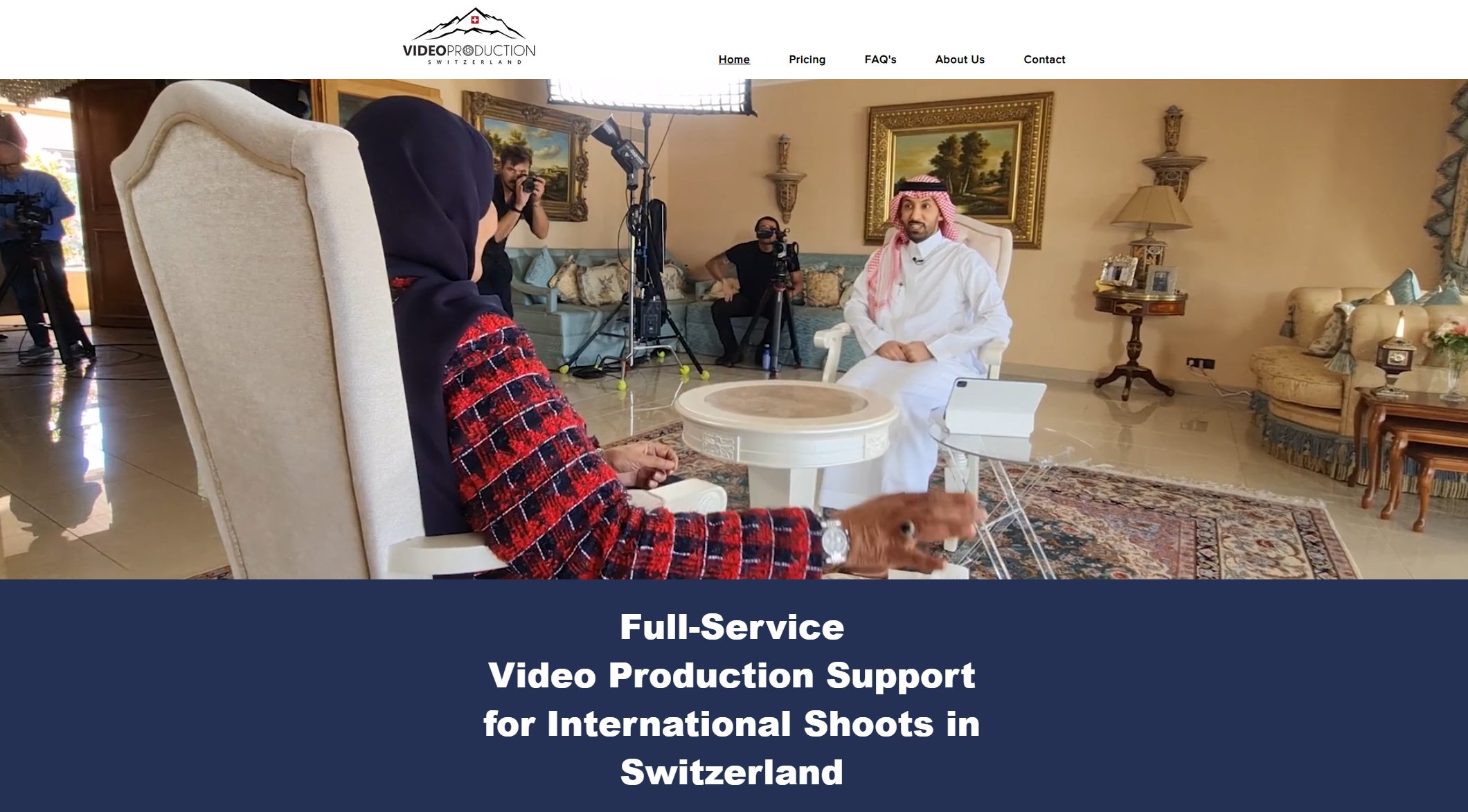
Over 20 years of Swiss production experience means understanding not just what needs doing, but how to communicate requirements across cultural and linguistic boundaries. Transparent video production pricing in Switzerland and production management for seamless shoots let you focus on creative vision while trusted local expertise handles coordination complexity. When communication systems meet local knowledge, international productions thrive.
Frequently Asked Questions
What are the best tools for managing communication across time zones in international film teams?
Asana or Monday.com excel at asynchronous project documentation, letting team members update progress and review tasks regardless of location or time zone. Slack works well for real-time messaging during overlapping hours. Establish explicit norms about response times and which channels suit urgent versus routine messages to prevent confusion and respect work-life boundaries. Detailed frameworks appear in film production project management tools guides.
How can I build cultural intelligence within my international film crew?
Start with pre-production awareness sessions where team members share communication preferences and cultural norms from their backgrounds. Encourage genuine curiosity through structured questions rather than assumptions when confusion arises. Use real examples from your production context to make cultural differences concrete and relevant. Creating psychological safety where discussing cultural friction gets rewarded rather than avoided accelerates learning. Resources on building cultural intelligence offer Swiss-specific applications.
What leadership practices reduce micromanagement on international film sets?
Define clear roles with explicit decision authority documented in writing before production begins. Empower team members to make choices within their scope and report outcomes rather than seeking approval for every action. Schedule regular but brief check-ins where department heads surface obstacles early without fear of blame. Judge success by results delivered rather than processes used, reserving your intervention for strategic issues. Frameworks for leadership and delegation on film sets provide implementation details.
Why do communication breakdowns happen even when teams speak the same language?
Language competence doesn’t eliminate cultural communication differences in directness, hierarchy comfort, or feedback styles. An American and British crew member both speaking English may still clash over appropriate levels of confrontation or formality. Cultural assumptions about punctuality, decision-making processes, and professional boundaries create friction invisible to those focused only on vocabulary. Addressing communication behaviors rather than just linguistic ability prevents these breakdowns.
How do Swiss cultural norms specifically impact film production communication?
Swiss punctuality expectations are stricter than most cultures, with even two minutes late signaling disrespect. Formality norms require using titles and surnames until invited otherwise, shaping professional communication tone. Consensus-driven decision-making means proposals need thorough stakeholder discussion before finalizing, requiring patience international crews may not expect. Respecting these norms builds trust that smooths inevitable production challenges when timelines compress.
Recommended
