
Production Manager Role: Ensuring Seamless Swiss Shoots

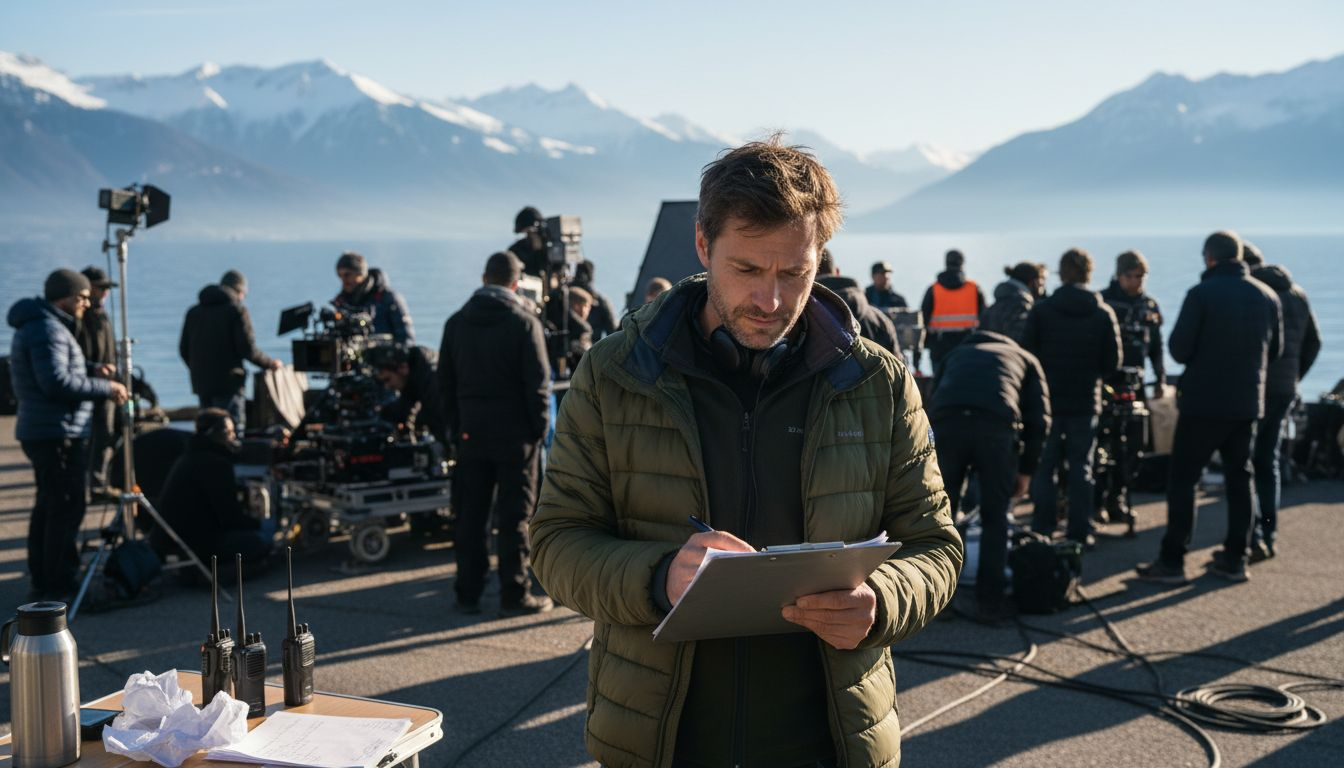
Managing a film shoot in Switzerland brings layers of complexity that go far beyond simple scheduling. International filmmakers and media executives face the challenge of uniting creative concepts with Swiss precision, all while navigating strict regulations and detailed logistical planning. Gaining clarity on production manager duties and misconceptions unlocks smoother workflows, higher quality outcomes, and truly reliable support for video productions in Switzerland.
Table of Contents
Key Takeaways
Point | Details |
Production Managers Are Essential | They play a crucial role in coordinating complex logistical elements and ensuring smooth workflows in video and film production. |
Misconceptions About the Role | Production management is not merely administrative; it requires strategic decision-making and proactive problem-solving. |
Unique Challenges in Switzerland | Swiss video production involves strict regulatory compliance and demands exceptional cultural understanding and logistical precision. |
Key Skills Required | A successful production manager needs strong communication skills, financial acumen, and a deep understanding of production technologies and legal regulations. |
Production manager duties and misconceptions
Production managers play a pivotal role in ensuring smooth operational workflows across video and film production environments. While many assume their responsibilities are straightforward, the reality involves complex logistical coordination and strategic decision-making. These professionals are responsible for much more than simple oversight—they are the critical connective tissue between creative vision and practical execution.
The core duties of a production manager extend far beyond basic supervision. According to research on industrial production management, these professionals coordinate multiple operational elements simultaneously. Their key responsibilities include:
Developing comprehensive production schedules
Managing budgetary constraints and financial resources
Coordinating team members and external vendors
Ensuring compliance with safety and quality standards
Troubleshooting operational challenges in real-time
Maintaining communication between departments
Contrary to popular misconceptions, production management is not a passive role where managers simply monitor processes. Production managers actively shape project outcomes through strategic intervention and proactive problem-solving. They must anticipate potential issues, develop contingency plans, and maintain flexibility in dynamic production environments.

Misconceptions about production management often stem from oversimplified perceptions of the role. Many people incorrectly believe that production managers are merely administrative functionaries who track timelines and allocate resources. In reality, these professionals require a sophisticated blend of technical knowledge, interpersonal skills, and strategic thinking. Production management involves complex operational coordination that demands both granular attention to detail and broad systemic understanding.
Pro tip: Successful production managers cultivate strong communication skills and maintain a holistic view of project dynamics, treating each production as a unique ecosystem requiring personalized management strategies.
This blog article is written by Pieter Nijssen, founder of Video Production Switzerland and an experienced video producer working across Switzerland. He delivers professional corporate and commercial video production for both international and local clients. Pieter is known for a reliable, stress-free production process and high production standards.
Types of production manager roles in film
Film production management encompasses a diverse range of specialized roles, each critical to the successful execution of a movie or video project. Film production management structures involve intricate hierarchies and specialized responsibilities that ensure smooth operational workflows from pre-production through final delivery.
The primary production management roles in film include:
Executive Producer: Oversees overall project financing and strategic direction
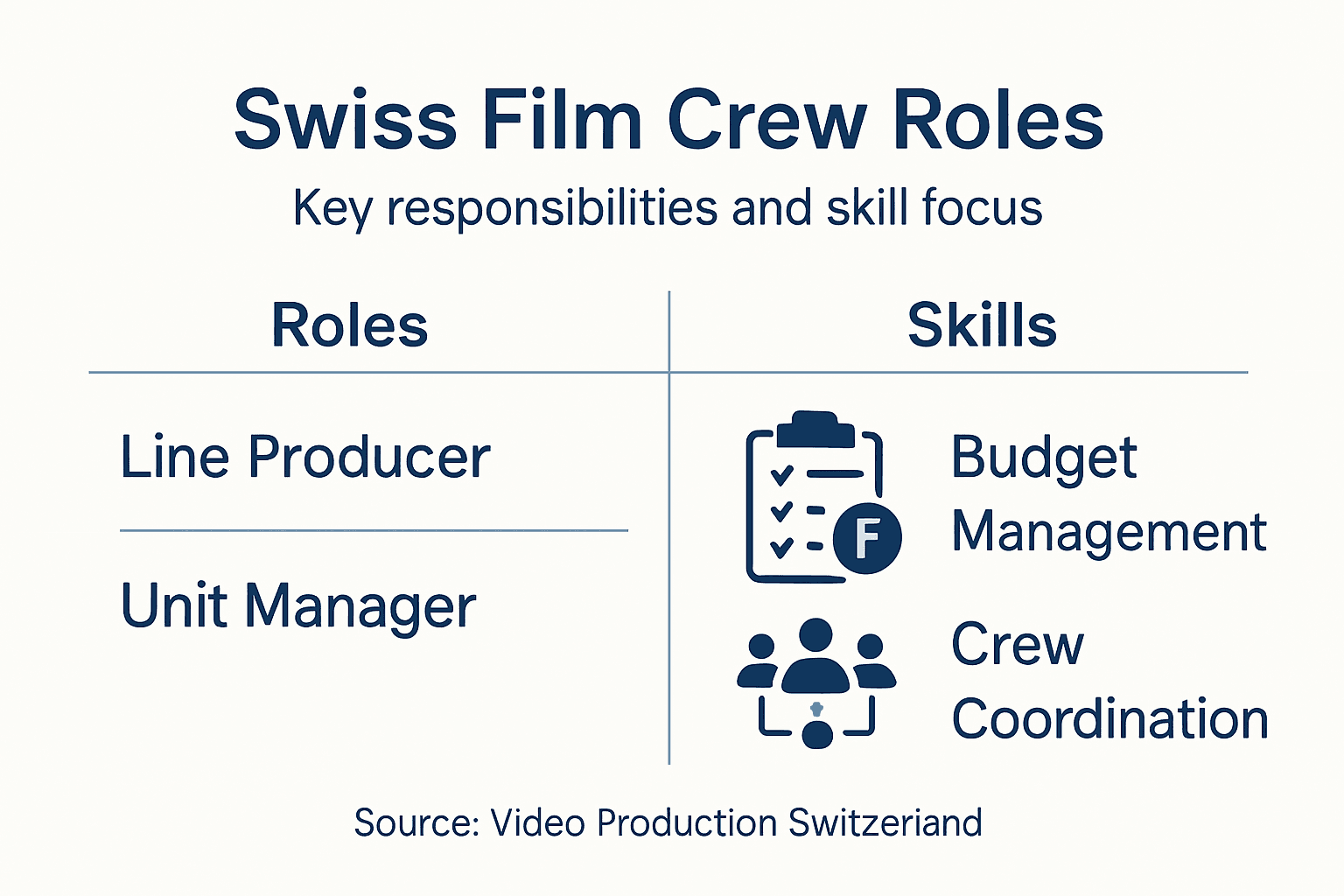
Line Producer: Manages comprehensive budget and day-to-day financial logistics
Production Manager: Coordinates physical production elements and operational resources
Production Coordinator: Handles administrative communication and logistical details
Production Secretary: Provides administrative support and maintains critical documentation
Each role requires unique skills and contributes distinctly to the production ecosystem. The line producer, for instance, acts as a financial architect, developing detailed budgets and ensuring fiscal responsibility. Production managers serve as operational conductors, translating creative vision into practical execution by managing personnel, technology, scheduling, and resource allocation.
Here’s how core production manager roles compare in film projects:
Role | Main Focus | Leadership Level | Typical Background |
Executive Producer | Project financing & vision | Highest strategic | Business and film industry |
Line Producer | Budgeting & logistics | Senior operational | Finance, production |
Production Manager | Physical production | Mid-level management | Technical production |
Production Coordinator | Administration & logistics | Operational support | Organization, communication |
Production Secretary | Documentation & support | Entry-level admin | Administration |
Film production crew roles demonstrate remarkable complexity, with each professional maintaining specialized responsibilities. Production managers typically report to line producers and work closely with production coordinators to maintain seamless communication across creative and technical departments. Their primary objective remains consistent: transforming creative concepts into tangible, high-quality visual narratives while managing practical constraints.
Pro tip: Aspiring production managers should develop a comprehensive skill set that balances financial acumen, interpersonal communication, and strategic problem-solving to navigate the complex landscape of film production.
This blog article is written by Pieter Nijssen, founder of Video Production Switzerland and an experienced video producer working across Switzerland. He delivers professional corporate and commercial video production for both international and local clients. Pieter is known for a reliable, stress-free production process and high production standards.
Key responsibilities for Swiss video shoots
Production managers orchestrating video shoots in Switzerland face unique challenges that demand exceptional precision and cultural understanding. Swiss production management guidelines emphasize meticulous planning and adherence to extraordinarily high operational standards that distinguish Swiss productions from global counterparts.
Key responsibilities for production managers in Swiss video shoots include:
Securing appropriate work permits for international crew members
Navigating complex multilingual communication environments
Ensuring strict compliance with local labor regulations
Managing detailed budgetary constraints
Coordinating logistics across multiple Swiss cantons
Maintaining rigorous safety and quality control protocols
Regulatory compliance represents a critical aspect of Swiss video production management. Work regulations for international crews require production managers to understand nuanced legal requirements, including specific work permit processes, labor law interpretations, and regional administrative protocols. These responsibilities extend beyond traditional production management, demanding deep local knowledge and administrative expertise.
Swiss video shoots demand an extraordinary level of precision and cultural sensitivity. Production managers must balance creative vision with Switzerland’s renowned operational efficiency, navigating complex logistical landscapes while maintaining the highest professional standards. This requires not just technical skills, but also exceptional interpersonal communication and a profound understanding of Swiss professional culture.
Summary of legal and operational requirements for Swiss video shoots:
Requirement | Why It Matters | Impact on Production |
Work permits | Legal compliance for crews | Avoids fines & delays |
Multilingual coordination | Communication clarity | Ensures project efficiency |
Regional regulations | Local law adherence | Prevents legal issues |
Budget management | Resource allocation | Maintains quality standards |
Safety protocols | Worker protection | Reduces injury risks |
Pro tip: Always engage local Swiss production support early in your planning process to navigate regulatory complexities and leverage regional expertise effectively.
This blog article is written by Pieter Nijssen, founder of Video Production Switzerland and an experienced video producer working across Switzerland. He delivers professional corporate and commercial video production for both international and local clients. Pieter is known for a reliable, stress-free production process and high production standards.
Required skills, qualifications, and legal aspects
Production managers in the video production landscape must possess a sophisticated blend of technical expertise, legal knowledge, and interpersonal skills. Production management qualifications typically require a comprehensive educational background combined with practical industry experience that goes far beyond traditional academic training.
Key skills and qualifications for production managers include:
Bachelor’s degree in industrial engineering, business management, or related fields
Minimum 3-5 years of practical production experience
Advanced problem-solving and leadership capabilities
Comprehensive understanding of labor regulations
Strong multilingual communication skills
Proficiency in project management software
Detailed knowledge of health and safety protocols
Technical understanding of production technologies
Legal compliance represents a critical dimension of production management in Switzerland. Swiss employment regulations demand meticulous attention to work permit processes, labor law interpretations, and strict adherence to regional administrative protocols. Production managers must navigate complex legal landscapes, ensuring every aspect of their production meets Swiss governmental standards while maintaining operational flexibility.
Beyond technical qualifications, successful production managers must cultivate a nuanced understanding of cultural dynamics. This involves not just language proficiency, but deep insights into Swiss professional etiquette, communication styles, and organizational expectations. The ability to bridge international creative teams with local regulatory requirements becomes a paramount skill that distinguishes exceptional production managers from merely competent ones.
Pro tip: Invest in continuous legal and technical training, particularly focusing on Swiss-specific regulations and emerging production technologies to maintain your competitive edge.
This blog article is written by Pieter Nijssen, founder of Video Production Switzerland and an experienced video producer working across Switzerland. He delivers professional corporate and commercial video production for both international and local clients. Pieter is known for a reliable, stress-free production process and high production standards.
Risks, challenges, and common mistakes to avoid
Video production in Switzerland presents a complex landscape of potential risks that demand strategic anticipation and proactive management. Risk identification strategies are critical for maintaining operational integrity and ensuring successful production outcomes across challenging environments.
Common risks and challenges in Swiss video production include:
Unexpected logistical disruptions
Complex multilingual communication barriers
Stringent regulatory compliance requirements
Rapid weather pattern changes
International crew coordination challenges
Tight budget constraints
Technical equipment transportation restrictions
Permit acquisition complexities
Operational vulnerability represents a significant concern for production managers. Production risk management techniques emphasize the importance of developing comprehensive contingency plans that address potential disruptions before they escalate. Successful managers must anticipate challenges, develop flexible response strategies, and maintain robust communication channels across diverse team configurations.
Mistakes to avoid in Swiss video production management are often subtle yet potentially catastrophic. Production managers frequently underestimate the complexity of local regulations, fail to properly assess environmental conditions, or overlook critical communication nuances that can derail entire projects. Understanding these potential pitfalls requires deep cultural insight, meticulous planning, and an adaptive management approach that prioritizes prevention over reaction.
Pro tip: Develop a comprehensive risk assessment checklist specific to Swiss production environments, incorporating local regulatory insights and potential logistical challenges to mitigate unforeseen complications.
This blog article is written by Pieter Nijssen, founder of Video Production Switzerland and an experienced video producer working across Switzerland. He delivers professional corporate and commercial video production for both international and local clients. Pieter is known for a reliable, stress-free production process and high production standards.
Master Seamless Swiss Video Shoots with Expert Local Production Management
Successfully managing video shoots in Switzerland means mastering complex logistics, strict regulatory requirements, and multilingual coordination. This article highlights key challenges like navigating work permits, coordinating with international crews, and maintaining detailed budgets—all vital for ensuring smooth, high-quality productions. If you want to avoid common pitfalls and deliver stress-free projects that meet Swiss standards, strategic production management is essential.
Experience the confidence of partnering with seasoned professionals at Video Production Switzerland. Our expert team offers reliable local crew sourcing, meticulous permit handling, and comprehensive logistical support tailored to Swiss shoots. Benefit from over 20 years of deep market knowledge and a client-first approach dedicated to flawless execution. Visit our main site to schedule your free consultation and start transforming your production challenges into seamless successes today.
Frequently Asked Questions
What are the main duties of a production manager in video production?
Production managers oversee comprehensive production schedules, manage budgets, coordinate team members and vendors, ensure compliance with safety standards, troubleshoot operational challenges, and maintain inter-departmental communication.
What skills are essential for a production manager in Switzerland?
Key skills for a production manager include strong problem-solving abilities, advanced communication skills, proficiency in project management software, understanding of labor regulations, and technical knowledge of production technologies.
What are the common challenges faced by production managers during video shoots?
Common challenges include unexpected logistical disruptions, complex communication barriers, stringent regulatory compliance, rapid weather changes, and tight budget constraints.
How does cultural understanding impact the role of a production manager?
Cultural understanding is crucial for production managers as it helps them navigate local etiquette, communication styles, and regulatory requirements, ensuring smooth collaboration between international teams and local authorities.
Recommended
