
7 Essential St Moritz Winter Activities for Filmmakers

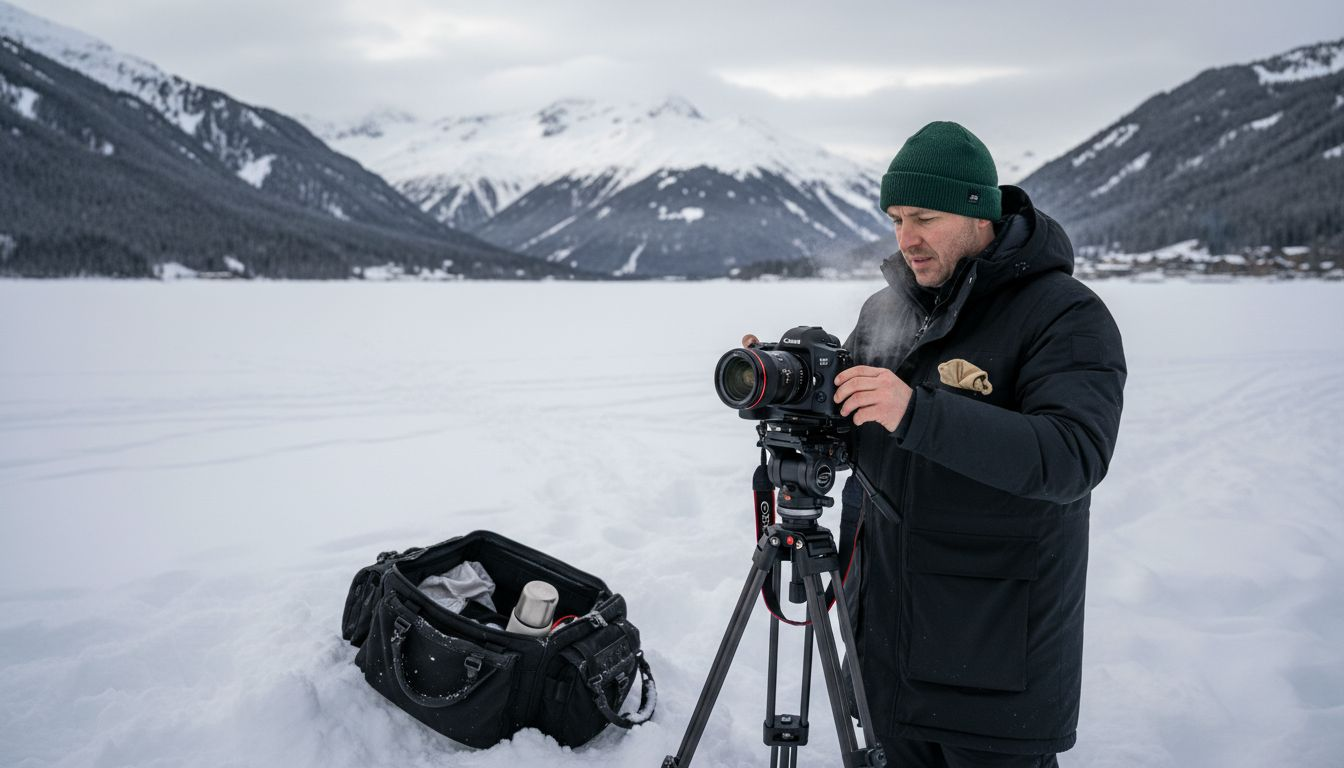
Filming in St. Moritz offers incredible opportunities but also serious challenges. From unpredictable alpine weather to strict safety protocols and the pressure of capturing world-class events, even seasoned filmmakers can feel overwhelmed. It takes more than just a beautiful backdrop to create standout winter sports footage.
The good news is that St. Moritz is home to legendary venues like Corvatsch, Corviglia, and Diavolezza, and hosts exclusive events such as Snow Polo St. Moritz and Cricket on Ice. Each location and event unlocks unique visuals and storylines for your production. If you want footage that truly stands out and captures the spirit of this iconic Swiss destination, you need the right insider strategies.
Get ready to discover specific, actionable tips that will help you handle the conditions, choose the best angles, and film the moments that define St. Moritz. These expert insights ensure your next shoot delivers both visual impact and high production value.
Table of Contents
Quick Summary
Key Message | Explanation |
1. Scout Locations Early | Visit ski slopes, frozen lakes, and hiking trails multiple times to assess light and texture conditions for optimal filming. |
2. Prioritize Safety Regulations | Always adhere to safety protocols and regulations at events like Cresta Run to ensure a smooth filming experience and protect the crew. |
3. Consider Weather Impact | Account for changing weather and light conditions in winter, adjusting shooting schedules and equipment accordingly for better results. |
4. Capture the Luxury Atmosphere | Film not only the action but also the lifestyle elements during events like snow polo to enhance the prestige of your footage. |
5. Utilize Proper Equipment | Invest in cold-resistant gear and back-up batteries to ensure your technology performs well in St. Moritz’s extreme winter conditions. |
1. Scout Iconic Ski Slopes for Dynamic Scenes
St. Moritz’s ski slopes offer filmmakers unmatched variety for capturing compelling winter action. The resort features three distinct sectors—Corviglia, Corvatsch, and Diavolezza—each with its own character and visual potential. Your choice of slope directly shapes the story you can tell on camera.
Corviglia stands out for competitive excellence. These World Cup quality pistes provide the regal backdrop of professional racing, perfect for scenes requiring technical skill or high-stakes tension. The runs here showcase polished terrain that reads beautifully on film, with varied inclines that naturally frame dynamic movement and athleticism.
Corvatsch delivers a different kind of magic. This sector hosts Switzerland’s longest floodlit night run, transforming your filming possibilities once the sun drops. Night skiing creates mood and drama that daylight simply cannot match. The high-altitude terrain at Corvatsch also means clearer skies, fewer shadows, and stunning visibility for those panoramic mountain shots filmmakers crave.
Diavolezza and Lagalb complete the picture with spectacular views and diverse terrain options. When you’re scouting these areas, pay attention to how light plays across each slope at different times of day. Morning sun creates one aesthetic, afternoon shadows create another, and golden hour transforms everything again.
The practical advantage here lies in planning. Visit slopes multiple times before your shoot. Notice where natural features like trees, ridges, or rocky outcrops can frame your subject. Understand which runs have the smoothest snow for camera movement and which slopes offer the most dramatic backdrops for wide shots. This reconnaissance work separates mediocre footage from stunning cinematography.
Pro tip: Scout your chosen slopes during the same time of day and weather conditions you plan to film, since light angles and snow texture dramatically affect visual quality and camera performance.
2. Capture Snow Polo Tournaments for Luxury Appeal
Snow polo represents the pinnacle of luxury winter sports filmmaking. This isn’t just any athletic event. Snow Polo St. Moritz has been held annually since 1985 on the frozen lake, attracting elite players and global celebrities who arrive expecting world-class production value. Your footage needs to match that elevated standard.
What makes snow polo different from regular polo is the setting and audience. The frozen lake backdrop creates dramatic visual contrast that regular grass fields cannot match. Mountains frame every shot. The players wear specialized gear adapted for ice conditions, and the entire atmosphere radiates exclusive wealth and sophistication. This combination gives your footage automatic prestige before the camera even rolls.
The event draws more than just athletes. Wealthy spectators, fashion icons, and business leaders create secondary filming opportunities beyond the match itself. VIP hospitality areas showcase gourmet cuisine and elegant social scenes. These moments between plays often capture the true luxury appeal that brands seek. You might film champagne toasts, designer fashion, and private conversations that tell the story of wealth and exclusivity more powerfully than the sport itself.
Timing matters enormously for snow polo coverage. Players move across the frozen lake at high speed, requiring multiple camera angles simultaneously. The light on ice changes rapidly throughout the day, affecting visibility and color grading. Scout the venue beforehand to identify the best camera positions for capturing both the intense action and the luxury backdrop. Notice where spectators congregate, where the light falls most favorably, and which angles reveal the mountain scenery most effectively.
The practical advantage comes from advance access. Contact organizers early to understand filming permits, VIP area restrictions, and camera placement limitations. Snow polo tournaments attract major media outlets, so you’ll need clear permissions and specific positioning. Building relationships with event coordinators beforehand ensures smooth operations on tournament day.
Pro tip: Plan multiple camera angles that alternate between tight action shots of players and wide landscape shots capturing the frozen lake, mountains, and luxury spectators, as this combination conveys both sporting intensity and exclusive appeal to viewers.
3. Film Ice Cricket Events for Unique Action Shots
Ice cricket represents one of the most visually distinctive sporting events you can film. This isn’t traditional cricket relocated to an unusual venue. The sport fundamentally changes when played on frozen ice, creating unpredictable ball behavior, different player movement patterns, and dramatic environmental challenges that traditional cricket simply cannot offer.
Cricket on Ice brings international and local cricket legends together for fast paced matches on the frozen Lake St. Moritz. The combination of elite athletes competing against an extraordinary winter backdrop gives your footage automatic visual power. Players slip and slide across ice in ways grass would never allow, creating genuine moments of athletic vulnerability mixed with skilled execution. These authentic reactions make compelling cinema.
The Swiss Alps provide an unbeatable natural frame for every shot. Unlike cricket fields surrounded by flat terrain, your wide shots capture majestic mountains, snow covered peaks, and the frozen lake stretching behind players. This environmental drama elevates action sequences from typical sports footage into something cinematic. The contrast between the sport’s intensity and the serene alpine landscape creates visual tension that viewers find captivating.
Lighting conditions on ice demand special attention. The reflective ice surface bounces light unpredictably, creating both opportunities and challenges. On clear days, you get brilliant natural light with minimal shadows. On overcast days, the entire lake becomes a soft diffusion panel. Scout the location during different weather conditions to understand how light behaves on the frozen surface. This knowledge directly impacts your camera settings, sensor performance, and color grading.
Crowd energy adds another layer to your footage. The tournament draws enthusiastic fan support combined with luxury hospitality. You’ll capture excited spectators, vendor activity, and the social atmosphere surrounding the matches. These background elements create context and authenticity that pure action footage cannot provide alone.
Pro tip: Bring backup batteries and weatherproofed gear since cold temperatures drain power rapidly and ice spray from players can damage equipment; test all your technology before arriving at the frozen lake.
4. Showcase Winter Hiking with Expert Location Tips
Winter hiking opens up a completely different visual palette than skiing or competitive sports. The quiet, contemplative pace of hikers moving through snowy landscapes creates authentic storytelling opportunities that action sports simply cannot match. Your camera captures genuine human connection with nature, exhaustion, achievement, and tranquility all in one frame.
St. Moritz offers approximately 150 kilometers of well maintained winter hiking and snowshoeing trails. This abundance gives you flexibility in choosing locations that match your creative vision. Some trails wind through dense forests, creating intimate framing with overhanging branches and dappled light. Others open onto panoramic vistas where hikers appear small against massive mountain backdrops. The variety means you can shoot completely different visual stories without leaving the region.
Notable routes like the Marguns Chantarella trail provide panoramic views perfect for establishing shots and wide sequences. The lakeside path around Lake St. Moritz delivers frozen water surfaces that reflect sky and mountains, creating mirror like compositions. These specific locations have proven cinematic value that other locations may lack.
Timing your shoot around different light conditions transforms the same trail into multiple distinct visual experiences. Early morning mist creates atmospheric mystery. Midday sun reveals sharp details and vibrant colors. Late afternoon golden hour bathes everything in warm tones. Scout your chosen route multiple times at different times of day before your actual shoot day.
Trail conditions change rapidly during winter. Fresh snowfall transforms visual texture. Icy patches create movement challenges for hikers that cameras find compelling. Check conditions immediately before filming to ensure your actors can safely navigate the terrain and that snow quality matches your aesthetic goals.
Pro tip: Book local guides familiar with St. Moritz winter trails to ensure safe passage, prevent crew injuries on icy sections, and gain insider knowledge about lighting changes and weather patterns at specific elevations.
5. Document Cresta Run Toboggan Racing Safely
The Cresta Run demands respect. This is not casual winter recreation. Riders race head first down an icy track at speeds exceeding 140 kilometers per hour, making it one of the most intense winter sports you can film. Safety during production protects everyone involved and ensures you capture footage rather than catastrophe.
The Cresta Run established in 1884 operates as a natural ice skeleton toboggan track spanning 1.2125 kilometers. The track winds through natural terrain with banked curves and straightaways that demand precision from riders. Your camera position directly affects both the footage quality and crew safety. Wrong placement puts your team in danger and violates club regulations that could end your filming access permanently.
Understanding the track layout is your first responsibility. The run features different start points for beginners and professionals. Beginners launch from a lower point with reduced speed, while experienced racers start from the top and achieve maximum velocity. This variation gives you multiple filming opportunities at different intensity levels. Scout the entire 1.2 kilometer run to identify the best camera angles that show speed and technique without exposing crew to collision risk.
The St. Moritz Tobogganing Club manages the track and enforces strict safety protocols. Riders wear helmets and specialized protective gear that you’ll want to capture for authentic coverage. These safety measures aren’t just precautions; they’re visual storytelling elements that show the sport’s seriousness. Work directly with club officials to understand where cameras can position safely during races.
Track conditions change daily as the ice is maintained and weather shifts. Fresh ice creates different visual texture and affects rider speed and technique. Plan multiple shooting days if possible to capture variation in lighting and conditions. This approach produces richer footage and reduces pressure on any single day.
Pro tip: Never position cameras or crew on the track itself or in blind corners where riders cannot see obstacles; instead, secure elevated positions outside the racing line and communicate constantly with club officials about timing and safety zones.
6. Utilize Frozen Lake St Moritz for Stunning Visuals
Frozen Lake St. Moritz transforms into a cinematic canvas unlike anything you’ll find in most film locations. The ice surface itself becomes a character in your production, reflecting light, creating depth, and offering compositional possibilities that water simply cannot provide. This single location yields multiple distinct visual narratives depending on how you approach it.
The lake’s reflective ice creates natural mirror compositions. Golden sunlight bounces off the crystalline surface, bathing your subjects in warm, directional light that requires minimal artificial equipment. Mountains surrounding the lake frame every wide shot, providing visual context and scale. When you combine these elements, even simple actions like walking across ice become cinematically compelling. The pristine alpine environment elevates ordinary movements into something extraordinary.
Sweeping scenic views of frozen Lake St. Moritz showcase how the ice surface creates visual clarity that emphasizes the landscape’s serene beauty. The crystal-clear conditions mean your camera captures stunning detail even from great distances. Snow covered peaks become sharper and more defined when photographed across the frozen lake compared to shooting from within valleys.
Different times of day transform the lake into distinct environments. Early morning creates moody, soft light with mist rising from the ice. Midday offers bright, clear conditions perfect for establishing shots showing scale and grandeur. Late afternoon golden hour bathes everything in warm tones that enhance luxury and prestige. Plan your shoot schedule to capture multiple light qualities across different days.
Weather plays a crucial role in visual impact. Clear blue skies create one aesthetic. Overcast conditions produce different shadow patterns and color tones. Snow falling onto the lake adds dynamic texture and atmosphere. Rather than viewing weather as an obstacle, recognize it as a creative tool that shapes your footage’s mood and visual character.
Pro tip: Scout the frozen lake at sunrise, midday, and sunset on your recce visit to understand exactly how light reflects off the ice and how mountain shadows move across the surface throughout the day.
7. Coordinate Crew Logistics in Challenging Weather
St. Moritz winter conditions test every aspect of your production logistics. Cold temperatures drain battery power, freeze camera sensors, and make crew members miserable when planning fails. Your ability to coordinate logistics directly determines whether you capture footage or spend the day troubleshooting preventable problems.
Weather unpredictability demands flexible scheduling. You cannot control mountain storms or surprise snowfall, but you can plan your shoot days with buffer time built in. Schedule your most critical scenes on the first available good weather window rather than banking on perfect conditions throughout your entire production timeline. This approach protects your timeline while acknowledging winter’s reality.
Cold resistant cameras and specialized equipment become non negotiable for extended St. Moritz shoots. Standard gear struggles in extreme cold, requiring you to rent or source equipment specifically rated for alpine winter conditions. Budget extra time for equipment testing before your shoot begins. Arriving on location with untested gear in challenging weather sets up failure, not success.
Crew health directly impacts production quality and morale. Hypothermia, frostbite, and exhaustion are real risks in sustained cold conditions. Provide heated tents or shelters where crew can warm up periodically. Stock hot beverages and high calorie snacks throughout the day. Rotate crew between exposed shooting positions and warmer rest areas. Your team performs better when physically comfortable, and they’ll deliver superior work when conditions don’t drive them toward misery.
Transportation logistics become critical in winter. Snow covered roads demand vehicles capable of handling alpine terrain. Build extra travel time into your schedule because driving in winter takes longer than summer routes. Confirm roads are passable before sending crew to remote locations. One stranded van creates cascading production delays.
Communication systems must function reliably in cold. Test all radios, phones, and backup communication equipment before location shooting. Cold temperatures affect signal strength and battery performance differently than temperate conditions. Establish clear communication protocols so your entire crew understands weather protocols and evacuation procedures if conditions deteriorate unexpectedly.
Pro tip: Establish a weather decision protocol before shooting begins with specific go or no go criteria, then communicate this clearly to your entire crew so everyone understands how weather decisions are made and feels confident in safety choices.
Below is a comprehensive table summarizing the topics and strategies for filming winter scenes and events effectively in St. Moritz as discussed throughout the article.
Film Subject | Key Features | Filming Tips |
Ski Slopes | Varied terrains across Corviglia, Corvatsch, and Diavolezza | Scout slopes during planned filming hours for optimal lighting and snow conditions |
Snow Polo | Luxurious setting on a frozen lake with elite participation | Coordinate with organizers and capture secondary moments highlighting exclusivity |
Ice Cricket | Unique play on the frozen surface with a stunning alpine backdrop | Adjust for reflective ice lighting and capture dynamic gameplay angles |
Winter Hiking | Quiet landscapes with trails offering distinct settings | Schedule shoots to explore how lighting changes the ambiance at different times |
Cresta Run | High-speed, head-first toboggan racing on an icy track | Ensure safety by collaborating with track officials and securing strategic angles |
Frozen Lake St. Moritz | Reflective ice surfaces and a natural alpine frame | Plan shots at varying times of day to exploit light and weather aesthetics |
General Logistics | Cold environment challenges requiring preparation | Use weather-resistant gear, schedule flexibility, and crew wellbeing measures |
Streamline Your St Moritz Winter Filming with Expert Local Support
Filming in St Moritz offers incredible winter activities from scouting iconic ski slopes to capturing thrilling snow polo and ice cricket events. Yet the challenges of cold weather, complex permits, specialized gear, and alpine logistics can easily overwhelm even experienced crews. If you want to focus on storytelling and cinematic excellence without worrying about local hassles like safety compliance, crew coordination, or unpredictable weather, professional production support is essential.
At Video Production Switzerland, we specialize in delivering seamless winter shoots in St Moritz and across the Swiss Alps. Our expert team brings over 20 years of local market knowledge to handle permits, source trusted gear and crew, organize secure transportation, and manage accommodations. Whether you are filming intense Cresta Run toboggan racing or tranquil winter hiking scenes, we anticipate the unique demands described in “7 Essential St Moritz Winter Activities for Filmmakers” to keep your project on track and within budget.
Ready to take the stress out of your next alpine production? Visit our website now to schedule a free consultation. Discover how expert logistics, proactive planning, and local expertise empower your filming so you can focus on capturing stunning, high quality visuals in St Moritz. Don’t let winter uncertainties hold your shoot back. Let us be your trusted partner from first scouting day to final cut.
Frequently Asked Questions
What are the best slopes in St. Moritz for filming winter sports?
The best slopes for filming winter sports in St. Moritz include Corviglia, Corvatsch, and Diavolezza. Scout these areas to identify unique lighting conditions and terrain that align with your filming objectives.
How can I effectively capture the luxury appeal of snow polo events?
To effectively capture the luxury appeal of snow polo events, plan multiple camera angles that alternate between tight action shots of players and wide shots featuring the stunning frozen lake and mountain backdrop. Scout the venue beforehand to ensure optimal positioning and access to VIP hospitality areas.
What equipment should I consider for filming ice cricket on frozen lakes?
When filming ice cricket, consider using weatherproof cameras and backup batteries, as cold weather drains power quickly. Bring gear rated for low temperatures to ensure reliable performance as you capture the unique action on the ice.
How do I prepare for unpredictable weather when filming winter hiking?
Prepare for unpredictable weather by building flexibility into your shooting schedule and ensuring your crew has appropriate warm clothing and insulated space to take breaks. Scout your chosen hiking trails at different times and weather conditions to understand how light and terrain will affect your footage.
What safety precautions should I take for filming on the Cresta Run?
Ensure crew safety by understanding the Cresta Run’s layout and positioning cameras outside racing lines, especially in blind corners. Work directly with event officials to adhere to safety protocols and maintain clear communication throughout the shoot.
How can I leverage the unique visuals of Frozen Lake St. Moritz?
Leverage the unique visuals of Frozen Lake St. Moritz by planning your shoots for various times of day to capture how light interacts with the ice. Use the lake’s reflective surface to enhance your compositions, creating powerful images that highlight the stunning alpine scenery.
Recommended
