
What Is a Production Coordinator? Complete Guide

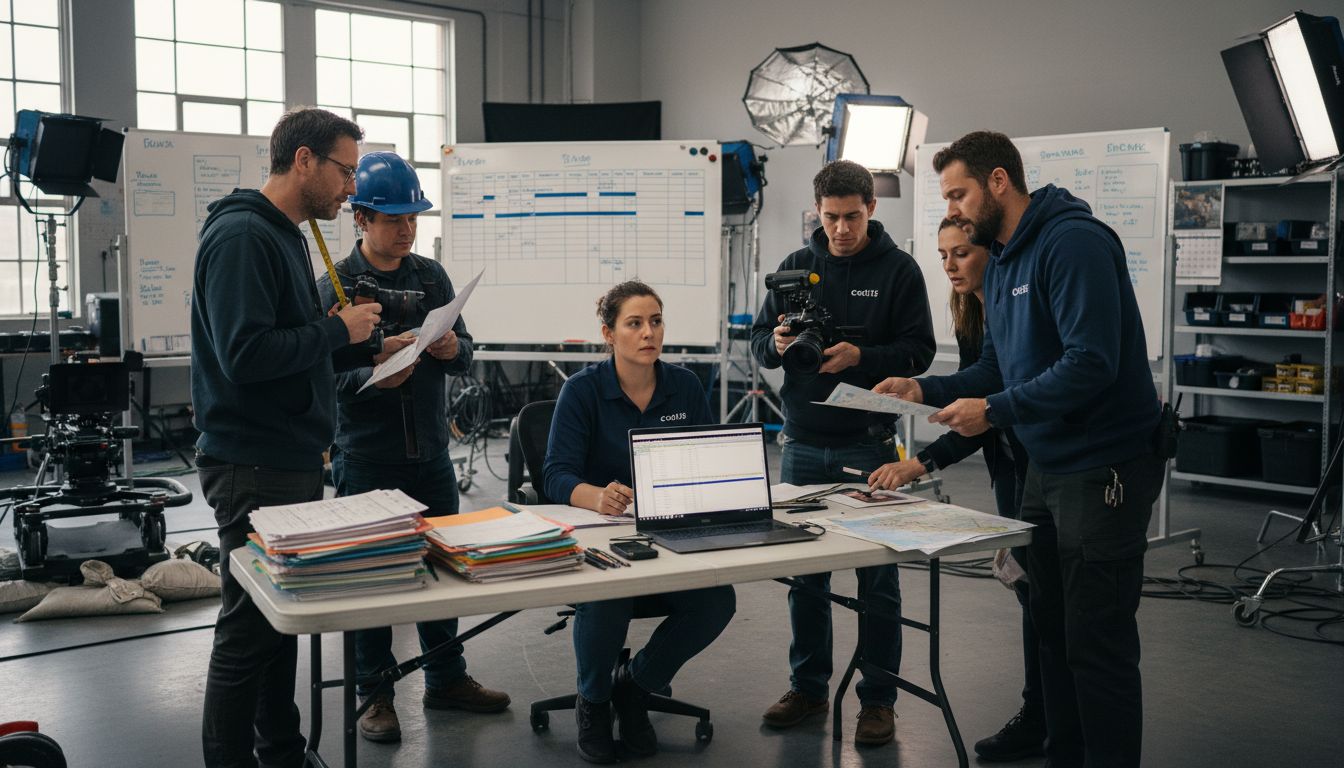
Over 70 percent of smooth-running film and television projects rely on the expertise of a production coordinator. This vital role keeps every department connected, schedules on track, and last-minute issues in check. Whether the setting is a bustling movie set or a busy factory floor, production coordinators hold the pieces together behind the scenes. Discover why their skills and problem-solving abilities are the backbone of any successful production, no matter the industry.
Table of Contents
Key Takeaways
Point | Details |
Central Role | Production coordinators are essential for managing logistics and facilitating communication among teams, ensuring smooth operation in both film and industrial contexts. |
Essential Skills | They require strong organizational, communication, and problem-solving skills, alongside technical competencies like project management software proficiency. |
Risk Management | Effective risk management strategies are crucial, focusing on clear communication and proactive issue resolution to mitigate potential production challenges. |
Impact on Success | Their role significantly contributes to operational efficiency, reducing delays, minimizing budget overruns, and ensuring high-quality project deliveries. |
Production Coordinator Role and Core Definition
A production coordinator serves as the central nervous system of a film, television, or video production, managing critical administrative and logistical operations that keep complex projects running smoothly. According to en.wikipedia.org, this professional is responsible for organizing the production office, distributing crew lists, handling scripts, and coordinating with various department representatives like transport captains while working directly with the production manager.
In industrial and manufacturing contexts, production coordinators play an equally vital role. ebsco.com describes them as professionals who oversee efficiency and productivity, ensuring that work orders are met cost-effectively and on schedule while maintaining both product quality and worker safety. This broader definition highlights the universal importance of coordination across different production environments.

The core responsibilities of a production coordinator typically include:
Managing communication between different production departments
Tracking and organizing production schedules
Maintaining detailed administrative records
Facilitating logistical arrangements for cast and crew
Coordinating equipment and resource allocation
Supporting the production manager in daily operational tasks
Production coordinators must possess exceptional organizational skills, strong communication abilities, and a remarkable talent for problem-solving. Their work requires them to be simultaneously detail-oriented and capable of seeing the broader project landscape. Often working behind the scenes, they are the unsung heroes who transform complex creative visions into executable production plans.
For those interested in understanding related roles in production management, check out our comprehensive guide on film production project management.
Essential Production Coordinator Skills and Qualifications
Successful production coordinators require a sophisticated blend of technical skills, interpersonal capabilities, and professional expertise. According to ebsco.com, these professionals typically possess strong leadership and communication skills, with a keen awareness of potential issues in workflows and team dynamics. While a bachelor’s degree in a relevant field can enhance job prospects, substantial related work experience is equally crucial.
The essential skills for a production coordinator can be categorized into several key areas:
Technical Competencies
Proficiency in project management software
Advanced scheduling and planning abilities
Budget tracking and financial management
Understanding of production workflow processes
Soft Skills
Exceptional communication and interpersonal abilities
Problem-solving and critical thinking
Stress management and adaptability
Attention to minute operational details
Professional qualifications often extend beyond academic credentials. Many production coordinators develop expertise through hands-on experience, internships, and progressive responsibilities within production environments. Employers typically seek candidates who demonstrate flexibility, technological savvy, and the ability to manage complex logistical challenges efficiently.
For professionals looking to understand how these skills translate across different production roles, our comprehensive overview of production management offers deeper insights into the broader landscape of media production careers.
Typical Duties in Video and Film Projects
In the dynamic world of film and video production, production coordinators play a critical role in maintaining organizational efficiency. According to en.wikipedia.org, these professionals are responsible for organizing the production office, writing and distributing crew lists, handing out scripts to cast and crew members, and managing interactions with transport captains while working closely with the production manager.
A typical day for a production coordinator involves multiple complex tasks across different project stages:
Here’s a summary of core production coordinator responsibilities across different project phases:
Project Phase | Key Responsibilities | Typical Tasks |
Pre-Production | Initial organization Scheduling | Arrange meetings Distribute scripts Set up crew logistics |
Production Phase | Daily coordination Logistics management | Update schedules Coordinate travel Solve real-time issues |
Post-Production | Communication Records management | Track project wrap-up Archive documents Support handover |
Pre-Production Responsibilities
Scheduling initial production meetings
Coordinating script distribution
Assisting with crew and cast logistics
Preparing initial budget tracking documents
Production Phase Duties
Managing daily communication between departments
Tracking and updating production schedules
Coordinating travel and accommodation for crew
Resolving logistical challenges in real-time
The behind-the-scenes work of a production coordinator requires exceptional multitasking abilities and a proactive approach to problem-solving. They must anticipate potential issues, maintain clear communication channels, and ensure that all production elements move forward smoothly and efficiently.
This role demands not just administrative skills, but also a comprehensive understanding of the entire production ecosystem.
To gain deeper insights into how production coordination fits into broader project management strategies, explore our guide to understanding project management in film.
Coordination Challenges and Risk Management
Production coordinators operate in high-pressure environments where strategic risk management is critical to project success. According to ebsco.com, these professionals must stay in constant contact with their teams and upper management, monitoring processes and proactively suggesting improvements as necessary.
Key risk management strategies for production coordinators include:
Communication Protocols
Establishing clear communication channels
Creating detailed escalation procedures
Implementing regular status update meetings
Developing contingency communication plans
Potential Risk Areas
Budget overruns
Schedule delays
Equipment failures
Personnel conflicts
Unexpected logistical challenges
Effective risk management requires a combination of anticipation, strategic planning, and rapid problem-solving. Production coordinators must develop comprehensive tracking systems that allow them to identify potential issues before they become critical problems. This involves maintaining meticulous documentation, conducting regular team assessments, and creating flexible response strategies that can adapt to changing production circumstances.
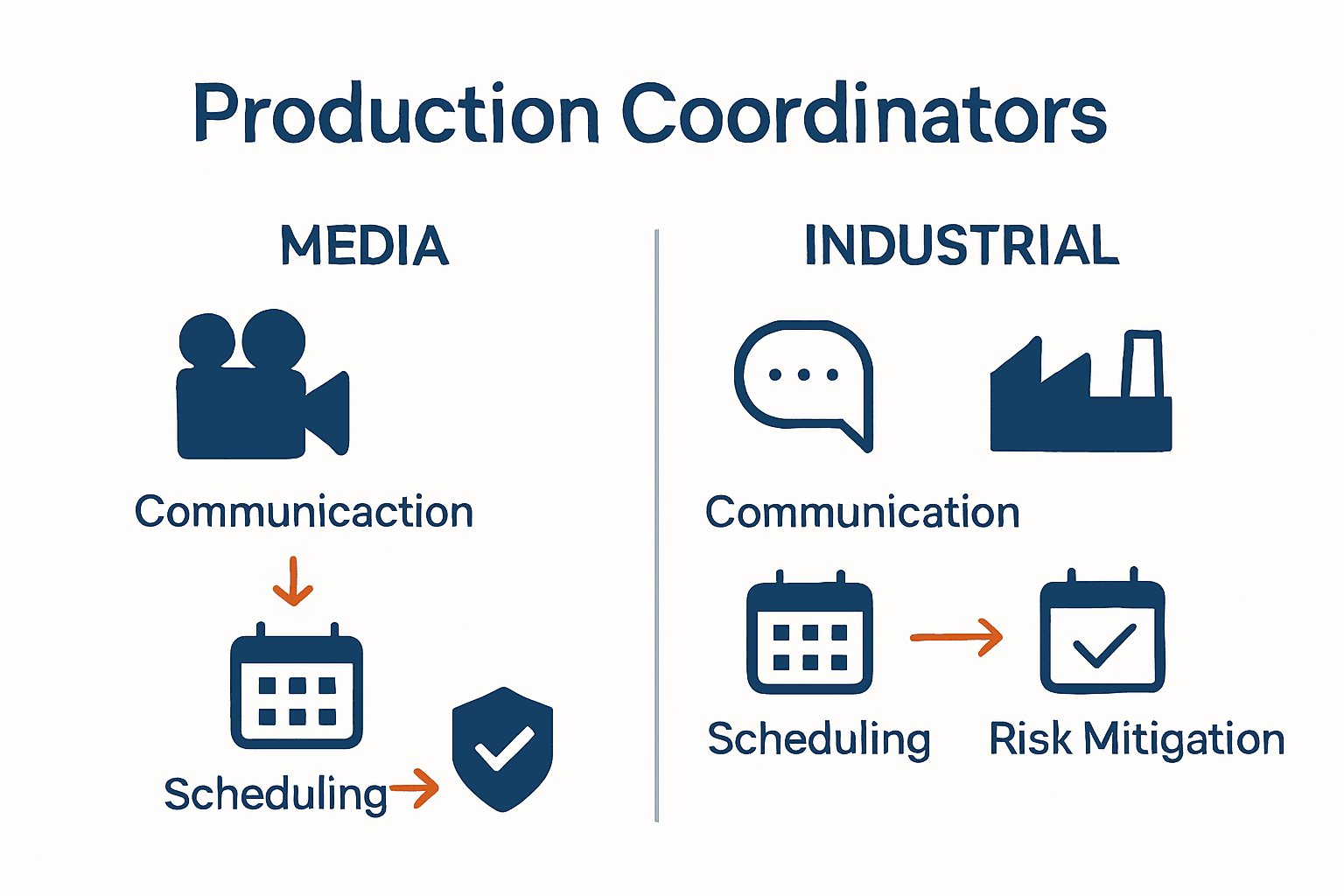
To enhance your understanding of managing complex production environments, explore our guide to understanding team communication best practices for media professionals.
How Production Coordinators Impact Successful Shoots
Production coordinators are the critical linchpins that transform potential chaos into seamless, successful film and video projects. According to ebsco.com, these professionals play a pivotal role in project planning, execution, and coordination, directly impacting the company’s ability to meet deadlines and deliver high-quality products or events. They foster team collaboration by facilitating communication between departments, managing timelines, and resolving production issues efficiently.
Their impact on successful shoots can be measured through several key performance indicators:
Operational Efficiency
Reducing production delays
Minimizing budget overruns
Streamlining interdepartmental communication
Ensuring smooth workflow transitions
Strategic Problem-Solving
Anticipating potential production challenges
Developing rapid response strategies
Maintaining flexible production schedules
Managing unexpected logistical complications
The true value of a production coordinator becomes most apparent during high-pressure moments. They act as the central nervous system of a production, connecting various teams, managing complex logistics, and ensuring that creative vision remains aligned with practical constraints. Their ability to balance meticulous planning with real-time adaptability can mean the difference between a project’s success and failure.
For filmmakers looking to optimize their production planning, our guide on how to plan a film shoot offers comprehensive insights into achieving production success.
Make Your Production Coordination Effortless with Expert Local Support
Managing the complex logistics detailed in the article about “What Is a Production Coordinator? Complete Guide” can be overwhelming without trusted partners who understand every challenge from scheduling and communication to risk management and real-time problem solving. If coordinating permits, crew, equipment, and transportation while keeping your production on schedule sounds daunting, you are not alone. Many productions struggle with these pain points and need reliable, expert assistance to bring their vision to life without delays or hidden stresses.

Take the stress out of your next shoot by partnering with Video Production Switzerland, the local experts with over 20 years of experience in managing film production logistics in Switzerland. We handle everything from securing permits and scouting locations to sourcing trusted crew and managing accommodations. This means your production coordination aligns perfectly with the detailed coordination and risk management principles highlighted in the guide. Don’t let coordination challenges derail your project. Get your free consultation today and keep your production moving smoothly with expert support designed precisely for your needs.
Frequently Asked Questions
What are the primary responsibilities of a production coordinator?
Production coordinators are responsible for managing communication between departments, organizing production schedules, facilitating logistical arrangements for cast and crew, coordinating equipment allocation, and assisting the production manager with daily tasks.
What skills are essential for a successful production coordinator?
Key skills for production coordinators include strong communication and leadership abilities, proficiency in project management software, advanced planning and scheduling capabilities, as well as problem-solving and critical thinking skills.
How do production coordinators handle communication during production?
Production coordinators establish clear communication protocols, organize regular status update meetings, and maintain detailed administrative records to ensure effective communication between various departments throughout the production process.
What role does a production coordinator play in risk management?
Production coordinators identify potential risks such as budget overruns, schedule delays, and logistical challenges, and they implement proactive strategies to manage these risks, ensuring smooth project execution.
Recommended
