
Video and Post Production: Complete Industry Guide

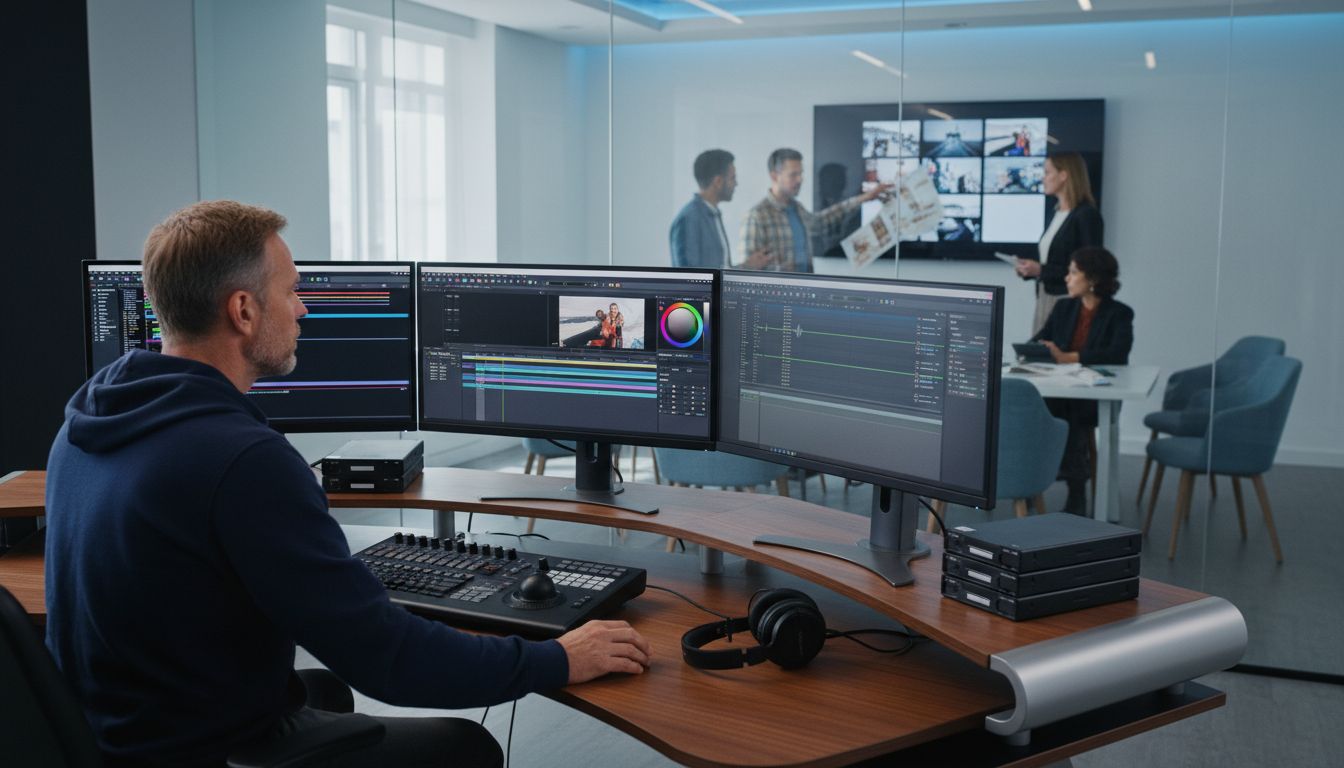
Producing high-quality video content requires more than a camera and an idea. Nearly 85 percent of professional video projects rely on advanced post-production techniques to bring stories to life and meet audience expectations. The right workflow transforms rough footage into powerful visual narratives, whether for film, advertising, or digital platforms. By understanding key production stages and mastering post-production skills, creators can achieve impactful results that stand out in a crowded visual world.
Table of Contents
Key Takeaways
Point | Details |
Video and Post Production Stages | Video production involves pre-production, production, and post-production phases, each vital for creating a professional final product. |
Post-Production Workflow | Key post-production stages include editing, color grading, sound design, and visual effects, essential for refining raw footage. |
Logistical and Legal Considerations in Switzerland | Filmmakers must navigate local regulations and permit requirements to successfully produce video content in Switzerland. |
Challenges in International Shoots | Effective strategies to manage communication barriers, technical compatibility, regulatory compliance, and cultural nuances are crucial for successful global production. |
Defining Video and Post Production Essentials
Video and post production represent the critical transformation stages where raw visual content becomes a polished, professional final product. Video production encompasses capturing original footage, while post production involves refining, editing, and enhancing that material into a compelling narrative. Understanding these interconnected processes is essential for creating high-quality visual media across film, advertising, and digital platforms.
According to Bond University’s curriculum on Visual Effects and Post-Production Workflows, post-production involves sophisticated technical and creative processes. These include shot clean-up, motion graphics integration, visual effects application, and preparing final deliverables. Professionals utilize advanced software like Adobe After Effects to transform raw footage into sophisticated visual experiences, addressing imperfections and adding dynamic visual elements that elevate storytelling.
The post-production workflow typically involves several key stages:
Editing: Assembling and sequencing raw footage
Color Grading: Adjusting color tones and visual aesthetics
Sound Design: Enhancing audio quality and creating immersive soundscapes
Visual Effects: Adding digital enhancements or creating entire digital environments
Final Rendering: Preparing the project for distribution across various platforms
For those seeking deeper insights into these processes, Understanding Video Post Production Workflow Essentials provides comprehensive information about the intricate steps involved in transforming raw visual content into professional media. Whether you’re a filmmaker, brand manager, or creative professional, mastering these techniques is crucial for producing compelling visual narratives that resonate with audiences.
Major Types and Stages of Production
Video production is a multifaceted process that encompasses several critical stages, each contributing to the transformation of a creative concept into a compelling visual narrative. These stages are typically divided into three primary phases: pre-production, production, and post-production, with each phase playing a crucial role in delivering high-quality visual content.
According to Wikipedia, post-production represents a particularly complex stage involving multiple intricate processes. This phase includes editing, color correction, sound mixing, and visual effects integration. Wikipedia’s entry on offline editing further highlights the importance of the initial editing stage, where raw footage is digitized and transformed into a rough cut that shapes the final narrative’s structure and emotional impact.
The major types and stages of production can be broken down as follows:
Pre-Production Stage
Concept development
Script writing
Storyboarding
Location scouting
Casting
Budget planning
Production Stage
Principal photography
On-location shooting
Live audio recording
Performance capture
Daily footage review
Post-Production Stage
Rough cut editing
Color grading
Sound design
Visual effects
Final rendering
Distribution preparation
For filmmakers seeking a comprehensive understanding of these processes, Video Production Process: Complete Guide for Filmmakers offers an in-depth exploration of each stage’s nuances and technical requirements.
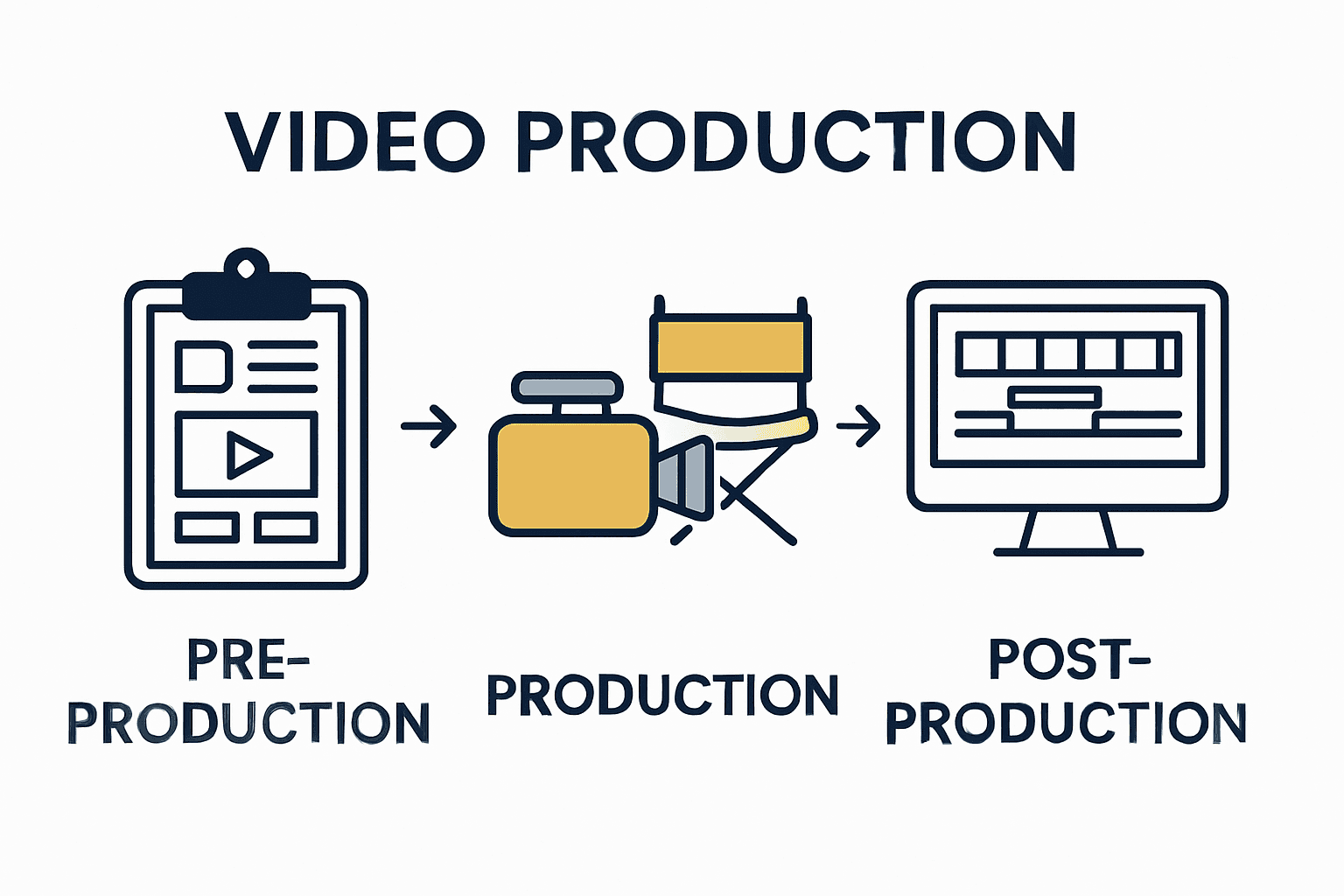
Understanding these stages empowers creative professionals to navigate the complex landscape of visual storytelling with precision and artistic vision.
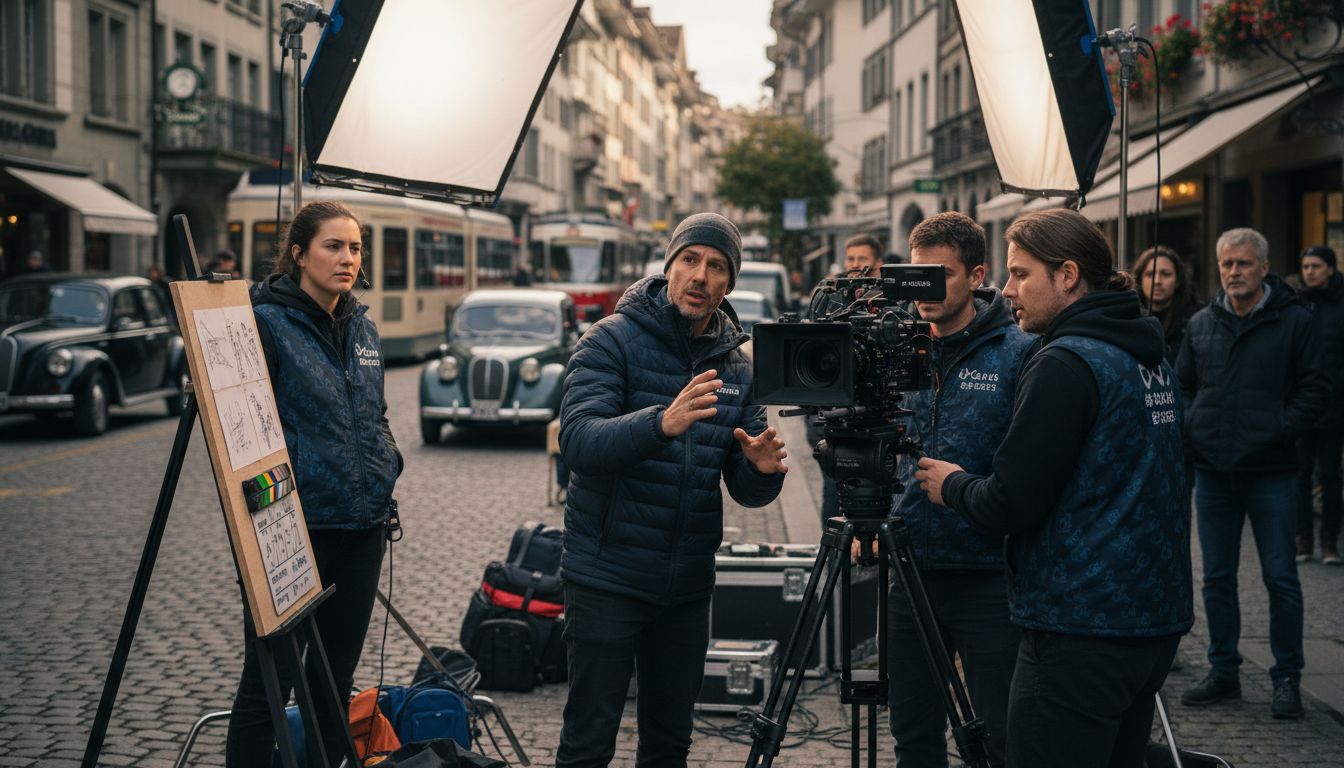
Post Production Workflow Explained
The post-production workflow is a critical process that transforms raw footage into a polished, professional final product. This intricate journey involves multiple interconnected stages, each requiring specialized skills, technical expertise, and creative vision to bring a project from initial concept to final delivery.
Film Training Manitoba highlights the complexity of this workflow, emphasizing best practices for editing across various professional tools like Avid, Adobe, and DaVinci Resolve. The process begins with media organization, where raw footage is carefully cataloged, synced, and prepared for editorial manipulation. Open Book Publishers further underscores the importance of meticulous organization and the critical roles of different post-production professionals in creating a seamless final product.
The typical post-production workflow involves several key stages:
Ingest and Organizing
Transferring raw footage
Creating backup copies
Organizing media files
Logging and labeling clips
Editorial Process
Rough cut assembly
Narrative refinement
Sequence construction
Pacing and rhythm adjustment
Technical Enhancement
Color grading
Sound mixing
Visual effects integration
Audio restoration
Finishing and Delivery
Final cut approval
Rendering
Format conversion
Distribution preparation
Understanding What Happens in Post Production provides deeper insights into these nuanced processes. Each stage demands precision, creativity, and technical proficiency, transforming raw footage into a compelling visual narrative that captures the original creative vision.
Logistical and Legal Considerations in Switzerland
Filming in Switzerland requires careful navigation of complex logistical and legal landscapes that can significantly impact production success. International filmmakers must understand the intricate regulations, permit requirements, and local nuances that govern video production in this precision-driven country.
Swissinfo.ch provides crucial insights for foreign producers, emphasizing the importance of understanding location logistics, equipment importation, and local labor regulations. The guide highlights the critical need for comprehensive preparation, including securing appropriate work permits, understanding local filming regulations, and navigating the unique administrative requirements that distinguish Swiss production environments.
Key logistical considerations for video production in Switzerland include:
Permit Requirements
Municipal filming permissions
Location access clearances
Environmental impact assessments
Public space usage regulations
Equipment and Customs
Temporary equipment importation
Customs declaration procedures
Insurance for professional gear
Cross-border transportation protocols
Legal Compliance
Swiss labor law adherence
Production insurance requirements
Contractual obligations
Intellectual property protections
Local Production Support
Hiring Swiss film crews
Understanding local industry standards
Language and communication protocols
Cultural production sensitivities
Complete Guide to Video Production Switzerland offers additional comprehensive insights into managing these complex requirements. Successful international productions in Switzerland demand meticulous planning, local expertise, and a nuanced understanding of the country’s precise regulatory environment.
Common Challenges and Solutions for International Shoots
International video production represents a complex landscape fraught with potential logistical, cultural, and technical challenges that can derail even the most carefully planned projects. Successful global media teams must anticipate and proactively address these potential obstacles to ensure smooth, efficient, and high-quality production experiences across diverse environments.
The most critical challenges in international shoots typically revolve around four primary domains: communication barriers, technical compatibility, regulatory compliance, and cultural nuances. Filmmakers must develop comprehensive strategies that address language differences, equipment standardization, local legal requirements, and cultural sensitivities to minimize production risks and maximize creative outcomes.
Key challenges and strategic solutions include:
Communication Barriers
Hire multilingual production coordinators
Use professional translation services
Develop clear, simplified communication protocols
Utilize visual communication tools
Technical Compatibility
Verify equipment voltage and plug standards
Carry universal adapters and converters
Confirm camera and editing system compatibility
Prepare backup equipment solutions
Regulatory Compliance
Research local filming permits
Secure comprehensive production insurance
Understand local labor and copyright laws
Work with local production fixers
Cultural Production Challenges
Conduct cultural sensitivity training
Respect local customs and filming etiquette
Hire local crew members
Develop flexible production schedules
The Importance of Production Planning for International Media offers deeper insights into navigating these complex international production landscapes. Ultimately, successful global shoots demand meticulous preparation, adaptability, and a genuine commitment to understanding and respecting diverse production environments.
Simplify Your Video and Post Production Journey in Switzerland
Mastering every stage from editing and color grading to navigating complex permits and local regulations can feel overwhelming. This guide highlights the intricate challenges faced in video and post production, especially when working internationally. Common hurdles like securing filming permits, managing technical compatibility, and coordinating expert crews demand precise planning and trusted local knowledge.
At Video Production Switzerland, we understand these critical pain points and offer tailored solutions to ease your production stress. Whether you need help with permit acquisition, sourcing reliable equipment, or managing transportation logistics, our 20 years of experience ensure a smooth, on-time shoot. Discover how our comprehensive approach can transform complex workflows into seamless success by visiting Complete Guide to Video Production Switzerland.
Take control of your video and post production today by partnering with experts who know the Swiss landscape inside out. Reach out for a free consultation and let us handle the details so you can focus on creating outstanding visual stories. Explore our full range of services now at https://videoproductionswitzerland.com and start your worry-free production journey.
Frequently Asked Questions
What are the key stages of video production?
The key stages of video production are pre-production (concept development, script writing, storyboarding), production (principal photography, on-location shooting), and post-production (editing, color grading, sound design).
What happens during the post-production phase?
During post-production, raw footage is edited and refined, which includes processes like color grading, sound mixing, adding visual effects, and preparing the final product for distribution.
How is sound design achieved in video production?
Sound design in video production involves enhancing audio quality, creating immersive soundscapes, and mixing sound elements to ensure clarity and enhance the viewer’s experience.
What are the challenges of international video shoots?
International video shoots can face challenges such as communication barriers, technical compatibility issues, regulatory compliance, and navigating cultural nuances. Effective planning and local expertise are crucial to overcoming these hurdles.
Recommended
