
Understanding Motion Graphic Production and Its Impact

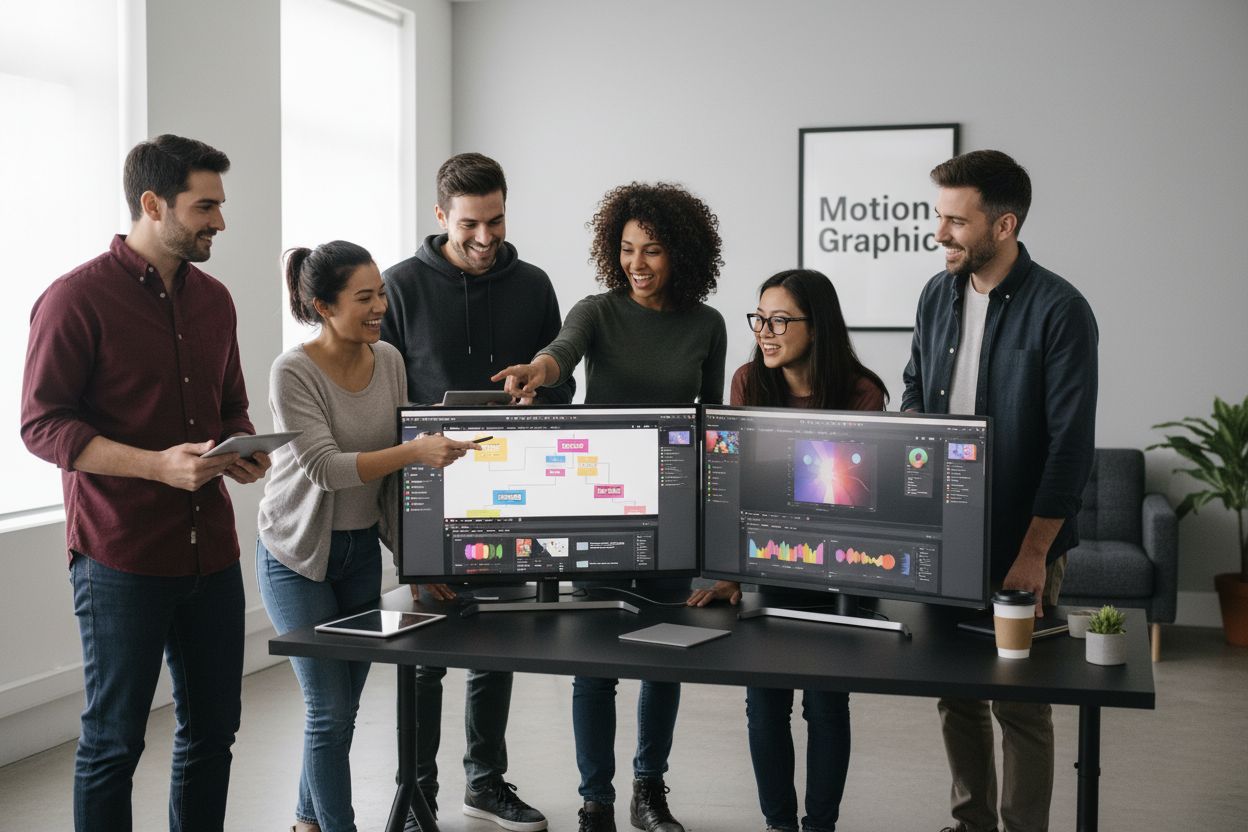
Motion graphics are everywhere, turning ordinary presentations and ads into eye-catching stories that stick in your mind. Here is something wild. Motion graphics can improve information retention by nearly 65 percent compared to static images or text alone. The real surprise? Their power is not just in dazzling visuals but in how they make even the most complex ideas feel simple and memorable.
Table of Contents
Quick Summary
Takeaway | Explanation |
Motion graphics simplify complex ideas | They break down intricate information into understandable animated narratives that engage viewers effectively. |
Utilize motion graphics for brand identity | Incorporating animated logos and visual narratives enhances brand recognition and emotional connection with audiences. |
Comprehensive research is crucial | Successful motion graphic projects begin with thorough audience analysis and conceptual mapping to ensure effective communication. |
Advanced animation techniques enhance engagement | Techniques like keyframe animation and easing create smooth, fluid visuals that captivate viewers, increasing information retention. |
Versatile applications across industries | Motion graphics are valuable in corporate training, marketing, and entertainment, adapting messages to various audience needs. |
What is Motion Graphic Production and Its Elements?
Motion graphic production represents a sophisticated digital art form that transforms static visual elements into dynamic, engaging animated content. This creative discipline merges graphic design, animation techniques, and storytelling to communicate complex ideas through moving visuals. Learn more about video production techniques that complement motion graphic strategies.
The Fundamental Components of Motion Graphics
Motion graphic production involves several critical elements that work together to create compelling visual narratives:
Visual Design Elements: Includes typography, geometric shapes, illustrations, icons, and digital graphics
Animation Techniques: Involves movement, transformation, and transition of graphic elements
Timing and Rhythm: Controls the pace and flow of visual information through strategic animation sequences
Professional motion graphic designers utilize specialized software like Adobe After Effects, Cinema 4D, and Blender to craft these intricate visual experiences. According to SAE Institute, motion graphics blend multiple design disciplines to create informative and aesthetically pleasing animated content.
Applications and Strategic Importance
Motion graphic production extends across multiple industries, serving diverse communication needs. Businesses leverage these dynamic visuals for:

Brand Communication: Creating memorable logo animations and brand identity videos
Educational Content: Explaining complex concepts through animated infographics
Marketing Materials: Developing engaging social media advertisements and promotional videos
The strategic value of motion graphics lies in their ability to simplify complex information, capture audience attention, and deliver messages with visual impact.
To clarify the foundational building blocks of motion graphics discussed in the article, the table below outlines and defines the essential components that contribute to effective motion graphic production.
Component | Description |
Visual Design Elements | Typography, shapes, illustrations, icons, and digital graphics that form the core visuals. |
Animation Techniques | Methods for creating movement, transformation, and transitions between graphic elements. |
Timing and Rhythm | Strategic pacing and sequencing that control the flow of animated content. |
Storytelling | Narrative frameworks that guide the animated message and engage viewers. |
Specialized Software | Tools like Adobe After Effects, Cinema 4D, and Blender used for animation and composition. |

By transforming static data into animated narratives, motion graphic production helps organizations communicate more effectively across digital platforms.
To help readers understand and compare the most common applications of motion graphics, the following table organizes major industry uses and highlights their specific communication goals.
Industry/Application | Main Purpose |
Brand Communication | Create memorable logos and enhance brand recognition |
Educational Content | Explain complex concepts using animated infographics |
Marketing Materials | Develop engaging social media and promotional videos |
Corporate Training | Produce instructional content for staff development |
Entertainment and Media | Design film titles, broadcast graphics, and music video visuals |
Why Motion Graphics Matter in Film and Advertising
Motion graphics have become a powerful communication tool in modern film and advertising, enabling brands and storytellers to convey complex messages with visual precision and emotional impact. Discover how brand launch videos transform marketing strategies through compelling visual storytelling.
Enhancing Narrative Complexity
In film and advertising, motion graphics transcend traditional visual communication by introducing dynamic layers of information. They allow creators to:
Simplify Complex Concepts: Break down intricate ideas into digestible visual narratives
Create Visual Metaphors: Translate abstract information into engaging animated sequences
Establish Emotional Connections: Design visuals that resonate with audience psychological triggers
According to Nielsen Norman Group, motion graphics improve information retention by approximately 65% compared to static visual presentations, making them invaluable in communication strategies.
Strategic Communication Advantages
Motion graphics offer unique advantages in marketing and film production:
Brand Differentiation: Create memorable visual identities that stand out in competitive markets
Audience Engagement: Generate higher viewer interaction and attention retention
Cross Platform Adaptability: Design visuals that work seamlessly across digital and traditional media channels
By transforming traditional storytelling methods, motion graphics enable brands and filmmakers to communicate more dynamically, bridging the gap between information and emotional resonance. These animated visual narratives have become essential tools for capturing audience attention in an increasingly visual and fast-paced media landscape.
The Creative Process Behind Motion Graphic Production
Motion graphic production is an intricate creative journey that transforms conceptual ideas into dynamic visual narratives. Explore the nuances of video editing techniques that complement motion graphic design strategies and enhance visual storytelling.
Conceptualization and Research Phase
The initial stage of motion graphic production involves comprehensive research and strategic planning. Designers invest significant time understanding the project objectives, target audience, and core communication goals. This foundational work ensures that every visual element serves a specific purpose:
Audience Analysis: Identifying viewer demographics and psychological triggers
Conceptual Mapping: Developing initial visual metaphors and narrative structures
Reference Gathering: Collecting inspirational visual materials and design references
According to Carnegie Mellon University, successful motion graphic projects begin with meticulous research and conceptual development.
Technical Execution and Design Workflow
Once the conceptual framework is established, motion graphic designers transition into the technical implementation phase. This stage involves:
Asset Creation: Designing individual graphic elements, illustrations, and typography
Storyboarding: Mapping out visual sequences and transition strategies
Animation Development: Applying movement, timing, and dynamic transitions to static graphic elements
Professional motion graphic designers utilize advanced software like Adobe After Effects and Cinema 4D to breathe life into their conceptual designs, carefully orchestrating each visual element to create compelling narrative experiences. The technical execution requires a delicate balance between creative vision and precise digital craftsmanship.
Key Concepts and Techniques in Motion Graphics
Motion graphics represent a sophisticated visual language that combines design principles, animation techniques, and storytelling strategies. Explore professional videography terminology to deepen understanding of these complex visual communication methods.
Fundamental Design Principles
Successful motion graphics rely on core design principles that transform static visual elements into dynamic narratives. These foundational concepts guide visual communication and audience engagement:
Hierarchy: Strategically organizing visual information to direct viewer attention
Composition: Balancing graphic elements to create visually appealing sequences
Color Theory: Using color psychology to evoke emotional responses
According to Princeton University Press, advanced motion graphics employ sophisticated visual communication techniques that guide viewer perception through strategic design choices.
Advanced Animation Techniques
Motion graphic designers leverage multiple animation techniques to create compelling visual experiences:
Keyframe Animation: Defining specific points of movement and transformation
Easing: Creating natural acceleration and deceleration in graphic movements
Interpolation: Generating smooth transitions between different graphic states
These techniques allow designers to breathe life into graphic elements, transforming static designs into fluid, engaging visual narratives. By understanding and mastering these advanced animation principles, motion graphic professionals can create intricate visual stories that communicate complex ideas with remarkable clarity and emotional impact.
Real-World Applications of Motion Graphic Production
Motion graphic production has emerged as a versatile communication tool across multiple industries, transforming how organizations convey complex information. Discover advanced video workflow strategies that enhance motion graphic implementation and storytelling effectiveness.
Corporate and Business Communication
In the corporate landscape, motion graphics serve as powerful communication instruments that simplify intricate business concepts and brand narratives:
Training and Onboarding: Creating engaging instructional content for employee development
Financial Reporting: Visualizing complex economic data and quarterly performance metrics
Brand Storytelling: Developing compelling company history and mission narrative animations
According to Harvard Business Review, organizations using motion graphics experience up to 65% higher information retention compared to traditional text-based communication methods.
Entertainment and Media Applications
Motion graphics play a critical role in various entertainment and media domains:
Film Title Sequences: Creating dynamic opening credits and visual introductions
Broadcast Graphics: Designing informative lower thirds, transition animations, and network branding elements
Music Video Production: Generating abstract visual interpretations of musical compositions
These applications demonstrate motion graphics’ extraordinary capability to transform abstract concepts into visually engaging narratives, bridging communication gaps across diverse professional environments. By translating complex information into digestible visual experiences, motion graphic production continues to revolutionize how we understand and interact with multimedia content.
Bring Your Motion Graphic Vision to Life Without the Stress
Struggling to turn your creative motion graphic ideas into polished productions, but worried about complicated logistics and tight deadlines? The article explained how vital expert coordination and seamless technical execution are for impactful visual storytelling. For international teams, these challenges often include managing permits, assembling trusted crews, and handling last-minute changes, all while staying focused on narrative, timing, and quality.
Let our experienced team at Video Production Switzerland handle the logistics so you can focus only on your creative message and advanced animation techniques. With over 20 years of local expertise, we specialize in everything from sourcing the right crew to securing the ideal locations for your motion graphic productions. Ready to transform your concepts into captivating visuals and ensure flawless on-site management? Book your free consultation now and get the peace of mind you need for your next project.
Frequently Asked Questions
What are the key components of motion graphic production?
Motion graphic production involves several critical elements, including visual design elements, animation techniques, and timing and rhythm. These components work together to create engaging animated content that communicates complex ideas effectively.
How can motion graphics enhance brand communication?
Motion graphics can enhance brand communication by creating memorable logos, engaging brand identity videos, and informative visual narratives that capture audience attention and convey messages with visual impact.
What industries commonly utilize motion graphic production?
Motion graphic production is used across various industries, including corporate business communication, education, entertainment, and media. It simplifies complex concepts and improves audience engagement through visually dynamic storytelling.
How does the creative process of motion graphic production work?
The creative process typically includes conceptualization and research to understand project objectives and target audiences, followed by technical execution where designers create graphic assets, storyboard visual sequences, and develop animations using software like Adobe After Effects and Cinema 4D.
Recommended
