
TV Commercial Production Process: Streamlining Success

Over eighty percent of American viewers say television commercials influence their buying decisions. In an industry where competition for attention is fierce, understanding the core elements of TV commercial production has never been more critical. Discover how creative teams blend storytelling, technology, and strategy to produce commercials that truly stand out in the crowded American media landscape.
Table of Contents
Key Takeaways
Point | Details |
Strategic Blending of Creativity and Technical Skills | Successful TV commercial production combines creative storytelling with technical precision to create compelling narratives. |
Key Production Stages | The production workflow involves concept development, pre-production, production, and post-production phases, each critical for effective storytelling. |
Collaboration is Essential | A cohesive team dynamic among directors, producers, and writers is crucial for transforming ideas into impactful commercials. |
Budget Management | Effective budgeting and resource allocation strategies are essential for balancing creative ambitions with financial constraints in commercial production. |
Core Elements of TV Commercial Production
Television commercial production encompasses a strategic blend of creative storytelling and technical precision. Modern advertising demands more than just visual appeal—it requires a comprehensive approach that transforms brand messages into compelling narratives.
The production process involves several critical elements, starting with conceptual development. Researchers have observed that successful TV commercials increasingly employ sophisticated literary techniques to construct meaning, utilizing multiple modes of communication to elicit targeted emotional responses. This means moving beyond simple product demonstration to creating narrative experiences that resonate with viewers.
Key components of TV commercial production include:
Scriptwriting and storyboarding
Casting and talent selection
Location scouting and set design
Technical equipment and crew management
Lighting and cinematography
Sound design and music selection
Post-production editing and visual effects
The contemporary landscape of commercial production has dramatically transformed, with smaller production companies leveraging digital tools to achieve professional results at significantly reduced costs. This shift democratizes high-quality commercial creation, allowing brands of all sizes to produce sophisticated marketing content. Modern production teams must balance creative vision with technical expertise, understanding that each commercial represents a critical touchpoint between brands and their target audiences.
Key Stages in the Production Workflow
Television commercial production is a meticulously planned journey from initial concept to final broadcast, requiring strategic coordination across multiple creative and technical disciplines. Understanding the production workflow helps filmmakers and brands streamline their approach and maximize the impact of their visual storytelling.
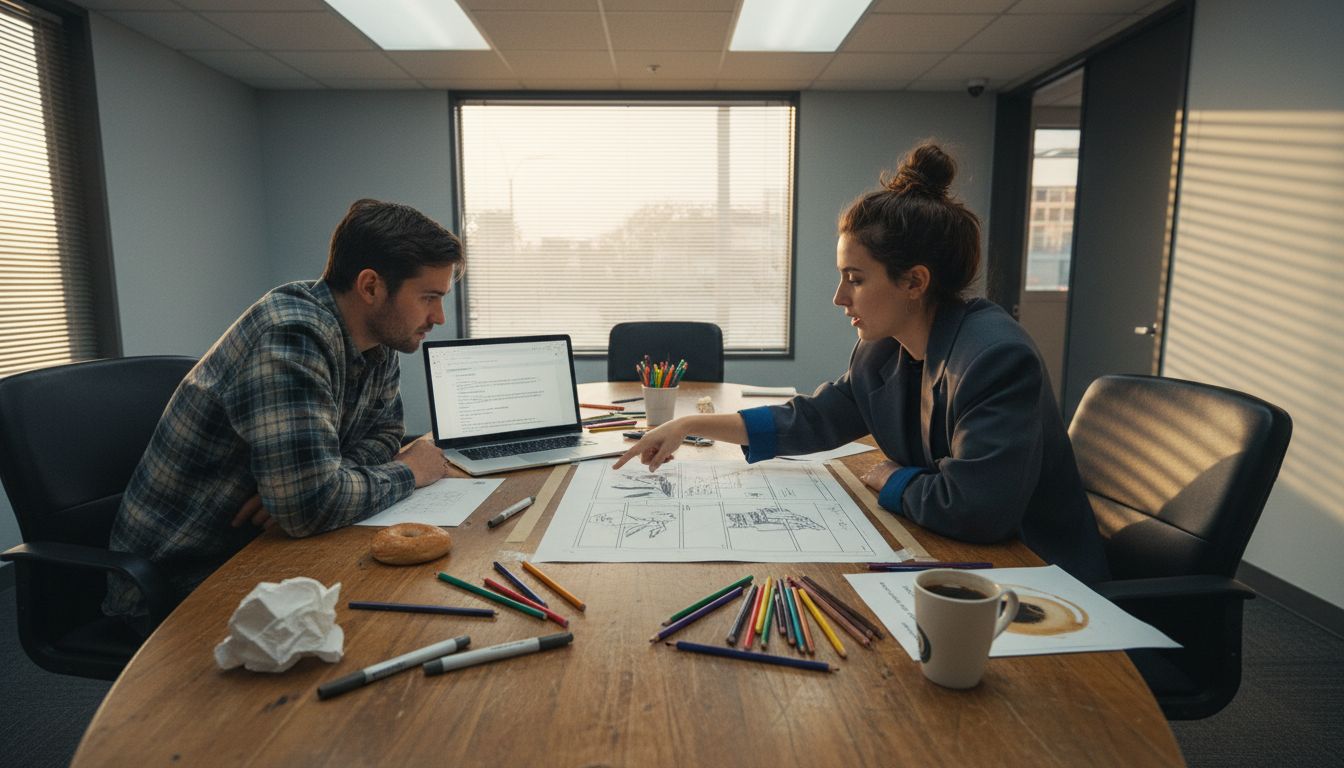
The workflow begins with rigorous preliminary planning involving multiple essential stages, each designed to transform abstract ideas into compelling visual narratives. Professional teams typically progress through interconnected phases that demand precision and creative collaboration.
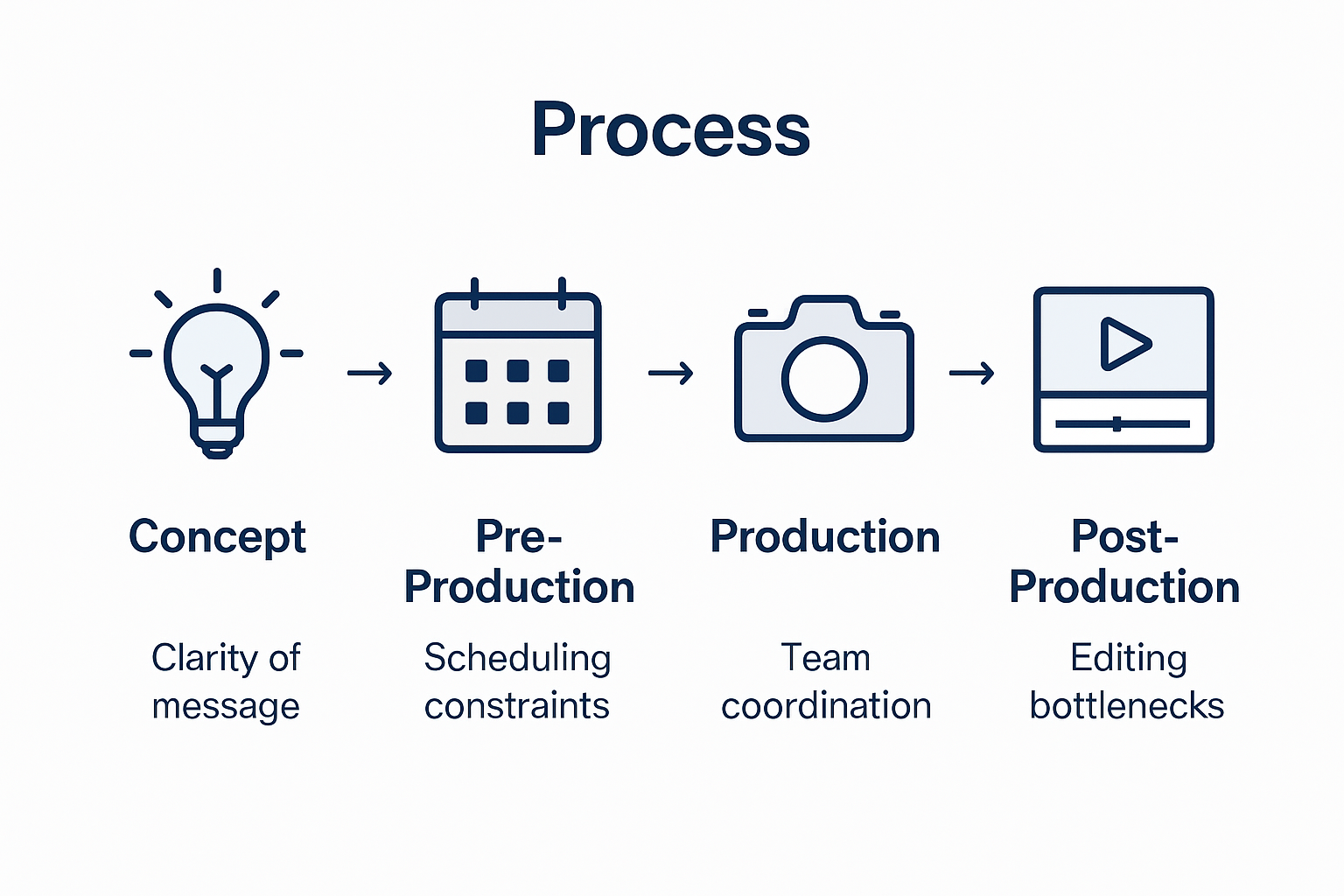
Primary Stages in TV Commercial Production:
Concept Development
Initial creative brainstorming
Brand message identification
Target audience analysis
Pre-Production
Scriptwriting
Storyboard creation
Location scouting
Talent casting
Production
Principal photography
Directing performances
Technical equipment management
Post-Production
Video editing
Sound design
Color grading
Visual effects integration
Modern commercial production workflows have become increasingly sophisticated, with professional teams developing comprehensive storytelling frameworks that accommodate varying advertisement durations and creative requirements. Successful execution demands not just technical skill, but an intricate understanding of narrative structure, brand messaging, and audience psychology. Each stage represents a critical opportunity to refine the commercial’s emotional resonance and strategic effectiveness.
Essential Roles and Collaboration Dynamics
Television commercial production requires a complex interplay of creative and technical professionals, each bringing unique skills that transform conceptual ideas into compelling visual narratives. The success of a commercial hinges not just on individual talent, but on the seamless collaboration between diverse team members.
Modern production workflows have dramatically transformed collaborative dynamics, with smaller production companies now capable of handling multiple roles more efficiently. This shift has led to more integrated and flexible team structures that prioritize creativity and adaptability.
Key Collaborative Roles in TV Commercial Production:
Director: Creative vision and overall storytelling strategy
Guides performance and visual aesthetic
Translates script into visual narrative
Producer: Project management and logistical coordination
Budget management
Resource allocation
Timeline tracking
Scriptwriter: Narrative development
Crafting compelling story
Defining brand message
Creating emotional resonance
Cinematographer: Visual storytelling
Technical camera expertise
Lighting design
Visual composition
Sound Designer: Audio narrative
Music selection
Sound effects
Emotional tone creation
The intricate collaboration between directors, producers, scriptwriters, and actors remains crucial in ensuring a cohesive and effective production process. Each role contributes unique expertise, creating a synergistic environment where creative vision meets technical precision. Successful teams understand that communication, mutual respect, and shared commitment to the project’s artistic and strategic goals are paramount in producing memorable television commercials that resonate with audiences.
Budgeting and Logistical Challenges Explained
Television commercial production represents a complex financial and operational ecosystem where strategic planning meets creative vision. Balancing artistic ambition with fiscal responsibility requires nuanced understanding of both technical and economic constraints that shape modern media production.
Digital technologies have fundamentally transformed budgeting approaches, enabling smaller production companies to achieve professional-quality results with significantly reduced financial investments. This technological democratization has reshaped traditional production economics, creating more accessible pathways for brands and filmmakers.
Key Budgeting Considerations:
Pre-Production Expenses
Scriptwriting costs
Location scouting
Initial creative development
Production Costs
Equipment rental
Talent and crew compensation
Location fees
Wardrobe and set design
Post-Production Investments
Video editing
Sound mixing
Color grading
Visual effects
Budget Management Strategies:
Comprehensive initial planning
Detailed expense tracking
Flexible resource allocation
Negotiating competitive vendor rates
Leveraging cost-effective digital tools
Successful commercial production demands meticulous planning and strategic resource allocation to manage potential financial risks. Professional teams must continuously balance creative aspirations with fiscal constraints, understanding that every budgetary decision impacts the final visual narrative. The most effective productions emerge from a harmonious blend of creative innovation and financial pragmatism, transforming limited resources into compelling storytelling experiences.
Legal, Safety, and Compliance Factors
Television commercial production operates within a complex legal landscape where creative expression intersects with regulatory requirements. Navigating these intricate compliance frameworks demands comprehensive understanding of multiple legal dimensions that protect both production teams and audience interests.
Special effects and visual techniques require rigorous legal and safety standards, ensuring that creative executions do not compromise performer or viewer safety. Productions must carefully evaluate potential risks associated with complex visual narratives, implementing robust safety protocols that mitigate potential legal vulnerabilities.
Critical Legal Compliance Areas:
Intellectual Property Considerations
Copyright protection
Trademark usage rights
Performance licensing
Talent and Performance Regulations
Actor consent agreements
Minor performer protections
Compensation and residual rights
Content Regulatory Requirements
Age-appropriate messaging
Advertising standards compliance
Cultural sensitivity guidelines
Compliance Verification Strategies:
Comprehensive legal script review
Obtaining necessary performance releases
Verifying copyright clearances
Consulting entertainment law specialists
Documenting consent and usage rights
Product placement and brand integration present additional legal complexities, requiring nuanced understanding of advertising regulations. Professional production teams must anticipate potential legal challenges, implementing proactive compliance strategies that protect creative integrity while respecting complex regulatory frameworks. The most successful commercials balance artistic vision with meticulous legal planning, transforming potential constraints into opportunities for innovative storytelling.
Common Pitfalls and How to Prevent Them
Television commercial production demands precision, creativity, and strategic foresight. Even experienced teams can encounter significant challenges that derail project success, making proactive problem prevention crucial for maintaining production quality and meeting creative objectives.
Inadequate planning represents one of the most persistent challenges in commercial production, with communication breakdowns and insufficient preparation often leading to costly mistakes. Successful teams recognize that meticulous pre-production preparation is the foundation of a smooth, efficient shooting process.
Most Frequent Production Pitfalls:
Conceptual Misalignment
Unclear brand messaging
Inconsistent creative vision
Lack of audience understanding
Technical Challenges
Insufficient equipment preparation
Poor location scouting
Inadequate backup plans
Communication Breakdowns
Unclear role definitions
Incomplete creative briefs
Ineffective team coordination
Prevention Strategies:
Conduct comprehensive pre-production meetings
Develop detailed creative and logistical roadmaps
Establish clear communication protocols
Create contingency plans for potential issues
Implement regular progress check-ins
Professional workflows emphasize the importance of detailed scriptwriting and concept development as critical prevention mechanisms. By anticipating potential challenges and creating robust planning frameworks, production teams can transform potential obstacles into opportunities for creative innovation. The most successful commercials emerge from teams that combine technical expertise with strategic thinking, turning potential pitfalls into moments of extraordinary storytelling.
Streamline Your TV Commercial Production with Expert Local Support
The challenges highlighted in “TV Commercial Production Process Streamlining Success”—from budget constraints and complex logistics to ensuring seamless collaboration—are real hurdles in creating impactful commercials. When managing everything from permits to location scouting, these tasks demand precision and local expertise to avoid costly pitfalls and delays. If you value meticulous planning combined with strong logistical management, partnering with a trusted local team can turn these pain points into advantages. At Video Production Switzerland, we specialize in providing reliable production services tailored for international filmmakers and brands looking for smooth, stress-free commercial shoots within the Swiss environment.
Take control of your commercial production process now. Benefit from over 20 years of local market knowledge, expert crew coordination, and hassle-free handling of permits, equipment, and transportation. Visit Video Production Switzerland today for a free consultation and discover how our client-centric approach ensures your creative vision is executed on time and on budget. Experience the confidence that comes from working with professionals dedicated to your success.
Frequently Asked Questions
What are the key stages in the TV commercial production process?
The key stages in the TV commercial production process include concept development, pre-production, production, and post-production. Each stage involves specific tasks that are essential for creating a compelling commercial.
How can budgeting impact the success of a TV commercial production?
Budgeting is crucial as it impacts all aspects of production, from pre-production costs to post-production investments. Effective budget management ensures that resources are allocated efficiently, allowing for high-quality production without overspending.
What common pitfalls should be avoided during TV commercial production?
Common pitfalls include conceptual misalignment, technical challenges, and communication breakdowns. These issues can be prevented with comprehensive pre-production planning and clear communication among team members.
What roles are essential for a successful TV commercial production?
Essential roles include the director, producer, scriptwriter, cinematographer, and sound designer. Each role contributes unique expertise that is critical to the overall success of the production.
Recommended
