
Travel Clinic Zurich—Essential Health for Filmmakers

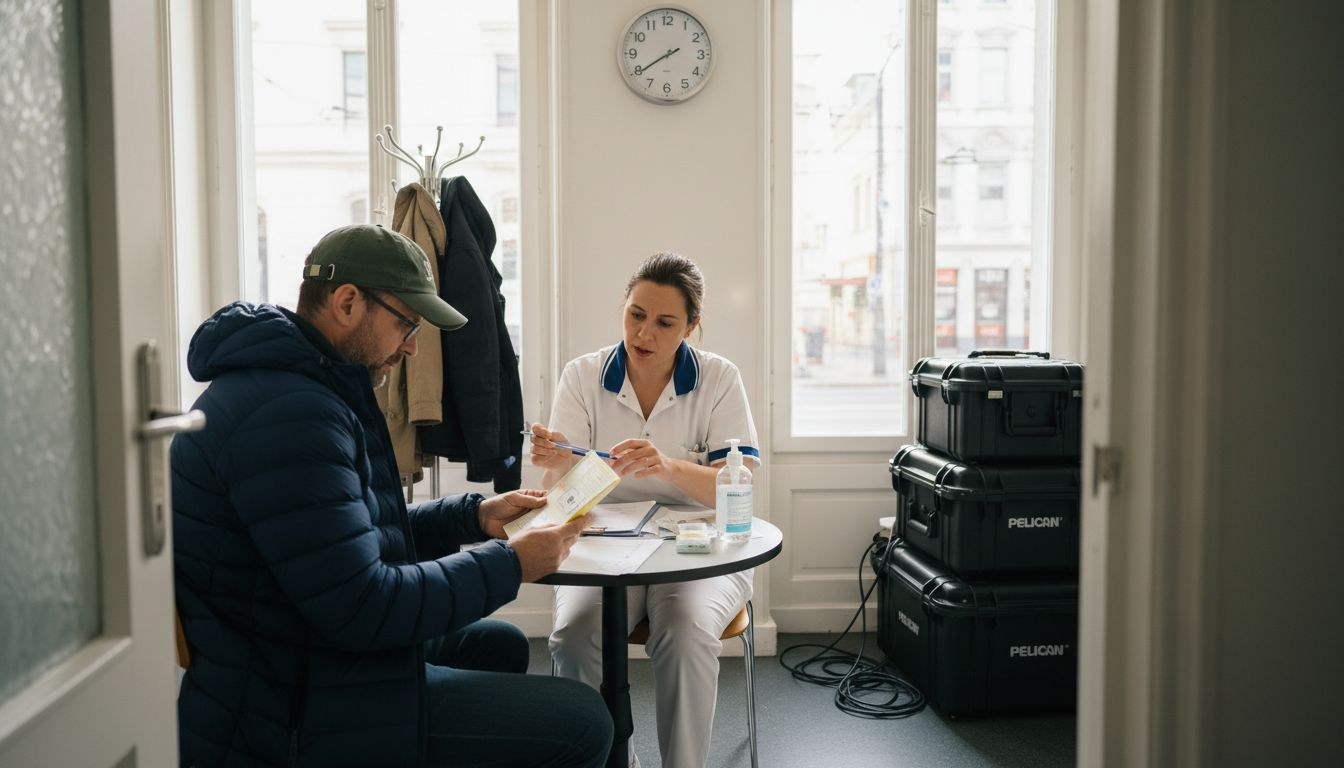
Most international filmmakers are surprised to learn that over 65 percent of film production delays abroad stem from preventable health issues. Whether you are part of an American team or a multinational crew, arriving healthy is essential for a seamless Zurich shoot. Discover how Zurich’s top travel clinics specialize in personalized medical services for film professionals, helping ensure that your cast and crew stay protected, compliant, and ready to tackle even the most demanding international schedules.
Table of Contents
Key Takeaways
Point | Details |
Health Preparations | Filmmakers should visit travel clinics in Zurich 4-6 weeks prior to international shoots to ensure adequate vaccinations and medical preparations. |
Required Vaccinations | Essential immunizations include MMR, Diphtheria-Tetanus-Pertussis, Hepatitis A and B, and region-specific vaccines depending on filming locations. |
Documentation Requirements | Filmmakers must prepare valid passports, proof of vaccinations, and digital health certificates to comply with Switzerland’s entry regulations, particularly changes effective in 2026. |
Financial Planning | It is crucial to secure emergency medical insurance and carefully budget for vaccinations and unexpected medical expenses to avoid significant out-of-pocket costs. |
Travel Clinics in Zurich: What They Offer
Filmmakers traveling to Switzerland need comprehensive health preparation, and Zurich’s specialized travel medicine centers offer precisely the support international production crews require. These medical facilities provide targeted health assessments and preventative care designed to ensure smooth, uninterrupted filming experiences across diverse global locations.
Travel clinics in Zurich specialize in personalized medical consultations that address the unique health challenges faced by professionals working internationally. At facilities like the Travel Clinic Zürich, specialists conduct thorough evaluations that include:
Comprehensive vaccination reviews
Risk assessments for specific geographic regions
Malaria and tropical disease prophylaxis
Individual health screening
Immunization documentation preparation
These clinics understand that filmmakers often work in remote or medically challenging environments, requiring specialized preventative healthcare strategies. The medical professionals typically possess deep expertise in tropical and travel medicine, enabling them to provide nuanced recommendations tailored to complex production schedules and international work settings.
Beyond standard vaccinations, these clinics offer advanced services like COVID-19 testing, medical risk evaluations for specific countries, and personalized health consultations that consider individual medical histories. The goal is not just treating potential health issues but proactively preventing them, ensuring film production teams remain healthy and operational.
Pro Tip: Book your travel clinic consultation at least 4-6 weeks before international production to allow sufficient time for vaccinations and medical preparations.
Key Travel Vaccinations for International Filmmakers
International filmmakers must carefully plan their health protection before embarking on global productions, with vaccination strategies being critical to ensuring safe and uninterrupted shooting schedules. Comprehensive travel vaccine guidelines recommend a strategic approach to immunization that addresses both standard and region-specific health risks.
The core vaccination requirements for filmmakers typically include several essential immunizations:
MMR (Measles, Mumps, Rubella): Universally recommended
Diphtheria-Tetanus-Pertussis: Standard booster shots
Hepatitis A and B: Critical for international travel
Polio: Updated adult booster recommended
Region-specific vaccines become crucial depending on shooting locations. For instance, travel health checklists highlight additional vaccines for high-risk destinations such as yellow fever for African and South American shoots, Japanese encephalitis for Asian locations, and typhoid for regions with limited sanitation infrastructure.
Filmmakers with specialized medical conditions or compromised immune systems should consult travel medicine specialists at least 4-6 weeks before departure. These professionals can provide personalized vaccination recommendations, taking into account individual health histories, specific production locations, and potential environmental exposures unique to international filmmaking.
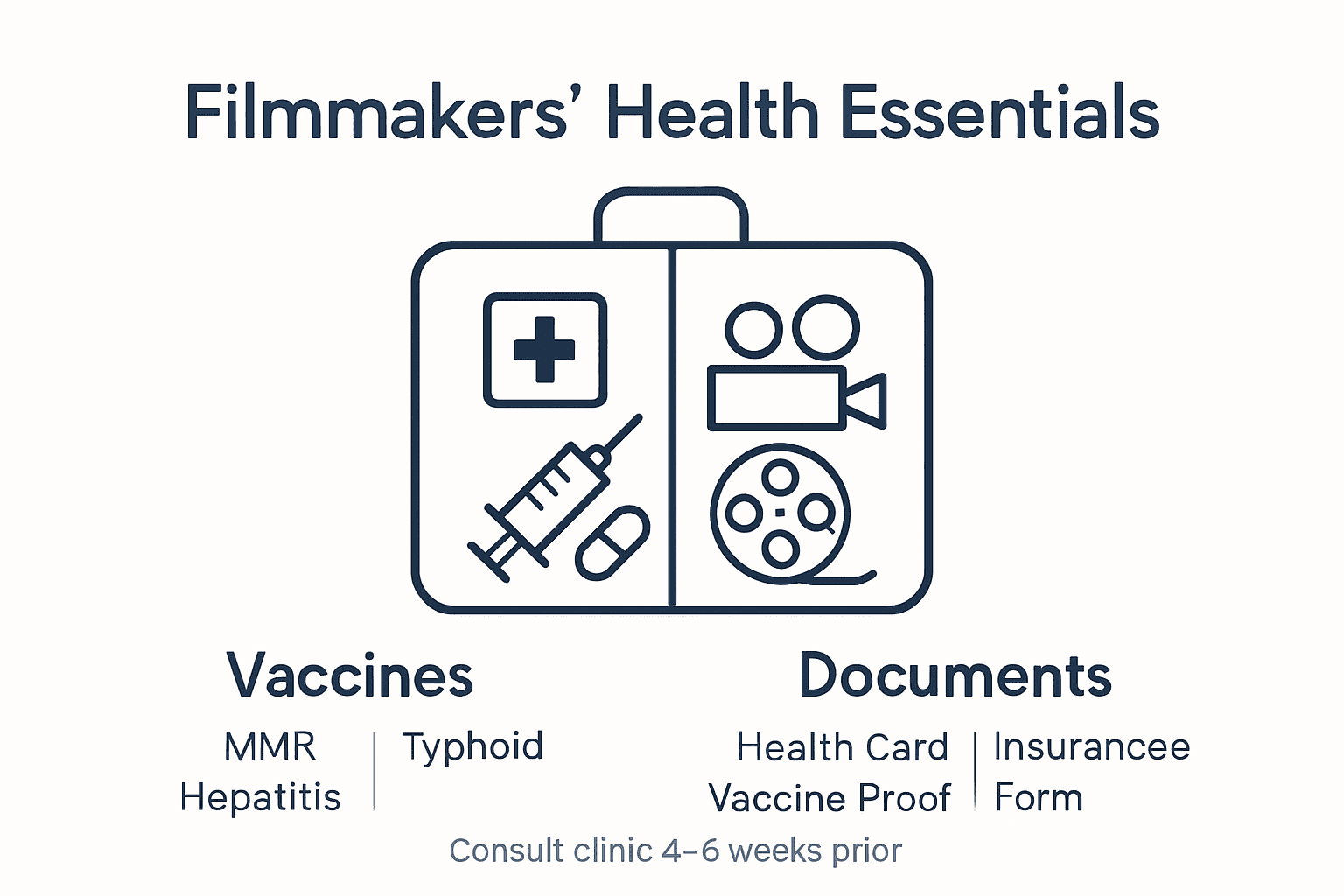
Pro Tip: Maintain a digital and physical copy of your complete vaccination records, ensuring quick access during international travel and production.
Required Health Documents and 2026 Swiss Laws
Filmmakers planning international productions in Switzerland must navigate increasingly complex entry and documentation requirements that will undergo significant changes in 2026. These regulatory updates demand meticulous preparation and understanding of new health and travel documentation standards.
Key documentation requirements for international filmmakers include:
Passport valid for at least six months beyond planned stay
Proof of vaccination or medical insurance coverage
Work permits or production visas
Digital health certificates
Proof of financial sustainability during production
Starting in 2026, Switzerland will implement several critical changes affecting international travelers. New health regulations and entry systems will introduce mandatory digital authorization processes like the European Travel Information and Authorization System (ETIAS), which will require advance electronic registration for visa-exempt non-EU nationals. This system represents a significant shift in cross-border travel documentation, requiring filmmakers to complete digital pre-screening before entering Swiss territory.

Professional filmmakers must anticipate these regulatory changes by maintaining comprehensive digital and physical documentation. This includes updated vaccination records, comprehensive medical insurance that covers international production work, and ensuring all digital entry authorizations are completed well in advance of travel.
Here’s a summary of how Switzerland’s 2026 travel health regulations could affect international filmmakers:
Change Area | Current System | 2026 Update | Impact on Filmmakers |
Entry Authorization | Standard visa/permit application | ETIAS pre-approval required for non-EU | Advanced digital registration needed |
Health Documentation | Paper and digital accepted | Mandatory digital certificates | Digital record keeping essential |
Medical Service Billing | Existing tariffs and manual invoices | New TARDOC system, more itemized bills | More complex billing, careful review needed |
Insurance Proof | Some digital/paper accepted | Streamlined digital submission | Insurance policies must support digital uploads |
Pro Tip: Create a dedicated digital folder with all required health and travel documents, allowing instant access and quick verification during international film productions.
Costs, Insurance, and Out-of-Pocket Expenses
International filmmakers must carefully navigate the complex landscape of medical expenses and insurance requirements when planning productions in Switzerland. Travel clinic pricing structures are undergoing significant changes in 2026, with new regulations affecting how medical services are billed and covered.
Typical cost categories for filmmakers include:
Pre-travel medical consultations
Required vaccinations
Emergency medical coverage
Medical evacuation services
Specialized health screenings
Understanding insurance options is crucial for managing potential financial risks. Comprehensive travel insurance plans are essential, as medical expenses in Switzerland can escalate quickly. Professional filmmakers should anticipate potentially high out-of-pocket costs for emergency services, with mountain rescue operations alone potentially costing thousands of Swiss francs. Some insurance considerations include evaluating coverage limits, understanding deductible options, and ensuring worldwide medical protection that specifically covers professional film production activities.
The 2026 healthcare landscape introduces new billing mechanisms, including the TARDOC tariff system, which aims to streamline medical service pricing. Filmmakers should expect multiple invoices for different medical services and must carefully review their compulsory health insurance coverage to understand which expenses will be covered and which remain out-of-pocket.
This table highlights financial planning tips for filmmakers using Zurich clinics:
Cost Area | Risk Without Planning | Best Practice |
Emergency Treatment | Large, unexpected out-of-pocket bills | Secure emergency medical insurance |
Vaccinations | Missed or delayed shots | Budget and book in advance |
Medical Evacuation | High costs, limited coverage | Verify evacuation in insurance plan |
Billing Documentation | Lost claims or delays | Request digital expense receipts |
Pro Tip: Request detailed documentation of all medical expenses and maintain digital copies to simplify insurance claims and potential reimbursement processes.
Common Pitfalls When Visiting Zurich Clinics
Filmmakers traveling to Switzerland must navigate complex medical consultation processes, and understanding potential travel clinic consultation challenges can significantly improve their healthcare experience. Preparation and awareness are key to avoiding common mistakes that could compromise health planning and medical documentation.
Frequent pitfalls international filmmakers encounter include:
Not scheduling appointments sufficiently in advance
Failing to bring comprehensive medical documentation
Overlooking destination-specific health risks
Incomplete communication of medical history
Misunderstanding insurance coverage details
Comprehensive travel consultations require meticulous preparation, particularly for professionals working in diverse and potentially challenging environments. Filmmakers must recognize that medical professionals need detailed travel itineraries, complete vaccination records, and transparent information about pre-existing conditions to provide accurate health recommendations. Miscommunication or incomplete information can lead to inadequate health protection strategies, potentially compromising production schedules and personal well-being.
The 2026 healthcare landscape introduces additional complexity, with new billing mechanisms and evolving insurance coverage regulations. International filmmakers should anticipate potential communication barriers, prepare comprehensive medical documentation, and allocate sufficient time for thorough health consultations to mitigate risks associated with international productions.
Pro Tip: Create a digital medical portfolio containing vaccination records, travel itinerary details, and comprehensive health history to streamline your travel clinic consultation.
Ensure Your Film Production in Switzerland Runs Smoothly and Safely
Traveling filmmakers face unique health challenges that require careful planning, especially when navigating vaccination schedules, complex health documentation, and new Swiss regulations coming in 2026. The need to manage detailed medical preparations alongside demanding production logistics can be overwhelming. Key concerns include staying ahead of vaccination requirements, maintaining up-to-date health records, and understanding costly medical billing changes, all while ensuring your team stays healthy and ready to work.
At Video Production Switzerland, we understand these challenges and offer comprehensive local support to ease your planning. Our expert crew sourcing, permit handling, and logistical management help you focus on your creative vision without the stress of a complicated environment. Partnering with us means access to trusted local knowledge that complements essential travel medicine advice you receive from clinics in Zurich. From arranging seamless transportation to securing accommodations and coordinating on-site needs, we provide the reliable, professional coordination that international filmmakers demand.
Don’t let health preparations and production logistics slow you down. Visit Video Production Switzerland today and start with a free consultation to ensure your international shoot is organized, compliant, and safe. Combining expert medical readiness with our trusted production services means you can shoot with confidence in the beautiful Swiss environment. Book your consultation now and take the first step toward a smooth and successful filming experience.
Frequently Asked Questions
What services do travel clinics in Zurich provide for filmmakers?
Travel clinics in Zurich offer personalized medical consultations, comprehensive vaccination reviews, risk assessments for specific regions, malaria prophylaxis, individual health screenings, and immunization documentation preparation.
How far in advance should filmmakers book their travel clinic appointment?
Filmmakers should book their travel clinic consultation at least 4-6 weeks before international production to allow sufficient time for vaccinations and medical preparations.
What are the essential vaccinations required for international filmmakers?
Essential vaccinations for international filmmakers typically include MMR (Measles, Mumps, Rubella), Diphtheria-Tetanus-Pertussis, Hepatitis A and B, and Polio, with additional region-specific vaccines as needed.
What documentation is required for filmmakers traveling internationally?
Filmmakers need to prepare a valid passport, proof of vaccination or medical insurance coverage, work permits or production visas, digital health certificates, and proof of financial sustainability during production.
Recommended
