
7 Essential Tips for Effective Team Building Switzerland

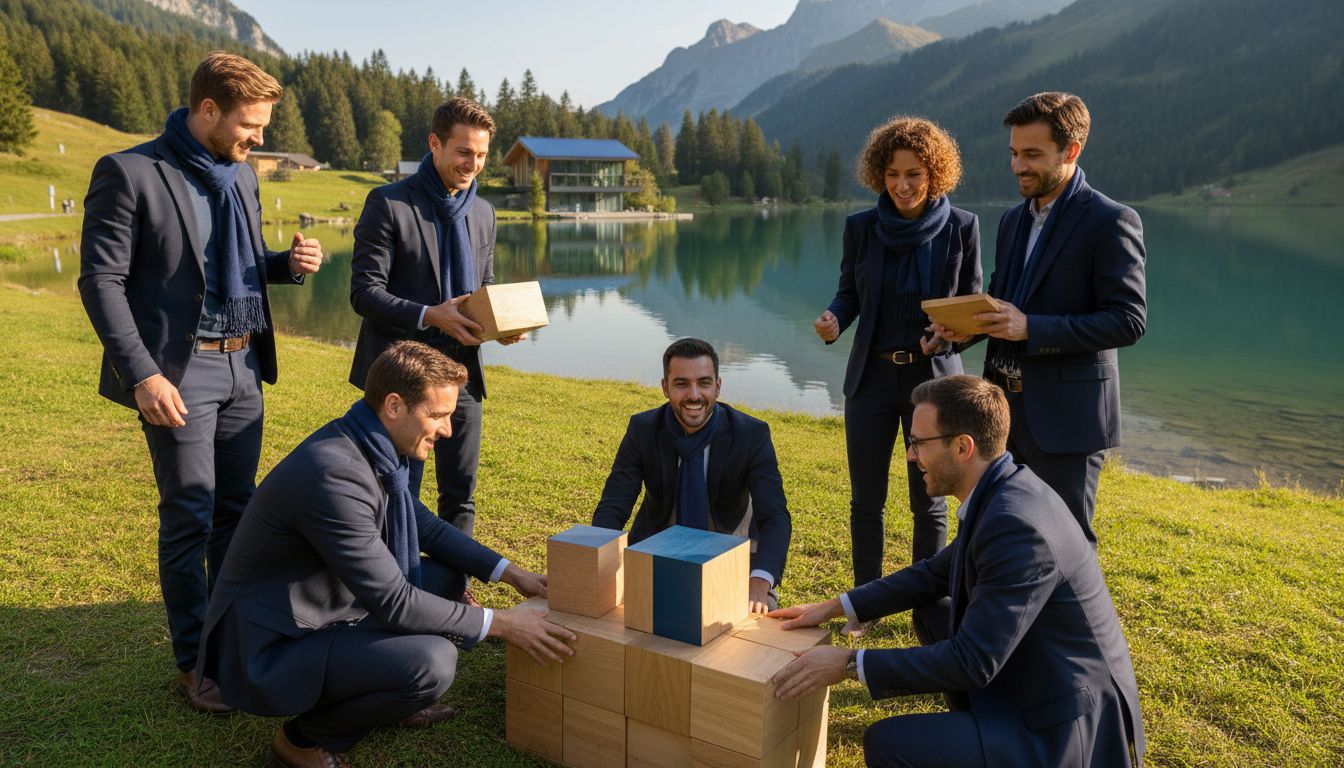
Most american companies underestimate how much cultural differences impact team building abroad. Swiss workplaces run on precision and structure, so bringing in familiar strategies can return mixed results. Direct communication and punctuality shape every professional interaction in Switzerland, making it crucial for any american team to understand these local expectations. With practical insights into Swiss work culture, dynamic locations, and expert resources, you can turn routine team activities into experiences that truly unite your group.
Table of Contents
Quick Summary
Key Insight | Explanation |
1. Understand Swiss communication style | Prioritize direct, concise exchanges to foster effective discussions and eliminate unnecessary small talk. |
2. Choose locations that align with team goals | Select venues that enhance collaboration and align with specific objectives, whether through adventure or structured settings. |
3. Leverage local experts for seamless logistics | Collaborating with local professionals ensures efficient planning and execution, facilitating a smoother team building experience. |
4. Integrate creative and unique challenges | Design experiences that challenge both physical and intellectual capacities, promoting team bonding through distinctive Swiss traditions. |
5. Implement effective follow-up strategies | Ensure post-event reflection and action plans to convert temporary insights into lasting organizational changes and collaborative improvements. |
1. Understand Swiss Work Culture and Team Dynamics
Diving into team building in Switzerland requires more than standard corporate strategies the approach demands a nuanced understanding of Swiss professional norms and communication styles. Switzerland presents a unique work environment characterized by precision discipline and deep respect for hierarchical structures.
Swiss professional culture emphasizes direct communication with a focus on clarity and efficiency. Unlike some international contexts where small talk dominates meetings Swiss teams prefer structured concise interactions that get directly to the point. This means preparing clear agendas respecting time boundaries and delivering information with accuracy and brevity.
Teamwork in Switzerland thrives on mutual respect and demonstrated competence. Team members are expected to be punctual reliable and well prepared for every interaction. According to Teamland group activities that enhance team understanding can significantly improve workplace dynamics especially for international teams navigating Swiss professional environments.
Practical strategies for understanding Swiss team dynamics include:
Prioritize formal introductions and maintain professional distance initially
Learn basic professional German or French phrases relevant to your work context
Demonstrate technical expertise and preparedness in every interaction
Respect established hierarchical structures within the organization
Avoid overly emotional or confrontational communication styles
Successful team building in Switzerland requires recognizing that professional relationships develop through demonstrated competence trust and consistent performance rather than casual networking or aggressive relationship building techniques. By approaching Swiss team dynamics with respect precision and genuine interest in collective success international teams can create powerful collaborative environments.
2. Choose the Right Location for Your Team Activities
Selecting the perfect location for team building activities in Switzerland requires strategic thinking beyond simply picking a scenic backdrop. The right environment can dramatically transform team dynamics enhance group communication and create memorable experiences that strengthen professional relationships.
According to Liberty International, Switzerland offers diverse destinations that can accommodate different team building objectives. Each location presents unique characteristics that can align with specific team goals and organizational needs.
Alpine locations like Interlaken and St. Moritz provide extraordinary opportunities for adventure based team activities. These mountain environments naturally encourage collaboration problem solving and shared challenges. Teams can engage in activities ranging from mountain hiking group navigation challenges to collaborative outdoor workshops that test communication and strategic thinking.
Key considerations when selecting a team building location include:
Accessibility for all team members
Variety of potential activity spaces
Weather and seasonal considerations
Proximity to necessary infrastructure
Group size and mobility requirements
Urban centers like Lucerne and Montreux offer alternative environments with their own advantages. These locations provide more structured settings with conference facilities museums cultural experiences and indoor team building opportunities perfect for groups preferring controlled professional environments.
The ultimate goal is matching your team building location with your specific organizational objectives. Whether you seek high energy adventure team challenges or more structured professional development experiences Switzerland offers an incredible range of possibilities that can transform standard team activities into extraordinary bonding experiences.
3. Leverage Local Experts for Seamless Logistics
Navigating team building logistics in Switzerland requires more than just good intentions it demands insider knowledge and precision. Local experts become your most valuable asset in creating smooth seamless experiences that transcend typical corporate event planning.
Understanding the complexity of Swiss logistics means recognizing that every detail matters. City Games demonstrates how geolocated team building activities can transform standard corporate events into extraordinary experiences by leveraging deep local expertise and understanding of regional nuances.
Local experts bring several critical advantages to your team building strategy. They possess intricate knowledge of regional regulations understand complex permit requirements and have established relationships with local vendors. This network allows them to navigate potential challenges quickly and efficiently reducing stress and potential logistical complications for your organization.
Key benefits of working with local logistics experts include:
Immediate problem solving capabilities
Deep understanding of regional communication protocols
Access to exclusive venues and activity spaces
Streamlined permit and authorization processes
Cultural translation and interpretation services
Professional team building organizations like Team Building Now specialize in creating tailored experiences that go beyond simple event management. They understand that effective logistics are about creating seamless memorable experiences that genuinely connect team members and align with your specific organizational goals.
Ultimately leveraging local expertise transforms team building from a standard corporate activity into a strategic investment in your teams potential. By partnering with professionals who understand both the logistical landscape and the subtle cultural nuances local experts ensure your team building efforts are not just successful but truly exceptional.
4. Integrate Creative Challenges Unique to Switzerland
Team building in Switzerland transcends traditional corporate activities by offering extraordinary challenges that leverage the countrys breathtaking landscapes and rich cultural heritage. The key is designing experiences that push teams beyond standard problem solving into transformative group interactions.
Basecamp demonstrates how unique geographic environments can become powerful team development platforms. Their approach transforms natural Swiss terrains like alpine landscapes mountain ranges and pristine lakes into dynamic learning spaces where teams can test their collaborative abilities through extraordinary challenges.
Creative team challenges should integrate both physical and intellectual elements that reflect Swiss precision and innovation. These experiences go far beyond simple group activities they become opportunities for profound team transformation and deep interpersonal understanding.
Potential creative challenges that capture the Swiss spirit include:
Constructing functional transportation devices using limited resources
Navigation challenges through complex alpine terrain
Problem solving exercises that require Swiss watch like precision
Cultural immersion activities testing communication skills
Collaborative projects mimicking Swiss engineering principles
Team Building Now offers innovative concepts like building ancient Roman chariots or constructing cardboard boats that challenge teams to think creatively while working under specific constraints. These experiences reveal individual strengths team dynamics and potential leadership qualities in ways traditional corporate training cannot.
Ultimately successful team building in Switzerland is about creating memorable experiences that challenge participants intellectually physically and emotionally. By designing activities that reflect Swiss cultural values of precision collaboration and innovation you transform standard team events into extraordinary developmental journeys.
5. Balance Fun with Purposeful Objectives
Team building activities that simply entertain without delivering meaningful organizational insights ultimately fall short of their potential. The most effective experiences seamlessly blend enjoyment with strategic learning opportunities that drive genuine team development.
City Games exemplifies this approach through their City Explorer game which transforms urban exploration into a purposeful team challenge. By designing experiences that feel like play while secretly embedding critical learning objectives these activities create memorable transformative moments.
Successful team building requires a carefully crafted balance where participants are so engaged in the experience that they hardly recognize the underlying developmental goals. This approach works because learning happens most effectively when people are relaxed curious and genuinely enjoying themselves.
Strategies for maintaining this delicate balance include:
Design challenges with clear but hidden learning outcomes
Create scenarios that feel like games but require serious collaboration
Use humor and unexpected elements to keep participants mentally agile
Ensure activities connect directly to workplace skills
Debrief experiences to extract meaningful insights
The magic happens when teams are laughing solving problems and building connections without feeling like theyre in a traditional training environment. Purposeful fun means creating experiences where personal growth and team dynamics improve almost imperceptibly through engaging interactive challenges.
Ultimately the goal is to craft team building experiences that feel like remarkable adventures while simultaneously developing critical organizational capabilities. When done correctly participants will walk away feeling energized connected and subtly transformed both as individuals and as a collective team.
6. Utilize Video Production for Team Engagement
Video production offers a powerful medium for transforming team building experiences from forgettable events into lasting memorable narratives that continue resonating long after the activity concludes. By strategically documenting and sharing team challenges teams can create powerful shared experiences that strengthen collective identity.
City Games demonstrates how interactive challenges can become compelling visual stories through strategic video documentation. Their approach transforms team building from a simple event into a narrative that teams can revisit reflect upon and celebrate.
Video production in team building goes beyond mere documentation it becomes a collaborative storytelling process that engages participants in multiple levels of interaction. The act of creating recording and reviewing video content generates additional team bonding opportunities that extend the impact of the original experience.
Strategic approaches to utilizing video for team engagement include:
Documenting team challenges and problem solving moments
Creating highlight reels that showcase collective achievements
Developing behind the scenes footage revealing team dynamics
Producing reflective interviews about team experiences
Generating shareable content for internal communication platforms
Team Building Now offers creative activities like the Color challenge where teams collaboratively create artwork which can be beautifully documented through video. These experiences transform team building into a dynamic storytelling opportunity that captures both the emotional and professional dimensions of group interaction.
Ultimately video production becomes more than a recording tool it evolves into a strategic instrument for capturing team spirit preserving collective memories and reinforcing organizational culture. When executed thoughtfully video can turn fleeting moments of collaboration into powerful lasting narratives that inspire continued team growth and connection.
7. Plan for Follow-Up to Maximize Lasting Impact
Team building experiences are not isolated events but critical opportunities for organizational transformation. Without strategic follow-up these powerful moments can quickly dissolve leaving behind only fleeting memories instead of meaningful change.
Teamland emphasizes that true team development extends far beyond the initial experience. Successful organizations recognize that the real work begins after the team building activity concludes transforming momentary insights into sustainable workplace improvements.
Effective follow-up requires a deliberate structured approach that reinforces learning captures emerging insights and creates accountability for implementing newfound team strategies. This process ensures that the energy excitement and collaborative spirit generated during team building translate into tangible organizational benefits.
Key strategies for meaningful post event follow-up include:
Schedule structured reflection sessions within two weeks of the activity
Create specific action plans that link team building insights to workplace goals
Establish individual and collective accountability mechanisms
Develop methods to track and measure behavioral changes
Design ongoing communication channels to sustain team momentum
City Games recommends post event evaluations that go beyond simple satisfaction surveys. The most impactful follow-up transforms experiential learning into systematic organizational improvement. This means creating frameworks that help teams internalize lessons and translate them into daily work practices.
Ultimately successful team building is not about a single extraordinary day but about initiating a continuous journey of growth connection and collective development. By implementing thoughtful strategic follow-up organizations can turn momentary experiences into lasting transformative processes that reshape team dynamics and organizational culture.
Below is a comprehensive table summarizing the key aspects of team building in Switzerland discussed throughout the article.
Topic | Description | Key Considerations |
Swiss Work Culture | Emphasizes direct communication, precision, discipline, and respect for hierarchy. | Prepare clear agendas and demonstrate competence. |
Location Selection | Alpine or urban locations offer various team building environments. | Consider accessibility, activities, and infrastructure. |
Local Experts | Vital for seamless logistics and overcoming regional challenges. | Provide insight into regulations and cultural nuances. |
Creative Challenges | Utilize unique Swiss environments for team development. | Integrate physical and intellectual challenges. |
Purposeful Objectives | Balance fun with strategic learning outcomes. | Design engaging activities that align with organizational goals. |
Video Production | Transform experiences into lasting narratives. | Document events to enhance engagement and reinforce team identity. |
Follow-Up Planning | Ensures lasting impact from team experiences. | Schedule reflections and link insights to organizational goals. |
Elevate Your Swiss Team Building with Expert Video Production Support
Building effective teams in Switzerland requires mastering local culture communication styles and seamless logistics. The challenge lies in capturing these dynamic team moments with precision while managing complex permits, trusted equipment, and expert crew coordination. At Video Production Switzerland, we specialize in transforming your team building events into powerful visual stories that reflect Swiss precision and collaboration. Our local experts handle every detail so you can focus on inspiring your team.
Professional video documentation not only preserves unforgettable team challenges but also helps extend the impact of your team building beyond the event. Whether you want to highlight your Alpine adventures or urban interactive games, our 20 years of experience guarantee smooth on-time production tailored to your unique needs. Learn how our logistical mastery complements immersive team building by exploring how we arrange flawless shoots that capture your group’s energy and strategic growth.
Bring your team stories alive with trusted local partners who understand Swiss culture and corporate goals. Visit Video Production Switzerland today to schedule your free consultation and discover how thoughtful video production can deepen your team’s connection and maximize long-term results. Don’t let extraordinary moments fade away. Capture them with expertise designed for Swiss success.
Frequently Asked Questions
How can I understand Swiss work culture for team building?
Understanding Swiss work culture involves recognizing the emphasis on direct communication, punctuality, and mutual respect. Prepare clear agendas and respect hierarchical structures when interacting with team members.
What should I consider when choosing a location for team building activities?
When selecting a location for team building, consider accessibility, available activity spaces, weather conditions, and group size. Aim to choose a venue that aligns with your team building objectives for optimal engagement.
Why is it important to use local experts for team building logistics?
Working with local experts ensures a seamless team building experience by providing insider knowledge of regional regulations and connections with local vendors. Utilize their expertise to navigate logistical challenges efficiently.
What types of creative challenges are effective for team building?
Creative challenges that utilize local geography and cultural elements work best for team building. Examples include navigation challenges through natural terrain or problem-solving activities that reflect local engineering principles.
How can I balance fun and purposeful objectives in team building activities?
To balance enjoyment with learning, design activities that feel like games but embed clear learning outcomes. Focus on creating engaging scenarios that promote serious collaboration while ensuring participants enjoy the process.
What steps should I follow for effective follow-up after team building activities?
Implement structured reflection sessions and develop specific action plans within two weeks of the team building event. This will help reinforce learning and ensure that insights translate into lasting organizational improvements.
Recommended
