
Switzerland Drone Registration: What International Filmmakers Need

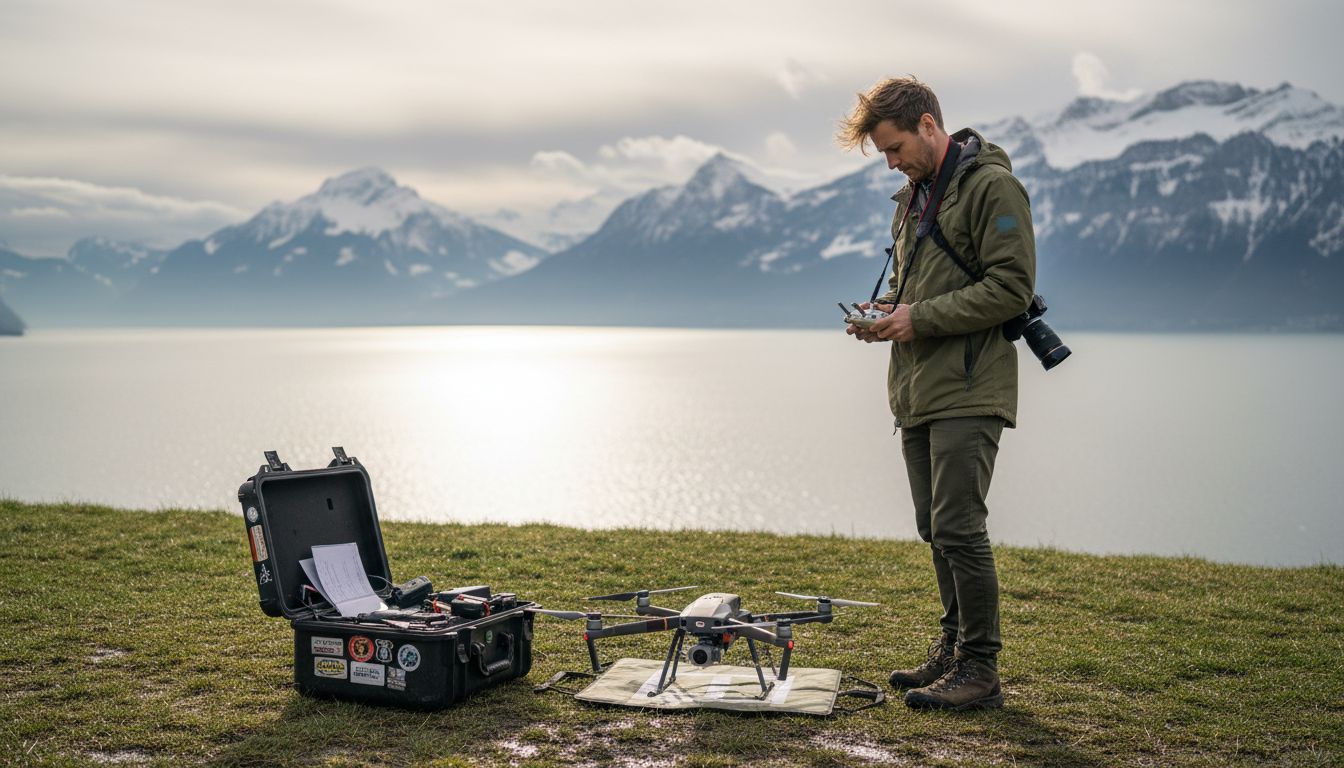
Most American filmmakers are surprised to learn that Switzerland enforces some of the strictest drone registration rules in Europe, with all operators of drones over 250 grams required to register before filming. For anyone planning a shoot in Switzerland, the risk of penalties and costly delays is real. Understanding the unique registration process helps American film crews stay compliant, avoid legal issues, and capture stunning aerial footage without interruption.
Table of Contents
Key Takeaways
Point | Details |
Drone Registration Required | All drones over 250 grams or equipped with data-capturing devices must be registered in Switzerland prior to operation. |
Compliance is Essential | Filmmakers must adhere to local aviation regulations and secure liability insurance, particularly for drones over 500 grams. |
Foreign Operators Acknowledged | EU-registered drone operators can operate in Switzerland without additional registration, while non-EU operators must register with local authorities. |
Severe Penalties for Non-Compliance | Violating drone regulations can lead to substantial fines, legal action, and potential imprisonment, making compliance critical. |
What Switzerland Drone Registration Means
Switzerland’s drone registration process represents a critical compliance requirement for international filmmakers using unmanned aerial systems. As of January 2023, the country implemented comprehensive drone regulations that mandate registration for all operators flying drones meeting specific technical criteria.
The registration requirement applies to drones weighing over 250 grams or equipped with cameras and sensors capable of capturing personal data. By implementing this system, Swiss authorities aim to enhance operational safety and improve traceability of drone usage across professional and recreational domains. Filmmakers must complete registration through the national drone platform called UAS.Gate before conducting any aerial filming activities.
Key registration requirements for international video production teams include:
Mandatory registration for all drones over 250 grams
Proof of operational competency
Compliance with Swiss aviation regulations
Detailed documentation of equipment specifications
Filmmakers should plan for potential processing times and ensure all documentation is accurately completed before arriving in Switzerland. Failure to register can result in significant legal complications and potential production delays, making proactive compliance crucial for smooth international video shoots.
Who Must Register And Exceptions
International filmmakers must carefully navigate Switzerland’s drone registration requirements, which apply to specific categories of unmanned aerial systems. Drone operators are generally required to register their equipment, with clear guidelines defining which drones fall under mandatory registration protocols.

The primary registration criteria focus on two key technical specifications. First, drones weighing more than 250 grams automatically require registration. Second, any drone equipped with cameras, microphones, or sensors capable of capturing personal data must also be registered through the national system, regardless of its weight. This means that most professional film production drones will need to complete the registration process before aerial filming can commence.
Exemptions to drone registration include:
Drones weighing less than 250 grams
Unmanned aerial systems without data-capturing equipment
Personal recreational drones used in non-commercial settings
Specialized model aircraft used in controlled environments
Filmmakers should note that even if their specific drone falls under an exemption, they must still comply with Swiss aviation regulations. Obtaining a UAS operator number remains a crucial step, and this identification must be visibly attached to the drone during all operations. Proactive verification of registration requirements can prevent potential legal complications and ensure smooth aerial filming experiences in Switzerland.
How To Register On dLIS Platform
International filmmakers planning aerial shoots in Switzerland must navigate the official dLIS platform for drone registration. This web application serves as the central hub for drone operators to complete their mandatory registration process, requiring a systematic approach to obtaining necessary operational credentials.
The registration process involves several critical steps. Operators must first create an account using the Swiss government login system, which supports either CH-Login or AGOV authentication methods. During registration, filmmakers will need to provide comprehensive details about their drone equipment, including technical specifications, weight, and data-capturing capabilities. Payment for registration can be completed using multiple methods, including credit cards, PostFinance Pay, PostFinance Card, and TWINT.
Key steps for successful registration include:
Create an account on the dLIS platform
Authenticate using Swiss government login credentials
Provide detailed drone equipment information
Complete required technical assessments
Pay the registration processing fee
Obtain official UAS operator number
Filmmakers should allocate sufficient time for the registration process, as verification and approval can take several business days. Ensuring all documentation is accurate and complete will help prevent potential delays in obtaining the necessary drone operation permissions for professional video production in Switzerland.
Marking And Remote ID Requirements
International filmmakers must adhere to Switzerland’s strict drone identification protocols, which involve both physical marking and digital tracking requirements. Each drone must be visibly marked with a unique personal UAS operator number (CHExxxxxxxxx) before any flight operations can commence, ensuring immediate identification and accountability.
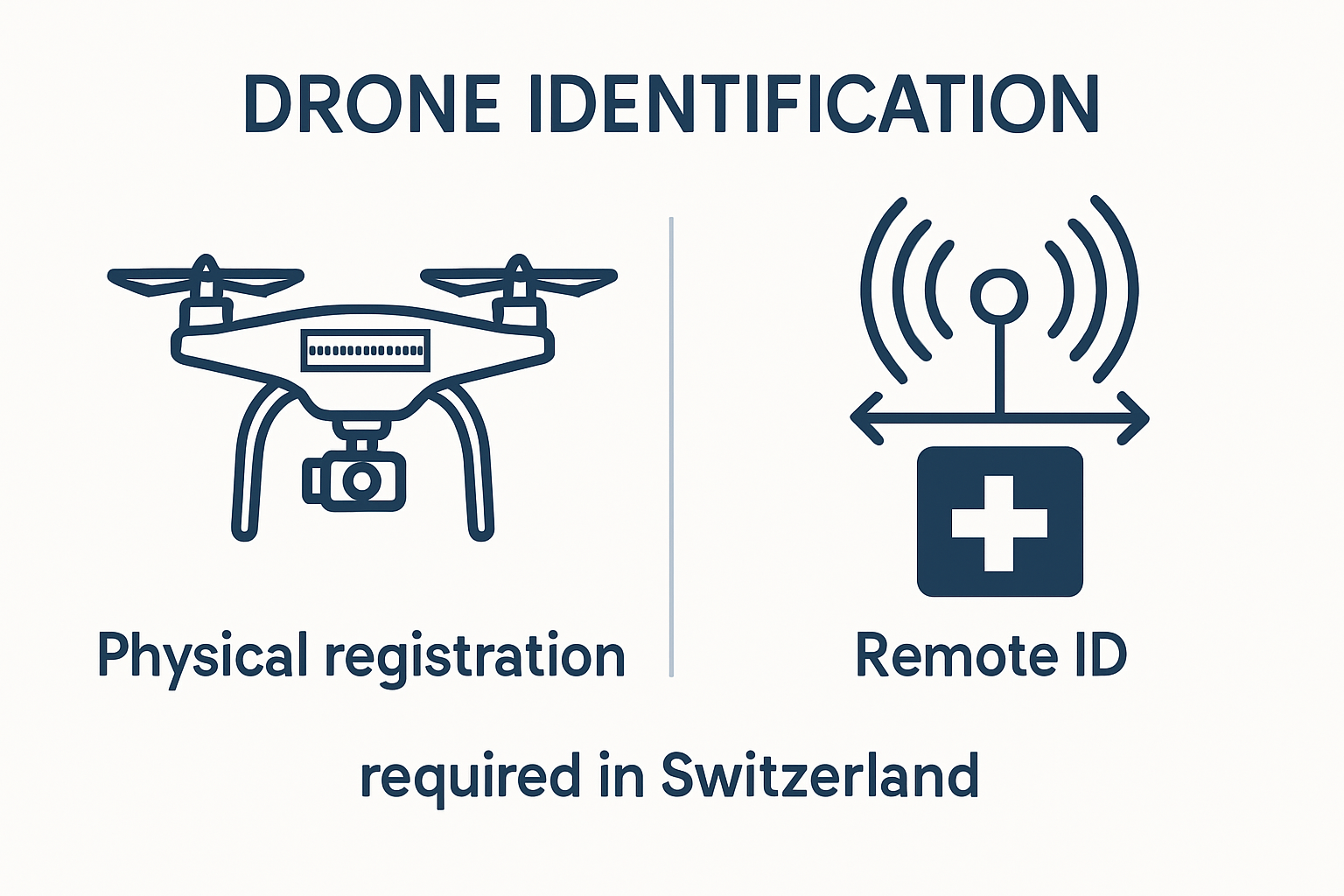
The remote identification system represents a sophisticated approach to drone tracking and safety. The network remote identification service continuously transmits critical flight information, including the drone operator’s registration number and specific operational details to authorized monitoring entities. This real-time tracking mechanism allows Swiss aviation authorities to maintain comprehensive oversight of drone activities across the national airspace.
Key marking and remote ID requirements include:
Permanent, visible UAS operator number on drone exterior
Unique identifier format starting with “CHE”
Continuous digital transmission of flight data
Real-time tracking capabilities
Compliance with Swiss aviation tracking standards
Immediate accessibility of operator information
Filmmakers should understand that these requirements are not merely bureaucratic procedures but critical safety measures. Failure to properly mark drones or maintain active remote identification can result in significant penalties, potential flight restrictions, and immediate grounding of aerial equipment during professional video production projects in Switzerland.
Foreign Operators And EU Recognition
International filmmakers navigating Swiss drone regulations will find a nuanced landscape of cross-border operational guidelines. Switzerland recognizes drone registrations from EU countries, offering a streamlined approach for foreign operators seeking to conduct aerial filming within its borders.
The regulatory framework provides distinct pathways for different types of foreign drone operators. EU-registered operators enjoy reciprocal recognition, allowing them to operate in Switzerland without additional registration processes. However, non-EU visitors must complete registration with the Swiss Federal Office of Civil Aviation (FOCA) before initiating any drone operations, ensuring comprehensive compliance and safety standards.
Key considerations for foreign drone operators include:
Verification of existing EU registration
Potential need for additional Swiss registration
Compliance with local aviation regulations
Understanding reciprocal recognition protocols
Maintaining up-to-date documentation
Checking specific equipment compatibility
Filmmakers should approach Swiss drone regulations with meticulous preparation. While the system offers flexibility for EU operators, non-EU international video production teams must invest time in understanding and completing the necessary registration requirements to ensure smooth, legal aerial filming experiences in Switzerland.
Penalty, Insurance And Compliance Risks
International filmmakers must navigate Switzerland’s complex drone regulatory landscape with extreme caution, understanding the severe consequences of non-compliance. Drone operators face significant legal risks for violations, with potential penalties ranging from substantial financial fines to criminal prosecution that could dramatically impact professional video production projects.
Liability insurance represents a critical component of drone operation in Switzerland. Operators of drones weighing over 500g must secure liability coverage with a minimum of 1 million CHF, ensuring financial protection against potential damages. The legal framework is designed to hold drone operators fully accountable for any incidents or accidents caused by their aerial equipment.
Key compliance and risk considerations include:
Mandatory liability insurance requirements
Potential criminal charges for reckless operation
Fines up to CHF 50,000
Possible imprisonment of up to three years
Immediate equipment confiscation
Permanent revocation of drone operation privileges
Filmmakers must recognize that Swiss drone regulations are not bureaucratic formalities but stringent safety protocols. One moment of negligence can result in devastating professional and legal consequences. Thorough preparation, comprehensive insurance, and meticulous adherence to regulations are not optional but essential for successful international video production in Switzerland.
Simplify Your Switzerland Drone Registration and Production Challenges Today
Navigating Switzerland’s detailed drone registration and compliance rules can be overwhelming, especially for international filmmakers seeking smooth aerial filming operations. From registering your drone on the official dLIS platform to meeting marking and remote ID requirements and understanding liability insurance, every step demands precision to avoid costly delays or legal trouble. Your aerial shoot deserves expert guidance to ensure full regulatory compliance without risk or stress.
Partner with a trusted local production service that understands these complexities inside and out. At Video Production Switzerland we specialize in managing not just the creative side of your shoot but also the intricate logistics including permits, drone operator registrations, and on-site coordination with proven efficiency. Don’t wait until your shoot is at risk—take control now by scheduling a free consultation and discover how our 20 years of experience can secure your drone operations and streamline your entire production in Switzerland.
Frequently Asked Questions
What is the drone registration requirement for international filmmakers in Switzerland?
International filmmakers must register all drones weighing over 250 grams or those equipped with cameras and sensors that capture personal data before conducting any aerial filming activities. This is mandatory as per Switzerland’s drone regulations implemented in January 2023.
How can filmmakers register their drones in Switzerland?
Filmmakers can register their drones through the official dLIS platform by creating an account, providing detailed information about their equipment, completing technical assessments, and paying the registration fee. It’s important to allow sufficient time for the registration process, as approval may take several business days.
Are there any exemptions to the drone registration requirements?
Yes, drones weighing less than 250 grams, unmanned aerial systems without data-capturing equipment, and personal recreational drones used in non-commercial settings are exempt from registration. However, even exempt drones must comply with Swiss aviation regulations.
What are the consequences of failing to register a drone in Switzerland?
Failing to register a drone can lead to significant legal penalties, including substantial fines, criminal prosecution, and potential grounding of the drone. Moreover, it may result in delays to professional video production projects and complications regarding legal compliance.
Recommended
