
Pre-Production, Production, Post-Production Workflow Impact


Most advice about video production leaves out just how much goes on behind the scenes. Getting an American film or commercial from concept to final cut takes a level of organization many never imagine. The process is split into pre-production, production, and post-production, each with unique demands and potential pitfalls. Understanding these stages is key for anyone wanting to create standout video content and avoid common mistakes that cost time and money.
Table of Contents
Key Takeaways
Point | Details |
Pre-Production Planning | Thorough planning during pre-production is vital, encompassing script development, budgeting, and location scouting to ensure smooth execution. |
Execution During Production | The production phase requires precise coordination among crew members to translate creative visions into tangible visuals effectively. |
Post-Production Refinement | Post-production plays a crucial role in editing, sound mixing, and visual effects to create a polished final product that engages audiences. |
Legal and Logistical Preparedness | Addressing legal considerations and logistics early on helps mitigate risks associated with permits, contracts, and compliance issues. |
Defining Pre-Production, Production, Post-Production
Video production is a complex, multi-staged process that transforms creative concepts into compelling visual narratives. At its core, the workflow encompasses three critical phases: pre-production, production, and post-production. Each stage plays a unique and interconnected role in creating high-quality video content that resonates with audiences.
The first phase, pre-production, represents the strategic planning foundation where all creative and logistical groundwork occurs. According to UNESCO’s definition of feature film production, this stage involves crucial tasks like securing film rights, developing screenplays, arranging financing, and assembling the core creative team. During pre-production, filmmakers meticulously outline their vision, create storyboards, scout locations, design production schedules, and cast talent. This preparatory phase determines the project’s overall direction and sets the stage for seamless execution.
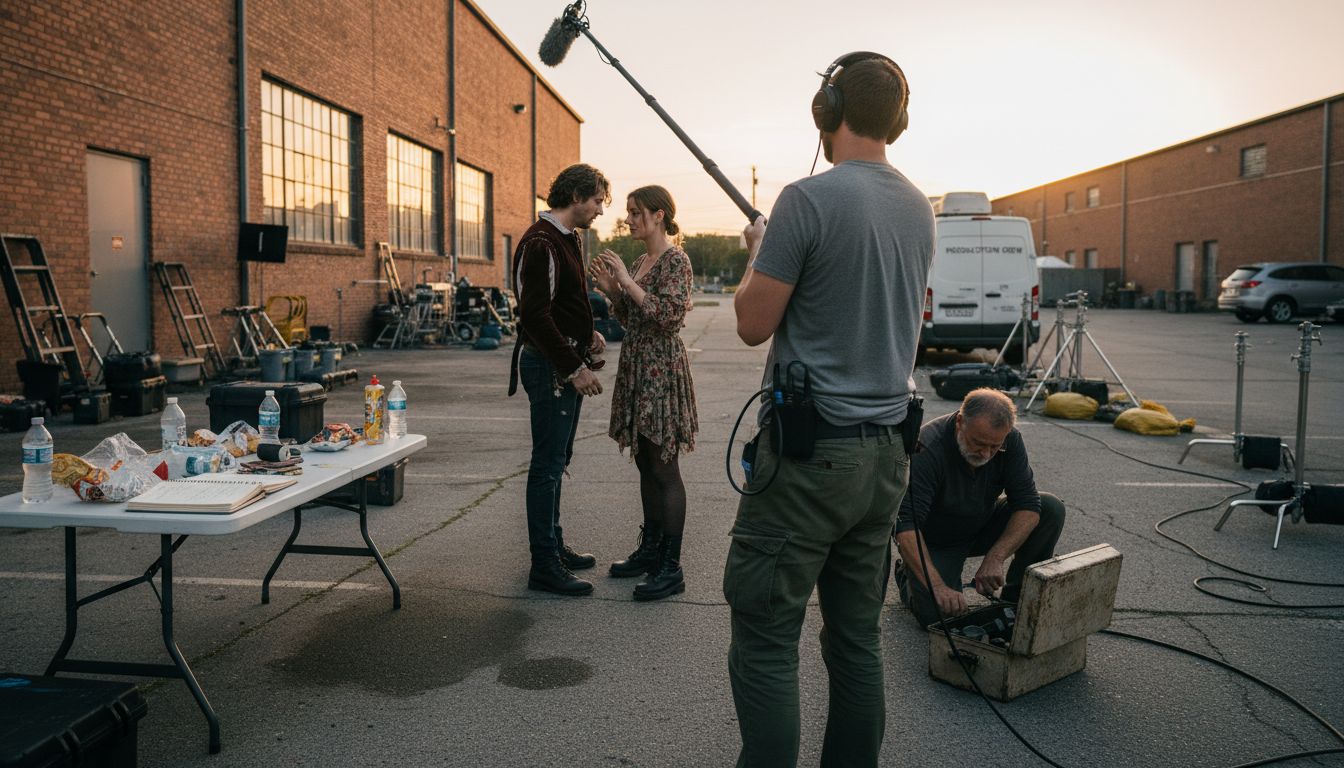
The production phase is the active filming stage where planned strategies transform into actual visual content. Detailed video production workflows reveal this is when cameras roll, actors perform, and directors translate script concepts into tangible scenes. Cinematographers capture footage, sound engineers record audio, and production designers ensure every visual element aligns with the creative vision. Efficient production requires precise coordination, technical expertise, and adaptability to capture authentic, high-quality content.
Finally, the post-production stage represents the critical refinement process where raw footage becomes a polished final product. This phase involves comprehensive editing, sound mixing, color grading, visual effects integration, and final narrative assembly. Editors carefully select and sequence shots, sound designers enhance audio quality, and graphic artists might add special effects or animations. The goal is transforming captured content into a cohesive, engaging visual story that effectively communicates the intended message and emotional resonance.
Essential Stages in Video Production Workflow
The video production workflow represents a systematic approach that transforms creative concepts into compelling visual narratives through carefully orchestrated stages. Comprehensive video production guides highlight the critical interconnectedness of these stages, where each phase builds upon the previous one to create seamless, high-quality content.
According to key communication research, the workflow comprises three fundamental stages: pre-production, production, and post-production. Pre-production serves as the strategic planning phase, where creative teams develop comprehensive roadmaps for their projects. This stage involves critical activities like script development, budgeting, location scouting, casting, and detailed logistical planning. Filmmakers and content creators meticulously outline their vision, anticipate potential challenges, and establish clear frameworks that will guide subsequent production efforts.
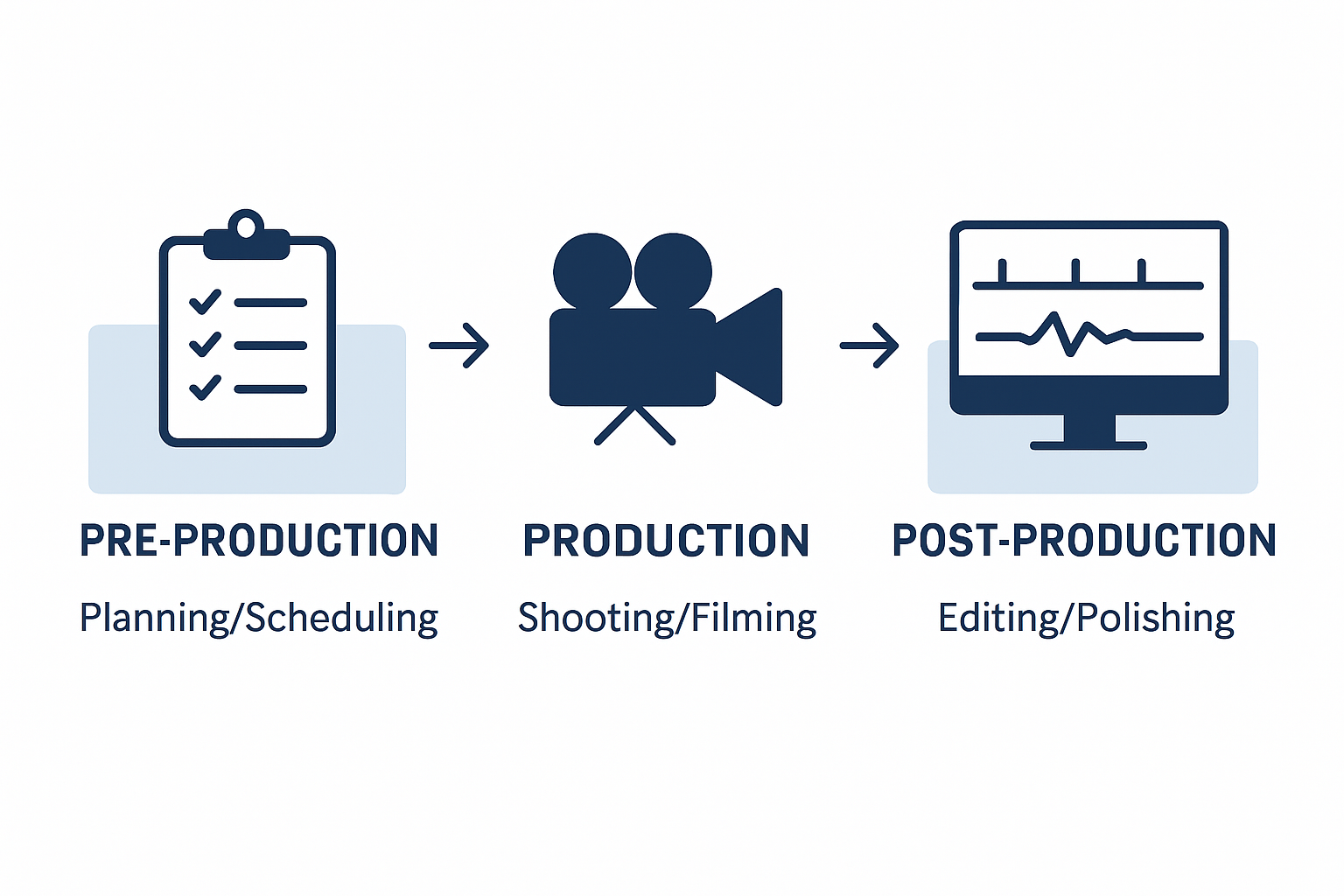
The production phase represents the active execution of those carefully crafted plans. During this stage, teams transition from theoretical planning to actual content creation. Cameras roll, actors perform, sound engineers capture audio, and cinematographers frame shots that bring the original concept to life. Detailed production workflows emphasize the importance of precise coordination, technical expertise, and adaptive problem-solving to capture authentic and compelling visual content.
The final stage, post-production, transforms raw footage into polished, professional media. This critical phase involves comprehensive editing, sound mixing, color grading, visual effects integration, and narrative refinement. Skilled editors carefully select and sequence shots, sound designers enhance audio quality, and graphic artists might add sophisticated visual elements. The ultimate goal is crafting a cohesive, engaging visual story that effectively communicates the intended message, emotional tone, and creative vision developed throughout the entire production process.
Key Team Roles and Responsibilities Explained
Video production is a collaborative art form that requires precise coordination and specialized expertise across multiple professional roles. Comprehensive production workflow guides emphasize the intricate interdependence of team members, where each individual contributes unique skills essential to creating compelling visual narratives.
According to key filmmaking research, several critical roles form the backbone of successful video production. The director emerges as the creative visionary, responsible for translating the project’s conceptual framework into tangible visual storytelling. They provide artistic direction, guide actors’ performances, and make crucial creative decisions that shape the overall narrative tone. The producer plays an equally vital role, managing the project’s logistical and financial dimensions. This professional handles budgeting, scheduling, resource allocation, and ensures the production remains aligned with both creative objectives and practical constraints.
Additional key team members include the cinematographer, who manages the technical and artistic aspects of camera work, determining visual composition, lighting, and shot selection. The sound engineer captures high-quality audio, balancing dialogue, ambient sounds, and potential musical elements. Production process insights/03%3A_The_Production_Process) highlight the editor as a critical role in post-production, responsible for assembling raw footage into a cohesive narrative. Editors select and sequence shots, apply color grading, integrate visual effects, and ultimately shape the final storytelling experience.
Beyond these primary roles, successful video productions rely on a complex ecosystem of specialized professionals. Production designers create visual aesthetics, costume designers craft character representations, makeup artists enhance performers’ appearances, and location managers identify and secure optimal shooting environments. Each team member contributes a specialized skill set, working in concert to transform creative concepts into powerful, engaging visual stories that resonate with audiences.
Logistics, Permits, and Legal Considerations
Successful video production hinges on meticulous logistical planning and comprehensive legal preparation. Location scouting strategies reveal the intricate complexities of navigating the preparatory landscape, where every detail can significantly impact project feasibility and execution.
According to pre-production research, location scouting represents a critical preliminary task that encompasses far more than visual selection. This process involves comprehensive legal and logistical assessments, including verifying property access rights, understanding local filming regulations, and securing necessary permits. Production teams must conduct thorough site evaluations, assessing factors like environmental constraints, potential noise restrictions, accessibility for equipment and crew, and potential disruptions to surrounding areas. Negotiating location agreements requires careful legal documentation, including location release forms, insurance certificates, and potentially complex contractual arrangements with property owners.
Permit acquisition represents another crucial dimension of pre-production logistics. Different jurisdictions maintain unique regulatory frameworks governing film and video production activities. Some regions require extensive documentation, including detailed shooting schedules, equipment manifests, insurance proof, and specific permits for drone usage, street closures, or filming in sensitive areas. Production process insights/03%3A_The_Production_Process) emphasize the importance of understanding local legal requirements, which can vary dramatically between urban, rural, and protected environments. Professional production teams must anticipate potential regulatory challenges, build contingency plans, and maintain flexible strategies that accommodate unexpected bureaucratic complexities.
Beyond location and permit considerations, legal preparation encompasses broader risk management strategies. This includes comprehensive insurance coverage, talent release forms, copyright clearances for music and visual elements, and potential international production regulations. Successful video productions rely on proactive legal planning, where potential obstacles are identified and mitigated well in advance of actual filming. The goal is creating a robust framework that protects creative vision while ensuring regulatory compliance and minimizing potential legal and financial risks.
Common Pitfalls and How to Avoid Them
Video production presents a complex landscape of potential challenges that can derail even the most meticulously planned projects. Comprehensive production workflow guides emphasize the critical importance of understanding and proactively addressing potential obstacles before they escalate into significant problems.
According to production process research/03%3A_The_Production_Process), inadequate planning represents the most fundamental pitfall that can compromise an entire video production. This challenge manifests through multiple dimensions: insufficient script development, unrealistic budget allocations, poor crew coordination, and lack of contingency strategies. Successful teams mitigate these risks by breaking down each production phase into manageable segments, creating detailed timelines, establishing clear communication protocols, and developing flexible backup plans that can adapt to unexpected challenges.
Another critical pitfall involves resource mismanagement, which can quickly derail production timelines and budgets. This includes inefficient equipment allocation, underestimating time requirements for specific shots, and failing to account for potential technical complications. Pre-production planning insights suggest that thorough preparation involves comprehensive equipment inventories, realistic time budgeting, technical redundancy planning, and maintaining open communication channels among all production team members. Professional productions often build buffer time and financial contingencies into their planning, recognizing that unexpected challenges are inevitable in complex creative projects.
The final significant pitfall centers on legal and compliance oversights, which can create potentially devastating consequences. These risks include inadequate location permits, incomplete talent releases, copyright infringement possibilities, and insufficient insurance coverage. Successful video production teams proactively address these concerns by consulting legal professionals, developing comprehensive documentation protocols, conducting thorough location and talent research, and maintaining meticulous records throughout the production process. The goal is creating a robust risk management framework that protects the creative vision while ensuring legal and financial security.
Ensure Flawless Execution at Every Stage of Your Video Production
Navigating the challenges of pre-production, production, and post-production requires expert coordination and deep local knowledge. From securing permits and scouting prime locations to managing equipment and crew, every detail matters to keep your project on schedule and within budget. If you want to avoid common pitfalls like legal delays, resource mismanagement, and logistical headaches it is crucial to partner with a reliable local expert who understands the Swiss environment inside and out.
Take control of your video production workflow today with Video Production Switzerland. Benefit from over 20 years of experience in managing all logistical aspects including permits, trusted crew sourcing, transportation, and accommodations. Start your journey with a free consultation, get a personalized needs assessment, and experience smooth execution that brings your creative vision to life without stress or surprises. Explore our approach now at Video Production Switzerland and make your next project a success.
Frequently Asked Questions
What is the pre-production phase in video production?
The pre-production phase is the strategic planning foundation where filmmakers secure film rights, develop screenplays, arrange financing, and assemble the core creative team. This phase includes outlining the vision, creating storyboards, scouting locations, and casting talent.
How does the production phase differ from pre-production?
The production phase is the active filming stage where the plans made during pre-production are executed. This involves rolling cameras, directing actors, and capturing audio and visual content, transforming scripts into tangible scenes.
What key activities take place during post-production?
During post-production, raw footage is edited, and the final product is polished. This stage includes comprehensive editing, sound mixing, color grading, and the integration of visual effects to create a cohesive, engaging narrative.
What are common pitfalls to avoid in video production?
Common pitfalls include inadequate planning, resource mismanagement, and legal compliance oversights. Successful teams mitigate these risks through detailed timelines, proper resource allocation, and thorough legal preparation.
Recommended
