
How to Transport Heavy Equipment for Film Shoots Safely

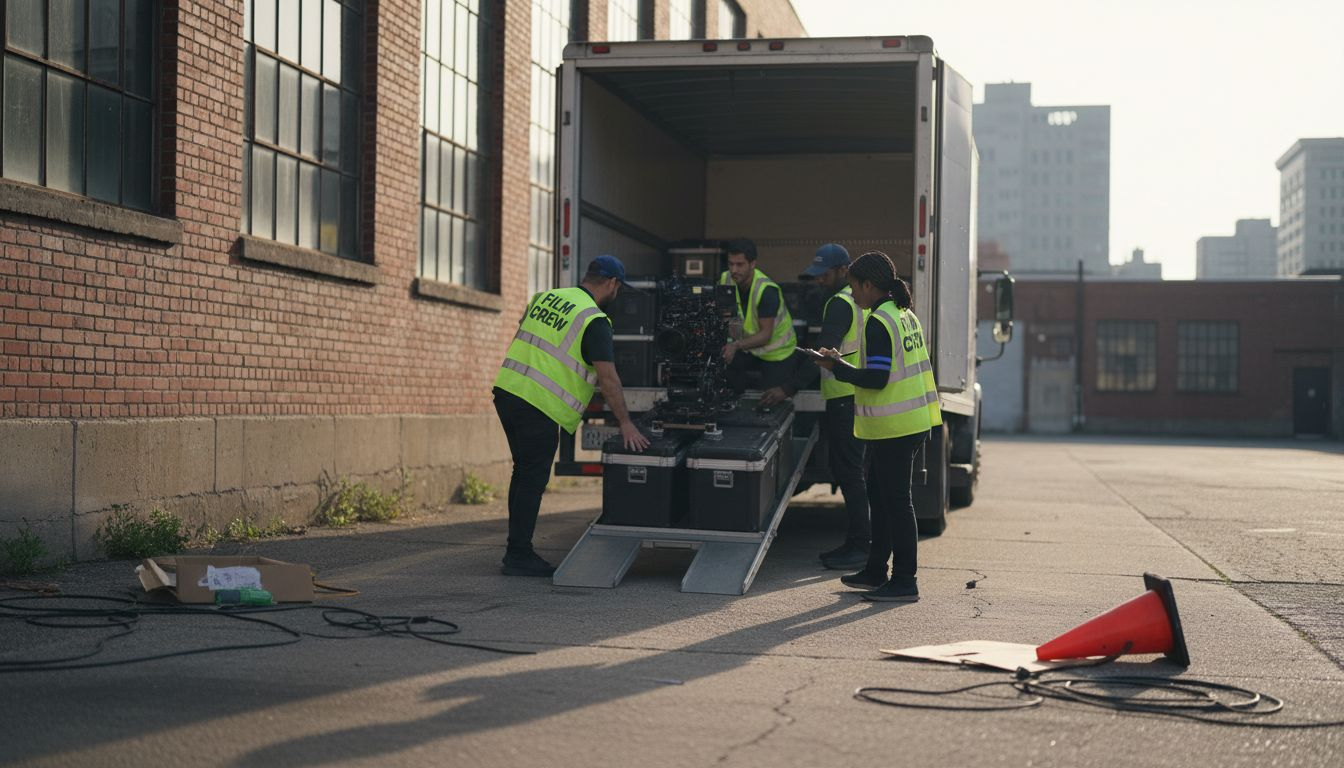
Most film producers are surprised to learn that improper transport causes over 15 percent of major equipment failures during on-site shoots. For international teams working in Switzerland, safely moving heavy gear is far more complex than booking a truck or copying an american logistics approach. From alpine passes to strict Swiss regulations, each step demands local expertise. This guide helps you anticipate every challenge and safeguard your film production’s most critical assets.
Table of Contents
Quick Summary
Key Point | Explanation |
1. Assess Equipment Needs Thoroughly | Create a detailed inventory of all equipment, including specifications, to select suitable transport methods. |
2. Use Protective Packaging for Gear | Invest in high-quality packaging materials tailored to each type of equipment to prevent damage during transit. |
3. Schedule Reliable Transport Services | Vet transport companies for experience with film equipment to ensure safe and efficient delivery. |
4. Implement Precise Loading Protocols | Organize a systematic loading process to secure equipment and minimize movement during transportation. |
5. Verify Equipment Condition on Arrival | Conduct thorough inspections and functional tests of equipment upon arrival to address any damage immediately. |
Step 1: Assess Equipment Needs and Route Requirements
Transporting heavy film equipment requires meticulous planning to prevent damage and ensure smooth logistics. In this crucial first step, you will comprehensively evaluate your production’s specific equipment requirements and potential transportation challenges, mapping out a strategic approach that minimizes risks and maximizes efficiency.
Begin by conducting a detailed equipment inventory that goes beyond basic listing. Measure and document exact dimensions and weights for each piece of gear, including cameras, lighting rigs, sound equipment, and specialized film machinery. Understanding precise specifications allows you to select appropriate transportation methods and vehicles. When planning routes, consider the vehicle routing challenges that impact equipment transport, which involve balancing operational constraints like vehicle capacity, total travel distance, and potential logistical obstacles.
Carefully research potential transportation routes, analyzing road conditions, terrain complexity, and potential environmental factors that might impact your equipment. Check local transportation regulations, required permits, and any specialized handling requirements for oversized or sensitive film gear. Factor in potential weather variations, mountain passes, urban congestion zones, and other geographic challenges specific to your Swiss production location. Consulting with local transportation experts can provide invaluable insights into navigating Switzerland’s unique logistical landscape.
Here is a summary of critical considerations for Swiss film equipment transport:
Key Factor | Why It Matters | Example Challenge |
Route Complexity | Affects travel time and safety | Navigating mountain passes |
Vehicle Capacity | Ensures all equipment fits securely | Large lighting rigs |
Local Regulations | Prevents legal or permit issues | Street access in cities |
Environmental Conditions | Influences packaging and scheduling | Sudden snowfall |
Crew Expertise | Reduces risk of equipment mishandling | Inexperienced with film gear |

Pro Tip: Create a digital spreadsheet with comprehensive equipment details including exact measurements, weight, fragility rating, and special handling instructions to streamline your transportation planning process.
Step 2: Prepare Gear and Secure Proper Packaging
Preparing film equipment for transportation requires strategic packaging and protective measures that safeguard your valuable gear from potential damage during transit. This critical stage involves selecting appropriate materials and implementing robust protection techniques to ensure your equipment arrives safely at the production location.
Carefully select packaging materials that match the specific requirements of each piece of equipment. Invest in high-quality protective cases, custom foam inserts, and specialized transportation containers designed for professional film gear. When packaging, pay close attention to comprehensive transport packaging design principles that address potential handling and environmental risks. This means using shock absorbing materials, creating custom fitted supports, and ensuring each item is individually secured to prevent movement during transportation.
Document and label each packaged item meticulously. Take detailed photographs of equipment before packaging as a reference and insurance documentation. Create an inventory spreadsheet that tracks each item with its specific packaging requirements, weight, dimensions, and any special handling instructions. Consider environmental factors specific to your Swiss transportation route such as altitude changes, temperature variations, and potential rough terrain that might impact your equipment during transit.
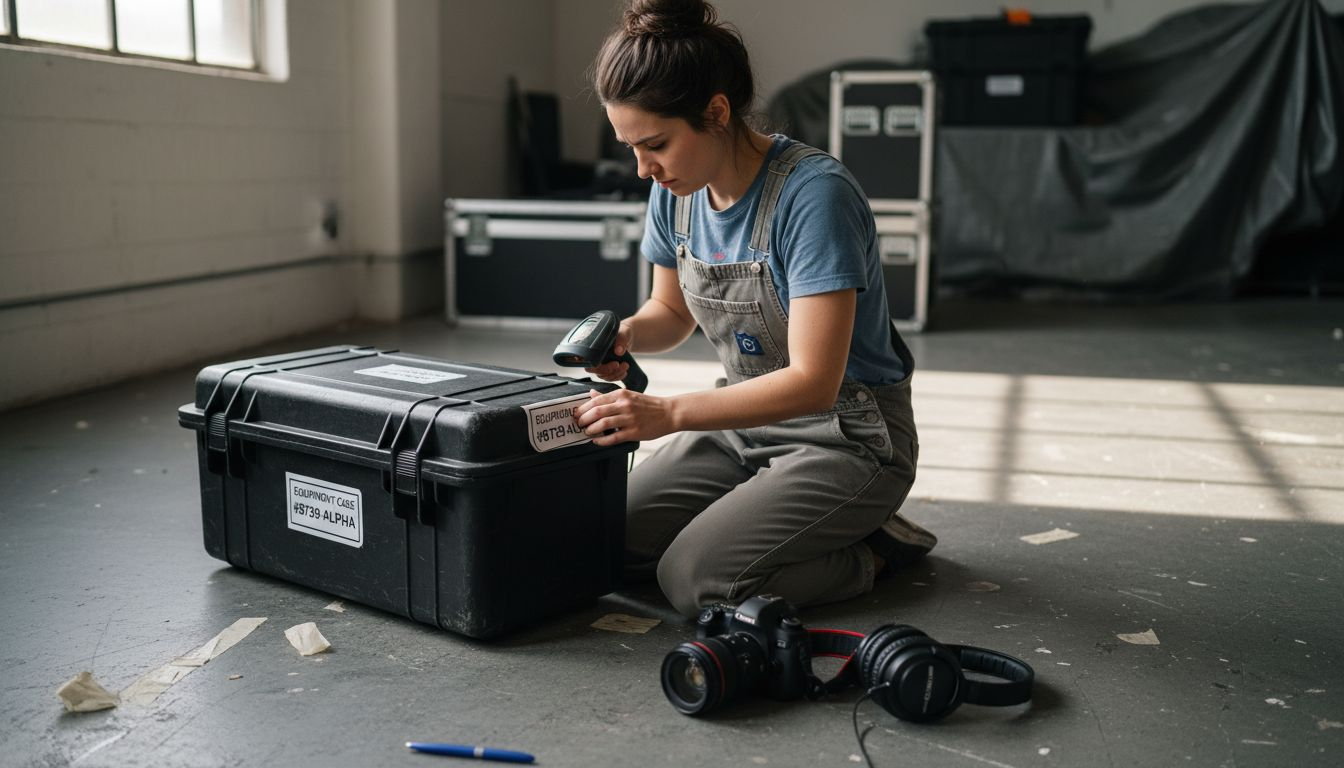
Pro Tip: Invest in professional grade waterproof and shock resistant cases with customizable foam interiors that can be precisely cut to match your specific film equipment dimensions.
Use this quick reference to select the optimal packaging for your film equipment:
Equipment Type | Best Packaging Solution | Extra Protection Needed |
Camera Bodies | Shock-proof hard cases | Custom foam inserts |
Lighting Fixtures | Padded transport containers | Moisture barriers |
Audio Equipment | Water-resistant molded cases | Silica gel packs |
Tripods/Stands | Reinforced soft bags | Edge guards |
Cables & Accessories | Labeled zip pouches | Tangle prevention wraps |
Step 3: Book Reliable Transport Vehicles and Crew
Selecting the right transportation vehicles and professional crew is a critical step in ensuring your film equipment arrives safely and efficiently at its destination. This stage involves carefully vetting transportation providers who understand the unique challenges of moving sensitive and heavy film equipment across complex terrain.
Research and contact specialized transport companies with proven experience in handling professional film production equipment. Look for providers who demonstrate expertise in fleet management and vehicle safety standards and have specific experience navigating Swiss transportation routes. Prioritize companies with comprehensive insurance coverage, well maintained vehicles, and crews trained in handling delicate technical equipment. Request detailed portfolios that showcase their previous experience with film production logistics and ask for references from other production companies who have used their services.
During your selection process, conduct thorough interviews with potential transport teams. Verify each crew member’s qualifications, including their understanding of specialized equipment handling, route navigation skills, and familiarity with Swiss transportation regulations. Request comprehensive documentation of their safety protocols, vehicle maintenance records, and professional certifications. Pay special attention to their ability to manage unexpected challenges such as mountain passes, variable weather conditions, and potential logistical complications unique to film production equipment transportation.
Pro Tip: Always schedule an in person equipment walkthrough with your selected transport crew to ensure they fully understand the specific handling requirements of your unique film gear.
Step 4: Implement Loading and Handling Procedures
Loading and handling film equipment requires precision, teamwork, and a methodical approach to prevent damage and ensure the safety of your valuable gear. This critical stage demands careful coordination and implementation of professional loading techniques that protect your equipment throughout the transportation process.
Begin by referencing comprehensive loading and unloading safety protocols to establish a structured approach. Organize your crew into specific roles with clear responsibilities for equipment handling. Designate a lead coordinator who will oversee the entire loading process and ensure each team member understands their specific tasks. Before loading begins, conduct a brief safety meeting to review the equipment manifest, discuss potential challenges, and establish clear communication signals to manage complex or heavy equipment movements.
Implement a systematic loading strategy that prioritizes weight distribution and equipment stability. Start by positioning the heaviest items first, securing them to the vehicle floor using appropriate restraints and padding. Create strategic buffer zones between different equipment pieces using custom foam blocks or specialized transportation padding. Assign team members to monitor load balance during initial placement and make real time adjustments as needed. Continuously check and recheck equipment positioning to prevent potential shifting during transportation, paying special attention to delicate items that require extra stabilization.
Pro Tip: Create a detailed loading diagram before the actual transport day that maps out exact equipment placement and securing methods to streamline the loading process and minimize potential errors.
Step 5: Verify Arrival and Equipment Condition on Site
Upon arriving at your film production location, conducting a thorough equipment verification process is crucial to ensure all gear has survived transportation intact and is ready for immediate use. This final step requires systematic documentation and careful inspection to protect your production investment and prevent potential shooting delays.
Begin by implementing comprehensive condition reporting protocols that provide a structured approach to equipment assessment. As soon as the transport vehicle arrives, assemble your designated inspection team and carefully unload each piece of equipment. Systematically unpack items, comparing their current state against the pre transportation documentation and original packaging. Photograph each piece of equipment from multiple angles, creating a visual record that captures any potential damage or changes that might have occurred during transit. Document even minor scratches or irregularities with detailed notes and images to support potential insurance claims or equipment replacement needs.
Conduct a functional test for each critical piece of equipment immediately after visual inspection. Power up cameras, test lighting rigs, check sound equipment connections, and verify that all mechanical and electronic components are functioning precisely as they should. Pay special attention to sensitive items that might have been exposed to temperature variations or mechanical stress during transportation. If you identify any issues, immediately contact your transport team and insurance provider to initiate repair or replacement processes. Keep all original packaging and documentation as potential evidence for any necessary claims.
Pro Tip: Create a digital spreadsheet with a detailed checklist and photographic evidence that can be instantly shared with your production team and insurance provider to streamline any potential equipment verification or damage assessment processes.
Ensure Safe Transport of Your Film Equipment with Expert Swiss Support
Transporting heavy film equipment involves complex challenges like route complexity, precise packaging, and reliable handling crews as outlined in the article. You may feel overwhelmed coordinating every step to protect valuable gear while navigating Swiss regulations and difficult terrains. Key pain points include securing proper packaging, managing vehicle capacity, and verifying equipment condition on arrival. These are critical to avoid costly delays or damage.
At Video Production Switzerland, we specialize in solving these exact problems. With over 20 years of local expertise, our professional team offers trusted logistics management, reliable transport crews, and detailed route planning tailored to your equipment’s specific needs. From handling permits to providing expertly trained personnel, we help you minimize risks and focus on your creative vision.
Don’t leave your film shoot to chance. Discover how our comprehensive services can streamline your equipment transportation and overall production experience in Switzerland. Visit Video Production Switzerland today to schedule your free consultation and start planning flawless transport logistics that protect your investment and keep your shoot on track.
Frequently Asked Questions
How can I assess my film equipment transport needs?
Assess your film equipment transport needs by conducting a detailed inventory of all gear, including weights and dimensions. Create a comprehensive list to help select appropriate transportation methods and plan efficient routes.
What type of packaging is best for heavy film equipment during transport?
High-quality protective cases and custom foam inserts are the best for heavy film equipment. Prioritize packaging that provides shock absorption and secures each item to prevent movement during transit.
How do I choose the right transportation provider for film equipment?
Select a transportation provider with proven experience in handling sensitive film equipment. Vet potential providers by checking their portfolios, insurance coverage, and qualifications of their crew members to ensure they can manage the unique challenges of transporting film gear.
What steps should I take for loading and handling film equipment?
Follow established loading and unloading safety protocols, and assign specific roles to your crew. Prioritize the heaviest items first and secure them properly to enhance stability and protect against damage during transport.
How can I verify the condition of equipment upon arrival?
Verify the condition of equipment by conducting a thorough inspection as soon as it arrives. Unpack each item, compare it to pre-transport documentation, and perform a functional test on critical gear to ensure everything is operational.
What should I do if damage is found during inspection?
If you find any damage during inspection, document it thoroughly with notes and photographs. Contact your transportation team and insurance provider immediately to initiate repair or replacement processes.
Recommended
