
How to Transport Cranes Safely for Film Productions

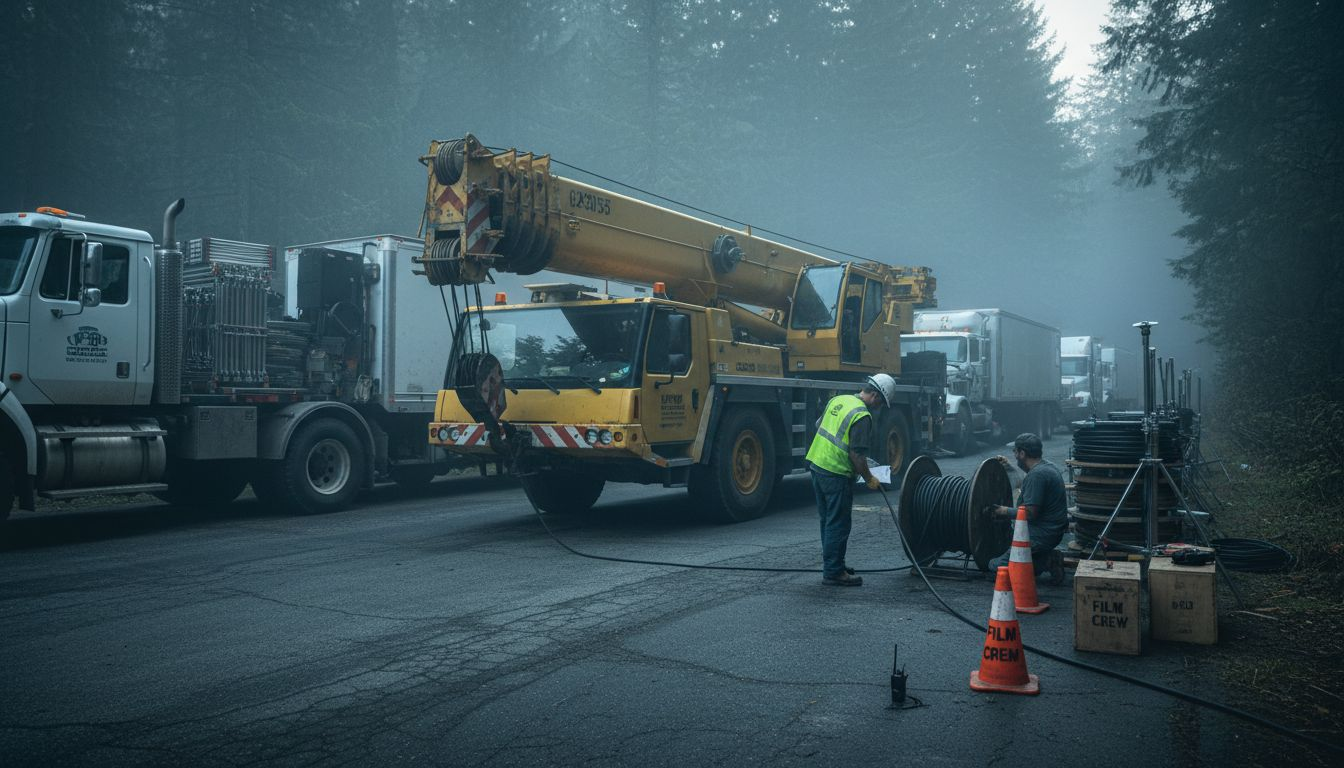
Transporting cranes for film shoots in Switzerland brings unique challenges that go far beyond basic equipment rental. International producers and logistics managers face a maze of strict safety standards, specialized transport permits, and complex route plans, making careful preparation vital for smooth operations. From understanding compliance with ISO guidelines to managing local permits and ground conditions, this guide highlights the most important steps to guarantee safe, legal, and efficient crane movement for your production.
Table of Contents
Quick Summary
Key Point | Explanation |
1. Assess crane specifications | Review weight, dimensions, and operational guidelines relevant to crane transport to ensure safety. |
2. Secure necessary permits | Obtain all required transportation permits and coordinate with local authorities for compliance. |
3. Select appropriate transport | Choose transport equipment that matches crane specifications and is capable of handling its weight. |
4. Coordinate with local agencies | Create a communication strategy to liaise with transport departments and minimize transportation risks. |
5. Conduct thorough inspections | Verify the crane’s condition upon arrival, focusing on structural integrity and operational readiness. |
Step 1: Assess Crane Transport Requirements
Assessing crane transport requirements is a critical first step in ensuring safe and compliant film production equipment movement. This process involves carefully evaluating multiple technical and regulatory factors to prevent potential safety risks and logistical challenges.
Begin by thoroughly reviewing the crane operational guidelines and safety standards that apply to your specific crane type and transportation scenario. Different crane classifications - mobile, tower, jib, and bridge - have unique transportation considerations. You will need detailed documentation about the crane’s weight, dimensions, structural specifications, and manufacturer recommended transport procedures. Pay special attention to ground conditions, potential electrical hazard zones, and route planning that accounts for overhead clearances, bridge weight limits, and road restrictions.
Comprehensive assessment requires collaboration with qualified logistics personnel who understand both the technical crane specifications and transportation regulations. This means verifying all permits, consulting local transportation departments about route restrictions, and ensuring your transportation vehicle matches the crane’s weight and dimension requirements. Double check that your transport vehicle has proper securing mechanisms, reinforced suspension, and appropriate trailer attachments designed specifically for heavy industrial equipment.
Pro tip: Always request and review the manufacturer’s specific transportation manual and conduct a pre-transport site survey to identify potential obstacles or challenges before moving your crane.
Here’s a comparison of common crane types and their key transportation challenges:
Crane Type | Main Transport Challenge | Logistics Impact |
Mobile | Requires special permits | Road closures sometimes needed |
Tower | Oversized dimensions | Police escort often required |
Jib | Sensitive structural parts | Custom attachment setup needed |
Bridge | Heavy load and length | Bridge weight restriction issues |
Step 2: Secure Permits and Arrange Logistics
Securing permits and arranging logistics represent the most complex phase of crane transportation for film productions. Your primary goal is to navigate the intricate regulatory landscape while ensuring smooth equipment movement and legal compliance.
Start by meticulously preparing comprehensive transportation documentation that covers all legal requirements for oversized equipment transport. This process involves obtaining specialized permits from local transportation authorities, coordinating with police departments for potential escort services, and mapping out precise routes that accommodate your crane’s dimensions and weight. You will need to submit detailed site plans, demonstrate compliance with local road restrictions, and secure necessary approvals from municipal and state transportation agencies.
Careful logistical planning means working closely with transportation specialists who understand the nuanced requirements for moving industrial equipment. This includes verifying weight distribution specifications, arranging appropriate trailer and truck configurations, scheduling optimal transportation windows to minimize traffic disruption, and ensuring all safety protocols are documented and approved. You must also coordinate with local film commissions and property managers to secure access permissions for your shooting locations and potential crane assembly areas.
Pro tip: Request multiple permit copies and maintain digital backups to prevent potential administrative complications during your production.
Step 3: Select Proper Transport Equipment
Selecting the right transport equipment is crucial for safely moving cranes during film production. Your goal is to match the crane’s specific characteristics with appropriate transportation vehicles and support equipment that ensure secure and efficient movement.
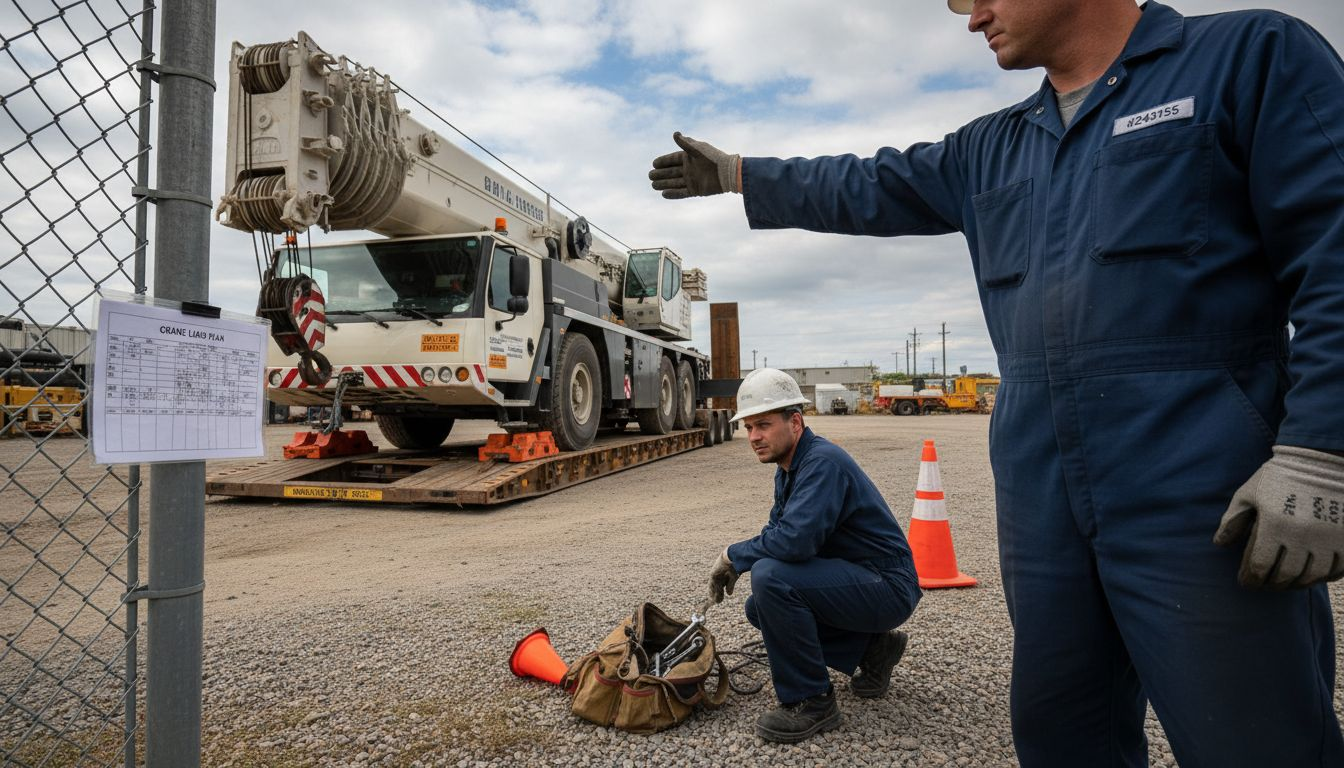
Begin by thoroughly reviewing material handling equipment specifications that match your crane’s unique requirements. This involves carefully analyzing the crane’s total weight, dimensions, structural design, and specialized transportation needs. You will need to choose trailers with appropriate weight capacities, reinforced suspension systems, and secure attachment mechanisms that can handle the crane’s load distribution. Consider factors such as axle configurations, load ratings, trailer deck strength, and compatibility with different terrain conditions you might encounter during transport.
Consult with specialized transportation engineers who can provide expert recommendations on trailer selection, load securing techniques, and potential modifications needed to accommodate your specific crane. This might include selecting flatbed trailers with adjustable mounting points, using specialized cradle systems that support the crane’s unique geometry, and ensuring that all attachment points meet industry safety standards. Pay close attention to weight distribution, center of gravity considerations, and potential stress points that could compromise the crane’s structural integrity during transportation.
Pro tip: Always conduct a detailed pre transport equipment inspection and obtain manufacturer recommended loading specifications to prevent potential transportation risks.
Step 4: Coordinate with Local Authorities
Coordinating with local authorities represents a critical phase in ensuring smooth and legal crane transportation for your film production. Your primary objective is to establish clear communication channels with multiple government agencies to secure necessary approvals and maintain compliance throughout the transportation process.
Begin by thoroughly researching and identifying competent transport authorities responsible for regulating heavy equipment movement in your specific region. This involves creating a comprehensive communication strategy that includes proactive outreach to transportation departments, police services, fire marshals, and municipal offices. You will need to prepare detailed documentation explaining your crane transportation route, equipment specifications, proposed transportation timeline, and potential impact on local infrastructure. Each jurisdiction may have unique requirements regarding oversized equipment transport, so careful preparation and early engagement are essential to preventing potential delays or legal complications.
Develop a systematic approach to authority coordination that includes scheduling preliminary meetings, submitting comprehensive transportation plans, and obtaining written permissions from relevant agencies. This means creating precise route maps, demonstrating safety protocols, providing detailed equipment specifications, and potentially arranging police escorts for challenging transportation segments. Pay special attention to emergency service access, road weight restrictions, overhead clearance limitations, and potential traffic management requirements that might affect your crane transportation strategy.
Pro tip: Create a dedicated communication folder with all agency contact information and copies of submitted permits to streamline your authority coordination process.
Step 5: Verify Safe Delivery and Setup
Verifying safe delivery and setup is the final critical phase of crane transportation for film productions. Your primary objective is to conduct thorough inspections and ensure the crane is properly positioned and ready for operational use while maintaining the highest safety standards.
Begin by executing comprehensive crane safety protocols that include multiple layers of systematic inspection. This involves performing initial visual assessments to identify any potential transportation damage, checking structural integrity, verifying all components are intact, and confirming that the crane matches the original specifications. You must meticulously examine mounting points, structural connections, electrical systems, hydraulic lines, and mechanical components to ensure nothing was compromised during transport.
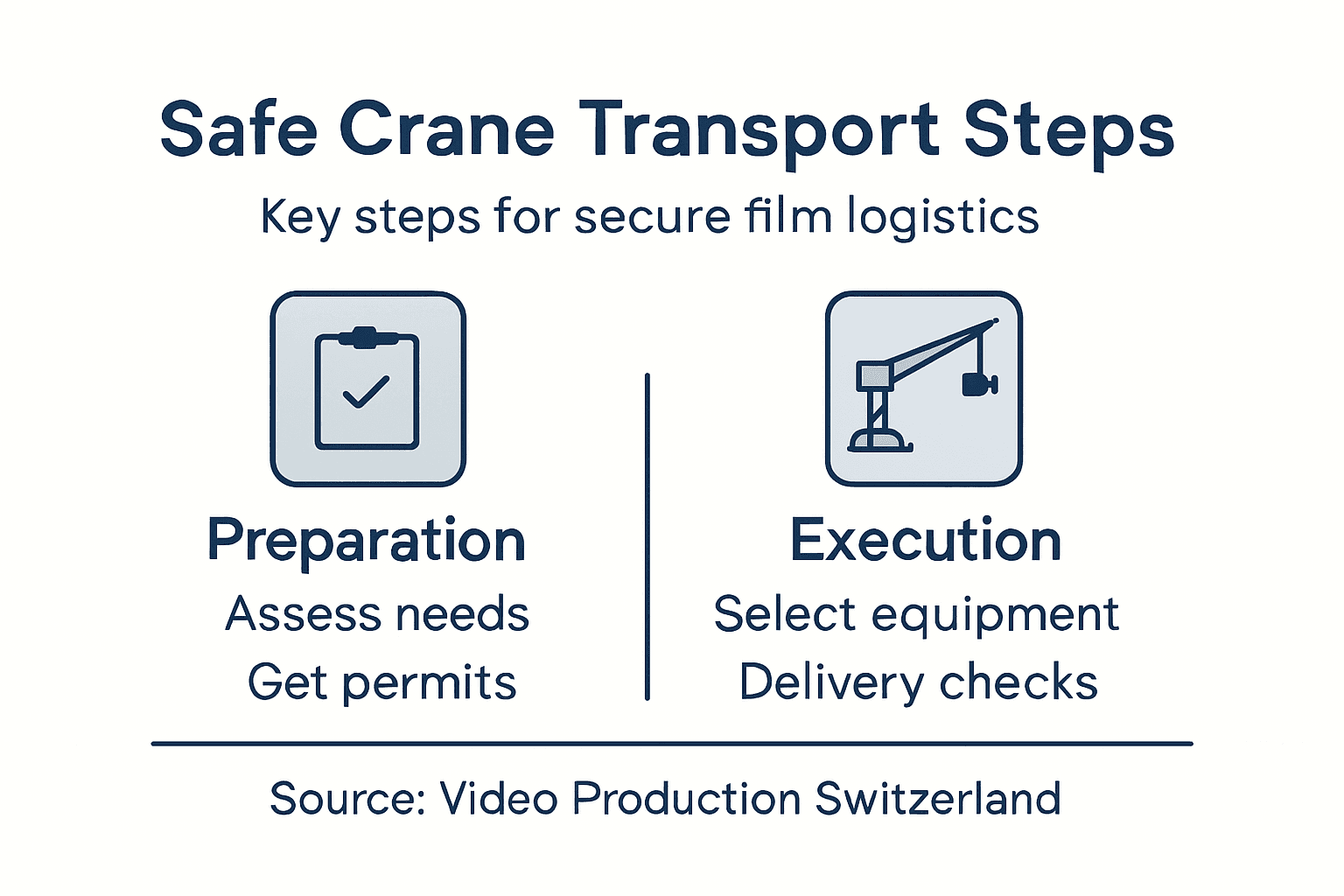
Conduct a detailed operational readiness assessment that goes beyond visual inspection. This means testing all functional systems, verifying load charts, checking operational aids and safety mechanisms, and ensuring the crane is level and stable on the designated setup site. Pay particular attention to ground conditions, potential underground utility interference, overhead clearance, and proximity to electrical infrastructure. Engage a qualified crane inspector or certified technician to perform final verification and sign off on the crane’s operational readiness before any film production equipment is attached or lifted.
Pro tip: Maintain a detailed inspection checklist and photograph each verification stage to document the crane’s condition upon arrival and setup.
This table summarizes critical safety inspections for crane delivery and setup:
Inspection Area | What to Check | Safety Benefit |
Structural Parts | Integrity of joints, welds | Prevents operational failure |
Hydraulics | Fluid leaks, pressure tests | Ensures lifting power |
Electrical System | Functionality, damage signs | Prevents short circuits |
Mounting Points | Secure, level placement | Stops tipping or instability |
Ensure Safe Crane Transport with Expert Film Production Logistics in Switzerland
Transporting cranes safely for film productions requires precise planning, strict adherence to permits, and expert coordination with local authorities. If you are facing challenges like securing the right permits, selecting adequate transport equipment, or managing complex logistics, you are not alone. The pressure to meet safety standards and operational deadlines can create stress and risk costly delays.
At Video Production Switzerland, we specialize in tackling these exact pain points. With over 20 years of experience, our expert team manages everything from permit acquisition to coordinating with local authorities and sourcing trusted crew who understand heavy equipment logistics. We ensure your crane delivery and setup follow all required safety protocols for smooth, on-time shoots without unnecessary surprises.

Partner with us to simplify your crane transportation process. Start with a free consultation to assess your unique needs and benefit from seamless logistical support tailored to the Swiss environment. Visit our website now to take the stress out of your film production logistics and secure a reliable local partner for your next project.
Frequently Asked Questions
How do I assess crane transport requirements for film productions?
Assess crane transport requirements by evaluating the crane’s weight, dimensions, and safety standards specific to your crane type. Collaborate with logistics personnel to identify route planning considerations and ensure compliance with local regulations.
What permits do I need for transporting cranes during film production?
To transport cranes, you need to secure specialized permits from local authorities and potentially arrange police escorts depending on the crane’s dimensions. Prepare detailed documentation, including transportation plans and site layouts, to demonstrate compliance with legal requirements.
How can I select the proper transport equipment for cranes?
Select transport equipment by matching the crane’s specifications, such as weight and structural design, with appropriate trailers and securing mechanisms. Consult with transportation engineers to recommend suitable trailer configurations and load securing methods.
What safety checks should I perform during crane delivery and setup?
Perform thorough safety inspections that include checking structural integrity, hydraulic systems, and electrical components. Use a detailed checklist to ensure that all systems are functioning correctly, and engage a qualified technician for final verification before operation.
How do I coordinate with local authorities for crane transport?
Coordinate with local authorities by reaching out to transportation departments and preparing an organized communication strategy. Schedule meetings to discuss your transportation plans and obtain necessary permissions, ensuring to highlight potentially impacted roads and infrastructure.
What challenges might I face when transporting different types of cranes?
Each crane type presents unique transport challenges, such as oversized dimensions for tower cranes and special permits for mobile cranes. Be prepared to navigate these challenges by being well-informed of specific regulations and engaging experienced logistics personnel.
Recommended
