
How to Plan for a Photoshoot: A Step-by-Step Guide

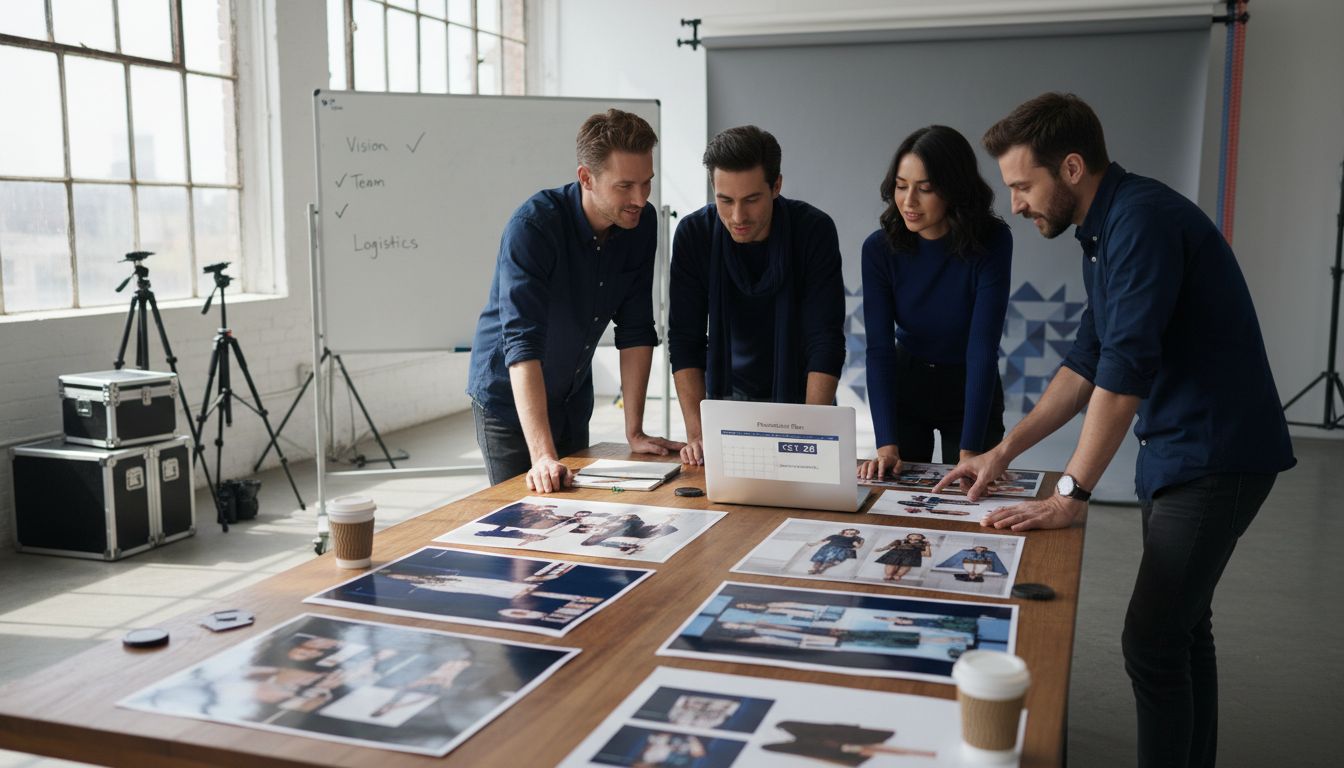
Nearly every successful american photoshoot begins long before the camera clicks. Planning each step can make or break the final result, especially with so many moving parts to manage. Professional photographers know that thorough preparation saves time and stress on shooting day. This comprehensive guide brings clarity to the most crucial pre shoot steps, sharing practical ways to build a smooth creative process from idea through execution.
Table of Contents
Quick Summary
Key Point | Explanation |
1. Define creative objectives clearly | Establish a clear vision and story for your photoshoot to guide all decisions and actions throughout the process. |
2. Secure locations and permits early | Research locations and obtain necessary filming permits to avoid last-minute complications and ensure smooth execution. |
3. Assemble a skilled production team | Identify and prepare a team with the right expertise to align with your creative objectives and enhance your shoot’s success. |
4. Plan transportation logistics meticulously | Outline a detailed transportation plan to account for team movement, equipment logistics, and potential delays for a seamless shoot. |
5. Conduct a thorough pre-shoot checklist | Review all equipment, roles, permits, and plans to confirm readiness and avoid any issues on the day of the photoshoot. |
Step 1: Define creative objectives and shot list
Successful photoshoots start with crystal clear creative objectives that transform abstract ideas into tangible visual results. By developing a comprehensive shot list, photographers can map out their entire visual narrative before picking up a camera.
Begin by asking fundamental questions about your photoshoot’s purpose. What story do you want to tell? Who is your target audience? What specific emotions or messages should the images convey? These questions help crystallize your creative vision and guide your entire shooting strategy. Professional photographers typically break down their objectives into three core components: conceptual direction, technical requirements, and stylistic preferences. For instance, a fashion photoshoot might prioritize dramatic lighting and dynamic poses, while a product shoot would emphasize crisp details and accurate color representation.
To create an effective shot list, start by sketching rough concepts or using a digital mood board. List every specific image you need, including wide shots, medium frames, and close up details. Number and describe each shot precisely. Pro tip: Always include a few extra shots beyond your primary list. Unexpected moments often produce the most compelling images, and having flexibility allows creative spontaneity while maintaining your core objectives.
Next, you will move into selecting the right equipment and team to bring your creative vision to life.
Step 2: Secure locations, permits, and accommodations
Securing the right locations, obtaining necessary permits, and arranging accommodations form the critical logistical backbone of any successful photoshoot. Location planning requires strategic research and careful navigation of legal and practical considerations.
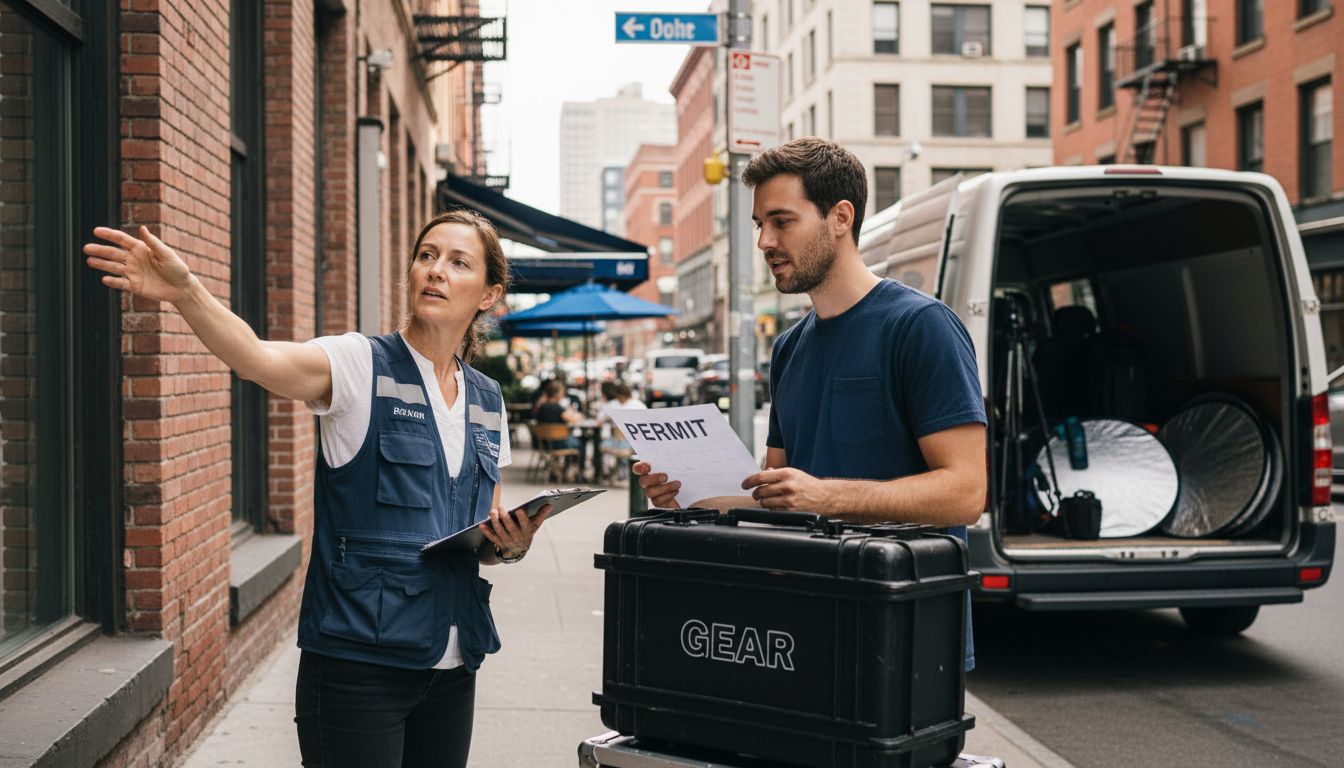
Start by identifying potential shooting locations that match your creative objectives. Consider factors like lighting conditions, background aesthetics, accessibility, and potential restrictions. Research local regulations thoroughly and understand the specific requirements for obtaining filming permits in your target area. Some locations might require advanced booking, special permissions, or have specific time restrictions. Contact local authorities or location management services to confirm exact requirements, fees, and potential limitations.
When arranging accommodations, prioritize proximity to your shooting locations and the comfort of your team. Consider factors like transportation logistics, equipment storage, and potential backup locations in case of unexpected challenges. Pro tip: Always have a contingency plan and secure written permissions for each location. Unexpected permit issues or location changes can derail an entire photoshoot, so meticulous preparation is key to maintaining your production schedule and creative vision.
With locations, permits, and accommodations secured, you will be ready to move forward with assembling your production team and finalizing equipment requirements.
Step 3: Assemble your production crew and equipment
Building a competent production team and selecting the right equipment are crucial steps that directly impact the quality and success of your photoshoot. Professional production management requires strategic team assembly and careful equipment preparation.
Start by identifying the key roles necessary for your specific photoshoot. Typically, this includes a lead photographer, assistant photographer, lighting technician, makeup artist, and potentially a stylist or art director. Consider each team member’s expertise and how their skills align with your creative objectives. When selecting equipment, create a comprehensive checklist that covers cameras, lenses, lighting gear, tripods, reflectors, backup batteries, memory cards, and any specialized equipment unique to your shoot concept.
Pro tip: Always have redundant equipment and backup personnel. Technical failures can happen at any moment, and having a backup camera body, extra lenses, and additional lighting can save your entire production from potential disaster. Additionally, ensure your team has a clear understanding of the shoot’s creative vision, technical requirements, and individual responsibilities. A well-prepared and synchronized team is the difference between an average photoshoot and an exceptional one.
With your crew and equipment ready, you will now move forward to the actual execution of your photoshoot.
Step 4: Coordinate logistics and transportation details
Successful photoshoots demand meticulous logistical planning, with transportation and coordination serving as the critical infrastructure that supports your entire production. Effective production logistics require comprehensive advance planning to ensure smooth team and equipment movement.
Begin by creating a detailed transportation manifest that outlines precise pickup and drop off times for each team member and equipment load. Map out exact routes between locations, accounting for potential traffic delays, parking challenges, and equipment loading requirements. Confirm that all team vehicles have adequate insurance, appropriate cargo capacity, and emergency contact information. Consider renting specialized transportation for sensitive equipment like professional cameras, lighting rigs, and fragile props to minimize potential transit risks.
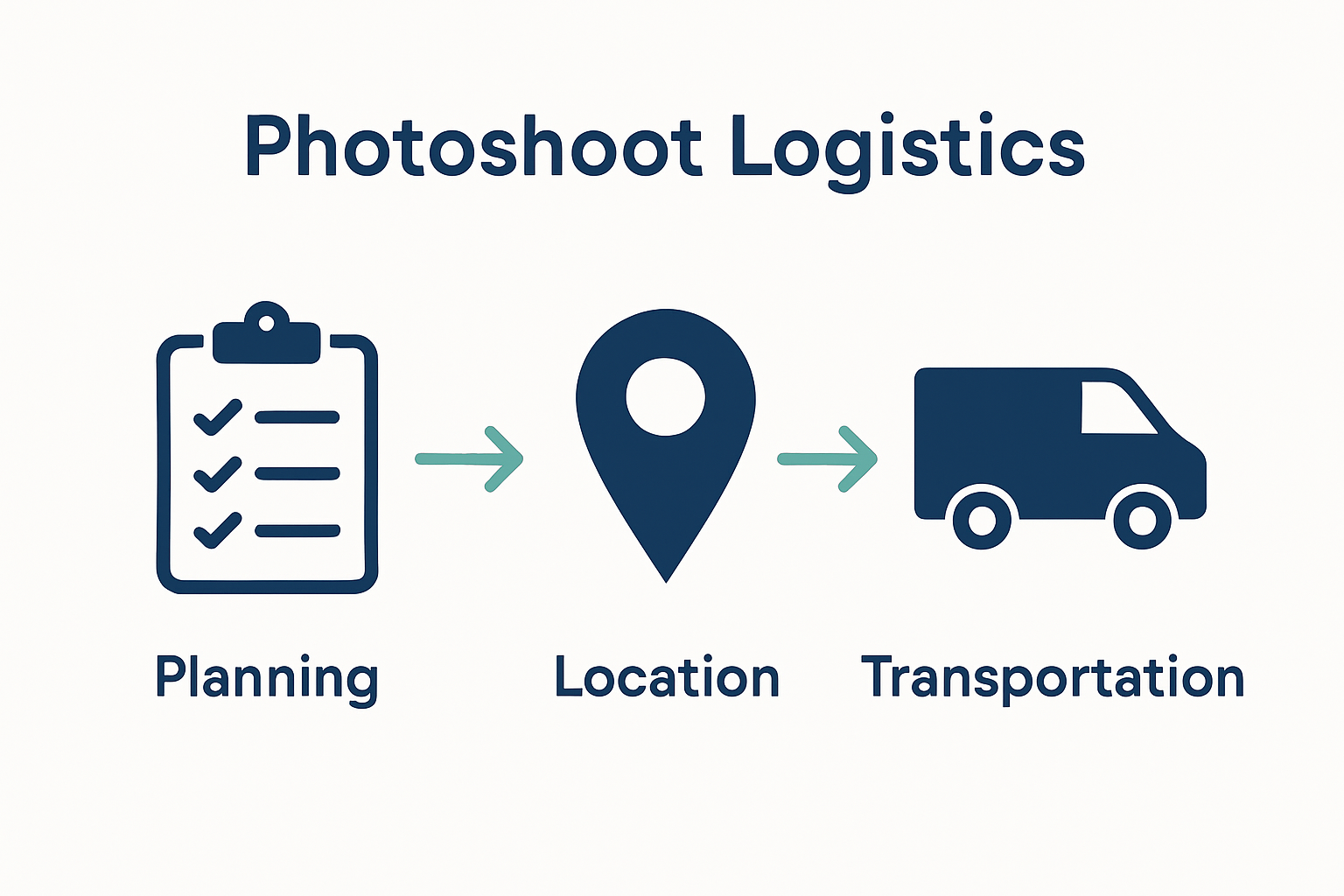
Pro tip: Always build buffer time into your transportation schedule. Unexpected road closures, vehicle issues, or last minute equipment adjustments can derail even the most carefully planned photoshoot. Create a communication group chat or use a shared digital coordination platform where team members can provide real time updates about their location and estimated arrival times. Designate a lead logistics coordinator who can quickly resolve transportation challenges and keep the entire production moving smoothly.
With transportation and logistics coordinated, you will be prepared to execute your photoshoot with precision and confidence.
Step 5: Conduct a pre-shoot verification and final checklist
The final preparation stage is your critical opportunity to catch potential issues and ensure every element of your photoshoot is precisely aligned with your creative vision. Understanding comprehensive pre production verification processes can dramatically reduce last minute complications.
Begin by systematically reviewing your entire production blueprint. Check that all equipment is fully functional, charged, and packed securely. Confirm each team member understands their specific role and has the necessary contact information for immediate communication. Verify location permits, backup location options, and transportation logistics. Create a detailed equipment inventory with serial numbers, ensuring nothing critical is missing or damaged.
Pro tip: Develop a comprehensive digital and physical checklist that covers every potential scenario. This should include backup equipment, emergency contact protocols, alternative shooting locations, and contingency plans for weather or technical issues. Run a final team briefing where everyone confirms their understanding of the shoot schedule, creative objectives, and individual responsibilities. A meticulously planned final verification can transform potential chaos into a smooth, professional production experience.
With your final verification complete, you are now ready to execute your photoshoot with confidence and precision.
Turn Your Photoshoot Plan Into Flawless Execution with Expert Swiss Support
Planning every detail of your photoshoot—from defining creative objectives to securing permits and coordinating logistics—can feel overwhelming. You want stunning images but face challenges like navigating local regulations, assembling skilled crews, and managing complex transportation. We understand how crucial it is to have a well-coordinated production where flexibility and precision meet your artistic vision.
At VideoProductionSwitzerland.com, we specialize in transforming your comprehensive shot list and logistical plans into reality. With over 20 years of experience, we handle permit acquisition, trusted crew sourcing, equipment rental, location scouting, and transportation management so you can focus on creativity, not stress. Avoid last-minute disruptions by partnering with a local team that knows how to keep your production running smoothly from pre-shoot verification to final execution.
Ready to elevate your photoshoot with seamless Swiss production support Get in touch today for a free consultation and turn your detailed planning into a smooth, on-time shoot. Discover how VideoProductionSwitzerland.com can back every step of your project to achieve exceptional results.
Frequently Asked Questions
What are the first steps to plan for a photoshoot?
Begin by defining your creative objectives and creating a detailed shot list. Ask yourself what story you want to tell and who your target audience is, then outline specific shots to convey this vision.
How do I choose the right locations for my photoshoot?
Identify potential locations that align with your creative vision, considering factors such as lighting and accessibility. Research local regulations, confirm the need for permits, and ensure you have backup locations in case of issues.
What equipment do I need for a successful photoshoot?
Create a comprehensive checklist of essential equipment, including cameras, lenses, and lighting gear. Ensure you also have backup equipment available to handle any technical failures that may arise during the shoot.
How can I coordinate transportation for my photoshoot team?
Develop a detailed transportation plan that outlines pickup times, routes, and parking considerations. Build buffer time into your schedule to accommodate unexpected delays and ensure smooth logistics.
What should I include in my pre-shoot checklist?
Your pre-shoot checklist should encompass all equipment, team roles, location permits, and backup plans. Conduct a thorough review with your team to confirm that everyone understands their responsibilities and that all logistics are in place.
How do I ensure the success of my photoshoot?
To ensure success, meticulously verify every aspect of your plan from equipment to team coordination. Conduct a final briefing with your crew to ensure everyone is aligned with the creative vision and operational details before you begin shooting.
Recommended
