
How to Find Videographers for Global Productions Easily

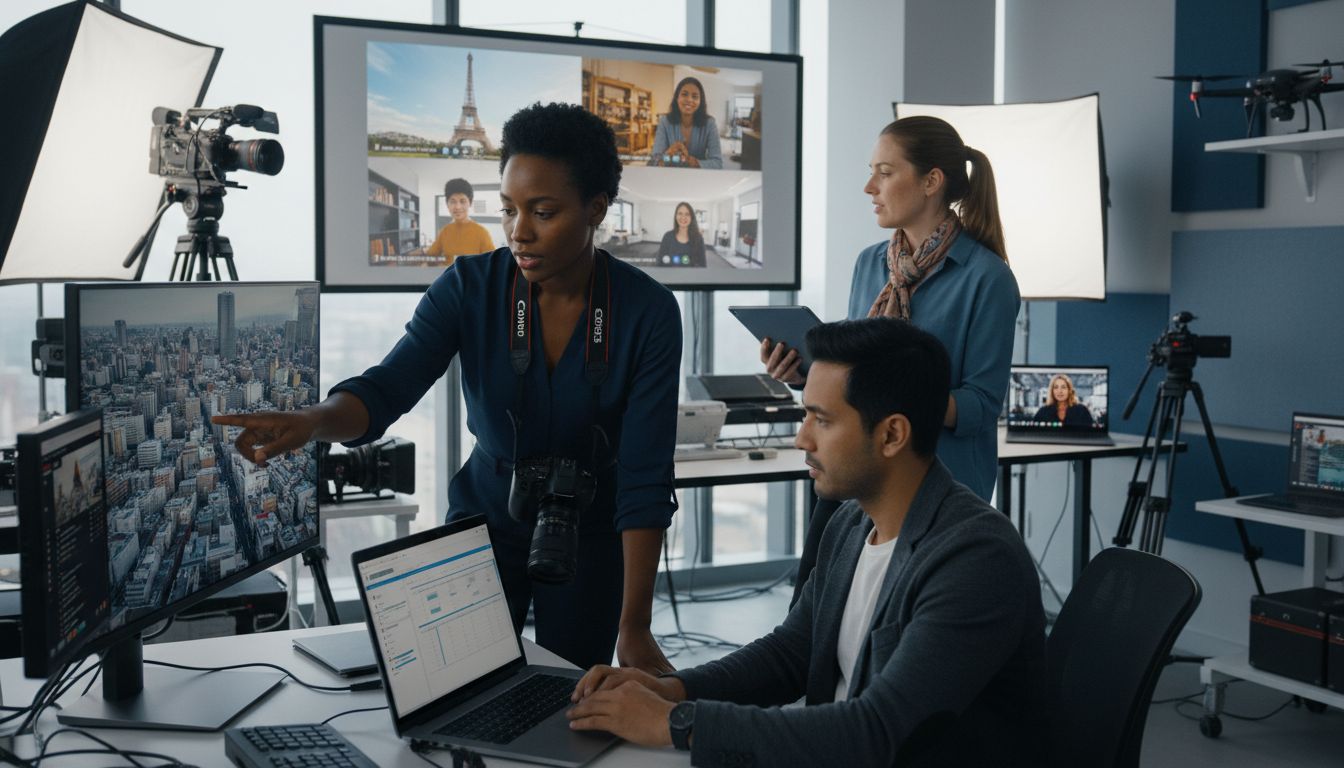
Most american companies underestimate the complexity of managing global video productions. Without a solid foundation of clear project requirements and trustworthy local teams, even experienced professionals face budget overruns and delays. Up to 65 percent of international video shoots experience avoidable setbacks, often due to poor planning and miscommunication. This guide breaks down the essential steps for any american business ready to navigate the challenge of sourcing, vetting, and collaborating with top-tier international videographers.
Table of Contents
Quick Summary
Key Point | Explanation |
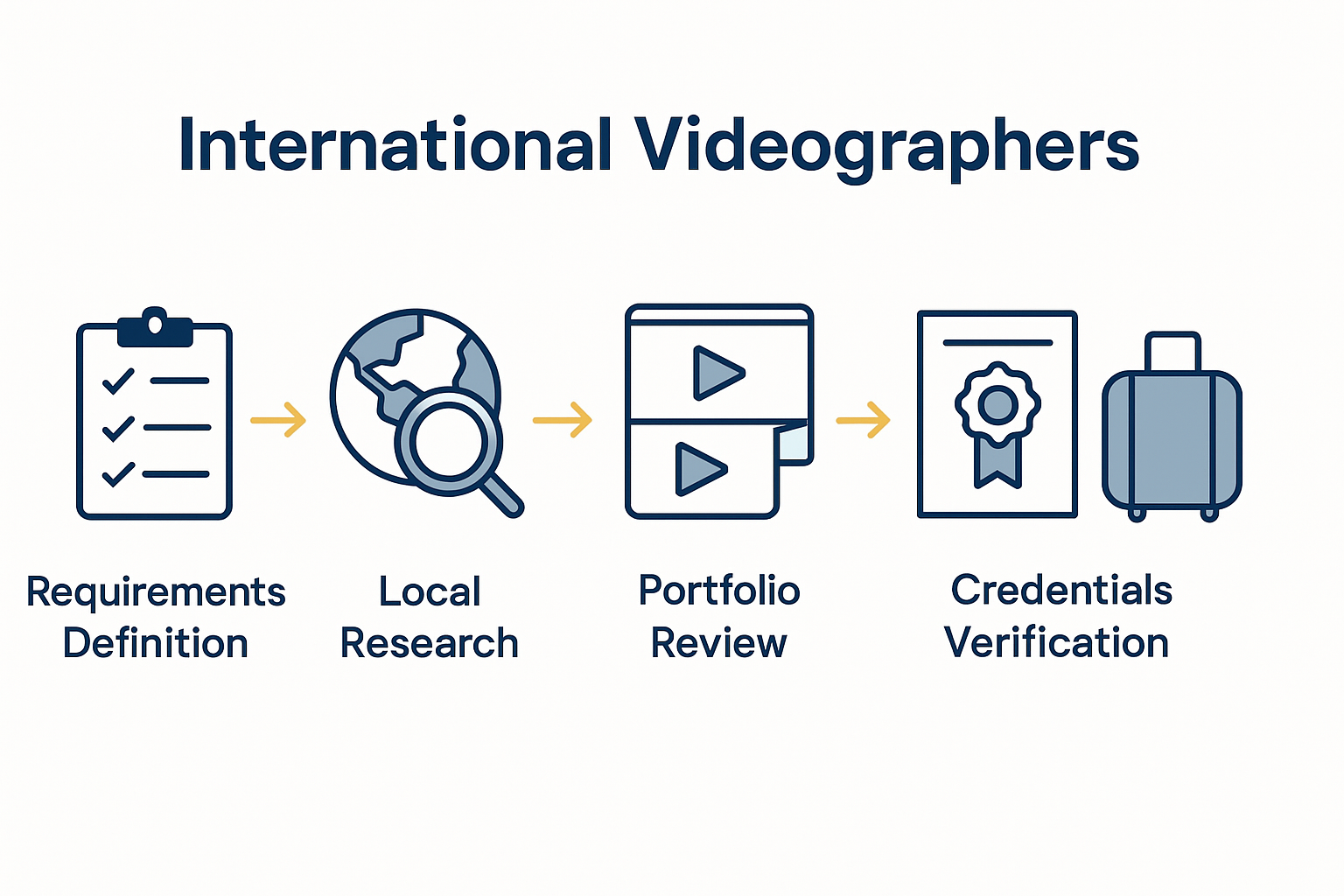
1. Define project requirements clearly | Clear requirements minimize miscommunication and ensure a smoother production process for global videography. |
2. Research trusted local videographers | Evaluate videographers based on experience, cultural compatibility, and their ability to handle international projects effectively. |
3. Assess portfolios and client reviews | Thoroughly evaluate portfolios for artistic quality and seek detailed testimonials to understand a videographer’s true capabilities. |
4. Verify credentials and experience | Confirm professional qualifications and international experience by requesting documented proof of a videographer’s background and expertise. |
5. Coordinate logistics and confirm availability | Create detailed plans for shooting schedules and logistical considerations to ensure smooth execution of your global production. |
Step 1: Define project requirements clearly
Successful global video productions start with crystal-clear project requirements. Your ability to articulate precise project details will determine the success of your international videography effort, reducing miscommunications and potential costly mistakes.
According to research from OVC, defining your project requirements involves several critical components. Start by identifying your target audience meticulously. Who will watch this video? What are their demographics, preferences, and expectations? Understanding your audience helps videographers tailor their approach, equipment, and creative strategy.
Next, develop a comprehensive project management blueprint that includes detailed specifications. This should outline:
Exact video duration
Primary communication objectives
Specific visual aesthetic and style preferences
Technical requirements (4K, drone shots, specialized equipment)
Anticipated shooting locations
Budget constraints
Desired timeline and delivery expectations
As interdisciplinary research from Arxiv suggests, thorough planning during preproduction dramatically increases your chances of a successful shoot. The more precise your initial requirements, the smoother your entire production process will be.
Warning: Vague instructions lead to expensive reshoots. Your goal is maximum clarity. Think through every detail as if you were explaining the project to someone who knows nothing about your vision.
Once you have a comprehensive requirements document, you’re ready to start identifying and vetting potential videographers who can bring your global production to life.
Step 2: Research trusted local videographers
Researching reliable local videographers is a critical step in ensuring your global production runs smoothly. This process requires strategic investigation to find professionals who can deliver high-quality results aligned with your project vision.
According to the Global Water Partnership, selecting videographers involves evaluating key criteria that go beyond simple portfolio reviews. Start by examining their experience with international projects. Look for professionals who have demonstrated capability in handling complex, multicultural video productions.
When researching potential videographers, create a comprehensive evaluation framework that includes:
Comprehensive portfolio review
Years of professional experience
Technical equipment capabilities
Understanding of local production environments
Previous international project references
Quality of past work samples
Client testimonials and references
As recommended by the Global Partnership for Sustainable Development Data, prioritize professionals with 3-5 years of proven experience. This sweet spot indicates seasoned expertise without potential staleness in creative approach.
Pro Tip: Beyond technical skills, assess cultural compatibility. A videographer who understands nuanced communication styles and local production norms can significantly elevate your project’s quality.
With 7 Essential Tips for Creating Effective Localised Video, you can further refine your research strategy and ensure you select the most suitable videography talent for your global production needs.
Step 3: Assess portfolios and client reviews
Carefully examining a videographer’s portfolio and client reviews is your gateway to understanding their true professional capabilities. This critical evaluation step goes far beyond simply glancing at a few random video samples.
Research from the Global Water Partnership emphasizes the importance of thoroughly evaluating a portfolio’s artistic approach and design quality. When reviewing portfolios, look beyond technical proficiency and assess the following key elements:
Visual storytelling techniques
Emotional resonance of previous work
Diversity of project types
Technical production standards
Creative problem solving demonstrated in videos
Consistency of quality across different projects
Alignment with your specific production style
As recommended by the Global Partnership for Sustainable Development Data, understanding a videographer’s context and ability to adapt to different project needs is crucial. Pay special attention to how their previous work translates across various professional environments.
Warning: Client reviews can be misleading. Look for detailed, specific testimonials that discuss actual project outcomes rather than generic praise. Seek reviews that highlight the videographer’s communication skills, reliability, and ability to meet project requirements.
For additional insights, explore Best Video Production Agencies for Advertisers to understand how professionals evaluate and compare video production talent. This will help you develop a more nuanced approach to assessing potential videographers for your global production.
Step 4: Verify credentials and experience
Verifying a videographer’s credentials and professional experience is a crucial step in ensuring you select the right talent for your global production. This process requires a systematic and thorough approach to validate their professional background.
According to the Global Water Partnership, one key indicator of a videographer’s international capability is having at least one completed video project outside their home country. This demonstrates adaptability and experience working in diverse production environments.
When verifying credentials, focus on these critical areas:
Professional certifications
Academic background in media production
Number of years in professional videography
International project experience
Professional network and industry connections
Equipment and technical expertise
Professional association memberships
As recommended by the Global Partnership for Sustainable Development Data, professionals should have 3-5 years of solid experience in video production, editing, or shooting. This range indicates a sweet spot of established skills and current industry knowledge.
Warning: Do not rely solely on verbal claims. Request documented proof of experience, including project references, verified work samples, and contact information for previous clients.
For a comprehensive understanding of professional standards, check out How to Plan a Video Shoot to gain additional insights into evaluating videography professionals for your global production needs.
Step 5: Coordinate logistics and confirm availability
Coordinating logistics and confirming availability is the critical bridge between selecting a videographer and executing your global production. This step transforms your planning into actionable preparation.
As outlined by Wikipedia, a production board serves as the strategic roadmap for your project. This essential tool helps you plan scene sequences while carefully managing complex variables like crew schedules, location access, and equipment requirements.
Key logistics coordination elements include:
Detailed shooting schedule alignment
Travel and accommodation arrangements
Equipment transportation and rental
Permit and legal documentation preparation
Communication protocol establishment
Contingency planning for potential disruptions
Budget allocation for logistical expenses
Research from Wikipedia underscores the importance of location scouting as a vital pre production process. This involves not just finding suitable filming locations but also negotiating legal access and understanding local production constraints.
Warning: Assume nothing. Always get confirmations in writing and create detailed backup plans for every critical logistical component. Verbal agreements can evaporate quickly in international productions.
To streamline your planning, reference How to Plan a Video Shoot for additional insights into creating a robust production strategy that anticipates and mitigates potential challenges.
Streamline Your Global Video Production with Expert Local Support
Finding skilled videographers for international projects involves complex steps like defining detailed requirements, vetting portfolios, and coordinating logistics. You need a trusted local partner who understands these challenges and can deliver reliability and professionalism without the stress of missed permits or equipment mishaps. That is where Video Production Switzerland becomes your essential ally.
Benefit from over 20 years of expertise in managing every production detail from permit handling to equipment sourcing and location scouting. Don’t let vague instructions or unreliable crews threaten your shoot. Act now to secure your production’s success by scheduling a free consultation to discuss your needs and get personalized support. Visit Video Production Switzerland today and ensure your global project runs smoothly and on time.
Frequently Asked Questions
How do I define my video project requirements?
Start by outlining essential details such as your target audience, video duration, communication objectives, and technical specifications. Create a comprehensive document to ensure all key aspects are addressed and share it with potential videographers to avoid miscommunication.
What criteria should I use to research local videographers?
Evaluate videographers based on their experience with international projects, portfolio quality, and client testimonials. Ensure you develop a framework to assess their technical capabilities, artistic style, and cultural compatibility to find the best fit for your project.
How can I effectively assess a videographer’s portfolio?
Look for elements like storytelling techniques, emotional impact, and consistency in quality across different projects. Take the time to examine their work in detail to ensure their style aligns with your vision for the production.
What credentials should I verify when choosing a videographer?
Focus on their professional certifications, years of experience, and completed international projects. Request documented proof of their capabilities, such as work samples and references, to ensure they meet your production standards.
How do I coordinate logistics for an international video shoot?
Create a detailed shooting schedule that includes travel arrangements, equipment transportation, and necessary permits. Always confirm logistical details in writing and have backup plans for every critical component to ensure a smooth production process.
What steps should I take to confirm a videographer’s availability?
Reach out to potential videographers with your project timeline and specific needs, and get their written confirmation. Follow up on their availability promptly to lock in your preferred choice, ideally at least 30 days before your planned shooting dates.
Recommended
