
Hiking Winter Switzerland: Essential Insights for Filmmakers

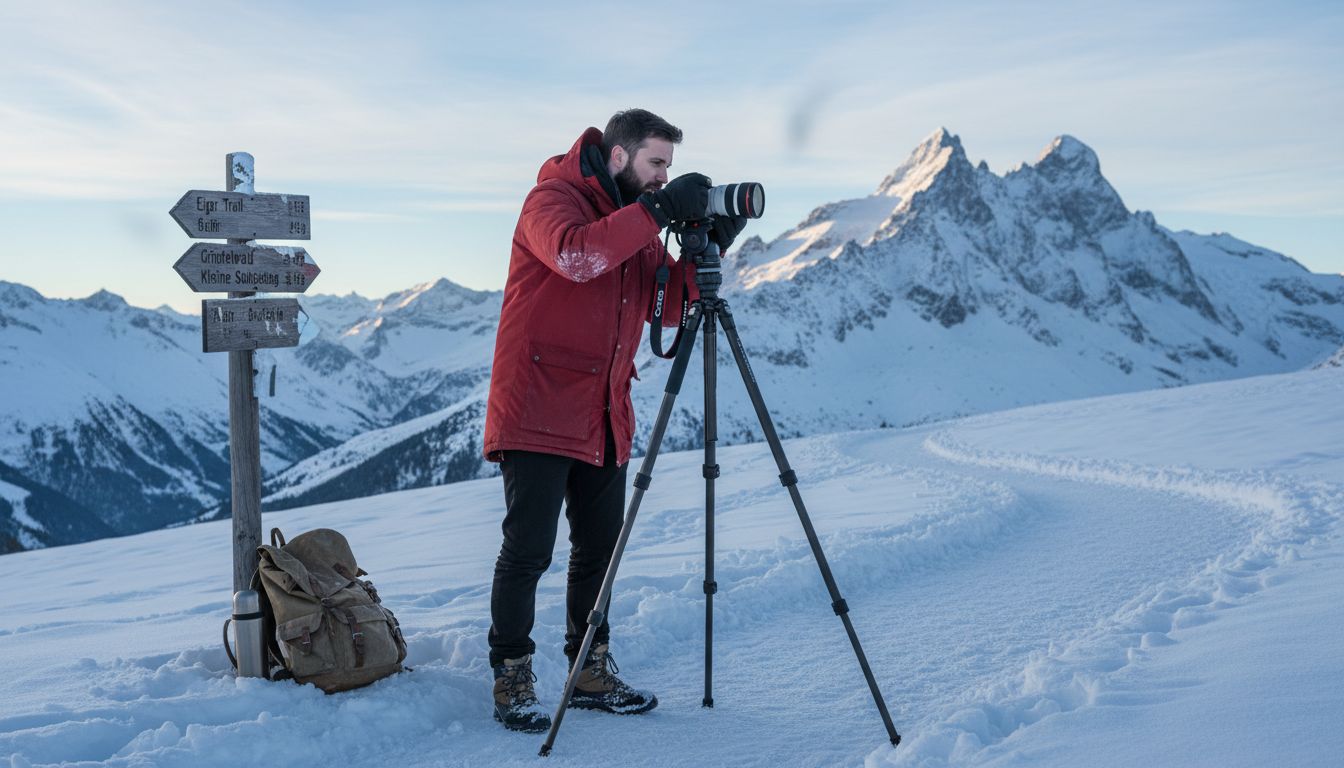
Every American production team that dreams of capturing Switzerland’s winter brilliance faces a formidable challenge. Rugged alpine trails and rapidly shifting weather can upend even the most prepared crews. With more than 60 percent of foreign film permits in Switzerland requested during the winter season, filmmakers must master unique terrain, strict legalities, and advanced safety protocols. This guide breaks down how winter hiking transforms from a scenic journey into a high-stakes operation for successful American filmmaking.
Table of Contents
Key Takeaways
Point | Details |
Importance of Preparation | Filmmakers must thoroughly understand terrain dynamics and weather patterns for successful winter hiking productions in Switzerland. |
Legal Compliance | Securing specific filming permits is crucial, as regulations can vary significantly across Swiss cantons. |
Safety Protocols | Implementing rigorous safety measures is essential to protect crew and equipment from the challenges of winter conditions. |
Location Selection | Choosing locations with diverse topography and natural lighting is vital for maximizing visual storytelling potential. |
Hiking Winter Switzerland Defined for Productions
Filmmaking in Switzerland’s winter landscape requires strategic planning and deep understanding of alpine terrain dynamics. Winter hiking for production crews involves navigating complex environmental conditions that dramatically differ from standard location shooting scenarios. Filmmakers must recognize that Swiss winter hiking isn’t merely a recreational activity but a specialized production technique demanding precision and technical preparation.
Production teams preparing for winter hiking shoots need comprehensive knowledge about terrain, weather patterns, and safety protocols. Winter hiking routes in Switzerland present unique challenges that extend beyond traditional filmmaking environments. Professional crews must consider critical factors like:
Extreme altitude variations
Rapid weather shift potentials
Technical equipment protection requirements
Specialized mountaineering gear needs
Advanced communication strategies
According to Luzern tourism guidelines, winter production teams must secure specific permissions for shooting in public winter spaces. These permissions become crucial when traversing sensitive alpine regions, where environmental preservation and safety regulations are stringently enforced. Professional filmmakers must develop comprehensive risk management strategies that account for potential weather disruptions, equipment vulnerabilities, and crew safety protocols.
Successful winter hiking productions in Switzerland demand a multifaceted approach that combines technical expertise, environmental awareness, and meticulous planning. Cinematographers and production managers must treat winter mountain environments as dynamic, unpredictable spaces requiring constant adaptation and respect for natural conditions.
Types of Swiss Winter Hiking Trails and Terrain
Swiss winter hiking trails represent a complex network of terrain that challenges and inspires filmmakers seeking unique production landscapes. The diversity of winter trails ranges from gentle alpine meadows to challenging mountain paths, each presenting distinctive cinematographic opportunities. Winter activities in Switzerland demand comprehensive understanding of terrain variations and environmental dynamics.
In the Bernese Oberland region, alpine meadows like Wengernalp showcase remarkable diversity in winter hiking terrain. These trails can be categorized into several critical types:
Groomed Trails: Professionally maintained paths suitable for standard winter hiking
Alpine Routes: Challenging mountain trails requiring specialized equipment
Forest Paths: Sheltered routes through woodland terrain
High-Altitude Trails: Extreme elevation routes with significant technical challenges
Scenic Connector Trails: Routes linking different mountain regions
Production teams must recognize that each trail type presents unique filming constraints and opportunities. Alpine routes demand advanced mountaineering skills, specialized camera equipment protection, and comprehensive safety protocols. High-altitude trails, while offering breathtaking visual landscapes, require extensive logistical planning to manage equipment transportation, crew safety, and environmental unpredictability.
Successful winter hiking productions in Switzerland require more than technical hiking proficiency. Cinematographers must develop nuanced understanding of terrain characteristics, weather patterns, and environmental interactions. This holistic approach transforms winter hiking from a mere transportation method into a dynamic storytelling platform, where landscape becomes an integral narrative element in visual storytelling.
Legal Requirements and Permit Considerations
Filmmaking in Swiss winter landscapes demands meticulous navigation of complex legal frameworks governing public and private terrain use. Permit acquisition represents a critical preliminary step for production teams, requiring comprehensive understanding of regional regulations and administrative protocols. Winter activities in Switzerland introduce unique legal complexities that extend far beyond standard location shooting requirements.
According to Lucerne tourism guidelines, production teams must secure explicit permissions for filming in public spaces, with particular emphasis on specialized equipment usage. Critical permit considerations include:
Municipal filming authorizations
Drone operation permits
Environmental conservation restrictions
Private property access agreements
Alpine terrain usage documentation
Cultural heritage site filming restrictions
The legal landscape for winter hiking productions involves multiple governmental and regional authorities. Different Swiss cantons maintain distinct regulatory approaches, requiring production teams to develop region-specific permit strategies. Drone operations present particularly stringent requirements, with strict regulations governing altitude, proximity to populated areas, and environmental sensitivity zones.
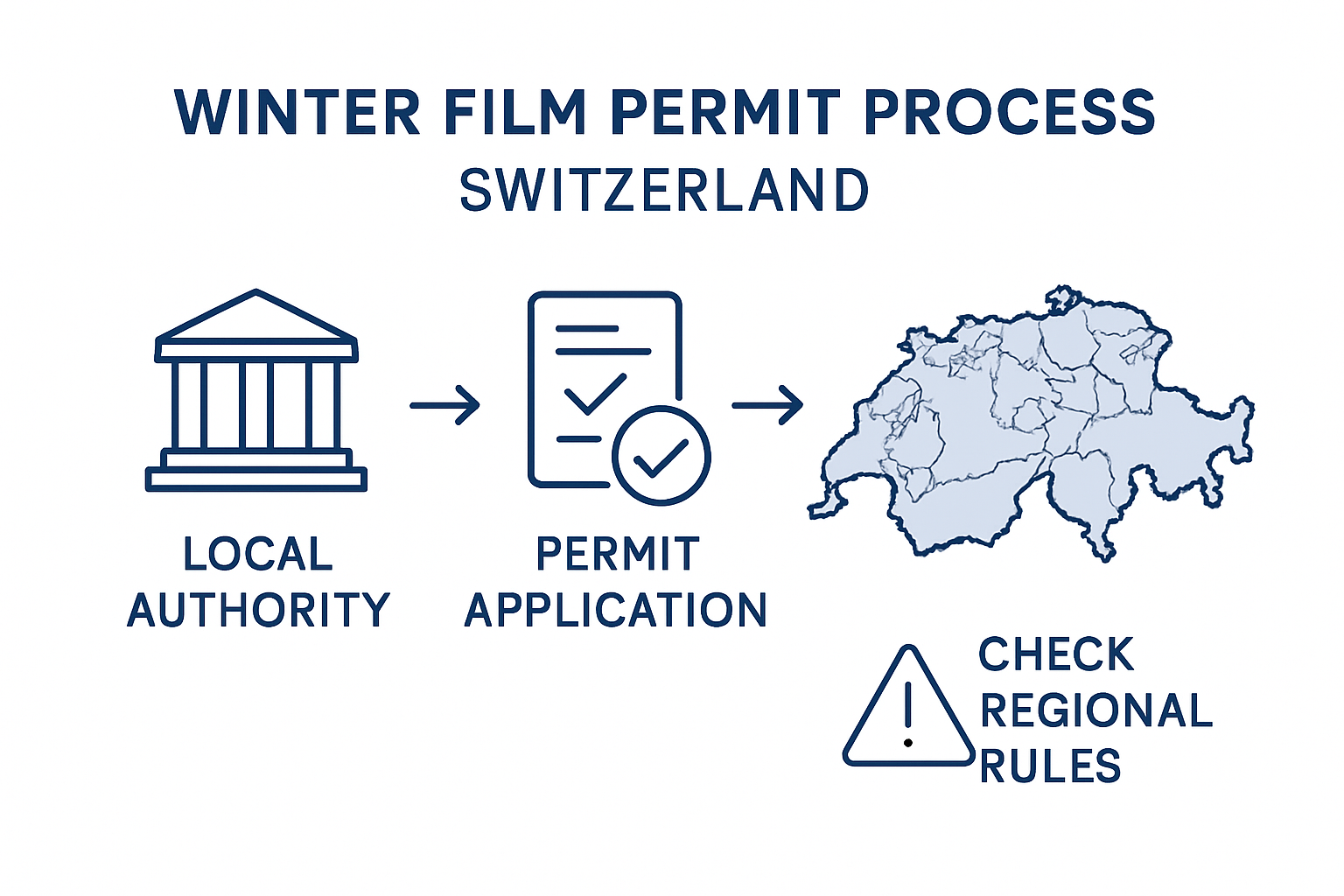
Successful legal navigation demands proactive engagement with local authorities, thorough documentation preparation, and comprehensive understanding of Swiss administrative protocols. Production teams must allocate sufficient time and resources to permit acquisition, recognizing that legal compliance represents a fundamental prerequisite for executing complex winter hiking film projects in Switzerland’s intricate terrain.
Safety Precautions for Film Crews and Gear
Winter hiking productions in Switzerland demand comprehensive safety strategies that protect both human resources and sensitive filmmaking equipment. Crew safety represents a multifaceted challenge requiring sophisticated preparation and risk management techniques. How to handle emergencies becomes critical when operating in unpredictable alpine environments where environmental conditions can shift rapidly.
According to Lucerne tourism guidelines, film crews must implement rigorous safety protocols that address multiple potential risks. Essential safety precautions include:
Advanced weather monitoring systems
Individual emergency communication devices
Specialized winter survival equipment
Redundant communication backup plans
Professional medical and rescue insurance coverage
Comprehensive gear protection strategies
Technical equipment requires specialized protection against extreme alpine conditions. Camera systems, electronic components, and delicate filming gear demand custom insulation, moisture protection, and temperature-regulated storage solutions. Cinematographers must develop nuanced strategies for maintaining equipment functionality in environments where temperatures can plummet rapidly and moisture presents constant challenges.
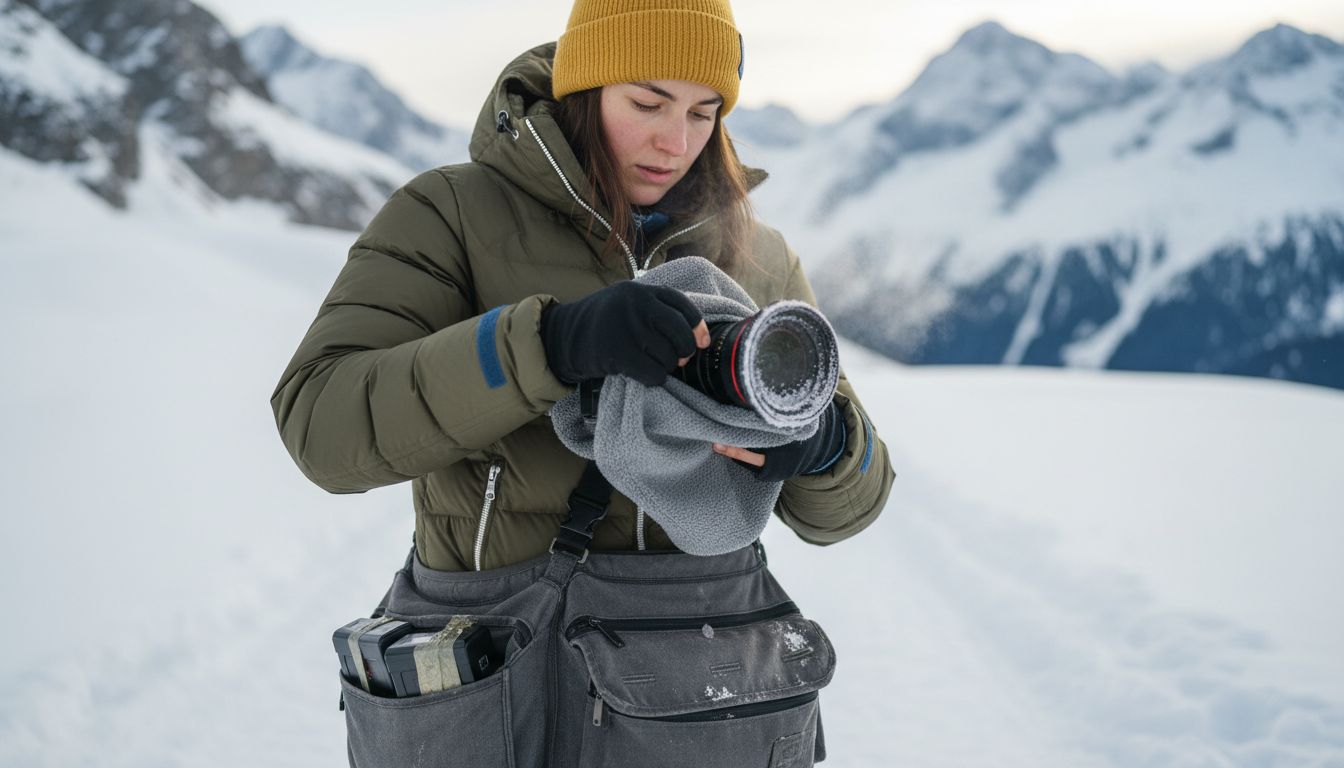
Successful winter hiking productions prioritize proactive safety management over reactive responses. Crew training, comprehensive risk assessments, and continuous environmental monitoring represent foundational elements of a robust safety framework. Production teams must cultivate a culture of preparedness, recognizing that survival and equipment preservation are paramount in Switzerland’s challenging winter terrain.
Choosing Locations for Cinematic Impact
Cinematographers exploring Swiss winter landscapes must approach location selection with strategic precision, understanding that each terrain offers unique visual narratives. Location scouting transforms from a technical process to an artistic exploration, where environmental characteristics become integral storytelling elements. Location scouting techniques require nuanced understanding of how landscape interacts with visual storytelling.
The Bernese Alps present extraordinary cinematic potential, with Wengernalp offering breathtaking panoramic views that can dramatically elevate visual narratives. Filmmakers must consider multiple critical factors when selecting winter hiking locations:
Topographical diversity
Natural lighting conditions
Accessibility and logistical challenges
Visual narrative potential
Environmental preservation requirements
Seasonal atmospheric characteristics
Regional variations like the Swiss National Park introduce additional complexity to location selection. Protected landscapes demand meticulous approach, requiring filmmakers to balance artistic vision with strict environmental conservation protocols. Each location presents unique challenges, from navigating permit restrictions to managing technical production requirements in sensitive ecological zones.
Successful location selection transcends visual aesthetics, demanding comprehensive understanding of environmental dynamics, legal frameworks, and narrative potential. Cinematographers must develop holistic approaches that integrate technical requirements with creative vision, transforming Swiss winter landscapes from mere backdrops into powerful narrative instruments that breathe life into visual storytelling.
Common Challenges and Mistakes to Avoid
Winter hiking film productions in Switzerland present a complex landscape of potential pitfalls that can derail even the most meticulously planned projects. Production challenges emerge from environmental unpredictability, regulatory complexities, and technical limitations unique to alpine terrain. Production insurance strategies become critical for mitigating financial and operational risks inherent in these demanding shooting conditions.
According to Lucerne tourism guidelines, filmmakers frequently encounter preventable complications by neglecting critical preparatory steps. Common mistakes that can compromise winter hiking productions include:
Inadequate permit documentation
Insufficient weather contingency planning
Underestimating equipment environmental protection needs
Overlooking crew specialized training requirements
Neglecting local regulatory compliance protocols
Poor communication infrastructure planning
Technical equipment vulnerabilities represent a significant risk factor in alpine environments. Electronic systems, camera gear, and specialized filming equipment can rapidly deteriorate when exposed to extreme temperature fluctuations, moisture, and high-altitude conditions. Cinematographers must develop comprehensive protection strategies that go beyond standard production protocols, incorporating specialized insulation, moisture-resistant packaging, and redundant backup systems.
Successful winter hiking productions demand a proactive approach that anticipates potential challenges before they emerge. Filmmakers must cultivate adaptability, technical resilience, and deep respect for the complex environmental dynamics of Swiss winter landscapes. By developing comprehensive risk management strategies and maintaining flexible production methodologies, crews can transform potential obstacles into unique creative opportunities.
Simplify Your Winter Hiking Film Production in Switzerland
Filming in the demanding and unpredictable Swiss winter landscape brings unique challenges like securing the right permits, protecting expensive equipment from harsh conditions, and ensuring crew safety during rigorous alpine hikes. If your production faces these obstacles or if you want to transform complex winter hiking routes in Switzerland into stunning cinematic stories without worry, expert local guidance is essential. With over 20 years of experience, our team understands the nuances of legal requirements and permit considerations in Swiss winter environments and delivers logistical support that eliminates production stress.
Take control of your winter shooting schedule today by partnering with Video Production Switzerland. We provide trusted crews, comprehensive location scouting, and safety-focused production management so you can focus on creative vision while we handle complex coordination. Don’t let winter’s challenges slow you down. Reach out now for a free consultation to ensure your next mountain shoot is seamless, safe, and visually breathtaking.
Frequently Asked Questions
What are the main challenges associated with winter hiking for film productions?
Winter hiking for film productions presents challenges such as extreme altitude variations, rapid weather shifts, equipment protection needs, and the necessity for advanced communication strategies.
How can filmmakers ensure safety for their crew during winter hikes?
Filmmakers can ensure safety by implementing rigorous safety protocols, including advanced weather monitoring, emergency communication devices, specialized winter survival gear, and insurance coverage for medical emergencies.
What types of trails should filmmakers consider for winter hiking in Switzerland?
Filmmakers should consider various trail types, including groomed trails, alpine routes, forest paths, high-altitude trails, and scenic connector trails, each offering unique filming opportunities and challenges.
Why is obtaining permits important for winter hiking film shoots?
Obtaining permits is crucial to comply with legal regulations, ensure environmental conservation, and secure access to public or private filming locations, helping to avoid potential legal issues during production.
Recommended
