
Hiking Winter Switzerland: Unique Challenges and Rewards

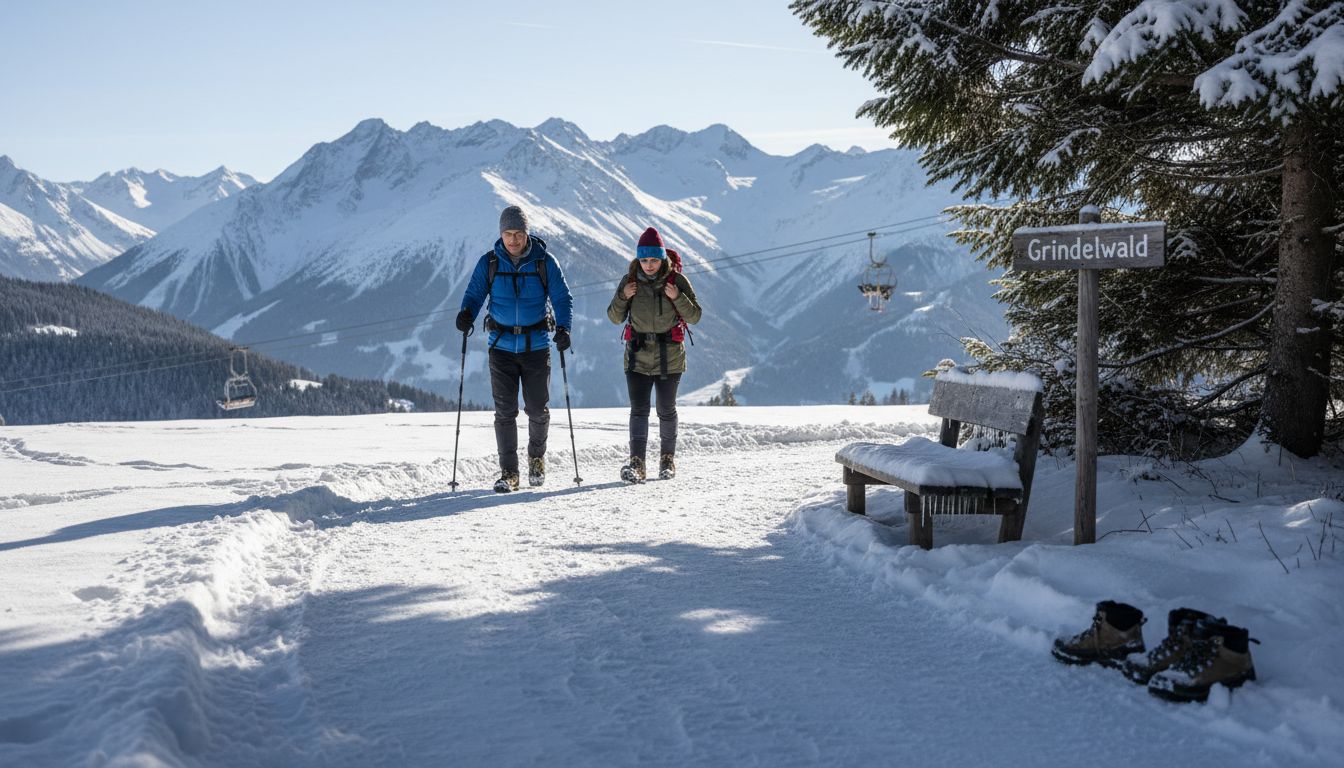
Most American travelers are surprised to learn that Switzerland maintains over 400 miles of dedicated winter hiking trails, a number unmatched anywhere in Europe. For outdoor enthusiasts, this translates to breathtaking journeys through pristine alpine wilderness and the highest safety standards in the world. Whether you crave untouched snow landscapes or crave perfectly marked routes, this guide will reveal what makes winter hiking in Switzerland a standout choice for anyone who loves adventure.
Table of Contents
Key Takeaways
Point | Details |
Diverse Trails | Switzerland offers extensive, well-marked winter hiking trails with stunning landscapes, enhancing the challenge and beauty of outdoor experiences. |
Specialized Gear Required | Proper winter hiking mandates the use of specialized gear for safety, thermal comfort, and adaptability to alpine conditions. |
Regulatory Compliance | Understanding and following environmental protection regulations is crucial for preserving Switzerland’s alpine landscapes while hiking. |
Safety Awareness | Comprehensive knowledge of weather risks, terrain assessment, and avalanche safety protocols is essential for a successful winter hiking adventure. |
What Sets Winter Hiking in Switzerland Apart
Winter hiking in Switzerland represents an extraordinary alpine adventure that transcends typical outdoor experiences. Unlike standard winter treks, Swiss winter trails offer unparalleled landscape diversity and meticulously maintained routes that wind through breathtaking mountain terrains. Outdoor adventures in Switzerland provide unique opportunities for exploring pristine winter environments that challenge and inspire hikers from around the world.
The Swiss landscape distinguishes itself through extensive, well-marked winter hiking networks that span remarkable distances. In Zermatt, hikers can explore over 250 miles of trails beneath the iconic Matterhorn’s dramatic north face, offering an immersive mountain experience unlike any other destination. These trails are carefully maintained, ensuring safe passage through stunning alpine terrain while preserving the delicate mountain ecosystem.
What truly sets Swiss winter hiking apart is the comprehensive infrastructure supporting these extraordinary experiences. The Swiss National Park, for instance, offers over 80 kilometers of precisely marked hiking paths traversing diverse terrains from tranquil valleys to dramatic high-altitude peaks. Strict conservation rules enhance the hiking experience, ensuring that adventurers can explore pristine wilderness while minimizing environmental impact. Hikers encounter meticulously preserved landscapes, where every trail tells a story of natural beauty and careful stewardship.
Beyond the physical trails, winter hiking in Switzerland represents a holistic experience that combines natural wonder, cultural preservation, and outdoor recreation. The combination of well-maintained paths, breathtaking scenery, and robust safety infrastructure makes Swiss winter hiking a premier global destination for outdoor enthusiasts seeking transformative mountain experiences.
Essential Gear and Preparation Requirements
Successful winter hiking in the Swiss Alps demands meticulous gear preparation and strategic planning. Winter activities in Switzerland require specialized equipment that goes beyond standard hiking gear, with a focus on safety, warmth, and adaptability to challenging alpine conditions.
Clothing and Base Layers are the foundation of winter hiking preparedness. The Swiss Alpine Club recommends implementing a comprehensive layering system that includes:
Moisture-wicking thermal base layers
Insulating mid-layers like fleece or wool
Windproof and waterproof outer shells
Specialized winter hiking socks with moisture management
Thermal headwear and gloves designed for extreme conditions
Technical equipment represents another critical aspect of winter hiking preparedness. Hikers must invest in specialized gear that ensures both safety and mobility. Recommended essential equipment includes:
Waterproof hiking boots with robust ankle support
Telescoping hiking poles for balance and stability
Snowshoes designed for varied alpine terrains
Avalanche safety equipment, including beacon, probe, and shovel
Traction devices for navigating icy and challenging surfaces
Beyond physical gear, winter hiking in Switzerland demands comprehensive preparation. Hikers should develop advanced route planning skills, understand local weather patterns, and possess basic alpine survival techniques. This holistic approach transforms equipment from mere tools into lifesaving resources, ensuring adventurers can confidently explore Switzerland’s breathtaking winter landscapes while maintaining personal safety and environmental respect.
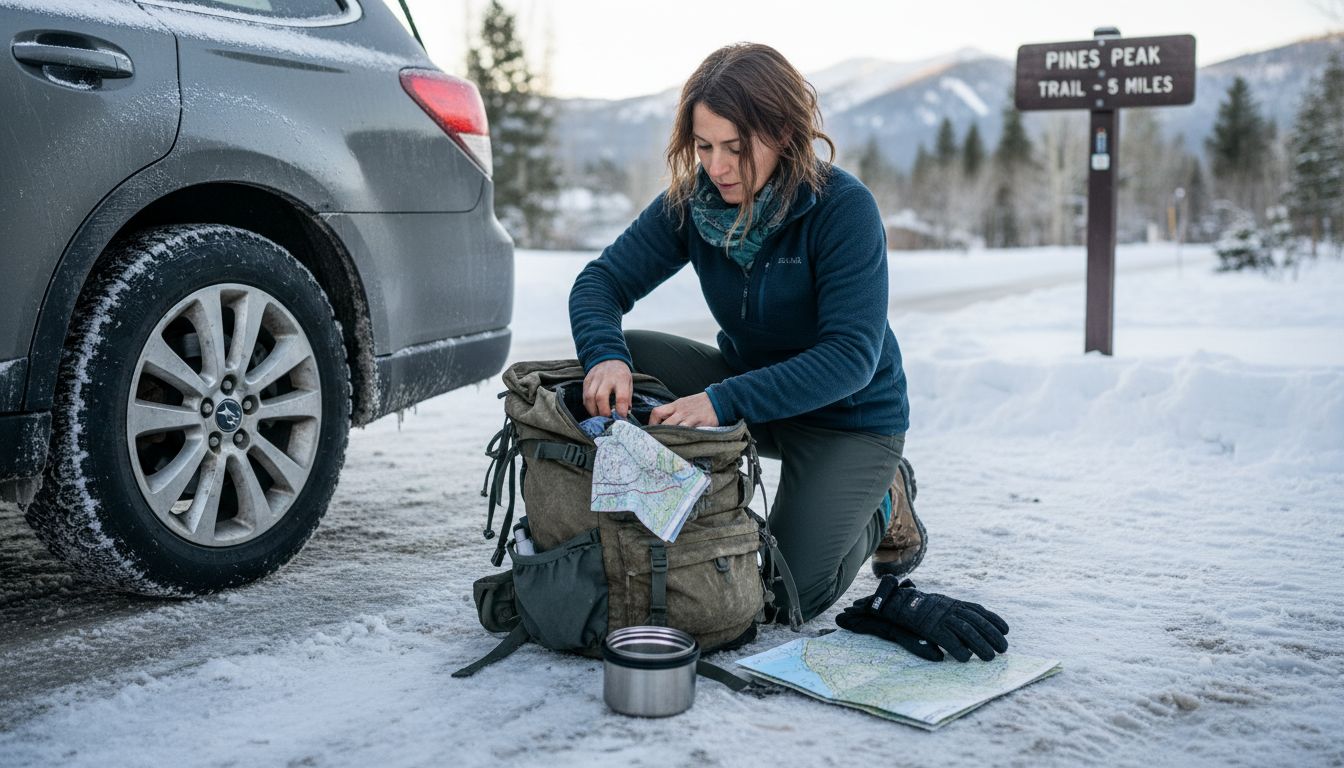
Permit Regulations and Trail Access Rules
Winter hiking in Switzerland involves navigating a complex landscape of environmental protection and access regulations that require careful understanding and respect. Outdoor adventures in Switzerland demand meticulous attention to legal and conservation guidelines that protect both hikers and the delicate alpine ecosystem.
Environmental Protection Regulations are particularly stringent in Swiss national parks and protected areas. In the Swiss National Park, hikers must adhere to strict rules that preserve the natural habitat:
Remain exclusively on marked and designated trails
Prohibit bringing dogs into protected wilderness areas
Avoid disturbing wildlife or removing any natural elements
Carry out all personal waste
Respect seasonal restrictions and closure periods
Trail access for winter hiking presents unique challenges, especially along iconic routes like the Haute Route, which traverses challenging alpine terrain between Chamonix and Zermatt. Hikers must obtain specific winter permits, understand local municipal regulations, and demonstrate proficiency in alpine navigation and safety techniques. Some key permit considerations include:
Seasonal trail permits for specific regions
Mandatory avalanche safety certifications
Proof of appropriate winter hiking equipment
Registration with local alpine clubs or mountain rescue services
Compliance with regional weather and terrain advisories
Beyond formal permits, winter hiking in Switzerland requires a profound respect for local environmental and cultural norms. Successful adventurers understand that regulations are not bureaucratic obstacles but essential mechanisms for preserving Switzerland’s pristine mountain landscapes and ensuring sustainable outdoor recreation for future generations.
Location Scouting and Filming Logistics
Winter filmmaking in Switzerland demands sophisticated logistics and strategic location selection that go far beyond traditional production planning. Location scouting processes require intricate understanding of alpine environments, weather dynamics, and complex regulatory landscapes that challenge even experienced production teams.
Alpine Filming Environments present unique opportunities and challenges. Zermatt offers extraordinary winter landscapes featuring dramatic terrain beneath the Matterhorn’s iconic north face, providing cinematographers with breathtaking natural backdrops. Key considerations for winter location scouting include:
Accessibility of remote mountain locations
Seasonal weather pattern assessments
Terrain stability and avalanche risk evaluations
Backup location options for unpredictable conditions
Transportation and equipment logistics
Conservation and Regulatory Compliance represent critical aspects of Swiss winter location management. The Swiss National Park’s strict conservation regulations demand meticulous planning and environmental respect. Production teams must navigate complex permit requirements, including:
Obtaining specialized filming permissions
Demonstrating minimal environmental impact
Adhering to wildlife protection guidelines
Securing local municipal approvals
Managing crew movements in sensitive ecological zones
Successful winter filming in Switzerland ultimately requires a holistic approach that balances creative vision with technical precision, environmental stewardship, and deep respect for the challenging alpine landscape. Production teams must transform logistical obstacles into opportunities for capturing truly extraordinary visual narratives.
Weather Risks, Safety, and Common Mistakes
Winter hiking in the Swiss Alps demands comprehensive understanding of environmental hazards and proactive safety strategies. Business travel safety tips offer valuable insights that translate directly to alpine adventure preparedness, emphasizing the critical importance of risk management in challenging environments.
Gear and Equipment Preparation represents the first line of defense against alpine weather unpredictability. The Kandersteg International Scout Centre recommends focusing on critical protective elements:
Waterproof outer layers with robust insulation
High-traction winter hiking boots
Multiple lightweight, moisture-wicking base layers
Windproof and breathable mid-layers
Emergency thermal blankets and additional backup clothing
Avalanche Risk Management requires specialized knowledge and equipment. The Swiss Alpine Club emphasizes the following critical safety protocols:
Mandatory avalanche beacon, probe, and shovel
Advanced weather forecast understanding
Terrain assessment skills
Emergency communication devices
Professional avalanche safety training
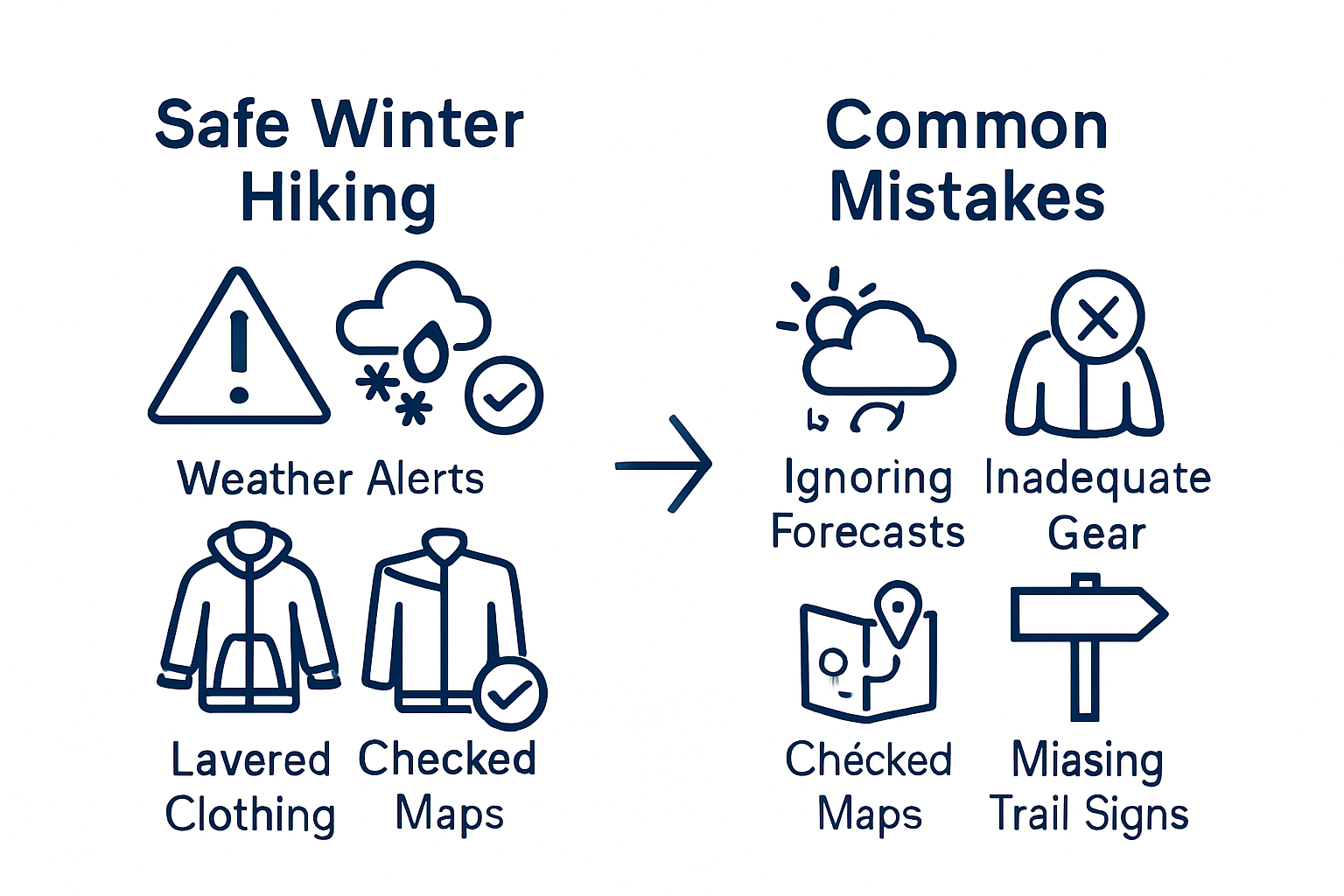
Common mistakes in winter alpine hiking often stem from overconfidence and inadequate preparation. Experienced hikers understand that Swiss mountain environments demand respect, technical expertise, and a humble approach to navigation. Weather can transform from serene to dangerous within minutes, making continuous situational awareness and flexible planning essential for survival and enjoyment.
Elevate Your Swiss Winter Hiking Film with Expert Local Support
Winter hiking in Switzerland offers awe-inspiring landscapes and unique challenges from permit complexities to unpredictable alpine weather. If you’re aiming to capture these breathtaking winter adventures on film, managing the demanding logistics like location scouting around the Matterhorn or navigating strict environmental regulations can quickly become overwhelming. Swiss winter trails also require careful planning to ensure safety and respect for conservation rules.

Trust the professionals at Video Production Switzerland to handle every detail of your alpine shoot. With over 20 years of experience, we specialize in securing permits, sourcing expert local crews, arranging equipment, and managing transportation—so you can focus entirely on creating compelling visuals without worrying about logistics. Whether you are filming scenic winter trails near the Swiss National Park or capturing alpine action in Zermatt, our trusted team ensures your shoot runs smoothly and safely in these sensitive environments. Explore how we transform complex winter production challenges into seamless experiences at Video Production Switzerland. Contact us today to start planning your unforgettable winter hiking project in Switzerland.
Frequently Asked Questions
What should I wear for winter hiking in Switzerland?
Successful winter hiking in Switzerland requires a layering system that includes moisture-wicking thermal base layers, insulating mid-layers like fleece or wool, windproof and waterproof outer shells, specialized winter hiking socks, and thermal headwear and gloves designed for extreme conditions.
What kind of equipment do I need for winter hiking?
Essential equipment for winter hiking includes waterproof hiking boots with robust ankle support, telescoping hiking poles for balance, snowshoes designed for varied terrains, avalanche safety gear (beacon, probe, and shovel), and traction devices for icy surfaces.
How can I prepare for potential weather hazards while hiking?
Preparation for weather hazards involves wearing waterproof outer layers with insulation, ensuring high-traction boots, carrying emergency thermal blankets, and using communication devices for emergencies. Familiarity with weather forecasts and terrain assessment skills are also crucial.
What are the environmental regulations for winter hiking?
Hikers must adhere to strict environmental protection regulations, such as staying on marked trails, avoiding dog access in protected areas, carrying out all personal waste, and respecting seasonal restrictions to preserve local wildlife and ecosystems.
Recommended
