
7 Key Trends Shaping the Future of Video Advertising
- Rafa Villaplana
- Dec 22, 2025
- 12 min read


Over 60% of American consumers say they are more likely to engage with video ads that are short, personalized, and interactive. With digital platforms evolving faster than ever, capturing attention in a cluttered feed has become both an art and a science. This article explores the latest video advertising trends transforming the American market, backed by fresh research and actionable strategies to help your brand stand out.
Table of Contents
Quick Summary
Takeaway | Explanation |
1. Short-form videos drive higher engagement | Videos of six to eight seconds have 36% higher engagement and longer viewer dwell time compared to traditional formats. |
2. Personalization enhances viewer connection | Data-driven strategies enable brands to deliver tailored content, increasing consumer trust and engagement significantly. |
3. Integrate interactivity in video ads | Adding clickable elements to videos can boost consumer interaction and streamline purchase processes directly from the video. |
4. Utilize AI for efficient content creation | AI tools can automate repetitive video production tasks, allowing for faster and more personalized content generation. |
5. Programmatic advertising maximizes reach | Automating ad placements using real-time data improves targeting and ensures video ads reach the right audience effectively. |
1. Embracing Short-Form Video for Higher Engagement
Short-form video content has revolutionized digital advertising by delivering powerful messages in bite sized formats. These compact video experiences are transforming how brands connect with audiences across social media platforms.
Recent research reveals the profound impact of short-form videos. A groundbreaking study published in Scientific Reports demonstrates that these concise visual narratives significantly influence consumer purchase intentions, with trust serving as a critical mediator. Consumer purchase behavior studies indicate that users perceive these brief videos as highly engaging and remarkably interactive.
The statistical evidence is compelling. Research by Opera Mediaworks uncovered that mobile video creatives between six to eight seconds generate 36% higher engagement levels compared to traditional long-form content. Moreover, these condensed videos attract 25% longer viewer dwell time, making them exceptionally effective for branding campaigns.
Successful short-form video strategies require understanding audience preferences and crafting narratives that capture attention instantly. Brands must focus on creating visually striking, emotionally resonant content that communicates core messages within seconds. This means prioritizing strong visual hooks, compelling storytelling, and clear value propositions.
Implementing short-form video strategies involves several key approaches. First, analyze your target demographic to understand their content consumption habits. Second, invest in high quality yet concise visual storytelling. Third, optimize video content for mobile viewing, ensuring crisp graphics and clear audio even on smaller screens.
Pro tip: Experiment with multiple short-form video styles and track engagement metrics to refine your approach. Treat each six to eight second video as a mini-campaign, testing different storytelling techniques to discover what resonates most with your audience.
2. Leveraging Data-Driven Personalization Strategies
Personalization has become the cornerstone of modern video advertising, transforming how brands connect with audiences through intelligent, targeted content strategies. By harnessing advanced data analytics and artificial intelligence, marketers can now create deeply individualized viewing experiences that resonate with specific audience segments.
Advanced user interaction research reveals a groundbreaking approach to video personalization. Researchers have developed sophisticated methods that combine implicit user data like viewing percentages with complex social network analysis. This innovative technique constructs intricate user-item interaction graphs, allowing platforms to identify and recommend videos with unprecedented accuracy.
The power of data-driven personalization extends far beyond simple recommendation algorithms. AI-powered marketing strategies are revolutionizing how brands understand and engage consumers. By analyzing comprehensive data points including purchase histories, browsing behaviors, and social media interactions, companies can craft highly targeted marketing campaigns that feel uniquely tailored to individual preferences.
Implementing effective personalization requires a multifaceted approach. Brands must invest in robust data collection systems that capture nuanced user behaviors. This involves tracking metrics beyond basic demographics, such as viewing duration, interaction patterns, and content preferences. Advanced machine learning algorithms can then transform these raw data points into actionable insights.
Successful personalization strategies also demand a delicate balance between relevance and privacy. Brands must be transparent about data usage, providing clear opt-in mechanisms and maintaining strict data protection standards. The goal is to create a value exchange where users feel understood and appreciated, not invaded or manipulated.
Pro tip: Start small by segmenting your audience into 3 to 5 distinct personas, then develop targeted video content that speaks directly to each group’s unique interests and pain points. Continuously refine your approach by analyzing engagement metrics and user feedback.
3. Integrating Interactive and Shoppable Video Ads
Interactive and shoppable video advertisements represent a groundbreaking evolution in digital marketing, transforming passive viewing experiences into dynamic, engagement driven opportunities. These innovative ad formats allow consumers to interact directly with products and make purchases without leaving the video interface.
Consumer purchase behavior research reveals that interactive video content significantly influences buying decisions by building consumer trust and creating seamless purchasing pathways. The ability to click, explore, and purchase products within a video dramatically reduces friction in the buying process.
The mechanics of interactive video ads involve embedding clickable hotspots, product tags, and direct purchase links within video content. When viewers hover over or tap specific areas, additional product information appears, enabling immediate exploration and transaction. This approach leverages the impulse driven nature of online shopping while providing a more immersive brand experience.
Implementing successful interactive video strategies requires careful planning. Brands must design visually compelling content that naturally integrates product information without disrupting the viewer’s experience. This means creating smooth transitions between entertainment and commerce, ensuring that shopping elements feel organic and intuitive.
According to mobile video engagement studies, short form videos with interactive elements can deliver significantly higher engagement rates. By combining the brevity of short videos with interactive shopping capabilities, brands can capture audience attention more effectively and drive faster conversion rates.
Key implementation steps include selecting the right video platform, designing user friendly interaction zones, and creating high quality product visualizations. Brands should also focus on creating narratives that organically showcase products, turning advertisements into compelling storytelling experiences.
Pro tip: Start small by selecting 3 to 5 top selling products and creating targeted interactive video experiences around them. Track user interaction metrics closely and continuously refine your approach based on viewer engagement data.
4. Utilizing AI for Automated Video Content Creation
Artificial intelligence has emerged as a transformative force in video content creation, enabling marketers and creators to generate sophisticated visual narratives with unprecedented speed and precision. AI powered tools are revolutionizing how brands conceptualize, produce, and distribute video content across multiple platforms.
Advanced marketing research demonstrates how AI can dramatically enhance content production by automating labor intensive processes and providing sophisticated recommendations. These intelligent systems analyze massive datasets to predict consumer preferences, optimize creative strategies, and streamline video generation workflows.
The core capabilities of AI driven video creation include intelligent script generation, automated editing, personalized content recommendations, and dynamic visual asset selection. Machine learning algorithms can now analyze existing video content, understand brand guidelines, and generate original material that aligns perfectly with a company’s messaging and aesthetic requirements.
User interaction analysis techniques reveal how AI can construct intricate interaction graphs that help identify critical content characteristics. By examining viewing patterns and engagement metrics, AI systems can generate video content that is precisely tailored to specific audience segments, dramatically improving viewer retention and engagement.
Implementing AI video creation requires a strategic approach. Brands should start by identifying repetitive video production tasks that can be automated, such as basic editing, thumbnail generation, or content compilation. Investing in robust AI tools that integrate seamlessly with existing creative workflows is crucial for maximizing efficiency and maintaining creative quality.
While AI offers tremendous potential, successful implementation demands a balanced approach. Human creativity remains essential for developing unique narratives, emotional storytelling, and nuanced brand messaging. The most effective strategies combine AI efficiency with human artistic direction.
Pro tip: Begin your AI video creation journey by selecting 2 to 3 specific, repetitive video production tasks and experimenting with AI tools designed to automate those processes. Continuously monitor output quality and refine your approach based on performance metrics.
5. Maximizing Reach with Programmatic Advertising
Programmatic advertising represents a sophisticated approach to digital marketing that leverages advanced algorithms and real time bidding to deliver targeted video advertisements with unprecedented precision. This automated method transforms how brands connect with their audiences by intelligently matching ads to the most relevant viewers.
YouTube recommendation algorithm research reveals the complex behavioral patterns underlying digital content distribution. Programmatic advertising harnesses these sophisticated algorithms to analyze user data, preferences, and engagement patterns, enabling marketers to place video ads in the most opportune digital environments.
The core mechanism of programmatic advertising involves instantaneous auction based systems where advertising slots are purchased in milliseconds. Machine learning algorithms evaluate multiple data points including user demographics, browsing history, device type, and real time context to determine the most effective ad placement. This approach ensures that video advertisements reach the most receptive audience segments.
Short form video engagement studies demonstrate that targeted advertising can significantly amplify content reach. The research shows that strategically placed video advertisements can attract substantially more views and likes compared to traditional broadcast methods, highlighting the power of precision targeting.
Successful programmatic video advertising requires a multifaceted strategy. Brands must invest in robust data collection infrastructure, develop sophisticated audience segmentation models, and continuously refine targeting parameters. This involves creating detailed audience personas, understanding nuanced viewing behaviors, and developing flexible ad creative that can adapt to different viewer contexts.
Implementation strategies include utilizing advanced demand side platforms, integrating comprehensive analytics tools, and developing a flexible creative approach that can be dynamically adjusted based on real time performance metrics. Marketers should focus on creating modular video content that can be quickly customized for different audience segments.
Pro tip: Start by allocating 20% of your video advertising budget to programmatic channels and closely track performance metrics. Continuously experiment with different audience segments and creative variations to identify the most effective targeting strategies.
6. Harnessing Advanced Analytics for Campaign Success
Advanced analytics have revolutionized video advertising by transforming raw data into strategic insights that drive campaign performance and viewer engagement. These sophisticated analytical approaches enable marketers to move beyond traditional metrics and develop deeply nuanced understanding of audience behavior.
User interaction research demonstrates how advanced data analysis techniques can construct intricate user behavior graphs. By mapping complex interaction patterns, brands can identify critical engagement points, understand viewer preferences, and develop targeted content strategies that resonate with specific audience segments.
The core of advanced video advertising analytics involves multiple sophisticated techniques. These include multi dimensional data mapping, predictive behavior modeling, audience segmentation algorithms, and real time performance tracking. Marketers can now leverage machine learning models that analyze viewing patterns, emotional responses, and contextual engagement to optimize video content strategies.
Recommendation algorithm research reveals the profound complexity of understanding viewer behaviors across different video formats. By developing comprehensive data collection frameworks, brands can uncover nuanced behavioral patterns that inform more intelligent content creation and distribution strategies.
Implementing advanced analytics requires a strategic approach. Brands should invest in robust data infrastructure, develop cross platform tracking mechanisms, and create flexible analytical models that can adapt to evolving viewer behaviors. This involves integrating data from multiple sources including social media interactions, viewing histories, demographic information, and real time engagement metrics.
Key implementation strategies include developing customized dashboards that provide holistic campaign performance views, utilizing machine learning algorithms for predictive insights, and creating agile feedback loops that allow continuous campaign optimization. Marketers must focus on building comprehensive data ecosystems that enable dynamic, responsive advertising strategies.
Pro tip: Begin your advanced analytics journey by establishing 3 to 5 core performance indicators that directly align with your specific marketing objectives. Develop a systematic approach to tracking these metrics across multiple platforms and continuously refine your analytical models.
7. Adapting to Streaming Platforms and Connected TV
The digital video landscape is undergoing a dramatic transformation, with streaming platforms and connected TV fundamentally reshaping how audiences consume visual content. These emerging technologies are creating unprecedented opportunities for advertisers to engage viewers through innovative, targeted approaches.
Mini drama audience research highlights a critical shift in viewer preferences, especially among younger demographics. The growing popularity of concise, highly engaging video formats demonstrates how traditional long form content is giving way to more dynamic, bite sized storytelling experiences that capture audience attention more effectively.
Streaming platforms and connected TV environments offer sophisticated targeting capabilities that go far beyond traditional broadcast methods. Advertisers can now leverage advanced data analytics to deliver hyper personalized video experiences that adapt in real time to viewer preferences, viewing habits, and contextual environments.
YouTube video engagement studies reveal compelling insights into platform specific content strategies. The research demonstrates that shorter video formats like YouTube Shorts consistently attract more views and engagement compared to traditional video content, underscoring the importance of adapting to emerging platform dynamics.
Successful adaptation requires a multifaceted approach. Brands must develop flexible content strategies that can seamlessly translate across different streaming platforms, creating modular video assets that can be quickly customized for various screen sizes, viewing contexts, and audience segments. This involves investing in versatile production techniques and developing a deep understanding of platform specific audience behaviors.
Key implementation strategies include creating platform optimized content, developing responsive video assets that work across multiple screen sizes, and leveraging advanced targeting technologies. Marketers should focus on creating visually compelling, concise narratives that can capture viewer attention within the first few seconds across different streaming environments.
Pro tip: Develop a content portfolio that includes 3 to 5 minute variations of your core video assets, allowing for seamless adaptation across different streaming platforms and viewing contexts. Continuously track platform specific engagement metrics to refine your approach.
Below is a comprehensive table summarizing the key strategies and benefits of digital advertising techniques discussed throughout the article.
Strategy | Implementation | Expected Benefits |
Short-Form Video | Understand audience preferences; create engaging, concise content; use strong visual hooks. | 36% higher engagement; 25% longer viewer dwell time. |
Data-Driven Personalization | Use AI and data analytics to tailor content; track viewer behavior and preferences. | Highly personalized marketing; improved consumer connection. |
Interactive Video Ads | Use clickable hotspots and product tags; design seamless buying experiences. | Higher engagement rates; streamlined purchasing pathways. |
AI for Video Creation | Automate repetitive production tasks; integrate AI tools into creative processes. | Increased efficiency; precise content targeting; enhanced creative output. |
Programmatic Advertising | Use algorithms and real-time bidding; refine audience segmentation and targeting. | Amplified content reach; precise ad placement; higher viewer engagement. |
Advanced Analytics | Develop sophisticated data models; track cross-platform performance. | Strategic insights; improved campaign performance; nuanced audience understanding. |
Streaming Platforms | Create platform-optimized content; leverage advanced targeting. | Enhanced reach on emerging platforms; better adaptation to viewer behavior. |
Elevate Your Video Advertising with Expert Swiss Production Support
Navigating the evolving landscape of video advertising demands not only creativity but also flawless execution and localized expertise. This article highlights challenges like delivering engaging short-form content, implementing personalized strategies, and embracing interactive video formats, all while maximizing reach across streaming platforms and programmatic channels. These goals require a reliable partner who understands the complexities of production logistics, especially when operating within Switzerland’s unique environment.
Avoid costly delays and coordination hurdles by entrusting your video production needs to seasoned professionals. With over 20 years of experience, Video Production Switzerland offers expert local crews, streamlined permit management, and seamless logistical coordination. Whether your campaign demands short impactful videos, interactive ads, or AI-driven content creation, we ensure everything runs smoothly and on schedule.
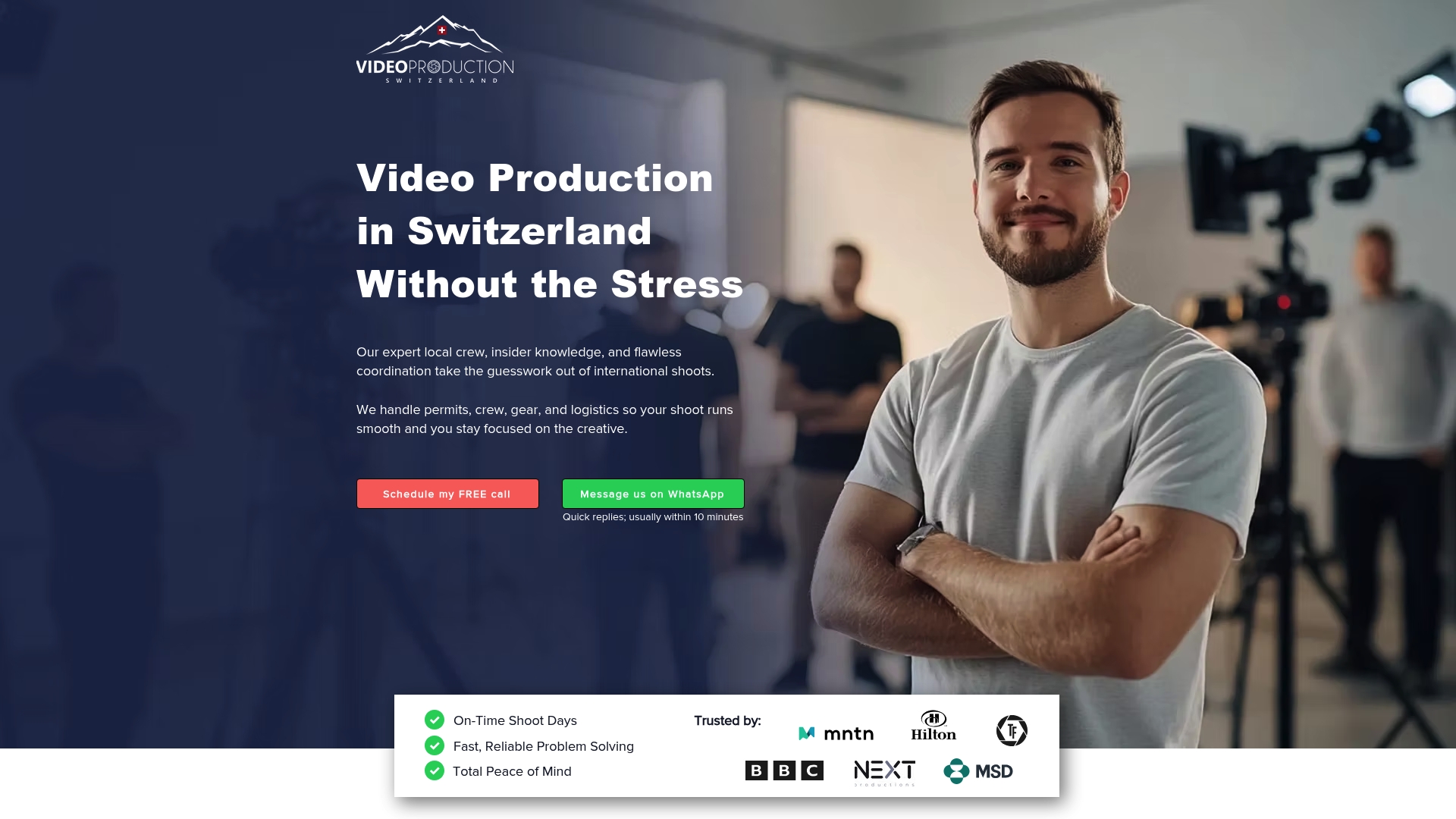
Ready to transform your video advertising strategies into reality with worry-free production support? Visit Video Production Switzerland today for a free consultation. Experience trusted local expertise that empowers your brand to connect with audiences through powerful, precisely executed video content.
Frequently Asked Questions
What are the benefits of using short-form video content in advertising?
Short-form video content significantly increases viewer engagement and retention. Implement it by creating videos that last between six to eight seconds to capture attention quickly and increase interaction rates by up to 36% compared to longer formats.
How can I personalize my video advertising strategy based on audience data?
Utilize advanced data analytics to profile your audience and tailor content to their specific interests. Start by segmenting your audience into a few distinct groups, then craft targeted video content that speaks directly to the unique preferences of each segment.
What are interactive video ads, and how do they enhance viewer engagement?
Interactive video ads allow viewers to engage directly with content by clicking on embedded elements, facilitating a seamless shopping experience. Incorporate clickable hotspots and product tags within your videos to create dynamic ad experiences that encourage immediate purchases and viewer interaction.
How can AI improve the efficiency of video content creation?
AI can automate tedious video production tasks, such as editing and script generation, streamlining your workflow. Identify 2 to 3 repetitive tasks and integrate AI tools to reduce production time by up to 50%, allowing your team to focus on creative storytelling.
What is programmatic advertising, and how does it work for video ads?
Programmatic advertising uses automated systems and real-time bidding to deliver targeted video ads to specific audiences efficiently. Establish a robust data tracking infrastructure to optimize audience targeting and ensure your ads reach relevant viewers in milliseconds.
How should I adapt my video content for streaming platforms?
To adapt your video content effectively, develop modular assets that can be customized for different platforms and screen sizes. Create shorter video variations of your core content to maximize reach and engagement across various viewing environments.
Recommended
