
Understanding the Explainer Video Production Process

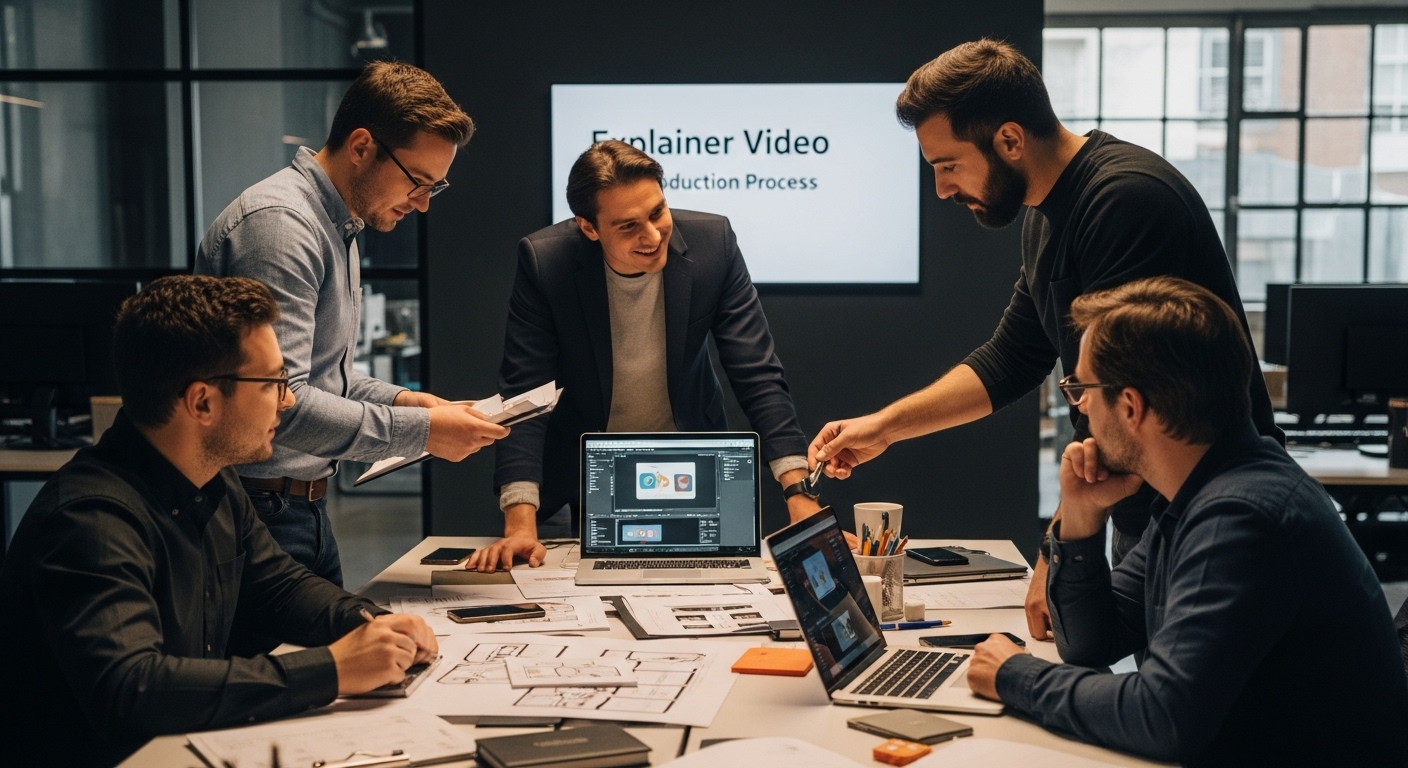
Explainer videos have become the secret weapon for businesses and educators who need to turn complicated information into something clear and watchable. People process visuals 60,000 times faster than text, so it is little wonder these short animated videos get results that static presentations simply cannot match. Most assume it is just about slick animation and catchy scripts but the real game is in the step-by-step production process that quietly shapes how millions learn, buy, and remember.
Table of Contents
Quick Summary
Takeaway | Explanation |
Define your audience and message clearly | Understanding the target audience and main message is crucial for creating effective explainer videos. |
Use a structured narrative approach | Apply the problem-solution framework to engage viewers and keep the video focused and effective. |
Blend technical precision with creativity | Successful videos require collaboration among writers, designers, and sound engineers to craft a cohesive experience. |
Leverage visual storytelling for engagement | Visual communication helps simplify complex ideas, making them more accessible and appealing to viewers. |
Utilize explainer videos for strategic goals | These videos can enhance brand awareness, improve understanding, and drive conversion rates across various sectors. |
What is the Explainer Video Production Process?
An explainer video production process is a systematic approach to creating short, engaging videos designed to communicate complex ideas, products, or services in a clear and compelling manner. These videos typically range from 60 to 180 seconds and serve as powerful marketing and educational tools for businesses across various industries.
Core Components of Explainer Video Production
The explainer video production process involves several critical stages that transform a raw concept into a polished, professional visual narrative. Understanding these components helps businesses and creators develop more effective communication strategies.
Conceptualization: Defining the core message and target audience
Scriptwriting: Crafting a concise, engaging narrative
Visual Storyboarding: Mapping out visual sequences
Animation/Production: Creating the actual video content
Voiceover and Sound Design: Adding audio elements
Technical and Creative Considerations
Successful explainer videos blend technical precision with creative storytelling. Learn more about pre-production video planning to understand how professional teams approach these intricate projects. The process requires collaboration between writers, designers, animators, and sound engineers to create a cohesive final product that effectively communicates the intended message.
Professional explainer video production typically involves understanding the client’s unique value proposition, target audience preferences, and desired emotional response. This means going beyond simple information delivery to create an emotional connection that resonates with viewers and drives engagement.
Strategic Purpose of Explainer Videos
Beyond mere explanation, these videos serve strategic communication objectives. They can:
Simplify complex technical concepts
Increase brand awareness
Improve audience understanding of products or services
Boost conversion rates
Enhance online engagement
Whether for technology startups, educational institutions, or global corporations, explainer videos represent a sophisticated approach to digital communication that combines storytelling, design, and strategic messaging.
Why is the Explainer Video Production Process Important?
The explainer video production process is critically important because it transforms complex information into digestible, engaging visual narratives that capture audience attention and drive meaningful communication. In an era of information overload, these strategic video productions offer businesses and organizations a powerful mechanism to cut through noise and deliver precise messaging.
Cognitive Processing and Communication Effectiveness
Research from cognitive psychology indicates that humans process visual information 60,000 times faster than text, making video an unparalleled communication medium. The explainer video production process leverages this neurological advantage by creating content that is both intellectually accessible and emotionally resonant.
Key cognitive benefits include:
Rapid information absorption
Enhanced message retention
Simplified understanding of complex concepts
Improved audience engagement
Reduced cognitive load during learning
Strategic Business and Educational Applications
Beyond cognitive advantages, the explainer video production process serves multiple strategic purposes across various sectors. Businesses use these videos to clarify product offerings, while educational institutions employ them to break down intricate academic subjects. The process allows creators to distill sophisticated information into clear, compelling narratives that speak directly to target audiences.
For marketing teams, explainer videos represent a versatile tool that can:
Increase conversion rates
Improve brand perception
Provide quick product demonstrations
Enhance digital marketing strategies
Create shareable content across platforms
Long-Term Communication Impact
The systematic approach of the explainer video production process ensures that communication remains precise, professional, and purposeful. By carefully orchestrating visual storytelling, scriptwriting, and technical production, organizations can create lasting impressions that resonate far beyond traditional communication methods.
Ultimately, the explainer video production process is not just about creating a video it is about crafting a strategic communication instrument that can educate, persuade, and inspire audiences across diverse contexts.
Key Concepts in the Explainer Video Production Process
The explainer video production process encompasses a sophisticated framework of interconnected concepts that transform complex ideas into compelling visual narratives. Understanding these fundamental principles is crucial for creating effective communication tools that resonate with target audiences.
Narrative Structure and Storytelling Dynamics
Research in communication studies reveals that successful explainer videos utilize specific narrative structures to engage viewers. The most prevalent approach is the problem-solution framework, which introduces a relatable challenge and demonstrates how a particular product, service, or concept provides resolution.
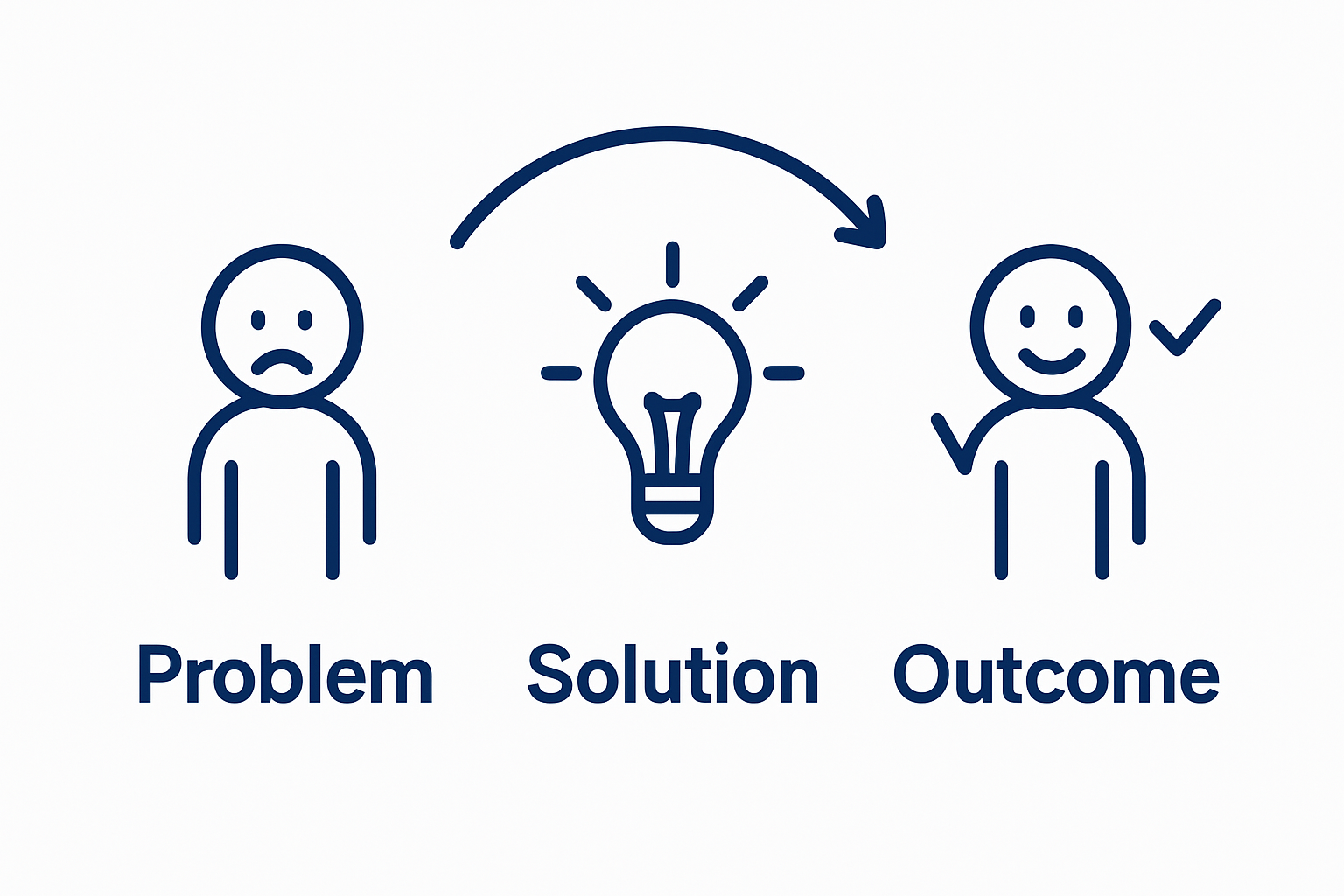
Key narrative elements include:
Establishing a clear protagonist or central character
Presenting a recognizable problem or pain point
Introducing the solution with clarity and concision
Creating an emotional connection
Delivering a compelling call to action
Technical Design and Visual Communication
Explainer videos rely on intricate technical design principles that go beyond mere aesthetic appeal. Visual communication becomes the primary language, translating complex information into digestible, memorable content. Learn more about video production best practices to understand the nuanced approach required.
Critical technical considerations include:
Consistent color palette and branding
Strategic use of animation and graphics
Pacing that matches information complexity
Minimalist design principles
Seamless integration of audio and visual elements
Cognitive Engagement and Information Retention
The ultimate goal of an explainer video is not just to inform but to ensure information absorption and retention. Successful productions leverage cognitive psychology principles, breaking down complex concepts into manageable, interconnected segments that facilitate understanding.
This approach transforms traditional communication by creating a multilayered experience that simultaneously addresses visual, auditory, and emotional learning channels. By carefully orchestrating narrative, design, and technical execution, explainer videos become powerful instruments of knowledge transfer that transcend traditional educational and marketing boundaries.

How the Explainer Video Production Process Works
The explainer video production process operates as a meticulously orchestrated sequence of creative and technical stages, transforming abstract concepts into engaging visual narratives that capture audience attention and facilitate understanding. This systematic approach ensures that complex information is distilled into clear, compelling communication.
Pre-Production Planning and Research
Initial concept development represents the critical foundation of the explainer video production process. Learn more about video shoot planning to understand the intricate preparatory work required. During this phase, creators conduct comprehensive research to:
Identify target audience demographics
Analyze the core message and communication objectives
Develop initial narrative frameworks
Outline potential visual storytelling approaches
Create preliminary script drafts
Scripting and Storyboarding Mechanics
Once the initial research concludes, the production transitions into scripting and visual conceptualization. Professional teams collaborate to craft a narrative that balances information density with engaging storytelling. This involves:
Developing a concise, clear script
Creating detailed storyboards
Mapping visual sequences
Determining animation or video style
Establishing timing and pacing
Technical Production and Post-Production Workflow
The final stage integrates technical execution with creative vision. Production involves synthesizing multiple creative and technical elements to transform the conceptual blueprint into a finished video. This complex process encompasses:
Recording voiceover narration
Designing and animating visual elements
Integrating sound design and music
Color grading and visual refinement
Final editing and quality assurance
Each stage of the explainer video production process requires precision, creativity, and a deep understanding of communication principles.
Below is a table summarizing the main stages and key activities involved in the explainer video production process for a clearer step-by-step overview.
Stage | Key Activities |
Conceptualization | Define core message, identify target audience |
Scriptwriting | Craft concise, engaging narrative |
Visual Storyboarding | Map out visual sequences, plan the flow |
Animation/Production | Create animations or live-action footage |
Voiceover and Sound Design | Add narration, sound effects, and music |
Editing and Finalization | Refine visuals, synchronize audio, final quality checks |
Real-World Applications of the Explainer Video Production Process
The explainer video production process transcends traditional marketing boundaries, emerging as a versatile communication tool deployed across diverse professional landscapes. Its adaptive methodology enables organizations to transform complex information into accessible, engaging visual narratives that resonate with targeted audiences.
Corporate Training and Professional Development
Research in educational technology demonstrates the profound impact of explainer videos in organizational learning environments. Corporate training programs leverage these videos to standardize knowledge transfer, creating consistent learning experiences across global teams. Learn more about video production techniques to understand the nuanced approach required.
Key applications in corporate settings include:
Onboarding new employees
Explaining complex company policies
Demonstrating product functionalities
Introducing new technological systems
Providing compliance and safety training
Educational and Academic Contexts
Academic institutions are increasingly adopting explainer video production processes to revolutionize educational content delivery. These videos serve as powerful pedagogical tools, breaking down intricate academic concepts into digestible, engaging formats that enhance student comprehension and retention.
Educational deployment strategies encompass:
Scientific concept explanations
Historical narrative presentations
Mathematical theorem demonstrations
Laboratory procedure tutorials
Research methodology illustrations
Marketing and Brand Communication
In the competitive digital marketplace, explainer videos have become essential instruments for brands seeking to differentiate themselves. By distilling complex product offerings or service propositions into compelling visual stories, organizations can effectively communicate their unique value propositions.
Marketing professionals utilize explainer videos to:
Introduce new product lines
Simplify technical service descriptions
Create memorable brand narratives
Enhance digital marketing strategies
Improve customer understanding and engagement
The versatility of the explainer video production process lies in its ability to adapt across sectors, transforming how complex information is conceptualized, communicated, and consumed in our increasingly visual and digital world.
The following table compares the strategic applications of explainer videos across business, education, and marketing, highlighting how each sector utilizes the video production process for specific communication goals.
Sector | Strategic Applications |
Business | Product demonstrations, employee onboarding, policy explanation, compliance training |
Education | Simplifying complex concepts, lesson enhancement, procedure tutorials, research topics |
Marketing | Brand awareness, introducing new products, simplifying technical services, engagement |
Simplify Your Explainer Video Production in Switzerland
Are you struggling to coordinate every step of the explainer video production process described above? Many international producers find logistical hurdles like permits, crew sourcing, equipment issues, and local regulations make it tough to focus on storytelling and creative impact. If the process of concept development, animation, and post-production already feels demanding, trying to handle Switzerland’s production logistics can leave you frustrated and behind schedule. That is where our expert local support becomes your competitive advantage. For a closer look at our proven service process and expert crew, visit our landing page.
Ready to transform your next explainer video project into a seamless Swiss experience? Trust Video Production Switzerland for hands-on help with everything from location scouting to gear management. Your vision stays center stage while we handle the rest. Act now to book a free consultation and ensure your project runs smoothly from script to screen.
Frequently Asked Questions
What are the key stages in the explainer video production process?
The key stages include conceptualization, scriptwriting, visual storyboarding, animation/production, and voiceover and sound design. Each stage contributes to transforming a raw idea into a polished explainer video.
Why are explainer videos effective for communication?
Explainer videos are effective because they simplify complex information, enhance audience engagement, and help improve message retention due to their visual and auditory elements, making them more accessible than text-based content.
How does the narrative structure impact an explainer video?
The narrative structure, often following a problem-solution framework, helps engage viewers by establishing relatable challenges and demonstrating how a product or service resolves those challenges, ultimately leading to a compelling call to action.
What are the applications of explainer videos in business and education?
In business, explainer videos are used for product demonstrations, onboarding, and marketing. In education, they help simplify complex concepts, enhance student comprehension, and provide engaging content delivery methods.
Recommended
