
End to End Video Production: Complete Guide


Most video projects fall short long before cameras start rolling. The real magic happens during end to end video production, which blends strategy, creativity, and seamless execution into one process. With over 80 percent of successful productions crediting their quality to thorough planning and coordination, understanding this approach is key for anyone aiming to create professional video content. Explore how mastering each stage leads to polished, engaging stories that hold viewers’ attention from start to finish.
Table of Contents
Key Takeaways
Point | Details |
Holistic Approach | End to end video production manages all phases from concept to delivery, ensuring quality and consistency. |
Three Critical Phases | Successful production comprises pre-production, production, and post-production, each necessitating specialized skills and teamwork. |
Importance of Planning | Effective logistical coordination and legal considerations during pre-production are crucial for avoiding common pitfalls. |
Collaboration is Key | Seamless communication and teamwork among various roles are essential for delivering a polished final product. |
Defining End to End Video Production
End to end video production represents a comprehensive approach that transforms creative concepts into polished visual storytelling through a systematic, multi-stage process. According to Lonestar, video production goes far beyond simply pressing the record button - it involves a strategic journey from initial concept to final delivery.
End to end video production typically encompasses three critical phases that ensure a seamless transition from idea to finished product:
Pre-Production: The planning stage where creative vision takes shape
Production: The actual filming and capturing of visual content
Post-Production: The editing, refinement, and final polish of the project
As University of Twente confirms, these three interconnected steps form the foundational framework for successful video creation. Each phase requires specialized skills, meticulous planning, and collaborative effort to transform raw creative concepts into compelling visual narratives.
The true power of end to end video production lies in its holistic approach. By managing every aspect of video creation under a unified strategy, production teams can ensure consistency, quality, and alignment with the original creative vision. From initial storyboarding to final color grading, this comprehensive method minimizes fragmentation and maximizes the potential for creating impactful, professional visual content that resonates with intended audiences. Complete Guide to Video Production Workflow provides additional insights into navigating these intricate production stages.
Key characteristics of successful end to end video production include:
Seamless coordination between creative and technical teams
Systematic workflow management
Consistent quality control
Efficient resource allocation
Adaptable problem-solving approaches
Whether creating corporate videos, documentaries, commercials, or cinematic projects, understanding and implementing a robust end to end video production process is fundamental to achieving professional, high-quality results.
Stages of Professional Video Production Workflow
Professional video production is a complex, multi-stage process that transforms creative vision into compelling visual storytelling. According to KU Leuven, there are three fundamental stages that guide this transformative journey: pre-production, production, and post-production.
Pre-Production Stage This initial phase is the critical planning foundation where all creative strategies are developed:
Scriptwriting and storyboarding
Location scouting
Talent casting
Budget planning
Equipment and resource allocation
Production Stage During this phase, the actual filming and content capturing occurs, bringing the pre-planned vision to life. This involves:
Setting up equipment
Directing talent
Capturing raw footage
Managing on-site logistics
Ensuring technical and creative quality
Post-Production Stage As UCLA College explains, post-production involves processing, combining, and trimming footage into the final video cut. Key activities include:

Video editing
Sound mixing
Color grading
Adding visual effects
Finalizing the narrative flow
Understanding these interconnected stages helps filmmakers and content creators approach video production systematically. 3 Main Stages of Video Production Explained offers deeper insights into navigating these complex workflows.
Each stage requires specialized skills, precise coordination, and creative problem-solving. Successful video production is not just about technical execution but about maintaining a cohesive vision from initial concept to final delivery. Professional teams must seamlessly transition between these stages, ensuring that the original creative intent remains intact throughout the entire production process.
Key Roles and Responsibilities in Production
Video production is a complex collaborative effort requiring specialized professionals who work together to transform creative vision into compelling visual storytelling. According to KU Leuven, the pre-production stage is where the foundation for a high-quality final product is meticulously created.
Key Production Roles
Producer
Overall project management
Budget coordination
Strategic decision-making
Resource allocation
Ensuring project completion
Director
Creative vision implementation
Talent direction
Shot composition
Narrative storytelling
Artistic interpretation
Production ManagerWhat Is a Production Manager? Complete Overview reveals the critical responsibilities of this role, which include:
Logistical coordination
Schedule management
On-set problem solving
Budget tracking
Team communication
Cinematographer/Director of Photography (DP)
Visual aesthetic design
Camera technique selection
Lighting design
Technical image quality control
Camera crew management
Sound Technician
Audio recording
Sound quality management
Microphone placement
Audio equipment maintenance
Live sound mixing
As UCLA College notes in the context of post-production, each of these roles contributes critical expertise that ultimately shapes the final video cut. Their collaborative efforts ensure that technical precision meets creative vision, transforming raw footage into a polished, engaging visual narrative.
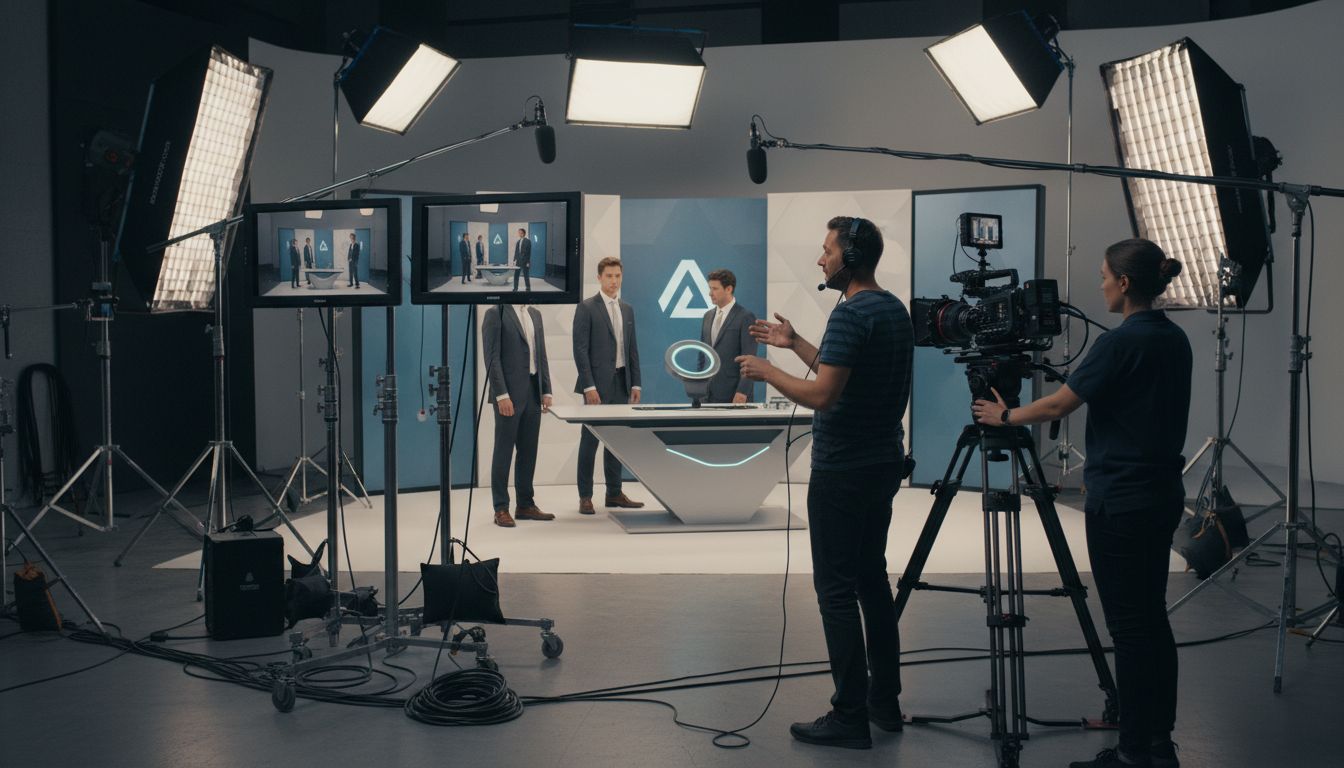
Successful video production demands not just individual skill, but seamless team coordination. Each professional brings unique expertise, working in concert to overcome challenges, maximize creative potential, and deliver a final product that exceeds expectations. From initial concept to final edit, these key roles are the driving force behind compelling visual storytelling.
Logistical Planning and On-Set Coordination
Effective logistical planning is the backbone of successful video production, transforming creative vision into seamless execution. According to KU Leuven, the pre-production stage is critical for creating the foundation of a high-quality final product.
Key Logistical Planning Components
Location ManagementUnderstanding Managing Multiple Locations for Filmmakers highlights the complexity of coordinating shoot environments:
Securing location permits
Assessing technical requirements
Managing location access
Evaluating environmental challenges
Coordinating local logistics
Production Scheduling
Creating detailed shooting schedules
Allocating time for each scene
Managing crew and talent availability
Building buffer time for unexpected challenges
Tracking daily production progress
Equipment Coordination
Inventory management
Technical equipment selection
Backup equipment preparation
Transportation and setup logistics
Ensuring equipment compatibility
Budget and Resource Management
Tracking daily expenses
Managing resource allocation
Preventing budget overruns
Negotiating vendor contracts
Maintaining financial transparency
As UCLA College notes in the context of post-production, meticulous planning during production directly influences the quality of the final video cut. Successful on-set coordination requires anticipating potential challenges, maintaining flexible communication, and creating robust backup strategies.
Professional video production is a dynamic dance of preparation and adaptability.
While detailed planning provides a critical roadmap, the ability to pivot quickly and solve problems in real-time separates exceptional productions from ordinary ones. Effective logistical planning transforms potential chaos into a smooth, efficient creative process.
Legal Requirements and Permit Management
Navigating the complex landscape of legal requirements and permit management is crucial for successful video production. According to UCLA College, productions must carefully manage approvals for anyone appearing in the video, ensuring legal compliance from the outset.
Key Legal Considerations
Location PermitsHow to Get Filming Permits: A Step-by-Step Guide for Crews highlights the critical steps in securing necessary filming permissions:
Identifying required local permits
Understanding jurisdiction-specific regulations
Submitting comprehensive permit applications
Paying required fees
Maintaining proper documentation
Talent and Release Permissions
Obtaining signed talent release forms
Clarifying usage rights for filmed content
Managing model and performance rights
Addressing potential image and likeness restrictions
Ensuring informed consent for all participants
Intellectual Property Considerations
Clearing music and sound rights
Managing copyright for visual elements
Securing proper licensing for used content
Avoiding potential trademark infringements
Documenting all intellectual property agreements
Content Accessibility Requirements
Providing closed captioning for public content
Ensuring compliance with disability access regulations
Supporting multiple language accessibility
Implementing proper audio descriptions
Meeting international broadcasting standards
As noted by University of Twente, comprehensive legal planning begins during the initial intake meeting, where critical project parameters are established. Effective legal management is not just about avoiding potential issues, but creating a robust framework that protects the production’s creative and commercial interests.
Successful video production requires a proactive approach to legal requirements. By anticipating potential challenges, maintaining meticulous documentation, and understanding the nuanced legal landscape, production teams can navigate complex regulatory environments with confidence and professionalism.
Common Mistakes and How to Avoid Them
Video production is a complex process fraught with potential pitfalls that can derail even the most well-planned projects. According to KU Leuven, the pre-production stage is critical for creating a high-quality final product, which means avoiding early mistakes is paramount.
Pre-Production Mistakes
Inadequate Script Preparation
Skipping comprehensive script development
Failing to define clear narrative objectives
Overlooking potential logistical challenges
Not conducting thorough script readings
Ignoring potential audience perspective
Budget Miscalculations
Underestimating production costs
Not creating contingency funds
Overlooking hidden expenses
Failing to negotiate vendor rates
Inadequate financial tracking
Poor Location and Resource Planning
Insufficient location scouting
Neglecting necessary permits
Underestimating technical requirements
Lack of backup location options
Inadequate equipment preparation
Production and Post-Production Mistakes
Technical Execution Errors
Improper camera settings
Inconsistent lighting
Poor sound recording quality
Insufficient backup footage
Neglecting multiple take options
Workflow and Coordination Challenges
Ineffective team communication
Unclear role definitions
Missed shooting schedule deadlines
Lack of real-time problem-solving
Insufficient daily progress tracking
As UCLA College notes about post-production, processing and combining footage requires precision - mistakes in earlier stages can critically impact the final video cut.
Successful video production demands proactive mistake prevention. By anticipating potential challenges, maintaining rigorous planning, and creating flexible contingency strategies, production teams can transform potential pitfalls into opportunities for creative problem-solving and exceptional storytelling.
Streamline Your End to End Video Production in Switzerland
Creating a high-quality video requires expert coordination across every stage—pre-production, production, and post-production—as outlined in the complete guide. Challenges like securing permits, managing local logistics, sourcing trusted crew, and handling equipment can quickly overwhelm your project and stall your creative vision. Avoid common pitfalls by partnering with seasoned professionals who understand the Swiss market inside out and can deliver smooth, stress-free coordination from start to finish.
Ready to eliminate uncertainty and focus on storytelling? At Video Production Switzerland, we specialize in comprehensive solutions including permit management, equipment rentals, location scouting, and crew coordination. Backed by over 20 years of local expertise, our client-centric approach ensures your production stays on schedule and within budget. Take the first step with a free consultation today and experience what seamless end to end video production looks like. Learn more about our process on the main landing page and unlock professional support tailored to your needs.
Frequently Asked Questions
What are the main phases of end to end video production?
End to end video production typically includes three main phases: pre-production, where the creative vision is developed; production, which involves the actual filming; and post-production, where the video is edited and finalized.
Why is pre-production important in video production?
Pre-production is crucial because it lays the groundwork for the entire project. It involves scriptwriting, location scouting, casting, budgeting, and detailed planning, which are essential for a successful shoot and final product.
What roles are essential in the video production process?
Key roles in video production include the producer, who manages the overall project; the director, who oversees the creative vision; the production manager, who coordinates logistics; the cinematographer, who handles the visual aspects; and the sound technician, who ensures audio quality.
How can I avoid common mistakes in video production?
To avoid common mistakes, focus on adequate script preparation, accurate budget calculations, thorough location planning, and effective team communication. Additionally, ensure you have backup footage and real-time problem-solving strategies during production.
Recommended
