
Drone Laws in Switzerland: Key Rules for Filmmakers

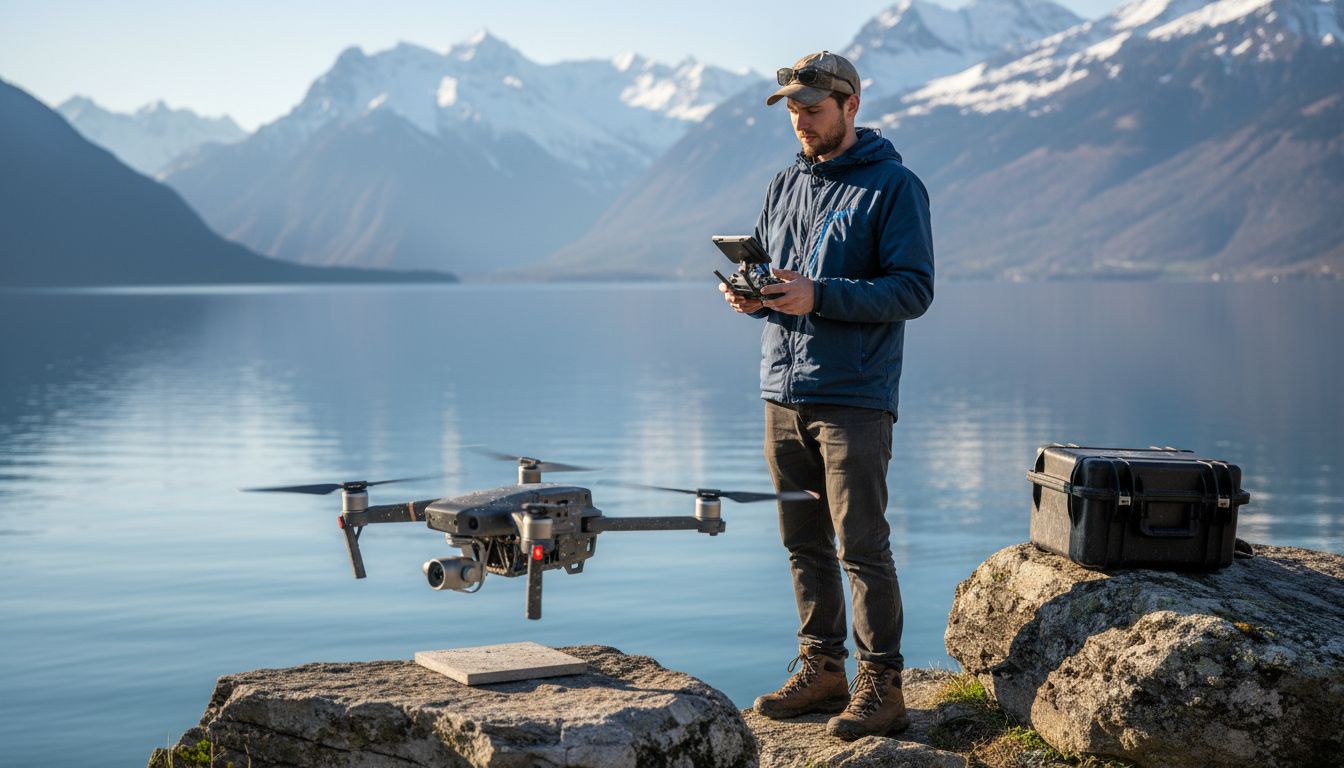
Most American filmmakers are surprised to learn that Switzerland enforces some of the strictest drone laws in Europe. With updated regulations now fully aligned with European Union standards, navigating aerial filming here requires far more than simply advanced equipment. Whether you are planning a documentary or a large-scale commercial shoot, understanding these complex rules can make the difference between seamless creativity and costly mistakes. This guide breaks down exactly what American video teams need to know before taking flight across the Swiss landscape.
Table of Contents
Key Takeaways
Point | Details |
Updated Regulations | Switzerland introduced new drone laws in January 2023, aligning with EU standards, impacting professional aerial filmmaking significantly. |
Drone Categories | Drones are classified into three categories based on weight and risk: Open, Specific, and Certified, each with specific regulations. |
Permit Requirements | Filmmakers must secure various permits for drone use in different environments, including local and federal authorizations. |
Legal Consequences | Non-compliance with drone laws can lead to significant fines, equipment confiscation, and potential legal prosecution. |
Defining Drone Laws in Switzerland
Drone regulations in Switzerland underwent a significant transformation in January 2023, when the country adopted comprehensive new drone operation guidelines aligned with European Union standards. These updated regulations create a structured framework for drone pilots, particularly those involved in professional filmmaking and aerial photography.
The Swiss drone laws categorize unmanned aerial vehicles based on their weight, operational purpose, and potential risk levels. Filmmakers must understand these classifications to ensure legal compliance. Drone Categories range from lightweight recreational devices to professional cinematography equipment, each with specific operational requirements:
Open Category: Lowest risk level, suitable for hobby and basic commercial use
Specific Category: Requires advanced permissions for more complex aerial filming scenarios
Certified Category: Highest regulatory standards, typically for advanced professional operations
Professional filmmakers must obtain specific certifications and registrations depending on their drone’s weight and intended use. This includes mandatory pilot training, equipment registration, and adherence to strict flight zone restrictions. Urban areas, national parks, and proximity to airports demand especially careful navigation and pre-approved flight plans. Understanding these nuanced regulations is crucial for international video production teams seeking to capture Switzerland’s stunning landscapes legally and safely.
Drone Categories and Weight Regulations Explained
Swiss drone regulations create a nuanced classification system that directly impacts filmmakers based on equipment weight, operational complexity, and potential risk. Understanding these categories is crucial for legal compliance and obtaining necessary permits for aerial cinematography. Filmmakers must carefully evaluate their specific drone characteristics against the official drone regulations guide to determine their operational requirements.
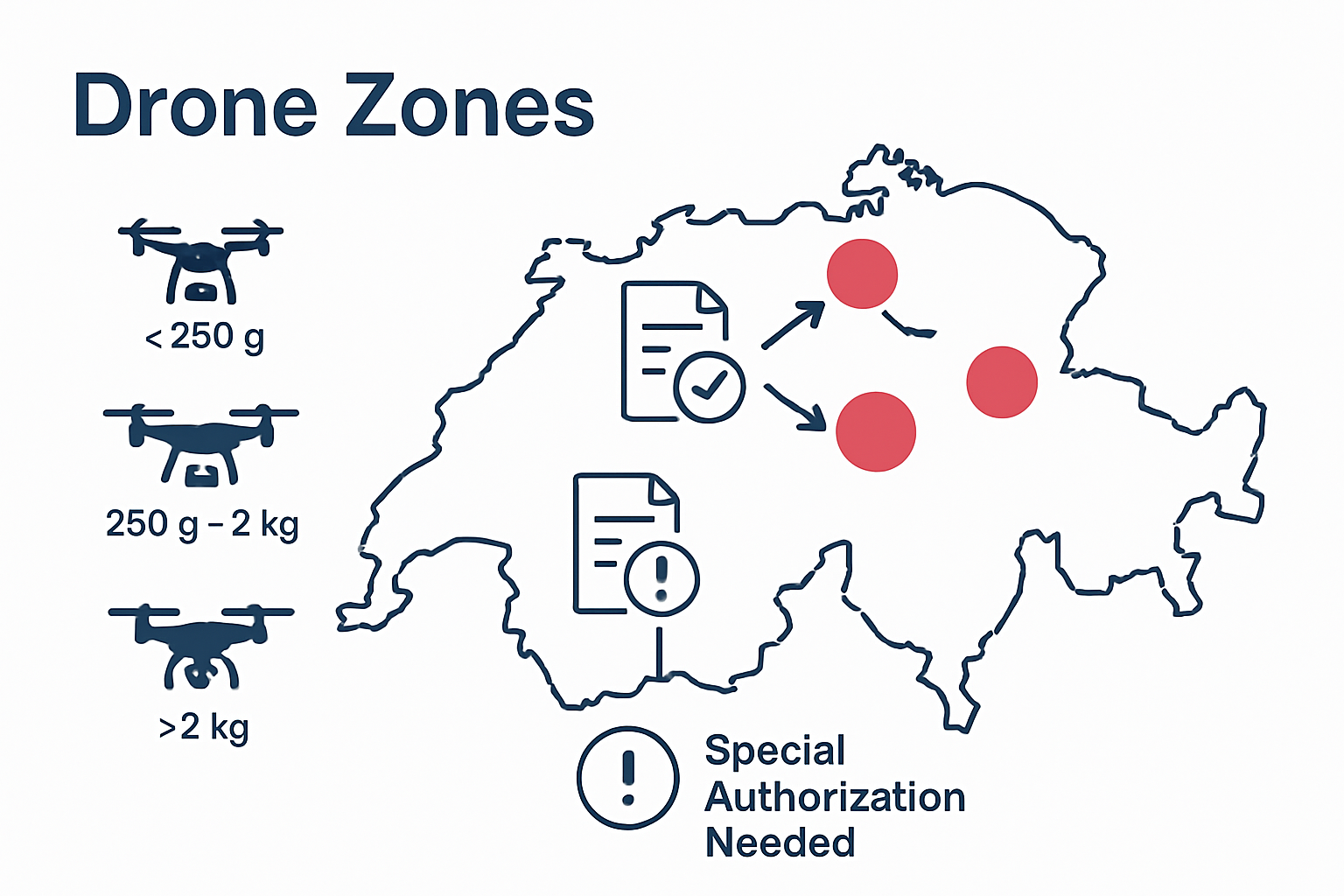
Weight Classifications form the foundational criteria for drone regulations in Switzerland. Drones are categorized into precise weight ranges, each with distinct legal implications:
Under 250 grams: Minimal restrictions, ideal for lightweight cinematography equipment
250 grams to 2 kilograms: Moderate regulatory requirements, typical for professional video production
2 to 25 kilograms: Advanced permissions required, significant operational restrictions
Over 25 kilograms: Highly regulated, requiring specialized certification
Each weight category demands specific operational protocols. Filmmakers must complete mandatory registration, obtain appropriate pilot certifications, and adhere to strict geographical limitations. Urban environments, national parks, and areas near critical infrastructure require extra precautions. Professional video production teams must thoroughly understand these regulations to ensure seamless, legal drone operations across Switzerland’s diverse landscapes.
Permit Requirements for Filming With Drones
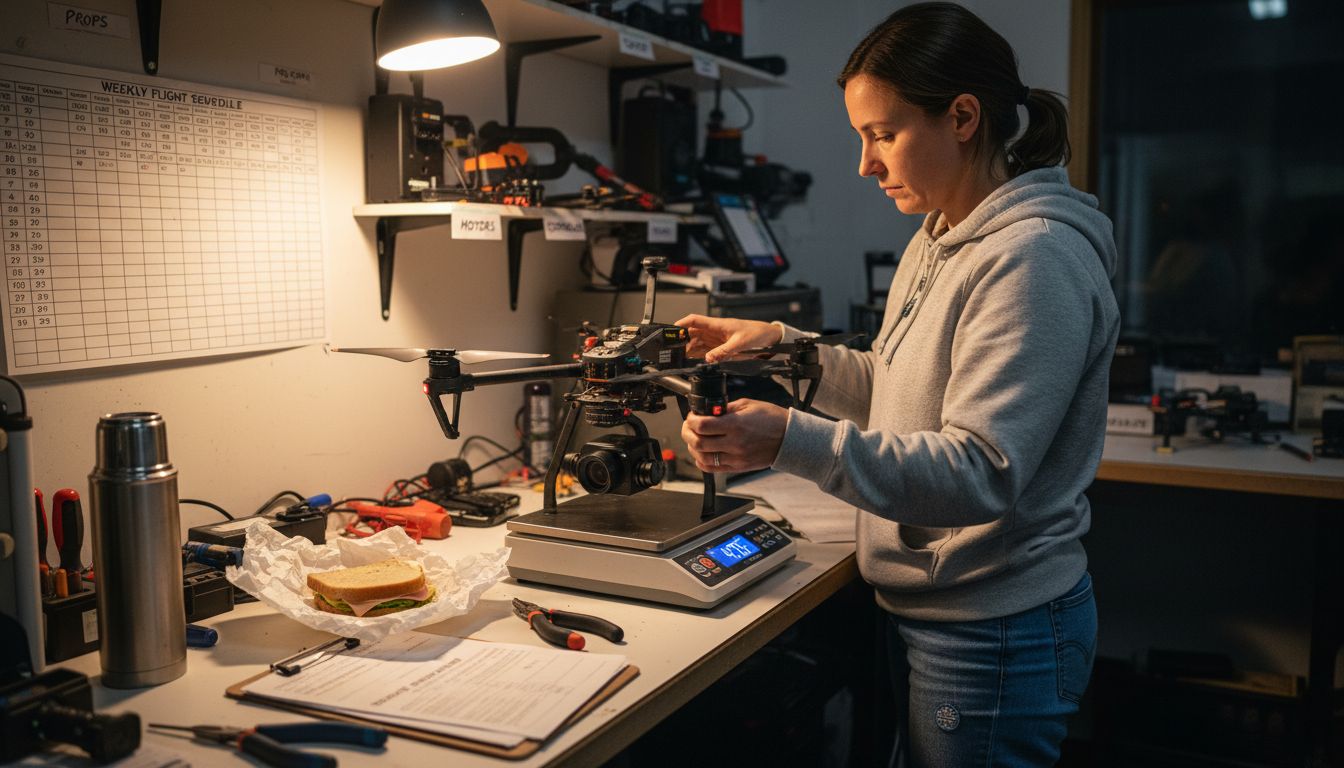
Navigating the permit landscape for drone filmmaking in Switzerland requires meticulous attention to detail and comprehensive understanding of local regulations. Professional video production teams must carefully plan their aerial cinematography by securing the appropriate filming permits for complex locations, which vary significantly depending on the specific region and drone characteristics.
Permit Classification involves multiple layers of regulatory compliance for drone operators. Filmmakers must obtain different authorization levels based on several critical factors:
Local Municipal Permits: Required for shooting in urban or populated areas
Federal Aviation Authorization: Mandatory for all commercial drone operations
Location-Specific Clearances: Needed for sensitive environments like national parks, historical sites, and restricted zones
Insurance Documentation: Comprehensive liability coverage specific to aerial cinematography
The application process demands extensive documentation, including detailed flight plans, equipment specifications, pilot certifications, and comprehensive risk assessments. International film crews must submit applications well in advance, typically 4-6 weeks before their planned shooting dates. Each permit requires precise technical specifications about the drone, intended flight paths, altitude ranges, and operational timeframes, ensuring maximum safety and regulatory compliance across Switzerland’s diverse and sensitive landscapes.
Airspace Restrictions and No-Fly Zones
Drone operators in Switzerland must navigate a complex landscape of airspace regulations, with precise geographical zones defining operational boundaries. Understanding these restrictions is critical for filmmakers to avoid potential legal complications and ensure safe aerial cinematography across the country’s diverse terrain.
Critical Airspace Limitations include several key restrictions that professional drone pilots must meticulously observe:
Airport Proximity Zones: Prohibited within 5 kilometers of civil and military aerodromes
Urban Restricted Areas: Significant limitations in densely populated city centers
National Security Zones: Complete drone operation bans around sensitive government and military installations
Natural Protected Regions: Strict regulations in national parks and environmentally sensitive landscapes
The Swiss aviation authorities enforce rigorous monitoring of drone operations, with specific authorization requirements for flight heights and control zones. Filmmakers must obtain explicit permissions for flights near controlled airspace, typically requiring detailed flight plans, real-time communication protocols, and comprehensive risk assessments. Violations can result in substantial financial penalties, equipment confiscation, and potential legal prosecution, making comprehensive pre-flight planning an absolute necessity for international video production teams.
Legal Liabilities and Penalties for Violations
Drone operators in Switzerland face significant legal consequences for regulatory non-compliance, with penalties designed to ensure strict adherence to national aviation standards. Equipment conformity and spectrum regulations represent critical areas where filmmakers must demonstrate meticulous attention to legal requirements to avoid substantial financial and operational risks.
Penalty Structures for drone operation violations encompass multiple levels of potential consequences:
Financial Fines: Ranging from 500 to 10,000 Swiss francs depending on violation severity
Equipment Confiscation: Potential temporary or permanent seizure of drone equipment
Criminal Charges: Possible legal prosecution for serious regulatory breaches
Professional Sanctions: Potential suspension or revocation of commercial drone operation licenses
Professional video production teams must secure mandatory liability insurance with minimum coverage of 1 million CHF for drones weighing over 250 grams. Failure to maintain appropriate insurance can result in immediate operational suspension, substantial financial penalties, and potential legal action. International filmmakers must understand that Swiss authorities implement a zero-tolerance approach to regulatory violations, making comprehensive pre-flight preparation and strict compliance absolutely essential for successful aerial cinematography projects.
Simplify Your Swiss Drone Filming With Expert Production Support
Navigating Switzerland’s detailed drone laws like weight classifications, permit requirements, and no-fly zones can be overwhelming for any film crew. If you are looking to capture stunning aerial footage without risking costly fines or complex regulatory delays, partnering with seasoned local experts is essential. Our team at Video Production Switzerland specializes in managing permits, coordinating with trusted local drone pilots, and handling all logistical challenges so you can focus on creativity.
Take advantage of over 20 years of experience ensuring your project complies with Swiss drone regulations while delivering flawless aerial shots. Contact us today for a free consultation to discuss your specific needs and benefit from our comprehensive support services designed for international filmmakers. Visit our main site now and secure your hassle-free drone filming in Switzerland.
Frequently Asked Questions
What are the different drone categories in Switzerland?
Drones in Switzerland are categorized into three main groups: the Open Category for low-risk operations, the Specific Category requiring advanced permissions for more complex tasks, and the Certified Category which involves the highest regulatory standards for professional operations.
What are the weight classifications for drones and their implications?
Drones are classified into weight categories: under 250 grams (minimal restrictions), 250 grams to 2 kilograms (moderate requirements), 2 to 25 kilograms (advanced permissions needed), and over 25 kilograms (highly regulated and requires specialized certification).
What permits do I need to film with a drone in Switzerland?
Filmmakers need to secure local municipal permits for urban areas, federal aviation authorizations for all commercial operations, and specific clearances for sensitive locations, along with proper insurance documentation.
What are the consequences of not complying with drone regulations?
Non-compliance can lead to financial fines ranging from 500 to 10,000 Swiss francs, equipment confiscation, criminal charges for serious breaches, and potential suspension of commercial drone operation licenses.
Recommended
