
Documentary Interview Camera Angles: Impactful Storytelling

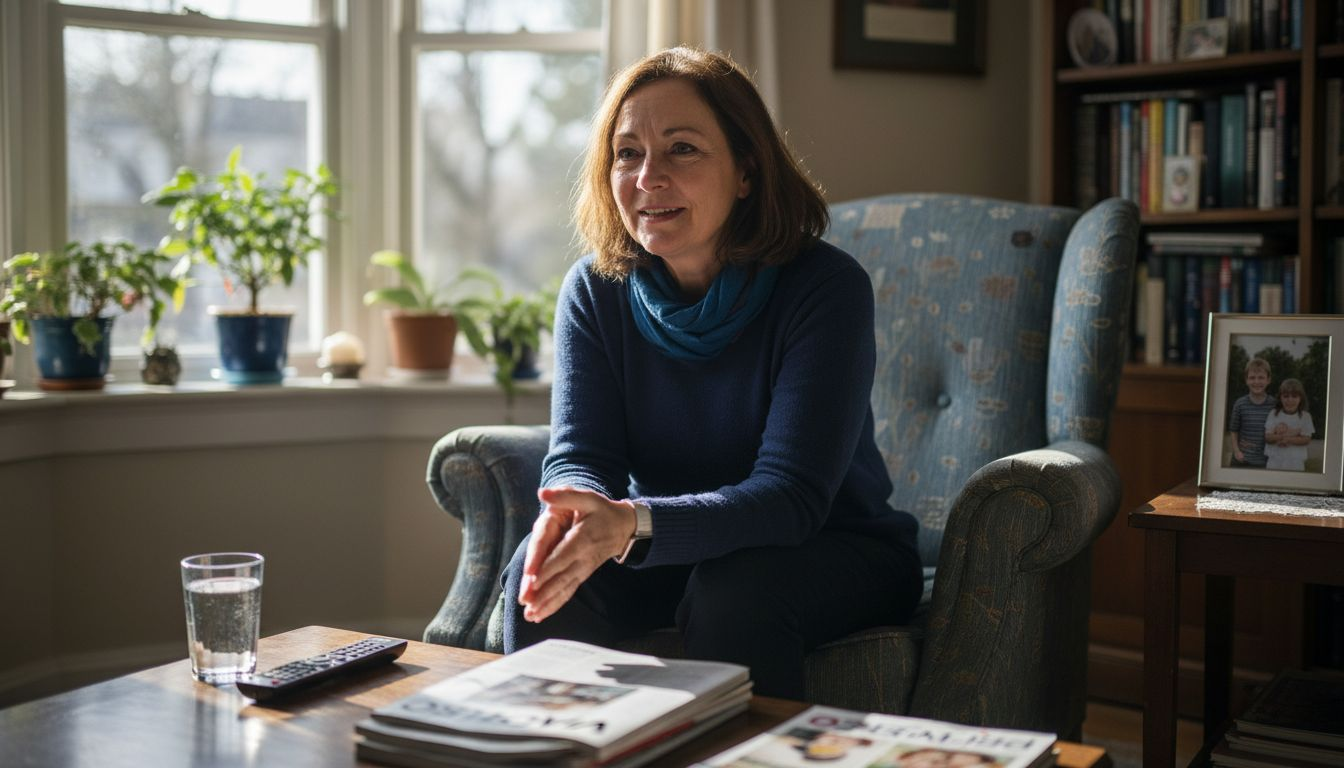
Every documentary filmmaker knows how a single interview shot can transform a story’s emotional impact. Choosing the right camera angle is not just a creative decision, but a powerful tool for shaping how audiences connect with your subject. From eye-level perspectives that foster trust to low-angles hinting at authority, mastering these techniques is vital for memorable narratives—especially when filming in Switzerland, where local regulations and effective support can determine success.
Table of Contents
Key Takeaways
Point | Details |
Camera Angles Influence Perception | Different camera angles significantly impact how viewers interpret a subject’s emotional state and narrative context. |
Strategic Angle Selection | Filmmakers should carefully choose camera angles that align with the intended narrative and emotional tone of the documentary. |
Technical and Emotional Considerations | Effective framing combines technical skills with emotional storytelling to create engaging documentaries. |
Regulatory Awareness in Filming | Understanding local regulations and obtaining necessary permits is crucial for smooth film production, especially in countries like Switzerland. |
Defining Documentary Interview Camera Angles
Documentary camera angles are strategic visual tools that transform raw interview footage into powerful narrative experiences. These precise framing techniques go far beyond simple recording - they become integral storytelling elements that shape viewer perception and emotional engagement. Camera angles influence how audiences interpret and connect with interview subjects.
Understanding the fundamental camera angles allows documentary filmmakers to craft nuanced visual narratives:
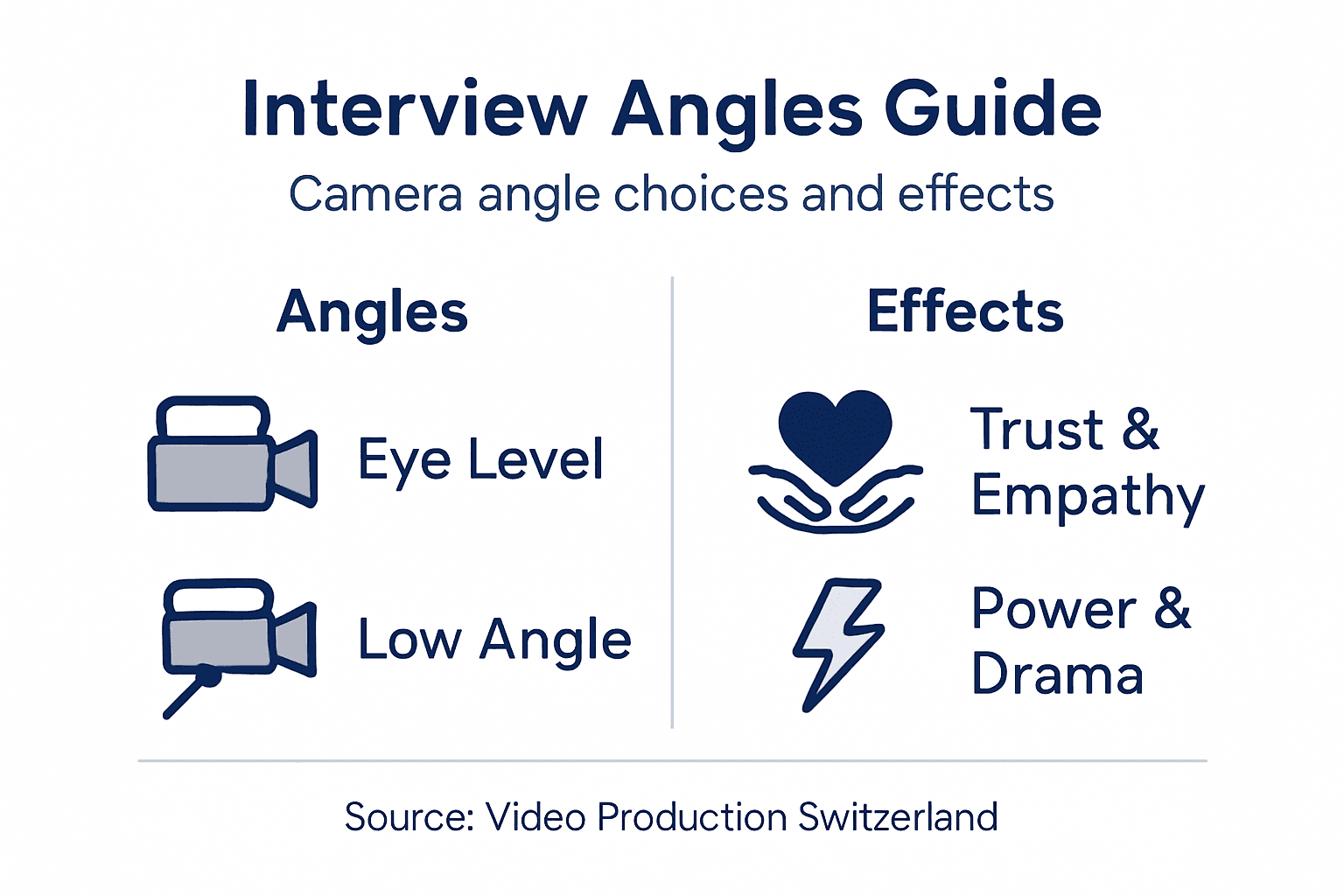
Eye Level Angle: Provides a neutral, balanced perspective
Low Angle: Creates perception of subject power or dominance
High Angle: Suggests vulnerability or diminished status
Dutch/Tilted Angle: Introduces psychological tension or disorientation
Each angle communicates subliminal information about the interviewee’s emotional state, social context, and narrative significance. A low-angle shot might elevate a community leader’s perceived authority, while a high-angle perspective could underscore a subject’s sense of marginalization or powerlessness.
Psychological Framing Considerations:
Subject proximity affects intimacy
Camera height shifts perceived power dynamics
Compositional balance communicates underlying narrative themes
Documentary camera angles are not just technical choices - they are narrative language.
Pro tip: Practice reviewing interview footage with different camera angles to understand their subtle psychological impacts.
Types of Interview Camera Angles Explained
Documentary filmmakers have multiple camera angles at their disposal, each serving unique storytelling purposes. Effective interview camera positioning creates powerful visual narratives that transform ordinary conversations into compelling documentaries.
Key interview camera angle types include:
Eye Level Angle: Neutral perspective, creates direct engagement
Over-the-Shoulder Shot: Provides conversational context
Close-Up: Captures emotional nuances and intimate details
Wide Shot: Establishes environmental and spatial relationships
Dutch Angle: Introduces psychological tension
Profile Angle: Highlights subject’s physical and emotional profile
Technical Considerations for Angle Selection:
Match angle to narrative intention
Consider subject’s emotional state
Align framing with documentary’s overall aesthetic
Maintain visual consistency
Shooting techniques like positioning the camera through objects can add depth and intimacy to interview footage. The 25-degree offset from direct eye contact creates visual interest while maintaining subject connection.
Camera angles are the unspoken language of documentary storytelling.
Pro tip: Experiment with multiple camera angles during initial interviews to discover which best captures your subject’s authentic emotional landscape.
Here’s a quick reference comparing common documentary interview camera angles and their narrative impact:
Camera Angle | Narrative Effect | Best Used For |
Eye Level | Neutral, balanced perspective | Honest representation |
Low Angle | Conveys authority or power | Highlighting leadership |
High Angle | Suggests vulnerability | Portraying marginalization |
Dutch/Tilted | Creates psychological unease | Tense or dramatic moments |
Over-the-Shoulder | Adds conversational context | Dialogue or interaction |
Close-Up | Reveals emotional nuance | Intimate, emotional scenes |
Wide Shot | Shows environment and context | Locating subject spatially |
Profile Angle | Highlights subject’s character | Studying emotion or attitude |
How Camera Angles Shape Documentary Narratives
Documentary storytelling transcends mere visual recording - it’s an intricate art of perspective manipulation. Camera angles critically influence narrative perception by subtly guiding viewers’ emotional and intellectual responses to the story being told.
Psychological Impact of Camera Angles:
High-Angle Shots: Diminish subject’s power, create vulnerability
Low-Angle Shots: Elevate subject’s perceived authority
Eye-Level Shots: Establish neutral, democratic perspective
Dutch Angles: Introduce psychological tension or disorientation
These visual techniques are more than technical choices - they’re narrative language. A community leader shot from a low angle appears more commanding, while a marginalized individual captured from a high angle might symbolize systemic oppression. Filmmakers strategically deploy these angles to communicate complex social dynamics without explicit dialogue.
Narrative Perspective Strategies:
Analyze subject’s emotional journey
Select angles matching narrative intent
Maintain consistent visual metaphors
Use subtle angle shifts to guide viewer empathy
Visual storytelling techniques transform interviews from simple recordings into profound narrative experiences that resonate deeply with audiences.
Camera angles are the unspoken poetry of documentary filmmaking.
Pro tip: Conduct preliminary interviews using multiple camera angles to discover which perspective most authentically captures your subject’s emotional landscape.
Best Practices for Effective Interview Framing
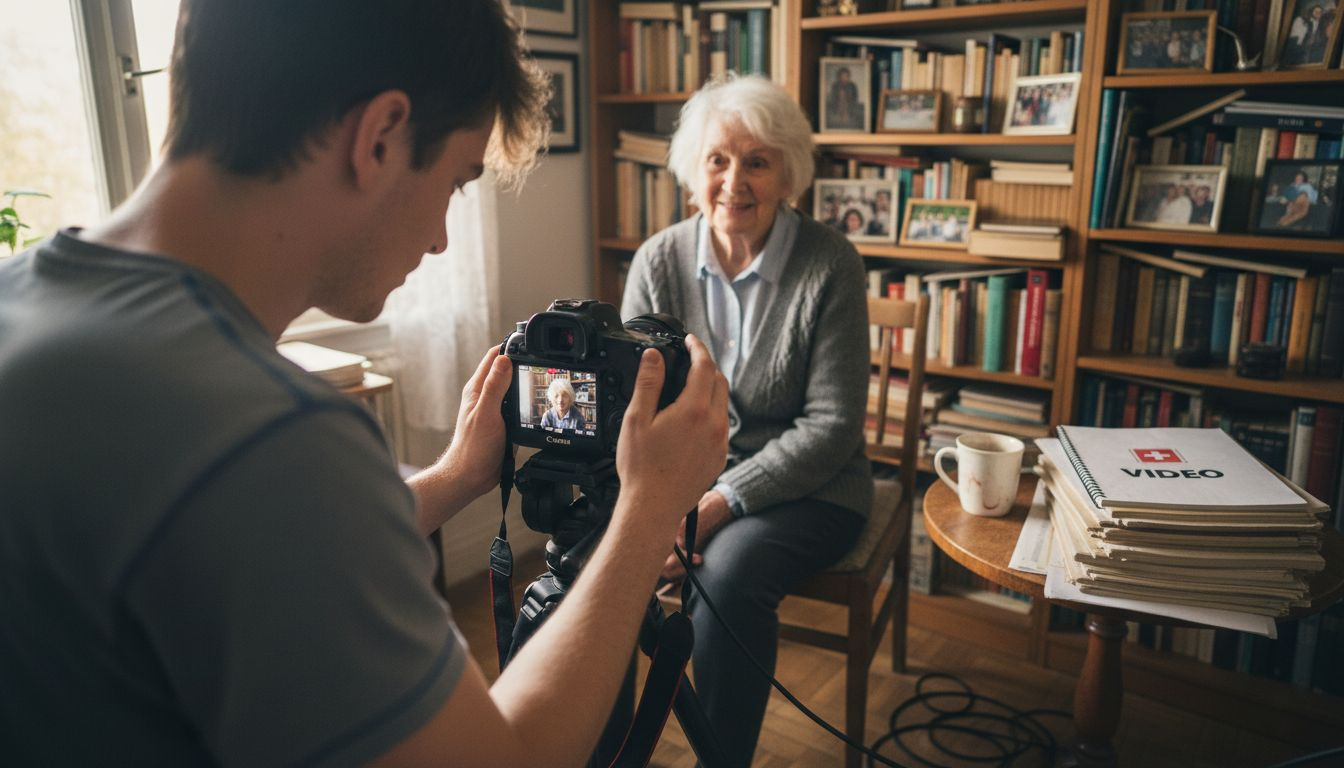
Best practices for interview framing transform ordinary conversations into compelling documentary moments. The technical and psychological elements of framing go far beyond simply pointing a camera at a subject.
Key Framing Principles:
Position subject off-center using rule of thirds
Create balanced background composition
Establish comfortable interview environment
Select meaningful background elements
Maintain consistent eye-line height
Documentary filmmakers must strategically consider both technical and emotional aspects of interview setup. Effective interview framing involves intentional camera positioning that maximizes emotional storytelling potential while maintaining subject comfort and authenticity.
Technical Framing Strategies:
Conduct pre-interview location scouting
Test multiple camera positions
Assess background narrative significance
Ensure consistent lighting conditions
Minimize distracting environmental elements
Framing is the silent narrator of documentary storytelling.
Pro tip: Perform a complete camera and subject test run before the actual interview to identify and resolve potential framing challenges.
Common Pitfalls in Documentary Interview Angles
Documentary interview mistakes can dramatically undermine the storytelling potential of an otherwise compelling narrative. Technical and compositional errors frequently derail the emotional impact filmmakers work hard to create.
Critical Technical Pitfalls:
Inconsistent eye-line positioning
Distracting background elements
Poor camera height management
Awkward subject framing
Unpredictable lighting variations
Uncontrolled environmental noise
Interviewers often underestimate how subtle technical decisions impact viewer perception. Shooting high-quality documentary interviews requires meticulous attention to environmental control, camera positioning, and emotional authenticity.
Specific Interview Angle Challenges:
Misaligned subject eye contact
Unintentional frame cropping
Excessive negative space around subject
Inconsistent multi-camera setups
Background visual interference
Technical perfection serves emotional truth in documentary storytelling.
Pro tip: Conduct comprehensive technical rehearsals that simulate actual interview conditions to identify and mitigate potential framing problems.
The following table summarizes common pitfalls in documentary interview framing and how to avoid them:
Pitfall | Impact on Film | Solution |
Poor Eye-Line | Disrupts viewer connection | Level camera with subject’s eyes |
Distracting Background | Diverts audience focus | Simplify and select neutral background |
Inconsistent Framing | Reduces visual flow | Use stable composition throughout |
Uncontrolled Lighting | Causes exposure problems | Test lighting before filming |
Unintentional Cropping | Loses expressive gestures | Allow ample space around subject |
Environmental Noise | Weakens audio quality | Monitor and manage sound on location |
Navigating Swiss Filming Logistics and Regulations
International documentary filmmakers must carefully understand Switzerland’s unique regulatory landscape. Filming regulations in public spaces require nuanced navigation to ensure smooth production experiences.
Key Regulatory Considerations:
Short shoots may not require permits
Complex productions need detailed permissions
Municipal regulations vary by canton
Specialized equipment demands additional clearances
Environmental and noise impact assessments
Documentary teams must pay special attention to specific technical requirements. Obtaining film permits in Switzerland involves understanding local bureaucratic processes and anticipating potential logistical challenges.
Critical Permit Requirements:
Evaluate project scope and equipment
Contact local municipal authorities
Submit comprehensive production details
Address potential public space disruptions
Secure specific permissions for drone usage
Swiss filmmaking regulations prioritize public safety and minimal disruption.
Pro tip: Begin permit applications at least 4-6 weeks before your intended filming date to navigate potential administrative complexities.
Master Your Documentary Interviews with Expert Swiss Production Support
Crafting impactful documentary interview camera angles requires precision and thoughtful framing to truly capture emotional authenticity and narrative depth. The challenge lies in balancing technical demands like ideal camera height, lighting, and consistent eye-line positioning while navigating the complexities of filming logistics in a foreign location. If managing permits, trusted local crew, and equipment sourcing feels overwhelming, you do not have to face these hurdles alone.
[
Leverage the expertise of Video Production Switzerland to transform your creative vision into reality. With over 20 years of experience handling everything from permit applications to on-site coordination, the team ensures your interviews are framed flawlessly and shot smoothly within Switzerland’s regulatory landscape. Discover how their end-to-end logistical management and skilled local crews elevate your shoots and let you focus entirely on storytelling. Ready to enhance your documentary’s visual storytelling with professional support? Visit Video Production Switzerland now for a free consultation and seamless production experience.
Frequently Asked Questions
What are the common types of documentary interview camera angles?
Common types of documentary interview camera angles include eye level, low angle, high angle, Dutch angle, over-the-shoulder, close-up, wide shot, and profile angle. Each serves a unique storytelling purpose, affecting viewer perception and emotional engagement.
How do camera angles impact the viewer’s perception in documentaries?
Camera angles significantly influence how viewers interpret the emotional state and social context of the interviewee. For instance, a low angle can convey authority, while a high angle may suggest vulnerability, thereby shaping the overall narrative experience.
What are best practices for framing interviews in documentaries?
Best practices for framing interviews include positioning the subject off-center using the rule of thirds, ensuring balanced background composition, maintaining a consistent eye-line height, and creating a comfortable interview environment with meaningful background elements.
What should filmmakers avoid when choosing camera angles for interviews?
Filmmakers should avoid common pitfalls such as inconsistent eye-line positioning, distracting background elements, poor camera height management, and uncontrolled lighting variations, as these issues can detract from emotional authenticity and viewer engagement.
Recommended
