
7 Essential Adventure Activities in Lucerne for Filmmakers

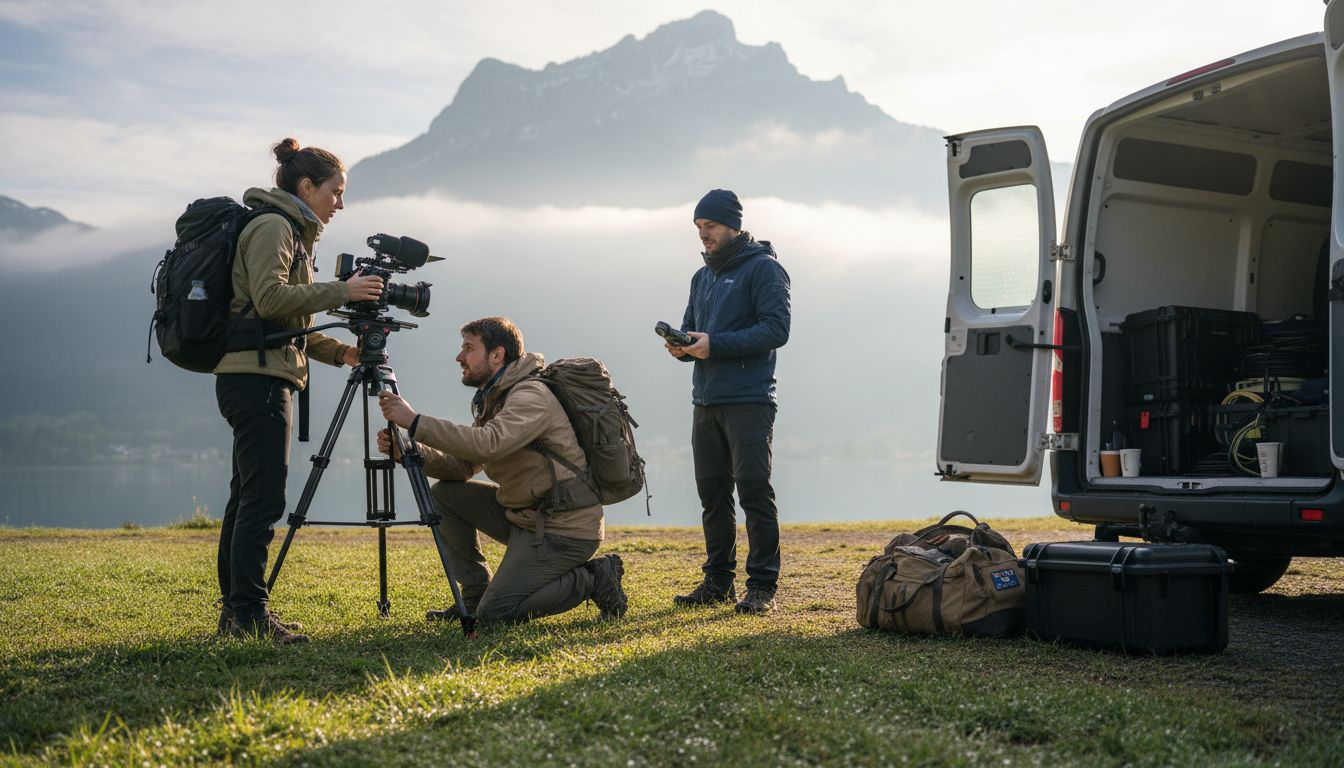
Filming in Switzerland’s Lucerne region is a bucket-list opportunity for any filmmaker, but making the most of these world-class sites comes with real challenges. Between strict permit requirements, unique transportation options, and the need to protect expensive equipment in mountain environments, it’s easy to feel overwhelmed before the camera even rolls. Getting both standout visuals and smooth logistics takes more than inspiration alone.
The good news is that local experts and recent productions have uncovered practical ways to capture Lucerne’s most iconic scenery—from dramatic aerial shots above Lake Lucerne to dynamic sequences on mountain trails—while keeping your shoot on track and above board. If you want your footage to stand out and your crew to stay safe and efficient, these proven tips and local insights will make the difference.
Get ready to discover filming locations, planning tactics, and permit essentials that will let you showcase Lucerne’s stunning landscapes without costly mistakes. Missing these steps could mean lost footage or halted schedules, so each insight brings you closer to a successful Swiss shoot.
Table of Contents
Quick Summary
Takeaway | Explanation |
1. Secure Filming Permits Early | Obtain necessary permits for filming at Mount Pilatus and other locations at least two to four weeks in advance to avoid delays. |
2. Scout Locations in Varying Seasons | Visit potential filming sites throughout the year to assess weather, lighting, and tourist traffic during different seasons. |
3. Monitor Weather Conditions | Stay alert for sudden weather changes which can impact shooting schedules and require flexibility in planning. |
4. Prioritize Crew Safety on Trails | Implement strict safety measures when filming action sequences, especially with mountain biking or paragliding, to protect crew and riders. |
5. Utilize Natural Features for Smooth Action | Use the water’s natural movement on Lake Lucerne to create dynamic filming perspectives without relying on heavy equipment. |
1. Exploring Mount Pilatus: Iconic Shots and Logistics
Mount Pilatus stands as one of the most visually striking locations you can film in the Lucerne region, offering panoramic views that stretch across Lake Lucerne and deep into the Swiss Alps. What makes this peak exceptional for filmmakers is not just the dramatic scenery, but the practical accessibility that allows you to capture stunning footage without spending entire days on logistics. Whether you’re looking for establishing shots that instantly communicate “Switzerland” to your audience or intimate character moments framed against alpine grandeur, Mount Pilatus delivers on both fronts.
The real advantage of filming at Mount Pilatus lies in how the location handles transportation and movement. You have genuine options here. The steepest cogwheel railway in the world provides not just access to the summit, but dramatic transition shots as it winds through the landscape. From the filmmaker’s perspective, this means you can actually film the journey itself, which adds production value without requiring additional location scouting. Aerial cable cars offer equally compelling visual opportunities, giving you dynamic establishing shots and unique vantage points for wide landscape work. For aerial videography, the elevated position naturally creates opportunities for drone footage that captures the relationship between the mountain, the lake, and the surrounding terrain. However, managing Mount Pilatus filming permits is non-negotiable. Local authorities require advance clearance for professional filming, and securing these permits typically takes two to three weeks. Plan accordingly. The site also provides facilities that matter when you’re shooting at elevation: accessible restrooms, shelter areas, and places where your crew can regroup between shoots. This infrastructure becomes genuinely valuable when you’re working with a small team trying to maximize production time.
From a practical standpoint, your shooting schedule needs to account for weather variability and crowd management. Mount Pilatus experiences sudden weather changes, which can work dramatically in your favor for cinematic sky shots but can halt shooting plans entirely. Early morning shoots, typically before 8:00 AM, give you significantly better light and fewer tourists in your frame. Coordinate closely with your transportation operators if you’re planning to film on the railway or cable cars, as regular passenger service continues throughout the day. Your crew needs clear communication about payload limits for equipment and where you can position cameras safely. The altitude reaches 2,132 meters, which affects both equipment performance and how your team feels after a few hours of shooting. Acclimate your crew gradually and hydrate consistently.
Pro tip: Scout Mount Pilatus during different seasons before committing to your shoot dates. Summer offers consistent weather but heavy tourist traffic, while spring and fall provide clearer skies with minimal crowds but require backup contingency dates for wind and precipitation.
2. Lake Lucerne Cruises: Filming Dynamic Water Scenes
Filming on Lake Lucerne offers you something most landlocked locations cannot deliver: naturally moving platforms that keep your camera dynamic without requiring expensive tracking rigs or drone batteries. A cruise across the water gives you continuous, fluid motion combined with ever-changing backgrounds of alpine peaks and lakeside architecture. The beauty here is that the boat itself becomes your camera stabilizer, providing smooth gliding shots that would cost thousands of dollars to replicate with traditional dolly systems on land.
What makes Lake Lucerne particularly compelling for your production is the variety of vessels available. Historic paddle steamers create visual storytelling opportunities simply by existing in your frame, while modern cruising boats offer practical filming platforms with minimal obstruction. You can position crew members at different points on the deck to capture wide establishing shots, intimate character moments, or detailed close-ups of props and locations passing by. The real consideration involves understanding that you cannot simply show up with equipment and start filming. Filming permits are required for any professional work on the water, and drone usage over Lake Lucerne demands specific authorization from local authorities. Contact the Lucerne Water Police and the Lucerne Film Commission well in advance of your shoot. These agencies typically require two to four weeks to process requests, and they take safety and public access seriously. Coordination with boat operators is equally important because their regular passenger schedules still run, and you need clear agreements about exclusive filming time, deck access, and equipment placement.
The logistical reality requires thinking about camera movement, stabilization, and crew safety while on the water. Traditional stabilization gear like gimbals works exceptionally well on a moving boat because the platform motion is predictable and smooth. Water-based filming also introduces unique challenges: reflective glare from the sun bouncing off the lake surface can create exposure problems, and motion sickness affects crew members differently depending on water conditions and individual tolerance. Plan your shooting schedule for calmer morning hours when the water surface remains glassy and crew comfort stays high. Position your main camera operator in a secure location with proper handholds, and always have a safety officer managing movement on deck. The reward for managing these logistics carefully is footage that communicates scale, movement, and environmental immersion in ways that static ground-based filming simply cannot match.
Pro tip: Reserve your cruise dates during shoulder seasons (May or September) when water conditions are stable, permit processing moves faster, and you encounter fewer tourist passengers interfering with your shot composition.
3. Paragliding Over Lucerne: Capturing Aerial Perspectives
Paragliding offers you a filmmaking advantage that drones simply cannot match: a stable, maneuverable platform piloted by a professional who understands how to position themselves for your specific creative vision. Unlike fixed drone paths, a tandem paraglider flight allows dynamic composition changes mid-flight, giving you freedom to reframe shots, adjust altitude, and respond to changing light conditions in real time. When you shoot from a paraglider, you capture genuinely immersive aerial perspectives that convey scale and movement in ways that feel fundamentally different from drone footage. The sweeping views of Lake Lucerne and surrounding alpine peaks become your canvas, and the slow, graceful descent creates natural pacing that enhances storytelling.
Tandem flights with certified pilots around Mount Pilatus provide the technical foundation for successful filming. Your camera operator and pilot work as a coordinated team, with the pilot managing flight dynamics while you manage camera work. The key difference from solo paragliding is that certified tandem pilots understand weight distribution, equipment security, and the unique challenges of filming at altitude. Before your shoot day, have detailed conversations with your pilot about camera positioning, expected flight duration, and altitude ranges that work best for your framing needs. Spectacular aerial perspectives of Lake Lucerne require planning that accounts for weather patterns, wind direction, and sun position throughout the day. Early morning flights typically offer calmer conditions and clearer atmospheric visibility. You’ll also need to address practical concerns like camera mounting systems that remain secure during flight, protective cases for sensitive equipment, and backup batteries that function reliably at altitude.
Safety protocols are not negotiable in paragliding filmmaking, and understanding them protects both your crew and your production timeline. Your camera operator needs proper harness attachment, secure equipment securing systems, and clear communication protocols with the pilot throughout flight. Professional paragliding operations require medical clearance and insurance coverage specifically for filming activities. Weight limits matter significantly because your camera package adds load that affects flight characteristics and duration. Request that your pilot conduct a test flight or a short familiarization session before your actual shoot day. This gives your operator time to adapt to the altitude, the movement sensation, and the specific camera angles the pilot can safely deliver. Local regulations govern paragliding operations and filming permissions, so coordinate with regional aviation authorities and the Lucerne Film Commission at least three to four weeks before your intended shoot date.
Pro tip: Schedule your paragliding shoot during midweek when thermal conditions are often most stable and professional pilots have greater scheduling flexibility, allowing you to maximize your shooting window without weather delays.
4. Mountain Biking Trails: Action Sequences and Crew Safety
Mountain biking footage delivers raw energy and visceral motion that audiences find immediately compelling. The trails around Lucerne, particularly those near Pilatus, combine technical riding challenges with spectacular forest and alpine backdrops that make for genuinely cinematic action sequences. However, filming mountain biking requires fundamentally different safety approaches than your other Lucerne locations. You are working with moving athletes at speed on technical terrain, which means every crew member must understand their role in maintaining both the rider’s safety and the production’s integrity.
Your first responsibility is honestly assessing trail difficulty and matching it to your crew’s actual capabilities. Mountain biking trails near Pilatus range from beginner friendly to advanced technical terrain, and your location selection determines everything about crew positioning, shot angles, and logistical complexity. Do not pick a trail because it looks visually stunning in photos if your crew cannot safely position themselves on or near it. Scout trails in advance with your camera operators, sound technicians, and safety coordinator. Have your rider perform test runs at full speed so your team understands the actual pace and flow. This reveals where your cameras can realistically be positioned and how much time you have to frame shots before the rider passes. Advanced trails with steep descents, rock gardens, or jumps require substantially more crew training and safety infrastructure. Your production insurance likely has specific requirements about crew proximity to active riding, spotter positions, and emergency access routes. Coordinate with local authorities in advance because large crew operations on public trails may require permits, especially in protected areas near Pilatus.
Practical crew safety during mountain biking shoots demands a structured approach. Designate a safety coordinator who is not managing camera or audio work. This person monitors rider condition, communicates with crew members in real time, and has authority to halt shooting if conditions become unsafe. Position crew members strategically so they can react quickly if the rider falls or has difficulty. Never have crew members standing in the rider’s line of descent. Use radio communication between all team members so you can coordinate shot timing and respond immediately to problems. Your rider should wear full protective gear even if it appears in frame, and consider having a backup rider available in case of injury or fatigue. Medical support, including a first aid kit and knowledge of how to contact emergency services from your location, is mandatory. The forest environment around Lucerne trails means cell service can be unreliable, so confirm emergency communication protocols before your shoot day begins.
Pro tip: Film mountain biking sequences early in the morning when light angles create dimensional shadows across terrain and riders have maximum energy, then move to stationary location shots as the day progresses and crew fatigue increases.
5. Hiking the Swiss Path: Scenic Locations and Access Tips
The Swiss Path stretches along Lake Lucerne connecting historical sites and lakeside villages, offering you a continuously changing visual landscape without requiring vehicle repositioning between shots. What makes this 35 kilometer trail exceptional for filmmakers is that it functions almost like a natural production line, where you can establish multiple shooting stations along a well-marked route without the logistical chaos of constantly moving your entire crew. The path passes through diverse terrain and cultural settings, from Rütli Meadow with its historical significance to charming lakeside settlements, giving your production thematic richness and visual variety that tells a more complete story of Switzerland. The trail is accessible, well maintained, and most importantly for your production schedule, it does not require specialized climbing skills or technical expertise from your crew members managing cameras and audio equipment.
Access flexibility is where the Swiss Path delivers genuine production value. The scenic hiking trail connects to boat transport and public transportation points, which means you are not locked into linear shooting progression if weather or creative needs change mid production. Your crew can leap frog along different sections, positioning cameras at optimal light angles and returning to earlier sections if afternoon conditions improve unexpectedly. This access flexibility also handles crew fatigue intelligently. Instead of requiring everyone to walk the entire trail each day, you can shuttle team members to specific shooting zones using the lake boats and regional transport networks. For international crews managing jet lag and unfamiliar terrain, this matters significantly for maintaining productivity and quality throughout your shoot days. However, understand that the path traverses both public land and areas near historical sites, so filming permits are mandatory. Contact the local municipalities along the route and the regional parks authority at least four weeks before your shoot. Permits typically cover commercial filming, camera placement regulations, and access to specific historical locations. Respect public access because this is an active hiking trail used by thousands of tourists annually.
Your shooting strategy on the Swiss Path should capitalize on the trail’s linear geography while managing crew movement efficiently. Scout the entire route in advance with your cinematographer to identify specific locations that match your creative vision. Mark these with GPS coordinates so crew members can find them quickly without getting lost in search of the perfect view. The lakeside sections offer exceptional water reflections and distant alpine backdrops, while inland segments provide forest depth and intimate human scale framing. Morning light works beautifully on east facing sections, while afternoon light transforms west facing locations. Plan your shooting sequence to follow the sun rather than fighting against it. Bring sufficient water, snacks, and first aid supplies because while the trail is well maintained, you are working in a remote mountain environment where emergency services response time can exceed thirty minutes. Brief your entire crew on the route, physical demands, and weather contingencies before your first shooting day.
Pro tip: Film the Swiss Path during late spring or early autumn when days remain long for extended shooting windows, weather patterns are stable, and hiking tourism peaks are lower than summer, reducing unwanted people in your background compositions.
6. Canoeing and Kayaking: Best Spots and Permit Essentials
Canoeing and kayaking on Lake Lucerne deliver intimate water level perspectives that showcase the relationship between paddlers, water, and surrounding alpine terrain. Unlike motorized boats or cruises, paddled vessels move at human speed, which creates natural pacing for character development scenes and allows your camera operators to capture genuine interaction between people and their environment. The lake’s various routes accommodate everything from beginner paddlers to experienced adventurers, meaning you can tailor your shoot difficulty to your crew’s skill levels and your production’s creative requirements. What matters most is understanding that filming water based adventures on Lake Lucerne involves navigating specific permit requirements that many international filmmakers overlook until it becomes a production crisis.
The permit landscape for canoeing and kayaking shoots includes multiple layers of regulatory approval. Commercial filming on Lake Lucerne requires coordination through the Lucerne Film Commission, who manage local authority relationships and environmental protections. If you plan to use drones for aerial shots of your paddlers, additional permits from the Water Police become necessary because airspace over the lake has specific restrictions. This dual permit requirement means you cannot simply show up with cameras and drones expecting to shoot freely. Start your permit application process at minimum six weeks before your intended shoot date. Provide the Film Commission with your shooting schedule, specific locations on the lake where you will film, details about your camera equipment, drone specifications if applicable, and insurance documentation. They will coordinate with the Water Police, environmental agencies, and local municipalities to ensure your production meets all requirements. This advance planning protects you from costly production delays and potential fines for unlicensed filming.
Practical logistics for paddled vessel shoots involve specialized considerations that differ from other water based filming. Rental services and guided tour operators can provide kayaks and canoes with built in camera mounts or stable platforms for your equipment, which eliminates the need to transport your own vessels. However, confirm in advance that rental equipment meets your camera system’s weight requirements and stability specifications. Your camera operators need to understand paddling basics and practice repositioning in water before your actual shoot day. Wet suits and personal flotation devices are mandatory for all crew members in the water, regardless of swimming ability. Establish clear communication protocols because water ambient noise makes regular conversation impossible once filming starts. Radio systems with waterproof headsets become your lifeline for coordinating shots and managing safety. Position a safety boat nearby with someone trained in water rescue, carrying first aid supplies and emergency communication equipment. Scout your filming route in advance during similar water conditions to identify shallow areas, current patterns, and natural obstacles. The routes on Lake Lucerne that work beautifully for paddling tourists may include challenges that complicate camera positioning or create safety hazards when you add professional film equipment to the equation.
Pro tip: Film canoeing and kayaking sequences on overcast days when water surface glare minimizes reflective problems, then schedule paddler interviews and character moments for early morning when calm conditions create mirror like reflections of surrounding peaks.
7. Cable Car Journeys: Filming Transitions and Wide Angles
Cable car rides provide filmmakers with a uniquely valuable asset: a controlled, repeatable moving platform that delivers smooth transitions between locations while maintaining consistent altitude and viewpoint. Unlike drones that require permits and face airspace restrictions, cable cars operate within established infrastructure, giving you predictable movement paths and reliable equipment. The high vantage point creates naturally compelling wide angle compositions that show the relationship between Lucerne, the surrounding lakes, and the alpine peaks beyond. What makes cable car shooting particularly effective is that the movement itself becomes part of your visual storytelling, carrying viewers from one location to another while revealing new landscape layers continuously. This transforms what could be simple transition shots into engaging footage that builds environmental context and maintains pacing throughout your production.
The logistical reality of filming on cable cars involves understanding operational constraints and working cooperatively with transit authorities. Filming on these systems requires permits coordinated through the Lucerne Film Commission, who manage relationships with cable car operators and ensure your production meets safety regulations. Cable cars run scheduled passenger service throughout the day, which means your filming window may be limited to specific hours when the system operates fewer passenger trips or during scheduled maintenance windows. You cannot simply reserve exclusive access casually. Coordinate with operators months in advance, providing specific details about your equipment, crew size, shot requirements, and proposed filming dates. Operators need to understand your camera setup so they can assess weight distribution and confirm the car can safely accommodate your gear and personnel. Wide angle shots benefit from the high vantage and movement offered by cable car rides, but capturing them requires planning your framing carefully. Scout your intended route in advance, identifying specific points where lighting aligns with your compositional goals. Test your camera mounting systems during a passenger ride before your actual shoot day so you can confirm stability and adjust positioning as needed.
Practical camera setup on cable cars demands attention to vibration, safety, and passenger comfort. Mount your cameras on stabilized rigs that absorb the subtle vibrations from cable movement and air currents. Gimbals work effectively for handheld shots, while locked down tripod setups require shock absorption padding. Position equipment so it does not obstruct passenger views or create safety hazards during boarding and exit. Your crew members working inside the car need secure footing and clear communication with the operator about filming progression. External mounting on the cable car itself requires explicit operator approval and additional safety certifications. Interior shots typically work better because they keep your equipment and crew safely inside the vehicle while capturing exterior landscape views through windows. If you choose window mounted shots, bring lens cleaning supplies because window reflections and dust significantly impact image quality at high altitudes. Plan your shooting sequence to minimize setup time during each cable car cycle, allowing the operator to maintain regular passenger service. The constraint of limited time per ride actually forces creative discipline, helping you prioritize the shots that matter most for your story.
Pro tip: Film cable car sequences during shoulder seasons when passenger volume is lower, giving operators flexibility to accommodate your shooting schedule, and schedule your shoots for midday when sun position creates dramatic side lighting across the landscape below.
This table provides an organized summary of the article’s main points, outlining filming opportunities and practical guidance for different scenic and logistical features in the Lucerne region.
Elevate Your Lucerne Adventure Filming With Expert Local Support
Tackling the challenges of filming dynamic outdoor activities around Lucerne demands more than just great locations. From navigating permit processes for Mount Pilatus and Lake Lucerne cruises to ensuring crew safety on mountain biking trails and paragliding shoots, every detail counts. The complexity of managing drone authorizations, coordinating with local transit for cable car shoots, and handling unpredictable weather can make your production overwhelming.
Partner with Video Production Switzerland to unlock seamless shooting experiences focused on your creative vision rather than logistics. Our expert local team offers tailored support including permit acquisition, trusted crew sourcing, equipment rentals, and detailed location scouting to keep your project on schedule and stress-free. Whether you aim to capture action sequences on mountain bikes or smooth aerial footage from paragliders, we ensure professional execution backed by over 20 years of Swiss production expertise. Begin with a free consultation through Video Production Switzerland and turn your Lucerne adventure film into a smooth, unforgettable success.
Frequently Asked Questions
What are the necessary filming permits for shooting at Mount Pilatus?
To film at Mount Pilatus, you must secure filming permits from local authorities at least two to three weeks in advance. Ensure you submit your request early to allow for processing time and to avoid delays on your production schedule.
How can I effectively film on Lake Lucerne?
Filming on Lake Lucerne requires you to obtain permits through the local film commission. Plan to start this process six weeks before your shoot to ensure you have the necessary approvals for both on-water activities and any drone usage.
What safety precautions should I take when filming while paragliding?
Safety is crucial when filming paragliding sequences. Make sure your camera operator is securely harnessed and that both they and the pilot have clear communication protocols during the flight to maximize safety and capture quality footage.
How do I manage crew safety for mountain biking shoots?
To maintain safety during mountain biking shoots, designate a specific safety coordinator who monitors the rider’s condition and oversees crew positioning. Conduct prior scouting and ensure all crew members understand their roles and the terrain before filming begins.
When is the best time to film the Swiss Path?
The optimal times for filming the Swiss Path are late spring and early autumn, when there are fewer tourists and the weather is typically stable. Plan your shoots to take advantage of the longer daylight hours during these seasons for maximized productivity.
How should I prepare for canoeing and kayaking filming?
Before filming canoeing and kayaking scenes, secure your filming permits and scout your routes to understand the water conditions. Ensure that all crew members wear wetsuits and personal flotation devices, and establish clear communication protocols to ensure safety and coordination during filming.
Recommended
