
7 Key Tips for Filming Raclette Rafting Interlaken Shoots

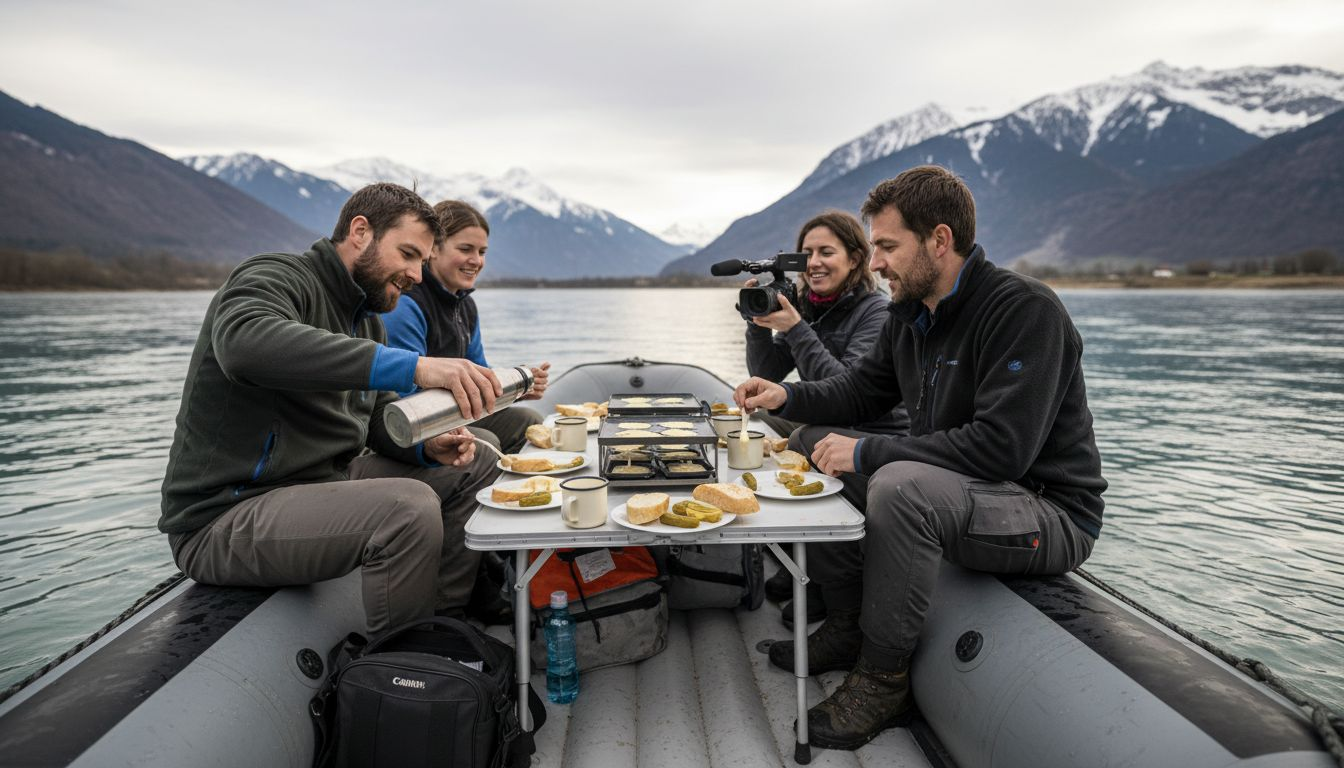
Most American and international filmmakers searching for fresh cinematic backdrops are surprised to discover that Switzerland offers more than iconic mountains. Raclette Rafting in Interlaken blends gourmet tradition and alpine adventure in a way that elevates visual storytelling. With breathtaking river scenery and authentic Swiss culture, producers find more than just a filming location—they unlock a setting where every moment resonates. This guide reveals why Raclette Rafting is a creative goldmine for your next unforgettable production.
Table of Contents
Quick Summary
Takeaway | Explanation |
1. Combine Dining and Adventure | Raclette Rafting merges Swiss cuisine with scenic river journeys, offering unique cinematic experiences for filmmakers. |
2. Focus on Safety and Logistics | Strategic planning is essential for safety, equipment protection, and managing unpredictable river conditions during filming. |
3. Capture Authentic Interactions | Prioritize candid moments and genuine reactions to create compelling narratives that enhance the storytelling aspect of your project. |
4. Secure Necessary Permits Early | Begin the permit process 8-12 weeks in advance to ensure compliance with Swiss regulations and smooth filming operations. |
5. Use Proper Equipment and Crew | Invest in specialized waterproof gear and assemble a team experienced in adventure videography to handle the filming demands. |
1. Understand Raclette Rafting Interlaken’s Unique Appeal
Raclette Rafting in Interlaken represents a stunning fusion of Swiss culinary tradition and outdoor adventure that transforms a typical dining experience into an extraordinary journey. This exceptional activity allows filmmakers to capture a truly remarkable Swiss cultural moment while providing an immersive visual storytelling opportunity.
The experience uniquely combines a traditional Swiss cheese meal with a serene river journey along the Aare River, creating a cinematically rich environment that goes far beyond standard location shoots. Participants glide through Interlaken’s picturesque landscape while enjoying a gourmet meal, wrapped in warm blankets and surrounded by snow-covered mountain views that provide natural, breathtaking backdrops for film production.
For video production professionals, Raclette Rafting offers multiple creative advantages. The controlled environment allows for stable filming conditions, with professional guides managing boat navigation while participants remain comfortably seated. This setup enables cinematographers to focus on capturing authentic interactions, stunning landscape transitions, and the nuanced cultural experience of a traditional Swiss dining adventure.
The evening setting adds another layer of visual magic, as the lights of Interlaken illuminate the riverbanks, creating a soft, cinematic atmosphere that can transform ordinary footage into compelling storytelling moments. Professional filmmakers will appreciate how the tranquil movement and intimate dining setup naturally encourage genuine human connections and emotional narratives.
Key Cinematography Considerations:
Stable boat platform for smooth shots
Consistent, soft evening lighting
Authentic cultural interaction
Scenic mountain and river backgrounds
Natural, unscripted participant moments
Pro Tip: Scout the route in advance and plan your camera positioning to maximize the dynamic visual storytelling potential of this unique Swiss experience, ensuring you capture both the intimate dining moments and the expansive landscape transitions.
2. Planning Shoot Logistics for Rafting Adventures
Successful video production in dynamic environments like Interlaken requires strategic logistical planning that anticipates challenges and prepares for unpredictable conditions. Understanding whitewater rafting logistics becomes crucial for capturing high quality footage while maintaining crew and equipment safety.
Filming rafting adventures demands comprehensive preparation that goes beyond standard location shooting. Cinematographers must consider multiple technical and environmental factors, including river conditions, weather variations, equipment protection, and precise crew coordination. This complexity requires a multilayered approach that balances creative vision with practical risk management.
Key Logistical Considerations:
Waterproof equipment protection
Backup camera and audio gear
Experienced river guide consultation
Weather condition contingency plans
Safety protocols for crew and equipment
Professional video teams need specialized gear designed for wet environments. Waterproof camera housings, sealed audio equipment, and quick drying technical clothing become essential investments. Additionally, working closely with local rafting experts helps identify optimal filming locations and understand potential river dynamics that could impact shoot quality.
Communication represents another critical logistical component. Establishing clear signal protocols with boat guides, using waterproof communication devices, and creating comprehensive shot lists in advance will help manage the inherent unpredictability of river based filming.
Pro Tip: Always conduct a thorough equipment and safety reconnaissance before your actual shoot day, testing all waterproof gear and establishing direct communication channels with local river guides to ensure a smooth and secure filming experience.
3. Securing Permits and Local Production Support
Filming in Switzerland requires strategic navigation of local regulations and production support systems that can make or break your video project. Obtaining comprehensive filming permits represents a critical first step in ensuring your Raclette Rafting Interlaken shoot runs smoothly and legally.
Switzerland maintains stringent regulations for commercial video production, particularly in sensitive natural environments like Interlaken. International filmmakers must understand that local authorities require detailed documentation, safety protocols, and precise location permissions before cameras can start rolling. This process involves multiple governmental and regional stakeholders who must approve your specific filming activities.
Key Permit Acquisition Strategies:
Research local Swiss film commission requirements
Prepare comprehensive shoot documentation
Secure environmental impact assessments
Obtain specific river and public space permissions
Arrange necessary insurance coverages
Working with local production support teams becomes invaluable in navigating these complex bureaucratic landscapes. Experienced local fixers understand regional nuances, can expedite permit processes, and help you anticipate potential regulatory challenges. They serve as critical intermediaries between international production teams and Swiss administrative systems.
Your production support team should also help coordinate critical logistical elements like equipment transportation, local crew hiring, and navigation of language barriers. Their local expertise can transform potential administrative headaches into streamlined production experiences.
Pro Tip: Start your permit application process at least 8 to 12 weeks in advance, and always maintain flexible contingency plans that can adapt to potential regulatory modifications or unexpected administrative requirements.
4. Selecting the Right Film Crew and Equipment
Filming Raclette Rafting in Interlaken demands a specialized crew and equipment strategy that can handle unique environmental challenges. Mastering video pre production processes becomes critical when preparing for a dynamic shoot in challenging water environments.
Your crew selection must prioritize members with specific experience in adventure videography and water based filming. Professionals who understand the nuanced technical requirements of capturing dynamic content in wet conditions will be essential to your project’s success. This means looking beyond traditional cinematography skills and finding team members with rafting knowledge, water safety certifications, and specialized equipment handling experience.
Key Crew and Equipment Considerations:
Water resistant camera equipment
Experienced adventure videography specialists
Backup gear for moisture environments
Multiple camera angle strategies
Quick drying technical clothing
Waterproof communication systems
Equipment selection requires meticulous planning. Invest in professional grade waterproof camera housings, multiple stabilization systems, and redundant recording devices. Your camera packages should include models with strong image stabilization capabilities, high frame rate options, and robust weather sealing.
Team composition matters as much as technical gear. Seek crew members who demonstrate adaptability, understand complex safety protocols, and can maintain professional focus under unpredictable conditions. Cross training your team in water safety, equipment protection, and emergency response will significantly improve shoot reliability.
Pro Tip: Always conduct a comprehensive equipment and crew rehearsal in simulated conditions before your actual shoot, testing every piece of gear and verifying each team member’s specific role and emergency response capabilities.
5. Managing Timing and Weather Considerations
Raclette Rafting Interlaken shoots demand extraordinary precision in timing and weather management, where environmental conditions can dramatically impact production quality. Managing production logistics for video shoots requires a strategic approach to navigating Switzerland’s unpredictable alpine climate.
Timing your shoot involves understanding seasonal variations, river conditions, and the specific light qualities that make Interlaken cinematically compelling. Summer months offer longer daylight hours and more stable weather patterns, while shoulder seasons provide unique atmospheric conditions that can add dramatic visual texture to your footage.
Key Timing and Weather Strategic Elements:
Monitor alpine microclimate forecasts
Plan flexible shoot windows
Understand seasonal river flow rates
Identify optimal lighting conditions
Develop comprehensive weather contingency plans
Secure backup indoor filming locations
Successful filmmakers recognize that Swiss mountain environments require exceptional adaptability. Weather can shift rapidly, transforming scenic landscapes within minutes. Your production strategy must include multiple backup scenarios, enabling quick pivots when atmospheric conditions become challenging.
Local knowledge becomes invaluable in this context. Experienced Swiss production support teams can provide granular insights into regional weather patterns, helping you anticipate and mitigate potential disruptions. They understand how mountain topography influences local meteorological conditions in ways standard forecasts cannot capture.
Pro Tip: Develop a robust communication protocol with local river guides and weather monitoring services, establishing real time information channels that allow your team to make instant production decisions based on the most current environmental data.
6. Capturing Authentic Raclette Moments on Raft
Capturing genuine human experiences during Raclette Rafting requires more than technical proficiency it demands a storytelling approach that reveals the subtle magic of Swiss culinary adventure. Family rafting experiences in Interlaken provide a unique template for understanding how to document authentic moments amid dynamic environmental conditions.
Authentic cinematography means moving beyond staged shots and capturing the unscripted interactions that emerge when people share a unique dining experience on water. Your camera should seek out spontaneous reactions candid conversations and the sensory details that transform a simple meal into a memorable narrative.
Key Storytelling Cinematography Strategies:
Focus on genuine human reactions
Capture hands preparing raclette cheese
Document subtle interpersonal dynamics
Highlight environmental interaction
Emphasize tactile food preparation moments
Record ambient river and mountain sounds
Technical approach matters as much as creative vision. Use multiple camera angles to create depth understanding that authentic moments happen in peripheries not just central frames. Wide shots establishing the river context and tight shots revealing individual emotional nuances will help construct a comprehensive storytelling experience.
Lighting becomes another critical storytelling element. The soft evening illumination along Interlaken riverbanks provides natural cinematographic magic transforming ordinary moments into cinematic memories. Position your cameras to leverage changing light conditions creating visual narratives that feel both intimate and expansive.
Pro Tip: Instruct your camera operators to remain unobtrusive and patient allowing genuine interactions to unfold naturally without artificial direction or unnecessary intervention.
7. Ensuring Safety and Smooth Production Flow
Safety represents the critical foundation of any successful film production particularly in dynamic environments like Raclette Rafting Interlaken. Handling potential production emergencies requires a proactive comprehensive approach that anticipates and mitigates risks before they become problematic.
A robust safety protocol begins with thorough pre production risk assessment. This means understanding the specific environmental challenges of river based filming identifying potential hazards and developing clear mitigation strategies that protect both your crew and your production equipment.
Essential Safety Preparation Components:
Comprehensive crew safety training
Detailed emergency response protocols
Water safety certifications
Redundant communication systems
Medical first response capabilities
Equipment waterproofing strategies
Continuous risk monitoring
Professional production teams recognize that safety goes beyond basic protective measures. It involves creating a culture of awareness where every team member understands their role in maintaining a secure working environment. This includes regular safety briefings, equipment checks, and establishing clear communication channels that allow instant response to emerging situations.
Technical preparedness intersects directly with safety considerations. Your equipment must be not only waterproofed but also strategically deployed to minimize risks. This means using float straps for cameras mounting systems that provide stability and redundancy and ensuring all electronic gear has appropriate protective casings.
Pro Tip: Conduct a comprehensive team safety simulation before your actual shoot day, walking through potential emergency scenarios and ensuring every crew member understands their specific responsibilities and response protocols.
Below is a comprehensive table summarizing the key elements and strategies for filming Raclette Rafting in Interlaken discussed throughout the article.
Topic | Description | Key Considerations |
Raclette Rafting Appeal | Combines Swiss culinary tradition with a serene river journey. Provides filmmakers with rich visual storytelling potential. | Stable boat filming, evening lighting, authentic Swiss interactions. |
Logistical Planning | Requires strategic preparation for river conditions and equipment safety. | Waterproof gear, backup equipment, clear communication, local guide consultation. |
Permits & Local Support | Navigating Swiss regulations and obtaining necessary filming permits. | Research local requirements, secure permissions, work with local fixers. |
Crew & Equipment | Specialized crew and gear needed for dynamic water environments. | Water resistant equipment, adventure videography experience, backup gear. |
Timing & Weather | Managing alpine climate influences production quality and timing. | Monitor forecasts, flexible shoot windows, lighting conditions. |
Authentic Moments | Capturing genuine human experiences and interactions. | Focus on reactions, spontaneous interactions, ambient sounds. |
Safety | Prioritize safety protocols in dynamic environments. | Comprehensive training, emergency protocols, redundant communication. |
Make Your Raclette Rafting Interlaken Shoot Seamless and Unforgettable
Filming Raclette Rafting in Interlaken presents unique challenges from managing unpredictable alpine weather and securing permits to coordinating expert crews skilled in water-based cinematography. The article highlights crucial pain points such as navigating local regulations, ensuring safety on dynamic river shoots, and capturing authentic moments with specialized gear. If you want to focus on storytelling without the stress of logistics, expert local support is essential.
At Video Production Switzerland, we understand these complexities. Our professional team offers comprehensive solutions including permit acquisition, trusted local crew sourcing, equipment management, and real-time logistical coordination. With over 20 years of experience and deep regional knowledge, we ensure your production flows smoothly, your equipment stays safe, and your creative vision thrives — even amidst Switzerland’s challenging environments.
Take the first step toward a confident, well-managed Raclette Rafting shoot. Discover our full range of services that bring peace of mind to your production planning.
Start your project now and experience the ease of filming in Switzerland with a trusted local partner. Schedule your free consultation today and turn your Raclette Rafting Interlaken shoot into an extraordinary visual story.
Frequently Asked Questions
What are the key cinematography considerations for Raclette Rafting in Interlaken?
The key cinematography considerations include ensuring a stable boat platform for smooth shots, capturing consistent soft evening lighting, and focusing on authentic cultural interactions. Plan camera positioning in advance to highlight both intimate dining moments and expansive landscape transitions.
How should I prepare for filming in potentially unpredictable weather conditions?
To prepare for unpredictable weather, closely monitor alpine microclimate forecasts and develop flexible shoot schedules. Create weather contingency plans, including backup indoor filming locations, to adapt quickly to changing conditions during your shoot.
What essential equipment should I bring for Raclette Rafting shoots?
Bring waterproof camera housings, sealed audio equipment, and backup gear designed for wet environments. Prioritize water-resistant equipment and consider having multiple camera stabilization systems to ensure quality filming in challenging conditions.
How can I capture authentic moments during Raclette Rafting?
To capture authentic moments, focus on genuine human reactions and unplanned interactions surrounding the dining experience. Use multiple camera angles to document both the scenic landscape and the intimate details of food preparation, ensuring a comprehensive storytelling perspective.
What safety protocols should I implement for filming on the water?
Implement comprehensive safety protocols that include crew safety training, detailed emergency response plans, and continuous risk monitoring. Ensure all equipment is waterproofed and establish clear communication channels among team members to respond quickly to any potential emergencies.
Recommended
