
7 Best Photo Spots in Zermatt for Filmmakers

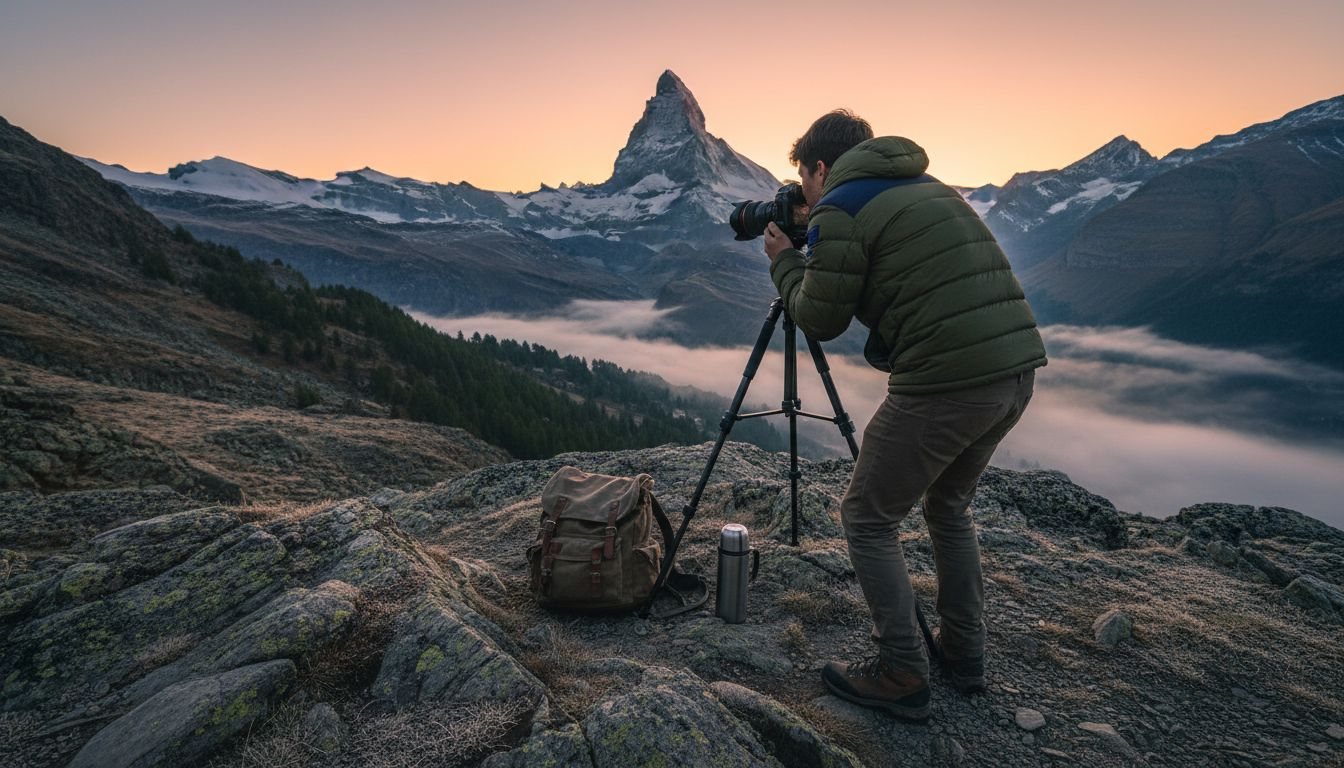
Capturing cinematic mountain footage in Switzerland can leave you overwhelmed with choices. With iconic peaks, panoramic vistas, and shifting Alpine light, finding the absolute best spots for stunning scenes feels challenging even for experienced filmmakers. Relying on random viewpoints risks missing out on locations that offer both drama and practicality for your shoot.
The right information makes all the difference. You need reliable viewpoints where the Matterhorn dominates the landscape, platforms that reveal sweeping Alpine scenes, and locations tailored for those elusive sunrise and sunset shots. These carefully selected filming spots give your project visual impact that stands out and ensures your crew’s time in Zermatt is well spent.
Get ready to discover which locations will help you capture breathtaking footage, why each spot matters, and practical tips for making the most of every scene. Each insight ahead is designed to give you a cinematic edge that only the Swiss Alps can offer.
Table of Contents
Quick Summary
Takeaway | Explanation |
1. Scout Multiple Viewpoints | Explore various angles around Zermatt to capture different mountain impressions and maintain flexibility in your filming approach. |
2. Focus on Light Conditions | Plan your shoots for early morning or late afternoon when light enhances the landscape, creating visually compelling footage. |
3. Leverage Natural Architecture | Use Zermatt’s historic structures to convey authenticity in your storytelling and enrich character-driven narratives. |
4. Consider Access and Logistics | Utilize available transport options to reach locations easily, ensuring your crew can focus on creativity rather than physical exertion. |
5. Capture Unique Reflections | Utilize Lake Stellisee’s mirror-like surface for symmetrical compositions that double your visual storytelling potential. |
1. Matterhorn Viewpoints for Iconic Shoots
The Matterhorn stands as one of the most photographed mountains globally, and for filmmakers, this isn’t just about capturing a pretty backdrop. This pyramidal peak in the Pennine Alps creates dramatic compositions from virtually every angle around Zermatt, making it the centerpiece of countless successful productions. The mountain’s four distinctive faces and surrounding glaciers offer filmmakers multiple viewing opportunities that shift throughout the day as light and weather change, giving you genuine flexibility in crafting visual stories.
What makes Matterhorn viewpoints particularly valuable for your shoots is the symmetry and scale of the mountain itself. When you’re filming, this natural geometry translates into powerful visual anchors that draw viewers’ eyes and create immediate emotional impact. The iconic status of the peak means audiences already carry associations and reverence for it, which your footage can leverage. Whether you’re shooting establishing shots, drone footage, or intimate character scenes framed against the mountain, the Matterhorn provides context and grandeur that elevates production quality.
Practically speaking, you’ll want to scout multiple viewpoints around Zermatt to understand how the mountain appears from different elevations and distances. Some angles reveal the sharpness of the peak’s ridge, while others emphasize the dramatic scale against the valley floor. Lighting conditions change everything. Morning shoots capture the mountain with golden light hitting the eastern faces, while afternoon positioning offers different shadow play across the western slopes. The glaciers surrounding the peak catch light differently at various times of day, creating texture and depth in your footage.
Consider that iconic mountain photography emphasizes striking symmetry and memorable backdrops for memorable shots. Your creative vision should account for how the Matterhorn functions within your frame. Is it a dominant subject commanding full focus, or a supporting element that contextualizes your main action? The answer shapes which viewpoint serves your story. Higher elevation vantage points compress the visual field and emphasize the peak’s dominance. Lower angles make the mountain appear even more imposing and create dramatic foreground opportunities with trees, structures, or people.
Timing matters significantly when filming the Matterhorn. Clear weather is essential, but don’t discount overcast conditions entirely. Some of your most compelling shots might come when clouds partially obscure the peak, creating mystery and drama. Sunrise and sunset provide warm color palettes that transform the mountain. Early morning light cuts through atmospheric haze, revealing fine detail on rock faces. Plan your shooting days strategically, and always have backup viewpoints ready in case weather forces adjustments.
Pro tip: Scout your Matterhorn viewpoints during your pre-production visit with your cinematographer to identify exact framing, assess access roads for equipment transport, and understand permit requirements for each location, ensuring your shoot day runs without logistical surprises.
2. Gornergrat: Panoramic Alpine Scenes
Gornergrat transforms your filming vision into sweeping Alpine panoramas that establish context and grandeur instantly. Located at 3,135 meters on a rocky ridge in the Pennine Alps, this location offers what few other spots in Zermatt can deliver: a vantage point that captures 29 peaks over 4,000 meters in a single frame, creating compositions that tell stories of scale and majesty.
The viewing platform at Gornergrat operates at an elevation that changes how light, weather, and atmospheric perspective work together. You’re not just filming mountains against sky. You’re capturing the relationship between massive peaks, the surrounding glaciers, and the vast Alpine landscape. This elevation advantage means you can frame shots that show the Matterhorn alongside Monte Rosa’s Dufourspitze and the Dom, creating visual hierarchies that would be impossible from lower vantage points. When your audience sees footage from Gornergrat, they immediately understand they’re witnessing something extraordinary.
Accessing Gornergrat presents a practical advantage that many filmmakers overlook. The highest open-air railway in Europe transports you and your crew to the filming location, eliminating the physical demands of hiking equipment up steep Alpine terrain. This means you arrive fresh, ready to work, with all your gear intact. The railway journey itself becomes part of your production timeline, allowing you to scout shots and plan your workflow during transport. For documentary crews capturing the experience of reaching high Alpine zones, the train journey provides authentic footage opportunities.
Weather patterns at Gornergrat differ significantly from valley locations. You’ll experience frequent cloud movement across the peaks, creating dynamic lighting conditions that shift throughout the day. Early morning often brings clearer views before afternoon clouds build. This variability is not a limitation but an advantage. You can capture the Gorner Glacier in soft morning light, then film the same landscape as clouds create drama and mystery. Your production gains visual variety without changing locations.
The observatory presence at Gornergrat signals another practical consideration. The area supports year-round operations and infrastructure, meaning your crew has access to facilities, shelter from sudden weather changes, and established pathways for equipment movement. Unlike remote Alpine locations that test crew endurance, Gornergrat allows you to focus creative energy on filmmaking rather than survival logistics. Shooting here means your team maintains focus and energy throughout the production day.
For specific applications, consider how Gornergrat serves different narrative purposes. Establishing shots benefit enormously from this location. A two or three second shot of the panoramic Alpine vista immediately signals to viewers that your story takes place in serious, majestic terrain. Character moments framed against this backdrop gain emotional weight. Interviews conducted here feel significant. Time lapse footage capturing cloud movement and light changes across the 29 peaks creates meditative sequences that viewers find compelling.
The panoramic Alpine vistas available here provide unparalleled opportunities for sweeping mountain views that establish visual authority and emotional impact for your production.
Consider your camera movement strategies at Gornergrat. The expansive views reward slow, deliberate camera work. Smooth pans across the peak lineup, gentle push ins toward specific summits, or static wide shots let the landscape itself become the subject. Drone footage from this elevation captures relationships between peaks that ground level angles cannot achieve. Your creative toolkit expands substantially when you’re working with this much visual information and scale.
Pro tip: Book your Gornergrat shoot for early morning hours when visibility peaks and clouds haven’t yet accumulated, then coordinate with the first or second railway train departure to ensure your crew and equipment arrive without delay.
3. Sunnegga Paradise: Sunrise and Sunset Angles
Sunnegga delivers something most filmmakers chase relentlessly but rarely capture perfectly. Golden hour light hitting the Matterhorn from specific angles creates footage that looks professionally graded before you even open your editing software. This location specializes in the moments when the sun transforms ordinary Alpine scenery into something visually extraordinary.
The science behind why Sunnegga excels at sunrise and sunset relates to positioning and elevation. The location sits at an angle that catches the sun’s rays at optimal times, allowing light to wash across the Matterhorn’s faces in ways that reveal texture, dimensionality, and color. During sunrise, cool blue tones gradually warm as the sun climbs. Shadows recede from the peak, and rock faces transition from deep purple to orange to gold. At sunset, this reverses beautifully. The light grows warmer, longer shadows stretch across glaciers, and the entire landscape takes on an amber quality that feels almost dreamlike. You’re not just filming during golden hour. You’re filming in conditions where the mountain itself becomes the light source through reflection.
Why this matters for your production goes beyond aesthetics. Footage shot during these windows requires less color grading, saving editing time. Your audience responds emotionally to warm light and dramatic shadows more intensely than neutral midday conditions. Scenes filmed at Sunnegga during golden hour feel significant, important, and visually cinematic without artificial enhancement. A simple establishing shot becomes memorable. A character moment gains emotional resonance. Even mundane dialogue feels elevated when the backdrop glows with warm, directional light.
Practically speaking, you’ll need to understand timing specificity. Golden hour lasts roughly 20 to 60 minutes depending on season and latitude. At Sunnegga’s elevation and location, this window might be slightly longer due to extended light exposure from the higher vantage point, but it’s still limited. You cannot casually approach sunrise or sunset work. Plan your shots meticulously. Know exactly what you’re filming, what angles you need, and what equipment you’re using. Arrive early to test camera positions and confirm light quality before the critical moments happen.
The sunrise and sunset angles at Sunnegga create visually compelling scenes with natural light that enhances textures and colors dramatically. This means your footage naturally carries the cinematic quality that normally requires expensive lighting rigs or post-production color work. You’re working with the landscape itself to create visual impact.
Consider how different camera positions interact with the light at different times. Shooting into the sunrise or sunset backlit the Matterhorn, creating silhouettes and rim lighting that define the mountain’s profile powerfully. Shooting from the side allows light to rake across rock faces, revealing texture and depth. Shooting with the sun at your back (the Matterhorn in the direction of the setting sun) allows you to capture warm light on the front face of the peak. Each approach produces distinct visual results. Your shot list should reflect this variety.
Weather conditions dramatically affect your success at Sunnegga. Clear skies are ideal, but they’re not the only option. Partly cloudy conditions during golden hour can be remarkably beautiful. Clouds catch and refract warm light, creating luminous layers in the sky. These conditions prevent harsh shadows and distribute light evenly. Completely overcast mornings or evenings are less optimal but not useless. Light still warms during golden hour, and you can capture the atmospheric quality of Alpine mornings and evenings even without direct sun on the peaks.
Natural light at sunrise and sunset enhances textures and colors for cinematic Alpine footage that feels authentically dramatic without artificial intervention.
Your crew management at golden hour becomes critical. Everyone needs clear roles. Your cinematographer focuses on light quality and camera movement. Your assistant manages focus and records metadata. Your production assistant watches timing and alerts everyone to light changes. Golden hour moves quickly. A moment of distraction means missing the peak light you traveled to capture. Establish signals and communication protocols before the shoot begins.
For specific applications, sunrise work at Sunnegga suits establishing shots, nature sequences, and moments requiring peaceful, contemplative mood. The world feels fresh and quiet during sunrise. Footage captures that quality. Sunset work excels for dramatic moments, emotional peaks in your narrative, and sequences where heightened atmosphere serves your story. Sunset feels significant. Your audience interprets it as important.
Pro tip: Scout Sunnegga during your pre-production visit at the exact sunrise or sunset time you plan to shoot, so you experience actual light conditions, test your exposure settings, and identify the precise camera positions that deliver the composition you need.
4. Historic Old Village: Authentic Swiss Charm
Zermatt’s historic old village, known as the Hinterdorf, offers something that modern production design struggles to replicate authentically. Over 30 traditional structures built from resin-rich larch wood create a visual narrative of Alpine heritage that speaks to audiences instantly without requiring explanation or context building.
What makes this location remarkable for filmmakers is the genuine history embedded in every structure. These aren’t recreations or theme park approximations. The buildings actually function as they were designed centuries ago, adapted to harsh Alpine conditions through practical wisdom and skilled craftsmanship. The dark larch wood, weathered by mountain sun and snow, carries visual weight that feels earned rather than artificial. Your footage automatically conveys authenticity because you’re filming actual heritage, not simulation.
The architectural details communicate directly to your audience about place and culture. Traditional Valais barn and store style construction reflects centuries of Alpine living. Stone slabs elevate buildings on stilts to keep rodents away, a practical solution that becomes visually distinctive. The weathered wooden facades tell stories of endurance and adaptation. When your camera captures these details, you’re not just filming buildings. You’re documenting how humans survived and thrived in a challenging environment, communicating that deeper narrative through visual information.
Practically, the old village provides multiple shooting angles and compositional opportunities. Narrow passages between structures create framing opportunities where you can position your main subject against authentic Swiss heritage. Doorways and windows offer natural frames within frames. The tight layout means you can shoot wide establishing shots, then move close for intimate character moments, all without changing locations. The architecture itself becomes a visual character in your story.
Understanding the structural features enhances your creative choices. The mushroom-shaped stone pillars called Raccards protect stored goods and promote timber preservation through clever design. These distinctive elements appear in your footage and immediately signal Alpine authenticity to viewers. The durable wooden construction adapted to harsh conditions demonstrates practical ingenuity. When you frame shots highlighting these features, you’re capturing visual metaphors for resilience and adaptation.
Lighting in the old village presents particular advantages. The narrow passages and dense building arrangement create natural light corridors. Morning sunlight streaming between structures produces dramatic shadows and directional light that feels cinematic without artificial intervention. Overcast conditions work beautifully here because the dark wood absorbs light, creating rich contrast and color saturation. Your color grading benefits from the natural palette of aged larch wood and stone.
Consider how you use the old village within your narrative structure. This location excels for establishing sequences that ground your story in place and culture. Opening scenes filmed here immediately signal to viewers that your production values tradition and authenticity. Character moments between the structures gain emotional depth from the setting. A conversation filmed against weathered timber walls feels different than the same dialogue in a modern location. The environment contributes meaning to your narrative.
The authentic Alpine heritage visible in Valaisan home construction creates an evocative setting ideal for capturing traditional Swiss lifestyle and cultural storytelling without artificial enhancement.
Access and logistics matter when filming in the historic village. The pedestrian-focused layout means you cannot drive vehicles through the area. Plan your equipment movement carefully. Smaller rigs and handheld camera work work well here. If you’re planning substantial lighting setups, identify accessible staging areas before your shoot begins. Your location manager should scout pathways, identify power sources if needed, and confirm any filming permits or permissions required. The narrow spaces demand thoughtful crew positioning to avoid blocking frames and maintaining safety.
Season affects how this location photographs. Winter snow dramatically transforms the old village, creating contrast between white accumulation and dark timber. Spring and autumn light strikes the structures at lower angles, creating rich color and shadow. Summer presents the greatest challenge because the sun climbs higher and creates less dramatic lighting conditions, though early morning and evening work beautifully throughout the year. Plan your shoot timing around seasonal light patterns and the visual story you need to tell.
Pro tip: Scout the old village multiple times at different daylight hours and seasons before your shoot, identifying the specific building facades and passages where you want to film, so you arrive prepared with shot lists that account for actual light conditions and crew space constraints.
5. Lake Stellisee: Mirror Reflections for Dramatic Shots
Lake Stellisee operates as nature’s own lighting tool, transforming ordinary footage into visually extraordinary content through perfect water reflection. At 2,537 meters elevation, this alpine lake creates mirror-like surfaces that double your compositional possibilities and add visual depth that static mountain backdrops simply cannot match.
The reflection phenomenon at Stellisee creates a unique storytelling opportunity. When water remains perfectly calm, the Matterhorn appears twice in your frame simultaneously. This doubling effect creates visual symmetry that feels intentional and composed. Your audience instinctively recognizes the deliberate beauty of the reflection, understanding immediately that your production values visual craftsmanship. The lake essentially does your production design work by creating a naturally symmetrical composition that would require significant effort to achieve through traditional framing and lighting techniques.
Understanding what creates perfect reflections helps you plan your shoot strategically. Calm water is essential, which means early morning hours before wind disturbs the surface become your optimal shooting window. Lake Stellisee is famous for the breathtaking reflection of the Matterhorn on its mirror-like surface, particularly during sunrise and sunset periods. This timing advantage means you’re already working with the golden hour light quality that enhances all your footage. You’re combining perfect reflection conditions with optimal light simultaneously.
Wind management becomes your primary technical consideration. Even slight breezes ripple the water surface, degrading reflection clarity. Monitor weather forecasts carefully. Ideal shooting days feature low wind speeds. If you arrive and find the water disturbed, consider using the rippled reflections creatively. Subtle movement across the reflected surface can add visual interest and depth. Extreme ripples that obscure the reflection entirely mean rescheduling becomes necessary. Your shoot plan should include contingency dates allowing for weather variability.
Composition strategies shift when you have perfect reflection. Traditional framing rules still apply, but reflection adds complexity. Do you position the mountain in the upper half of frame with reflection below, creating visual weight distribution? Do you center both mountain and reflection for maximum symmetry? Do you position your main subject in the foreground with the Matterhorn and its reflection as background? Each approach produces distinct emotional and narrative impact. Your shot list should explore multiple compositional strategies rather than relying on a single framing approach.
The surrounding alpine environment enhances Stellisee as a location. Cotton grass and rare alpine flora create texture in the foreground, offering opportunities for layered compositions. The setting amidst rare alpine flora provides natural framing elements that add visual interest and context. Valais black-nosed sheep occasionally appear in the landscape, adding living elements to your shots and providing narrative depth about the region. These details transform the location from simply a mirror for the mountain into a complete Alpine environment.
Consider your camera movement with reflection in mind. Static shots benefit enormously from perfect reflection. A fixed wide shot capturing the entire Matterhorn and its reflection works beautifully without requiring camera movement. Slow pushes toward the water create meditative sequences where the reflection grows larger in frame. Lateral camera movement reveals how reflection shifts as your camera position changes. Each movement type serves different narrative purposes and emotional impacts.
The exceptional opportunities for dramatic shots exist especially during early mornings and late evenings when calm water combines with optimal light conditions.
Access logistics require planning. You can reach Stellisee by hiking or by train, but hiking involves elevation gain and physical exertion that affects crew condition. If you’re planning an extensive shoot with heavy camera equipment, consider the physical demands on your team. A fresh, rested crew produces better work than an exhausted one. Train access means less strenuous arrival, preserving crew energy for actual filming. Factor access method into your overall production timeline and crew management planning.
Light quality changes substantially throughout the day at Stellisee. Sunrise captures cool color temperatures with soft, directional light across the peaks. Mid morning transitions to warmer tones as the sun climbs. Late afternoon and sunset deliver rich golden and amber light that creates warm, dramatic reflections. Each time period offers distinct visual character. Your production timeline should reflect which light quality serves your creative vision. Early sunrise requires early arrival. Sunset work requires timing precision to capture peak light before it disappears.
The elevation presents weather variables you must anticipate. Alpine conditions change rapidly. What appears as clear morning sky can transform into afternoon clouds. Wind patterns differ at elevation compared to valley locations. Your production should plan flexibility for weather changes. Bring backup shots that work in varying conditions. Understand that perfect reflection conditions may not occur every day, but the location offers compositional value even without perfect water mirror conditions.
Pro tip: Arrive at Stellisee at least two hours before your planned shoot start time to assess actual water conditions, test camera exposure settings with actual reflection, and identify the precise camera positions that capture both mountain and reflection the way you envisioned.
6. Riffelalp: High-Altitude Landscapes
Riffelalp operates as a filming location that removes obstacles between your creative vision and execution. At 2,222 meters elevation, this hamlet sits above the tree line in genuine Alpine territory, offering panoramic vistas that communicate scale and isolation simultaneously. You’re not hiking hours to reach remote terrain. You’re accessing sophisticated high-altitude landscapes through accessible transportation.
The elevation advantage at Riffelalp creates specific visual opportunities that lower locations cannot replicate. The stone pine forests surrounding the hamlet grow in sparse, distinctive patterns adapted to extreme conditions. These trees create natural compositional elements that frame shots and add texture to wide landscapes. Alpine meadows interspersed with exposed rock create visual variety within single frames. Your camera can move between intimate forest scenes and expansive mountain vistas without changing locations. The altitude positions you above much of the surrounding weather, often providing clear skies when lower elevations experience clouds and fog.
What makes Riffelalp particularly valuable for professional productions is the infrastructure supporting your work. Riffelalp Resort 2222m offers spectacular views of the Matterhorn with luxury accommodation that keeps your crew rested and focused. Access via the Gornergrat railway and Riffelalp tram means you arrive without exhaustion. Unlike remote Alpine locations requiring strenuous hiking, this site allows your team to preserve energy for actual filming. Your cinematographer arrives fresh. Your sound operator remains alert. Your assistants work efficiently rather than managing physical fatigue.
The landscape composition at Riffelalp lends itself to specific narrative purposes. Wide establishing shots from Riffelalp communicate that your story takes place in serious, uncompromising terrain. Character moments framed against Alpine meadows and distant peaks gain emotional weight from the environment. Interviews conducted here feel significant. The natural setting amplifies whatever story you’re telling. Time lapse footage capturing light changes across the panoramic vistas of the Matterhorn and surrounding peaks creates meditative sequences that viewers find compelling and memorable.
Light quality at this elevation differs from valley locations in important ways. The increased altitude and reduced atmospheric interference mean light carries clarity and sharpness that lower elevations cannot match. Colors saturate more intensely. Shadows define more crisply. Midday light, typically harsh in lower locations, works more effectively at Riffelalp because the pure Alpine air diffuses intensity without completely softening directionality. Golden hour extends slightly longer due to elevation. The sun appears to move more slowly across the landscape from your vantage point, giving you extended time windows for optimal light photography.
Consider how the forest environment creates practical filming advantages. Stone pine forests offer natural wind breaks, protecting your crew and equipment during unexpected gusts. Trees provide overhead coverage that diffuses harsh sunlight, allowing you to work comfortably during midday hours when lower elevations would be uncomfortably bright. The forest creates natural acoustic zones where sound recording becomes less challenging. These practical benefits combine with visual appeal to make Riffelalp a location that serves both creative and logistical needs simultaneously.
Weather at 2,222 meters demands respect but also offers creative opportunities. Clear mornings often cloud by afternoon as weather systems move through the Alps. This transition creates visual variety. You capture crystal clear morning shots, then film afternoon sequences with atmospheric drama as clouds build. Rather than viewing weather changes as obstacles, treat them as creative resources. The same cloud movement that prevents perfect visibility creates dynamic visual sequences. Sudden mist can transform ordinary landscapes into moody, evocative scenes.
The authentic alpine landscapes surrounded by stone pine forests at Riffelalp provide atmospheric high-altitude settings where natural environment enhances your storytelling without artificial intervention.
Access efficiency means your production timeline works differently at Riffelalp. Train travel from Zermatt takes roughly 30 minutes and arrives directly at the filming location. You avoid multi-hour hikes that consume production days. This efficiency means you can schedule multiple shooting days in the same time frame as competitors would require for single-location shoots. Your schedule becomes more flexible. You can work with natural light windows more effectively. Crew can be fresh for consecutive shooting days rather than exhausted from hiking.
Camera movement strategies should account for the landscape characteristics. Wide establishing shots emphasize the expansiveness of the environment. Slow lateral camera movements reveal how the Matterhorn remains constant while surrounding peaks shift in relation to your camera position. Intimate push ins toward specific trees or rock formations create variation in scale and focus. The forest environment supports handheld camera work effectively because trees provide natural framing and the uneven terrain suggests movement.
For specific production types, Riffelalp excels as a location. Documentary work benefits from the authentic alpine setting and infrastructure supporting extended shoots. Commercial work gains credibility from the genuine high-altitude environment. Narrative productions discover that characters in this setting feel grounded in a real, challenging world. Time lapse and meditative sequences use the landscape as the primary subject. Adventure oriented content finds Riffelalp balances accessibility with the feeling of serious Alpine terrain.
Pro tip: Book your Riffelalp shoot for early morning departure from Zermatt so you arrive by sunrise or shortly after, allowing you to maximize daylight hours and capture morning light conditions when visibility peaks before afternoon cloud buildup.
7. Findeln Hamlet: Rustic Backdrops and Natural Light
Findeln completes your Zermatt filming options by offering something the mountain peaks cannot deliver alone. This hamlet, positioned between 2,000 and 2,200 meters elevation on sunny slopes, combines authentic rustic architecture with consistent natural light that transforms ordinary scenes into visually compelling narratives. You’re filming where people actually live and work in the Alpine environment, not just where mountains exist.
The historical context of Findeln enriches what you capture cinematically. Originally a summer farming settlement called a Maiensäss, the hamlet preserves Walser houses constructed from sun-blackened larch timber, elevated on stone slabs to protect against mice. This architectural heritage carries visual authenticity that production design cannot fake. Your audience recognizes genuine Alpine tradition when they see it. The buildings aren’t props or recreations. They’re functional structures that have sheltered Alpine farmers for centuries. This reality communicates through your footage in ways that manufactured sets simply cannot match.
The natural light at Findeln operates differently than other Zermatt locations because of elevation and slope orientation. The sunny slope positioning means consistent light exposure throughout the day. Unlike valley locations where shadows dominate morning and evening, Findeln maintains relatively balanced light conditions across extended hours. This extends your optimal shooting windows. You’re not confined to narrow golden hour periods. Mid-morning and mid-afternoon light work effectively here because the slope angle and elevation provide quality light without harsh overhead conditions. For productions requiring flexibility in shooting schedules, this lighting advantage becomes genuinely valuable.
Consider how rustic architecture serves your storytelling. Character moments filmed against dark larch timber gain emotional weight from the historic setting. The hamlet’s rustic charm and warm natural light provide excellent settings for capturing traditional alpine life. Documentary work showcasing cultural heritage finds authentic material ready to film. Commercial content seeking Alpine authenticity discovers genuine setting without needing to construct artificial environments. Narrative productions set in mountain communities find Findeln offers ready-made, historically accurate backdrops that require no dressing or modification.
The composition opportunities at Findeln differ from peak-focused locations. Your camera can frame characters against the dark timber walls, creating visual contrast that emphasizes subjects. Doorways and windows offer natural frames within frames. The narrow passages between houses create intimate compositional spaces. Wide shots reveal how the hamlet nestles into the landscape. Elevated angles looking down on the cluster of houses show the community structure. Your shot variety expands substantially when working with architectural subjects.
The Findeln Gourmet Trail connects Sunnegga to Findeln through idyllic alpine scenery, offering production advantages beyond the hamlet itself. If your project requires movement between locations, this trail becomes part of your visual narrative. Characters or subjects walking the trail provide dynamic footage while maintaining the authentic Alpine setting. The gentle terrain allows for camera movement without requiring technical rigging or heavy equipment. The trail itself becomes a filming location extending your possibilities beyond the static hamlet.
Light quality around traditional Alpine structures requires understanding how materials respond. The sun-blackened larch timber absorbs light, creating natural contrast that film cameras interpret beautifully. This isn’t neutral gray or reflective surface. The dark wood holds visual richness. When backlit, it becomes luminous. When sidelit, it reveals texture and aging. This material characteristic means your lighting work becomes simpler. You’re working with surfaces that respond expressively to natural light without requiring supplemental illumination for visual interest.
Authentic Walser houses made of sun-blackened larch timber provide rustic alpine backdrops where traditional architecture creates visual authenticity for cinematic rural Swiss scenes.
Access to Findeln offers multiple options, each with different production implications. Hiking trails allow you to arrive with minimal equipment impact. Ski pistes provide winter access and alternative visual environments. This accessibility means you can plan shoots for specific seasons or conditions. Winter filming at Findeln transforms the location completely. Snow accumulation on the dark timber creates striking visual contrast. The same architecture tells different stories depending on seasonal context.
Crew management at Findeln becomes simpler because the location supports extended stays. Mountain restaurants throughout the hamlet mean your team has catering options rather than requiring you to transport food and beverage. Rest areas and shelter exist, allowing crew to recover between shooting segments. This infrastructure makes longer shooting days feasible without exhausting your team. Your cinematographer can focus on creative work rather than managing logistics.
For specific production purposes, Findeln excels at different applications than peak-focused locations. Culinary content finds the mountain restaurants and local food culture provide natural subject matter beyond just visual backdrop. Character-driven narratives gain authenticity from the working community environment. Documentary exploring Alpine heritage discovers genuine cultural material. Lifestyle and wellness content finds an authentic mountain community setting. Travel productions showcasing Swiss Alpine culture benefit from the genuine traditional environment.
Consider how Findeln serves as a location anchor point. You can film at the hamlet in the morning, then move to higher elevation locations later in the day. Or reverse your sequence, capturing peak footage in morning light, then descending to Findeln for afternoon or evening shoots. The middle elevation means you’re not committing your entire day to single-elevation work. Your production schedule gains flexibility that single-location shoots cannot provide.
Pro tip: Plan your Findeln shoot to include the mountain restaurants as part of your filming environment, allowing your crew actual meals and rest between scenes while capturing authentic alpine culinary culture that enriches your production’s visual narrative.
Below is a comprehensive table summarizing the key filming locations in Zermatt and the advantages they offer as discussed in the article.
Location | Key Benefits | Key Considerations |
Matterhorn Viewpoints | Iconic mountain backdrop suitable for composition and storytelling | Changing lighting and weather conditions require timing and preparation |
Gornergrat | High-altitude vistas capturing dynamic alpine scenes | Access via Europe’s highest open-air railway simplifies logistics |
Sunnegga Paradise | Golden hour light that enhances natural aesthetics | Narrow window for ideal lighting demands precise planning |
Historic Old Village | Authentic Swiss architecture built with traditional techniques | Narrow access for equipment necessitates logistical foresight |
Lake Stellisee | Reflective water surfaces create dramatic symmetrical visuals | Calm conditions are critical for optimal reflections |
Riffelalp | Panoramic views with infrastructure support for crews | Weather at higher altitude changes rapidly, influencing shoot plans |
Findeln Hamlet | Rustic buildings in a sunny natural setting enrich cultural authenticity | Seasonal and time-of-day changes influence lighting quality |
Unlock Zermatt’s Breathtaking Filming Locations with Expert Support
Capturing the perfect shot in Zermatt requires more than just scouting iconic spots like the Matterhorn viewpoints or the tranquil Lake Stellisee. The article highlights challenges such as precise timing for golden hour light at Sunnegga, accessing remote hamlets like Findeln, managing weather unpredictability, and navigating local permit requirements. These factors can create logistical stress and risk missing the best moments. If you want to focus on your creative vision without worrying about equipment transport, permits, or crew coordination, professional local expertise is essential.
At Video Production Switzerland, we specialize in turning these challenges into seamless opportunities. With over 20 years of experience managing Swiss locations, our trusted crew and logistical support help international filmmakers and brands film effortlessly across Zermatt’s panoramic Alpine scenes, historic villages, and high-altitude landscapes. From securing shooting permits to arranging efficient transportation and accommodation, we handle every detail to ensure your production stays on schedule and captures stunning footage under ideal light and weather conditions.
Ready to film at Zermatt’s 7 best photo spots with confidence and calm? Visit Video Production Switzerland today for a free consultation. Discover how our reliable local knowledge and expert coordination turn complex location shoots into smooth, successful productions. Don’t let logistics hold back your vision—contact us now and take the first step toward your perfect Swiss film shoot.
Frequently Asked Questions
What are the best times to shoot at the Matterhorn viewpoints?
Shooting at the Matterhorn viewpoints is best during early morning or late afternoon when the light enhances the mountain’s textures. Plan to arrive at least an hour before sunrise or 30 minutes before sunset for optimal lighting conditions.
How can I access Gornergrat for filming?
You can access Gornergrat via the highest open-air railway in Europe, which takes you directly to the filming location. This means you and your crew can arrive fresh and ready to film without hiking long distances.
What should I consider when filming at Sunnegga during golden hour?
Plan your shoot at Sunnegga to capture golden hour light, which lasts about 20 to 60 minutes. Arrive early to set up your equipment and get familiar with the angles that best highlight the Matterhorn during this time.
How can I make the most of reflections at Lake Stellisee?
To achieve perfect reflections at Lake Stellisee, shoot during calm mornings when the water surface is still. Ensure you arrive at least two hours before your planned shoot time to assess water conditions and capture the best light.
What type of shots work well in Zermatt’s historic old village?
Shots that capture the architectural details in the historic old village work best, including wide establishing shots and intimate character moments framed by the traditional buildings. Scout locations in advance to identify the best angles and lighting throughout the day.
Why is Findeln a good location for filming rustic scenes?
Findeln offers authentic rustic architecture and consistent natural lighting, which enhances the visual appeal of your footage. Film character-driven narratives or cultural documentaries here to utilize the genuine Alpine backdrop.
Recommended
