
Swiss landscapes for dramatic cinematography success

TL;DR:
Swiss landscapes offer unique visual variety and natural lighting opportunities for filmmakers.
Proper planning, permits, and local support are essential for successful Swiss mountain shoots.
Flexibility and responsiveness to weather and environment often yield more impactful footage than planned shots.
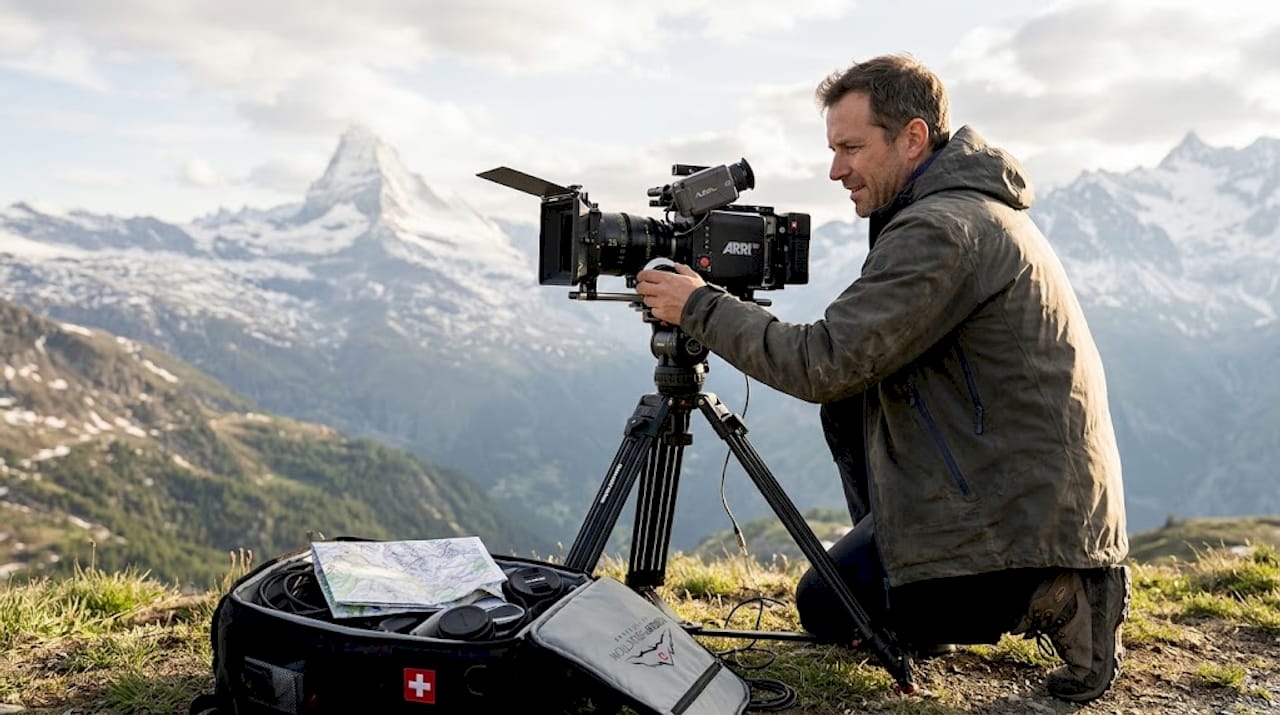
Switzerland’s landscapes have starred in some of the world’s most iconic cinematic moments, yet most productions underestimate the technical and logistical complexity lurking beneath that beauty. The Swiss Alps have featured in James Bond films and Bollywood blockbusters, yet international crews frequently arrive underprepared for altitude-driven gear challenges, unpredictable weather windows, and strict permit timelines. This guide cuts through the glamour and gives you a practical, honest look at Swiss cinematography, from choosing the right location for your story to mastering the technical and logistical details that separate a stunning shoot from a costly one.
Table of Contents
Key Takeaways
Point | Details |
World-famous locations | Swiss Alps, Schilthorn, and Oeschinensee offer backdrops for international films. |
Gear and technique matter | Stable support, creative lens use, and post-processing set Swiss shoots apart. |
Permits and prep needed | Advance planning with local film commissions is essential for a smooth shoot. |
Expertise adds value | Working with Swiss crews helps navigate unique logistical and creative challenges. |
Why Swiss landscapes captivate filmmakers
Switzerland offers something genuinely rare in global production: extreme visual variety within a compact, highly accessible geography. You can move from the jagged granite drama of the Matterhorn to the glassy stillness of Oeschinensee in a matter of hours. That contrast gives directors and cinematographers the kind of tonal flexibility that most countries simply cannot match.
What truly sets Swiss landscapes apart is their quality of light. Alpine environments produce rapid transitions between hard golden-hour light and deep shadow, creating natural drama without any need for artificial fill. Weather changes fast, and while that adds risk, it also adds opportunity. A storm rolling over Grindelwald can produce conditions that no lighting rig could replicate.
Some of the most iconic scenes in film history were captured in Swiss locations. The Schilthorn, Oeschinensee, and Lake Geneva have hosted sequences from the James Bond franchise and have served as backdrops in major Bollywood productions. These are not coincidences. They reflect deliberate choices by directors who recognized that Switzerland delivers an emotional register that audiences respond to instinctively.
The most requested Swiss locations among international productions include:
Matterhorn region for epic scale and global brand recognition
Schilthorn Piz Gloria for futuristic architectural contrast against raw alpine terrain
Oeschinensee for turquoise lake reflections that look almost artificially saturated
Furka Pass for high-altitude road drama and sweeping mountain passes
Glacier 3000 for otherworldly winter and glacier cinematography
“The Swiss Alps are not just a backdrop. They are a co-star. Every frame carries weight when the landscape is this expressive.” — Common sentiment among international DPs who have shot in Switzerland
Understanding why film in Switzerland goes beyond aesthetics is essential. The infrastructure, the safety standards, and the crew quality all contribute to Switzerland’s status as one of Europe’s most reliable shooting destinations. Even Zurich for filmmakers offers a sophisticated urban counterpoint to the alpine settings, giving productions narrative range without major travel logistics.
Essential Swiss cinematography locations and their features
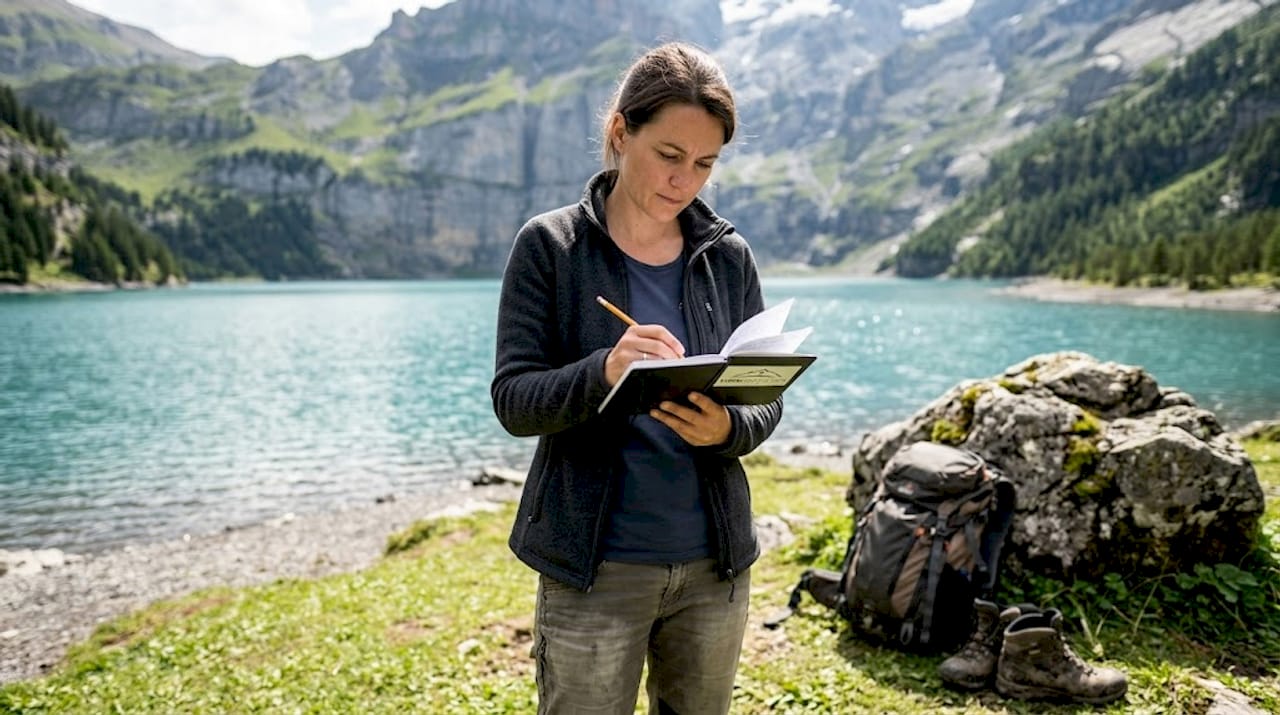
Choosing the right Swiss location is not about picking the most photographed view. It is about matching visual character to narrative intent. Here is a practical breakdown of standout locations and what they actually offer a production.
Location | Visual qualities | Best for | Notable productions |
Matterhorn | Iconic peak, dramatic sky | Epic adventure, luxury brands | Commercials, travel docs |
Schilthorn Piz Gloria | Revolving restaurant, 360° alpine views | Sci-fi, spy thrillers | On Her Majesty’s Secret Service |
Oeschinensee | Turquoise lake, cliffs, reflection | Romance, nature docs | Bollywood features |
Furka Pass | Mountain road, high altitude | Action, chase sequences | Goldfinger |
Glacier 3000 | Ice fields, cable cars, white expanse | Luxury, fashion, sci-fi | High-end commercials |
The Schilthorn stands out not just for its Bond legacy but for its revolving Piz Gloria restaurant, which gives productions a ready-made futuristic interior at 2,970 meters. The Furka Pass brought high-drama car chase energy to Goldfinger and remains a top choice for automotive and action productions.
For each location, there are creative and logistical realities you need to plan around:
Access: Some sites require cable cars, which limit crew size and equipment loads
Crowd management: Peak tourist seasons make exclusive access challenging without permits and early coordination
Weather windows: Morning shoots offer the most stable light; afternoon clouds build quickly at altitude
Sound design: Wind is a constant at exposed mountain sites, requiring directional mics and wind protection
Pro Tip: Match your lens choice to the location’s mood before you arrive. Oeschinensee rewards wider angles that capture reflection symmetry, while the Matterhorn often looks most powerful with a moderate telephoto that compresses distance and emphasizes scale.
For a deeper operational breakdown, the video production Switzerland guide outlines location-specific considerations that can save you real time and budget on the ground.
Technical strategies for shooting in Swiss landscapes
Switzerland rewards technically prepared crews and punishes those who underestimate the environment. Altitude affects both humans and gear. Batteries drain faster in cold, lenses fog when moving between temperature zones, and stabilization becomes harder on uneven mountain terrain.
With location inspiration locked in, here is how to extract the most from Swiss settings technically.
Numbered checklist for high-altitude and remote location shoots:
Carry triple the battery capacity you estimate needing
Pack lens cloths and silica gel to manage condensation during temperature transitions
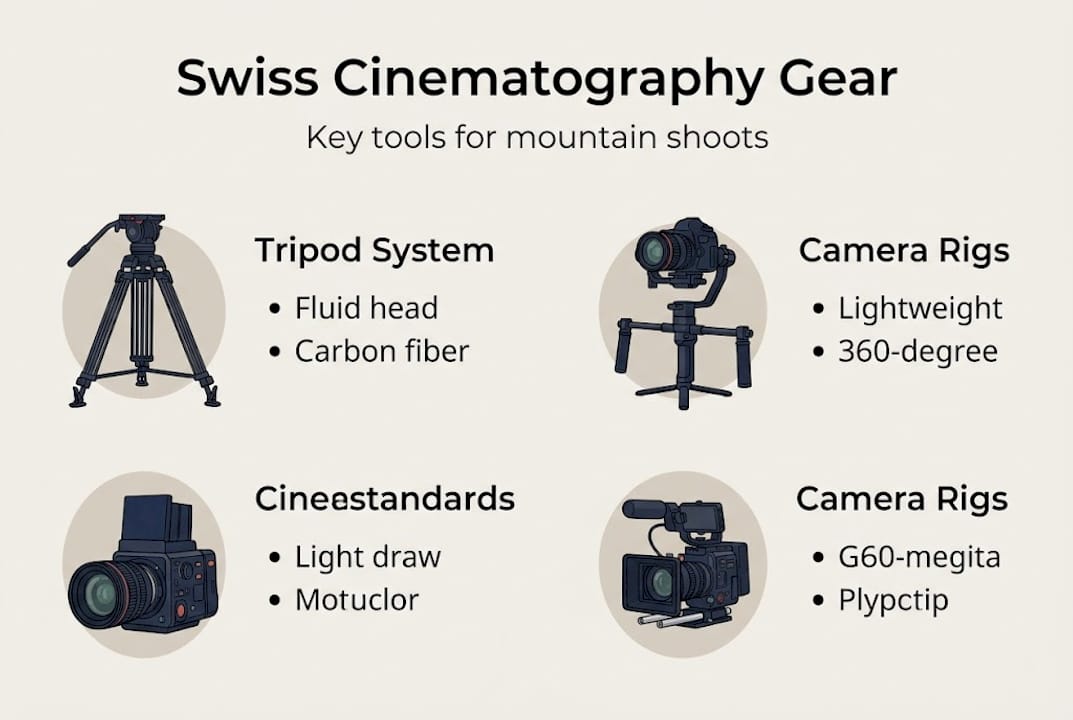
Use a Sachtler Flowtech tripod or equivalent fluid-head system for stable panning on uneven ground
Bring ND and IR filters for surreal creative effects and exposure control in high-contrast light
Pack weatherproof housing for cameras and monitors
Plan for helicopter or drone permits if aerial work is part of your shot list
For camera motion at altitude, stability is non-negotiable. Long exposures risk motion blur from wind vibration unless your platform is solid. IR filters open creative possibilities that standard color grading cannot replicate in post, turning alpine skies into something genuinely surreal.
Gear category | Recommended approach | Why it matters in Switzerland |
Tripod system | Fluid head, carbon fiber legs | Stability on rough terrain |
Camera body | Weather-sealed, tested in cold | Reliability at altitude |
Lenses | Mix of wide and telephoto | Capture both scale and detail |
Filters | ND, polarizer, IR | Manage alpine light intensity |
Power | Extended batteries, portable chargers | Cold reduces battery performance |
Blending focal lengths across a shoot, rather than relying on a single hero lens, produces richer visual storytelling. Wide angles establish the overwhelming scale of Swiss environments, while telephoto lenses pull in texture and compress distance in ways that feel almost abstract. The combination, blended in the edit, gives your footage a cinematic depth that no single focal length achieves alone.
Pro Tip: If your production includes immersive video or 360-degree capture, lightweight rigs like those used in Blackmagic URSA Cine Immersive shoots demonstrated in alpine environments show that you do not need massive equipment to achieve breathtaking results at altitude.
For more on capturing Swiss footage with professional results, shoot commercial videos like a pro covers practical crew-level techniques.
Logistics: permits, timing, and overcoming challenges
Creative and technical preparation only gets you so far. The real differentiator in Swiss production is logistical discipline. Switzerland is highly regulated, and that is actually good news: regulations mean the locations are protected and reliable. But you need to respect the process.
Step-by-step logistics framework for Swiss productions:
Identify your cantonal jurisdiction. Each Swiss canton manages film permits independently. Know which canton or cantons your shoot involves before anything else.
Contact cantonal film commissions at least 6 to 8 weeks in advance. Last-minute applications are routinely denied.
Scout locations in person or with a local fixer. Photos and Google Maps are not substitutes for ground-truth assessments of access, light, and crowd patterns.
Build a weather buffer into your schedule. Alpine conditions can shut down a shoot without warning. Add contingency days for exterior alpine work.
Arrange transportation logistics early. Cable cars, mountain railways, and restricted-access roads require advance booking and coordination.
Confirm insurance coverage for alpine environments. Standard production insurance often excludes high-altitude or remote locations.
“Zurich alone hosts over 600 film productions annually, but the moment you move into alpine territory, the logistics multiply significantly.” The infrastructure is there, but accessing it requires advance work and local knowledge.
Understanding how to get a film permit for Switzerland from the outset prevents the most common and costly production delays. Crews who treat permits as an afterthought often find themselves rewriting shot lists on location. Knowing how to overcome film production challenges in Switzerland starts with accepting that local expertise is not optional. It is essential.
What most filmmakers miss about Swiss cinematography
Here is the uncomfortable truth: most filmmakers fly into Switzerland chasing the postcard. They want the Matterhorn at golden hour, the perfect reflection at Oeschinensee, the dramatic snow-capped ridge. And that instinct, while understandable, often leads to technically competent but emotionally flat footage.
The shots that actually resonate tend to come from leaning into what is difficult. A storm building behind a ridgeline. Fog obscuring 80 percent of a valley. A cable car window framing a partial view. Texture and mood beat clarity and prettiness almost every time in memorable cinematography.
Conventional production advice emphasizes gear and permits. What it undervalues is flexibility and responsiveness. The crews who produce genuinely exceptional Swiss footage are the ones willing to abandon the planned hero shot when conditions offer something better.
Mixing focal lengths and blending contrasting shots in post also consistently outperforms the single-location, single-lens approach. And the video production services guide reinforces a point we stand behind firmly: lightweight, well-planned productions often outperform heavy, over-equipped ones in mountain environments. Nimble wins.
Ready to capture breathtaking Swiss scenes? Partner with experts
Switzerland rewards production teams who come prepared, connected, and supported by people who know the terrain. Managing permits, securing crew, arranging specialized transport, and navigating alpine logistics is genuinely complex work, and trying to handle it all remotely is one of the fastest ways to blow your budget and timeline.
[
We handle all of that for you. With over 20 years of Swiss production experience, we take the guesswork out of international shoots so you can stay focused on your creative vision. From understanding Switzerland video production costs upfront to managing every moving part on the ground, our team delivers the reliability your production deserves. Reach out to full-service video production support and let us make your Swiss shoot seamless.
Frequently asked questions
Which Swiss landscapes are most popular for filming international productions?
The Swiss Alps, Schilthorn, Oeschinensee, Furka Pass, and Glacier 3000 are most in demand for their breathtaking visuals and cinematic heritage. These iconic Swiss sites have featured in James Bond and Bollywood productions, cementing their global reputation.
What filming permits do I need in Switzerland?
You must contact the cantonal film commissions at least 6 to 8 weeks before production to secure required permits. Each canton manages its own process, so identifying your specific jurisdiction early is critical.
How do weather and access impact filming in Swiss mountain locations?
Alpine weather is unpredictable and access can be physically demanding and logistically complex, which is why flexible scheduling and local support are essential. Alpine regions pose unique risks that require contingency planning and on-the-ground expertise to manage effectively.
What equipment is best for capturing Swiss landscapes?
Stable tripods, a mix of wide-angle and telephoto lenses, IR filters, and weatherproof housings are the core essentials for versatile alpine cinematography. For aerial work, Sachtler Flowtech systems and lightweight immersive rigs have proven highly effective in Swiss alpine conditions.
Recommended
