
Location Management Switzerland: A Filmmaker's Guide

TL;DR:
Effective location management in Switzerland involves thorough site analysis, early permit applications, and strong local relationships.
Different cantons have distinct regulations, so understanding regional permit processes is essential for smooth production scheduling.
Location management Switzerland is the expert-driven process of selecting, securing, and coordinating filming sites in compliance with Swiss legal requirements, logistical demands, and regional characteristics. For international production teams, this means navigating cantonal permit systems, assessing macro and micro locations, and coordinating crew logistics across one of Europe’s most administratively complex countries. Switzerland’s regional diversity, from alpine landscapes to urban financial centers like Zurich and Geneva, creates extraordinary visual opportunities. It also creates real planning challenges. Getting location management right is the difference between a smooth shoot and a costly, stressful production.
What does effective location management in Switzerland involve?
Location management, known in the industry as the full cycle of site selection and on-location coordination, covers three core disciplines: location scouting, permit acquisition, and logistics management. Effective location management must integrate macro and micro assessments with thorough logistical planning and regulatory compliance for Swiss shoots. Each discipline directly affects your budget, timeline, and creative output.
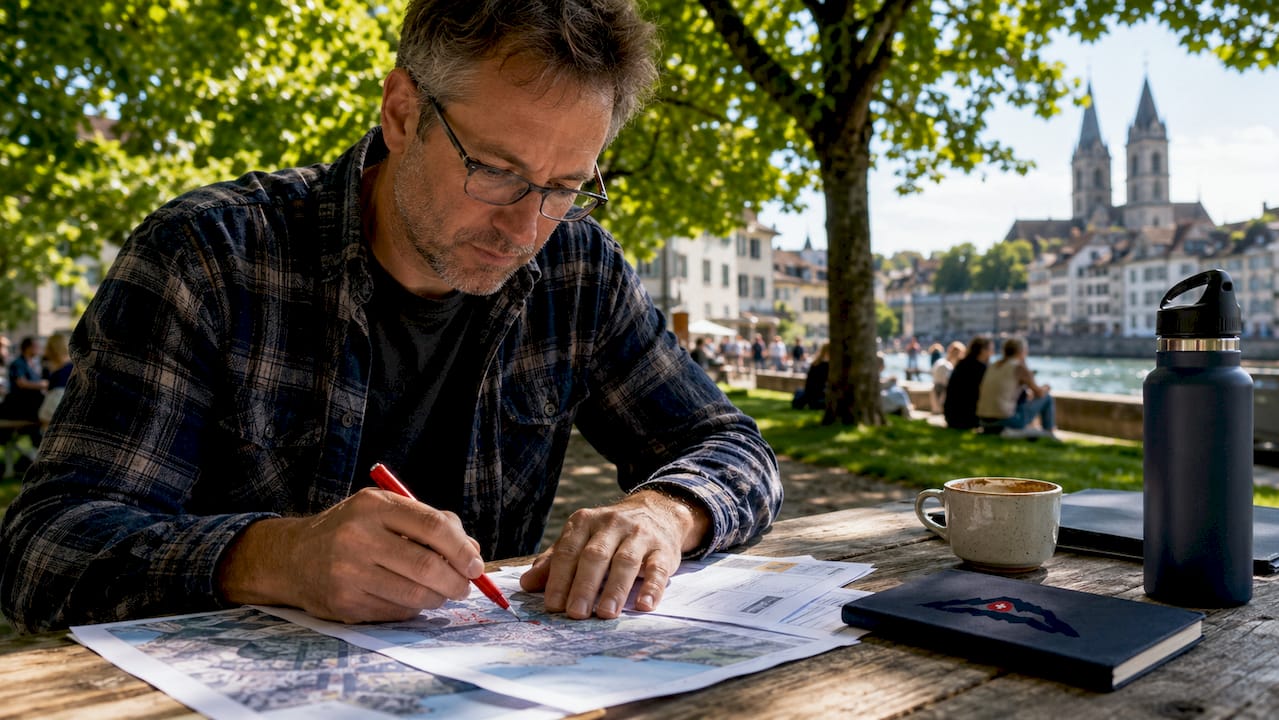
Experts distinguish between macro location and micro location as the two fundamental layers of any site decision. A macro vs. micro assessment means evaluating the region or city first, then drilling down to the specific street or neighborhood. A strong macro location does not guarantee a workable shoot if the micro location creates access problems, noise conflicts, or permit complications.
Switzerland adds a layer of complexity that most international teams underestimate. The country operates under 26 cantons, each with its own administrative rules, permit offices, and filming regulations. What works in Zurich does not automatically apply in Valais or Ticino. Building your location plan around this reality, rather than discovering it on arrival, is the foundation of professional Swiss location management.
What are the key criteria for selecting filming locations in Switzerland?
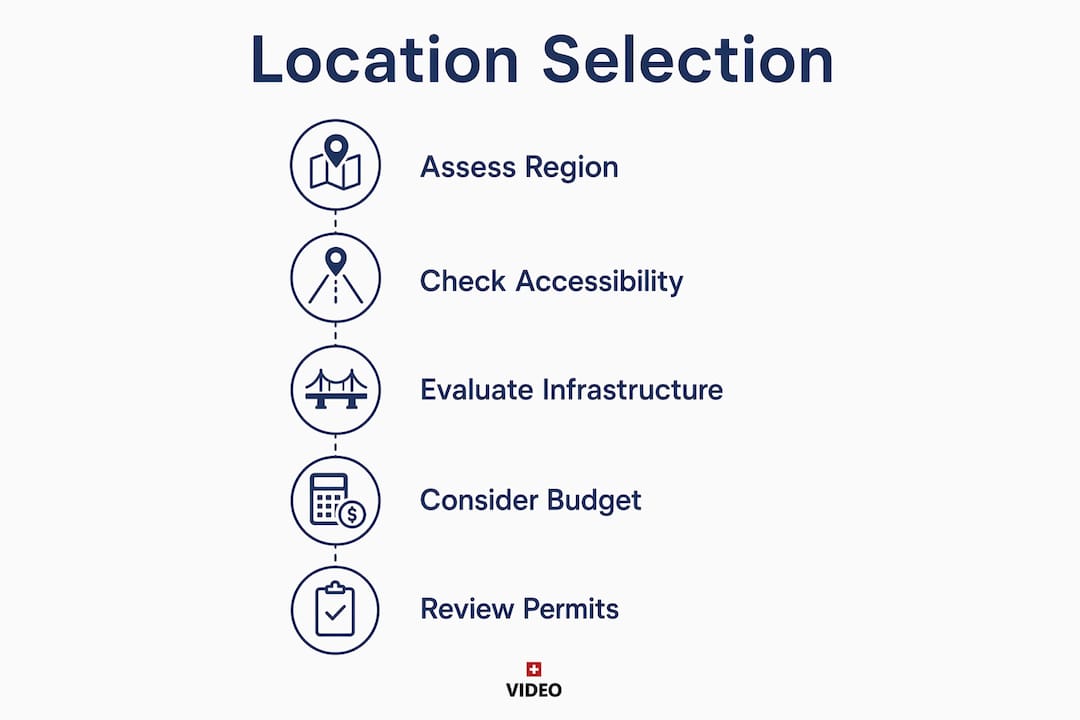
Choosing the right Swiss filming location requires balancing aesthetic value, logistical practicality, and regulatory feasibility. Production teams that treat these three factors as separate decisions consistently run into problems. The strongest site selection strategies address all three simultaneously.
Macro and micro location factors to evaluate:
Region and city fit: Zurich suits corporate and tech narratives. Geneva works for diplomatic, luxury, and international storylines. Alpine regions deliver dramatic natural backdrops for travel, automotive, and lifestyle content.
Accessibility by transport: Public transport access is a critical factor in Swiss location attractiveness. Locations near train or tram stations reduce crew commute time and simplify equipment logistics.
Parking and vehicle access: Switzerland’s city centers restrict vehicle access heavily. Confirm loading zones, parking permits, and equipment delivery routes before committing to any urban location.
Infrastructure and local industry: Locations near established production clusters, such as Zurich’s media district or Geneva’s international organization zone, offer faster access to local vendors, rental houses, and support services.
Seasonal and weather factors: Swiss weather shifts sharply between seasons. Alpine locations become inaccessible in winter without specialized logistics. Urban shoots in july and august face heavy tourist traffic that complicates crowd control.
Future developments: Construction activity near a location can destroy the visual you scouted three months earlier. Check local municipal development plans before finalizing any site.
A prime location balances quality with budget, factoring in accessibility, infrastructure, and future developments. Peripheral locations sometimes deliver unexpected advantages, including lower permit fees, less foot traffic, and faster approval timelines.
Pro Tip: Use Switzerland’s federal geographic data platform, swisstopo, to review topographic maps, aerial imagery, and land use data before your scout trip. It saves days of on-the-ground research and helps you identify access routes, protected zones, and terrain challenges in advance.
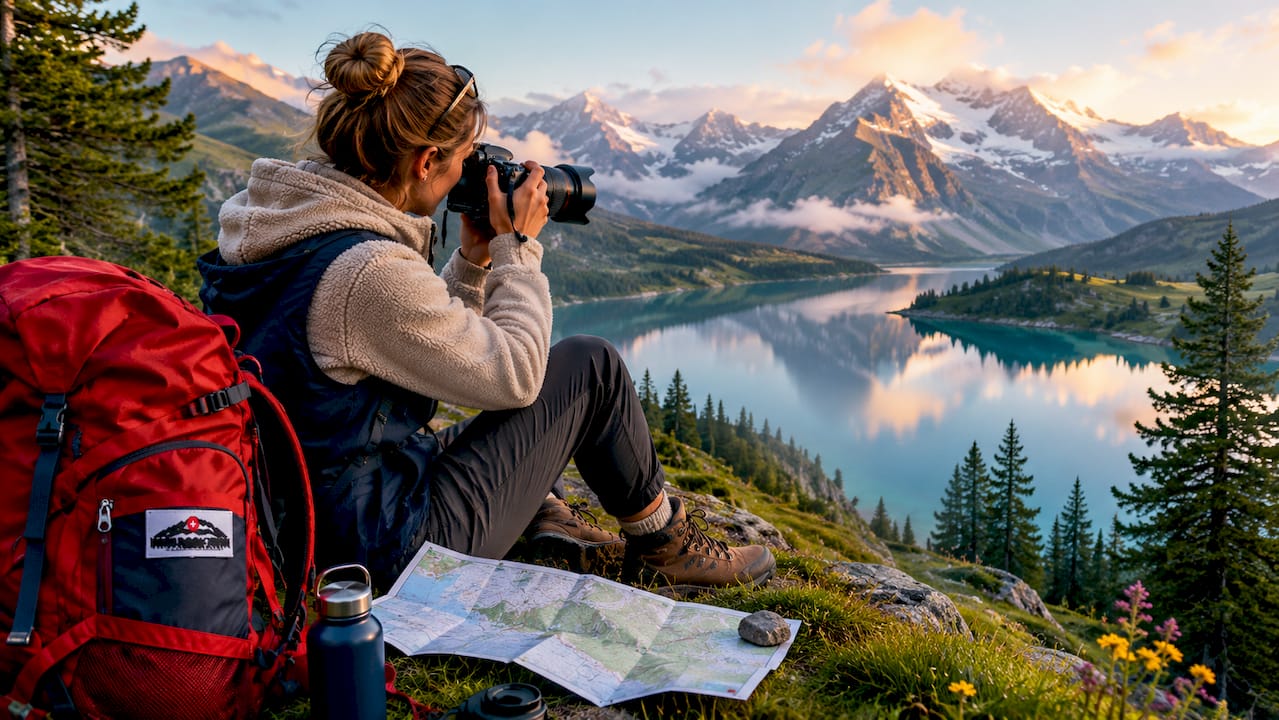
For a curated list of proven Swiss filming sites, the top photo spots in Switzerland guide covers locations across multiple regions with practical notes on access and visual quality.
How do you navigate location permits and regulations for filming in Switzerland?
Permit requirements for filming vary widely by canton and municipality in Switzerland, requiring specific applications at each administrative level. This is the single most common source of production delays for international crews. Understanding the process before you arrive removes the stress and keeps your shoot on schedule.
The standard Swiss filming permit process:
Identify the governing authority. Each canton and municipality manages its own permit office. In Zurich, the city’s film office handles most requests. In Geneva, the Service des Autorisations et Patentes oversees public space permits. Alpine communes often route requests through the local municipal council.
Submit your location description. Authorities require a detailed description of the shoot: dates, times, crew size, equipment, vehicles, and the specific areas you plan to use. Vague applications get rejected or delayed.
Apply for drone permits separately. The Swiss Federal Office of Civil Aviation (FOCA) regulates drone usage. Filming with drones requires a separate FOCA authorization, and certain areas near airports, military zones, and protected natural sites are restricted entirely.
Secure property owner agreements. Public space permits do not cover private property visible in your shot. If your frame includes a private building facade, interior, or grounds, you need a separate written agreement from the property owner.
Allow adequate lead time. Standard permit processing takes two to four weeks for straightforward applications. Complex shoots in protected historic areas or national parks can take six to eight weeks. Rush processing is rarely available.
Confirm noise and environmental restrictions. Many Swiss municipalities enforce strict noise ordinances, particularly in residential areas and near protected natural zones. Violations result in fines and can shut down your shoot.
Early engagement with local authorities helps move the approval process forward and confirms compliance before your crew arrives on set.
Pro Tip: Contact the relevant cantonal film commission before submitting any formal application. Film commissions exist specifically to support productions and often have direct relationships with permit offices. A brief introductory call can cut your approval timeline significantly and flag any location-specific restrictions you would not find in public documentation.
How do you manage on-location logistics and resources during Swiss film productions?
On-location logistics in Switzerland require detailed coordination across transportation, crew accommodations, vendor relationships, and community impact. Coordinating parking, crew accommodations, and environmental concerns are the most common logistical challenges productions face in Switzerland. Getting these right before day one prevents the kind of on-set chaos that kills schedules and budgets.
Core logistics areas to manage:
Transportation and parking: Switzerland’s cities enforce strict parking regulations. Productions need dedicated parking permits for production vehicles and clear plans for equipment loading and unloading. In cities like Zurich and Geneva, coordinate with the municipality’s traffic department at least two weeks in advance.
Crew accommodations: Switzerland’s hotel market is expensive and fills quickly during major events, trade fairs, and peak tourist seasons. Book accommodations as soon as your shoot dates are confirmed. Proximity to the location matters more than price when you are managing early call times.
Local vendor coordination: Swiss production vendors, including equipment rental houses, catering companies, and lighting suppliers, operate on tight schedules. Confirm bookings early and build contingency plans for equipment failures. Local vendors familiar with Swiss regulations also help you avoid compliance issues on set.
Environmental and community impact: Switzerland has strong environmental protection laws and active local communities. Productions that generate excessive noise, disrupt pedestrian flow, or damage natural areas face fines and permit revocations. Assign a dedicated location manager to monitor community impact throughout the shoot.
Weather contingency planning: Swiss weather is highly variable, particularly in mountain regions and during spring and autumn. Build weather contingency days into your schedule and identify indoor backup locations before the shoot begins.
Communication with local stakeholders: Notify neighboring businesses and residents before your shoot. A brief, professional communication explaining your schedule and contact details prevents complaints and builds goodwill with the community.
How do Switzerland’s major filming regions compare?
Switzerland’s four primary filming regions each offer distinct advantages and present different location management challenges. Understanding these differences before you commit to a region saves time, money, and logistical headaches.
Region | Visual character | Permit complexity | Infrastructure | Best for |
Zurich | Urban, financial, modern | Moderate, city film office available | Excellent, major production hub | Corporate, tech, lifestyle content |
Geneva | Diplomatic, international, lakeside | Moderate to high, multilingual process | Strong, international vendor network | Luxury, NGO, international narratives |
Lausanne and the Lemanic Arc | Lakeside, academic, cultural | Moderate, French-speaking administration | Good, growing production support | Lifestyle, fashion, cultural content |
Alpine regions (Valais, Graubünden) | Dramatic mountain landscapes | Variable, commune-level decisions | Limited, requires advance logistics | Travel, automotive, outdoor adventure |
Geneva serves as the diplomatic epicenter of Switzerland, while Zurich functions as the financial and technology hub. Alpine regions deliver dramatic landscapes that no urban location can replicate. Each region requires a different approach to permits, vendor sourcing, and crew logistics.
Zurich’s city film office is the most production-friendly administrative body in Switzerland. It handles requests efficiently and has established processes for large international crews. Geneva’s permit process involves more administrative layers due to the city’s international status and multilingual governance. Alpine communes operate on smaller scales, which means faster personal relationships but less formal support infrastructure.
The Lemanic Arc, covering Lausanne, Montreux, and the surrounding lake region, is an underused filming destination. It combines strong visual variety with a more accessible permit environment than Geneva and a growing network of local production support services.
Key Takeaways
Effective location management in Switzerland requires combining macro and micro site analysis with early permit applications, detailed logistics planning, and strong relationships with local authorities across all 26 cantons.
Point | Details |
Start with macro and micro analysis | Evaluate region fit first, then assess street-level access, noise, and permit feasibility. |
Apply for permits early | Standard Swiss permit processing takes two to four weeks; protected sites can take six to eight weeks. |
Manage logistics before arrival | Confirm parking, vendor bookings, and crew accommodations before your shoot dates are locked. |
Match region to production type | Zurich suits corporate content; alpine regions suit travel and outdoor shoots; Geneva fits international narratives. |
Engage local film commissions | Film commissions accelerate approvals and flag restrictions that public documentation does not cover. |
What I have learned about Swiss location management after years on set
The most expensive mistake I see international crews make is treating Switzerland as a single, unified filming environment. It is not. Every canton operates differently, and the gap between a smooth permit process in Zurich and a frustrating one in a small alpine commune is enormous. The teams that succeed here build local relationships before they need them.
Early engagement with authorities is not just good practice. It is the only reliable way to avoid last-minute permit denials. I have seen productions lose confirmed shoot days because they submitted applications two weeks before the shoot instead of six. Switzerland rewards preparation and punishes assumptions.
The other thing I would tell any international crew is to take the micro location seriously. You can fall in love with a region on a scout trip and then discover that the specific street you want is under construction, restricted for a local festival, or simply inaccessible for your equipment vehicles. Macro decisions get you to the right city. Micro decisions determine whether your shoot actually works.
Technology helps, but it does not replace local knowledge. Swisstopo gives you excellent geographic data. It does not tell you that a particular commune’s mayor is skeptical of film crews or that a specific alpine road closes every year in november. That kind of intelligence comes from people who work here regularly. Build your Swiss production team around people with those relationships, and the logistical complexity becomes manageable.
— Pieter
How Videoproductionswitzerland handles location management for international crews
International production teams planning shoots in Switzerland face a real coordination challenge. Permits, logistics, crew sourcing, and regional regulations all require local expertise that most visiting teams simply do not have.
[
Videoproductionswitzerland provides full-service support covering location scouting, permit applications, on-site logistics coordination, and crew management across all Swiss regions. With over 20 years of experience working with international productions, the team handles the administrative complexity so your crew stays focused on the creative work. For teams planning budgets, the Swiss production cost breakdown covers pricing structures across all service areas. Contact Videoproductionswitzerland directly for a free consultation and a production plan built around your specific shoot requirements.
FAQ
What permits do you need to film in Switzerland?
Most Swiss shoots require permits at both the municipal and cantonal levels, plus separate authorization from the Federal Office of Civil Aviation for drone use. Permit requirements vary by canton and municipality, so each location needs its own application.
How long does a Swiss filming permit take to obtain?
Standard permit processing takes two to four weeks for straightforward public space applications. Shoots in protected historic sites or national parks can require six to eight weeks of lead time.
Which Swiss city is easiest for international film crews to work in?
Zurich has the most production-friendly permit infrastructure, with a dedicated city film office that handles international crew requests efficiently. Geneva and Lausanne are workable but involve more administrative layers.
Do I need a local production company to film in Switzerland?
A local production partner is not legally required, but it is the most reliable way to navigate cantonal permit systems, source vetted vendors, and manage on-set logistics without costly delays. Local expertise directly accelerates permit approvals and compliance.
Can international crews film in Swiss alpine regions without special permits?
Alpine filming requires permits from the relevant commune or regional authority, and certain protected natural areas require additional environmental clearances. Drone use in alpine zones near military or restricted airspace requires FOCA authorization regardless of location.
Recommended
