
7 Key Insights for Family Rafting Interlaken Shoots

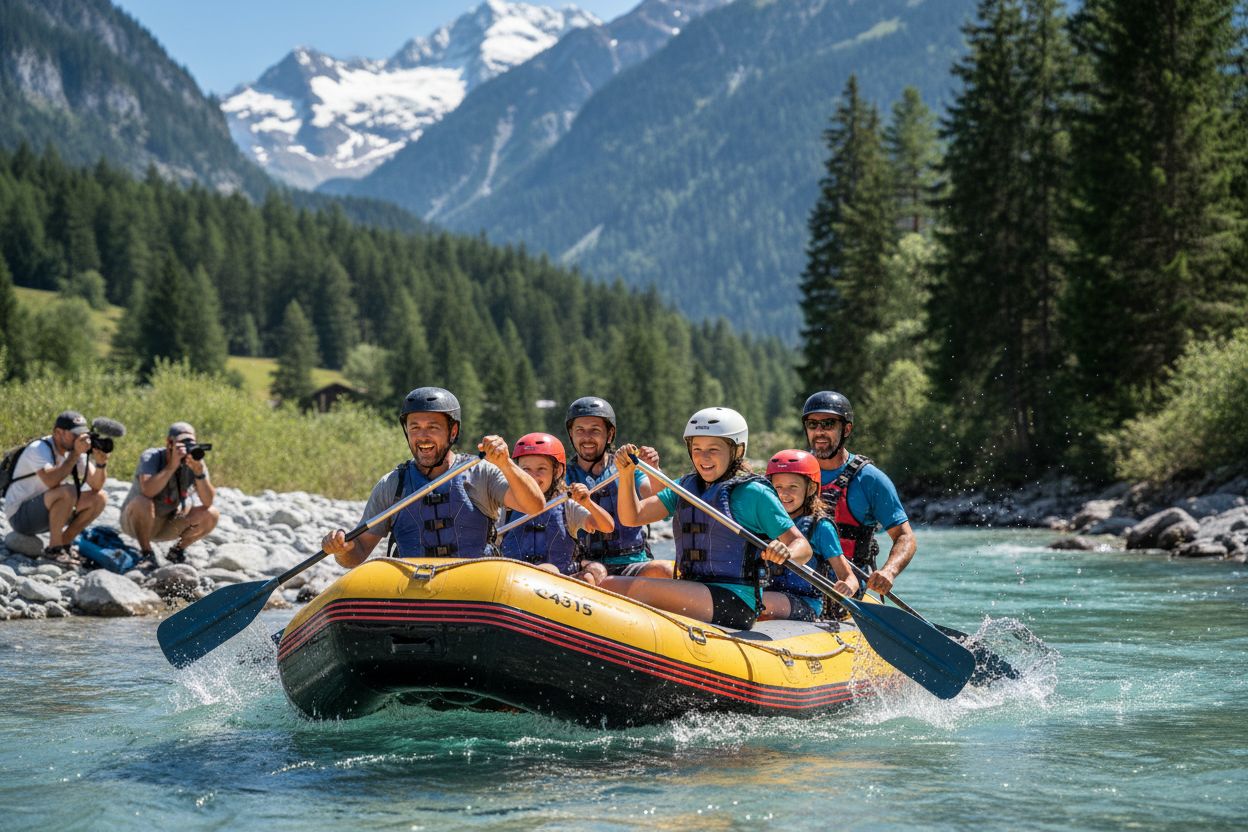
Did you know that over 20,000 families visit Interlaken each year for rafting adventures on its crystal clear mountain streams? Family rafting in this Swiss paradise offers much more than just paddling through rapids. It combines breathtaking scenery with professional guidance, giving both parents and kids a safe way to experience excitement together. Discover how these guided trips turn natural rivers into shared stories full of fun, teamwork, and unforgettable memories.
Table of Contents
Quick Summary
Takeaway | Explanation |
1. Safety is paramount in water filming. | Always use mandatory life jackets and plan for emergencies to protect all crew members. |
2. Obtain necessary permits early. | Engage local film offices to secure permits and understand regional regulations, ensuring compliance before shooting. |
3. Choose the right filming equipment. | Invest in waterproof gear and backup systems to withstand aquatic environments and maintain image quality. |
4. Select a skilled crew. | Team members should possess water safety training and technical expertise to navigate challenging filming conditions. |
5. Prepare for weather variability. | Monitor forecasts closely and develop flexible shooting strategies to adapt to sudden changes in lighting and conditions. |
1. Understanding Family Rafting Experiences in Interlaken
Rafting in Interlaken offers families a unique adventure that transforms mountain streams into thrilling yet safe playgrounds for memorable outdoor experiences. Unlike extreme water sports, these carefully designed rafting trips welcome children aged 8 and above into an exciting world of Swiss alpine exploration.
The experience is far more than just paddling through rapids. Professional guides prioritize safety and fun, ensuring that even first time rafters can enjoy the journey through wild mountain streams. According to research from Understanding Whitewater Rafting in Switzerland, participants navigate inflatable rafts with expert supervision, allowing families to embrace adventure without compromising comfort.
What Makes Family Rafting Special:
Safe rapids specifically designed for younger participants
Professional guides monitoring every aspect of the trip
Stunning Swiss mountain landscape as a backdrop
Opportunity to swim in Lake Brienz after the rafting experience
Parents can rest assured that these trips are structured to provide excitement without overwhelming young adventurers. The gentle rapids of Interlaken create the perfect environment for families to bond, challenge themselves, and create lasting memories together. Each rafting journey becomes a shared story of courage, teamwork, and natural beauty that children will remember for years to come.
2. Key Safety Protocols for Filming on Water
Filming on water introduces unique challenges that demand meticulous safety planning and professional preparation. Water environments create unpredictable scenarios that require specialized protocols to protect your crew and equipment.
Essential Safety Requirements: In professional video production, water locations demand comprehensive safety strategies. According to guidelines from film safety experts, this means implementing robust protective measures that go beyond standard production practices. How to Handle Emergencies: A Filmmaker’s Guide suggests creating a comprehensive emergency response plan before any water shoot begins.
Critical Safety Components:
Mandatory life jacket usage for all crew members
Designated water safety personnel with professional certifications
Detailed water safety plan submitted before production
Dedicated spotter accompanying camera operators
Necessary location and activity permits
Professional video productions must prioritize crew safety by obtaining appropriate permits and employing certified water safety professionals. This means more than simply having equipment like life jackets available. Your team needs trained individuals who understand water dynamics, potential risks, and immediate response protocols.
Specifically for family rafting shoots in Interlaken, this involves understanding local water conditions, having multiple communication channels, and ensuring every team member knows their specific safety responsibilities. A well prepared team transforms potential risks into a smooth professional experience.
3. Permits and Legal Requirements for Rafting Shoots
Navigating the legal landscape of filming water activities requires strategic planning and comprehensive understanding of local regulations. Professional video productions must go beyond creative vision and prioritize legal compliance to ensure smooth shoot execution.
Fundamental Permit Requirements: Obtaining authorization for rafting shoots involves multiple administrative steps. How to Plan a Video Shoot: A Complete Step-by-Step Guide emphasizes the importance of thorough pre-production preparation, which includes understanding local permitting processes.
Critical Documentation Needs:
Standard film permit for water locations
Detailed water safety plan
Credentials of certified water safety personnel
Location specific authorization documents
Proof of appropriate insurance coverage
Engaging directly with local film offices becomes crucial in understanding specific regional requirements. Each jurisdiction in Switzerland may have unique regulations governing water based filming activities. This means producers must research and communicate with regional authorities well in advance of their planned shoot.
Proper legal preparation protects your production from potential disruptions and ensures you can focus on capturing exceptional footage. By treating permits and legal requirements as an integral part of your production process rather than an afterthought, you create a foundation for a successful and professional rafting film shoot.
4. Choosing the Right Gear for Dynamic Water Scenes
Capturing compelling water scenes demands more than creative vision professional filmmakers must invest in specialized equipment designed to withstand challenging aquatic environments. The right gear can mean the difference between capturing breathtaking footage and experiencing catastrophic equipment failure.
Critical Equipment Considerations: Water environments present unique technical challenges that require strategic gear selection. While exploring outdoor filming opportunities like those mentioned in 8 Must-Do Geneva Outdoor Activities for Filmmakers, filmmakers should prioritize equipment resilience and protection.
Essential Water Filming Equipment:
Waterproof camera bodies and protective housings
Secure mounting systems to prevent equipment movement
Weather resistant lens covers
Solar charging capabilities
Multiple backup batteries
Quick drying microfiber cleaning materials
Professional productions understand that water scenes require comprehensive preparation. This means selecting cameras with robust weather sealing, investing in high quality protective cases, and developing backup strategies for potential equipment challenges. Your gear must withstand sudden splashes, humidity fluctuations, and potential submersion without compromising image quality.
Ultimately, successful water scene cinematography combines technical preparedness with creative vision. By selecting the right equipment and implementing protective strategies, you transform potential technical obstacles into opportunities for capturing extraordinary visual stories.
5. Selecting Crew with Outdoor and Rafting Filming Skills
Successful family rafting shoots demand more than standard film production skills. Your crew must possess a unique blend of technical expertise and outdoor environmental adaptability that transforms challenging water scenes into cinematic experiences.
Crew Qualification Essentials: When assembling a team for water based filming, understanding team dynamics becomes crucial. How to Manage Large Teams for Successful Productions provides valuable insights into creating cohesive professional units that can handle complex shooting environments.
Critical Crew Selection Criteria:
Professional swimming certifications
Water safety training credentials
Experience operating equipment in aquatic environments
Physical fitness for outdoor filming conditions
Technical skills in challenging terrain
Calm demeanor under unpredictable circumstances
Professional crews for family rafting shoots require individuals who understand both technical filmmaking and outdoor adventure environments. This means selecting team members who can operate sophisticated camera equipment while maintaining safety protocols in dynamic water conditions.
Beyond technical skills, your crew must demonstrate adaptability, quick decision making, and a comprehensive understanding of water based filming challenges. The right team transforms potential obstacles into opportunities for capturing extraordinary visual narratives that bring family rafting adventures to life.
6. Managing Weather and Natural Light for River Locations
Filming river scenes demands a sophisticated understanding of environmental dynamics and photographic adaptation. Professional cinematographers recognize that water locations present unique challenges requiring meticulous preparation and creative problem solving.
Lighting and Weather Strategies: When scouting dynamic shooting environments, understanding light variations becomes critical. 10 Perfect Geneva Photo Spots for Filmmakers and Creatives offers insights into managing challenging outdoor shooting conditions that translate perfectly to river environments.
Key Preparation Components:
Advanced weather forecast monitoring
Multiple equipment protection strategies
Flexible shooting schedule options
Comprehensive rain cover preparations
Alternative lighting equipment
Rapid gear transition capabilities
Successful river filming requires more than technical equipment. Your team must develop an intuitive understanding of how sunlight interacts with water surfaces creating constantly shifting visual landscapes. This means training crew members to anticipate light changes quickly and adapt camera settings in real time.
Professional productions transform potential weather challenges into creative opportunities. By developing comprehensive contingency plans and maintaining flexible shooting strategies, filmmakers can capture breathtaking family rafting moments regardless of environmental conditions.
7. Coordinating Logistics for Talent and Equipment Transport
Transporting talent and equipment for river based filming requires strategic planning that goes beyond standard production logistics. Professional crews must develop comprehensive approaches that anticipate potential challenges and ensure smooth operational flow.
Logistics Coordination Principles: Successful water based productions demand intricate planning and flexible strategies. Understanding Managing Multiple Locations for Filmmakers provides valuable insights into navigating complex production environments that directly apply to river filming scenarios.
Critical Logistical Considerations:
Utilize local guides with river knowledge
Ensure boats are seaworthy and properly maintained
Develop weight distribution strategies for equipment
Create detailed equipment protection protocols
Plan multiple transportation contingencies
Establish clear communication channels
Professional river filming requires more than simply moving people and gear from one point to another. Your team must develop a holistic approach that considers equipment vulnerability, talent safety, and environmental variables. This means selecting transportation methods that protect sensitive camera gear while providing comfortable and secure passages for your performers.
Ultimately, successful logistics transform potential challenges into seamless production experiences. By anticipating potential obstacles and developing robust transportation strategies, filmmakers can focus on capturing extraordinary family rafting moments without worrying about operational disruptions.
The table below provides a comprehensive summary of the key aspects of family rafting experiences in Interlaken and considerations for filming such activities.
Topic | Description | Key Considerations |
Family Rafting in Interlaken | Offers a unique adventure for families with children aged 8 and above, emphasizing safety and fun with professional guides. | Safe rapids, expert supervision, scenic Swiss landscape, and opportunities like swimming in Lake Brienz. |
Safety Protocols in Filming | Filming on water necessitates rigorous safety strategies to protect crew and equipment. | Mandatory life jackets, water safety personnel, emergency plans, and necessary permits. |
Permits for Rafting Shoots | Legal compliance is essential for filming water activities to ensure smooth execution. | Standard film permits, safety credentials, insurance coverage, and region-specific authorizations. |
Gear Selection for Water Scenes | Choosing the right equipment is crucial for capturing quality visual stories in aquatic environments. | Waterproof cameras, secure mounts, weather-resistant covers, backup power sources. |
Crew Selection for Rafting Films | Selecting a crew with specific technical and outdoor skills is vital for successful rafting shoots. | Swimming certifications, water safety training, technical equipment operation in water conditions. |
Weather and Lighting Management | Understanding and adapting to environmental dynamics enhances filming quality in rivers. | Weather monitoring, rain preparations, flexible schedules, alternative lighting equipment. |
Logistics for River Filming | Strategic planning for transporting talent and equipment is necessary for operational success. | Use of local guides, equipment protection strategies, communication channels, transportation contingencies. |
Bring Your Family Rafting Shoot in Interlaken to Life with Expert Local Support
Rafting adventures in Interlaken offer unforgettable experiences but managing the complexities of filming on water can quickly become overwhelming. From securing the right permits to coordinating skilled crews with water safety training, to protecting valuable gear against unpredictable river conditions, each step demands precision and local expertise. The article highlights crucial challenges such as navigating legal requirements, managing logistics for talent and equipment, and adapting to changing weather and light — all vital to capturing stunning family rafting visuals safely and smoothly.
Avoid production delays and safety risks with trusted help. At Video Production Switzerland, we specialize in delivering comprehensive support that ensures your rafting shoot unfolds seamlessly. Our team brings over 20 years of experience handling permits, sourcing certified local crews, securing high-quality gear, and managing logistics in challenging outdoor locations. Whether you need detailed water safety plans, professional rafting filming crews, or expert coordination of transport and equipment, we cover it all.
Ready to transform your family rafting project into an extraordinary cinematic journey without the usual stress or risks? Visit https://videoproductionswitzerland.com now to schedule your free consultation and discover how we turn complex river shoots into smooth, on-time productions. Don’t wait until you face last-minute challenges. Partner with experts who know Interlaken’s waters inside and out and commit to a stress-free filming experience today.
Frequently Asked Questions
What safety measures are essential for family rafting shoots?
Ensuring safety during family rafting shoots requires using mandatory life jackets for all crew members and having designated water safety personnel on-site. Prepare a detailed water safety plan, and conduct a safety briefing with your crew well before the shoot date.
How can I obtain the necessary permits for rafting shoots?
To obtain permissions for rafting shoots, gather the required documentation such as standard film permits and proof of insurance coverage. Engage with local authorities at least 30 days prior to your shoot to ensure compliance with all regional regulations.
What type of equipment is best for filming in water environments?
Invest in waterproof camera bodies, secure mounting systems, and weather-resistant lens covers to capture high-quality footage in water environments. Assess and prepare your gear to handle sudden splashes and humidity changes, ensuring you have backup equipment ready for unexpected scenarios.
How can I manage weather conditions during river filming?
Monitor advance weather forecasts and establish flexible shooting schedules to adapt to changing conditions. Prepare comprehensive rain cover strategies and have alternative lighting equipment on standby to ensure your shoot remains uninterrupted.
What qualifications should I look for in a crew for rafting shoots?
Choose a crew with professional swimming certifications, water safety training, and experience working in aquatic environments. Seek individuals who also demonstrate adaptability and calmness under unpredictable circumstances to ensure a smooth filming process.
How can I coordinate transportation logistics for talent and equipment?
Utilize local guides familiar with river conditions to ensure safe transport for both talent and equipment. Develop detailed weight distribution strategies for gear and plan for multiple transportation contingencies in case of unforeseen challenges during the shoot.
Recommended
