
Winter Hiking Zurich: Filmmaker Logistics Demystified

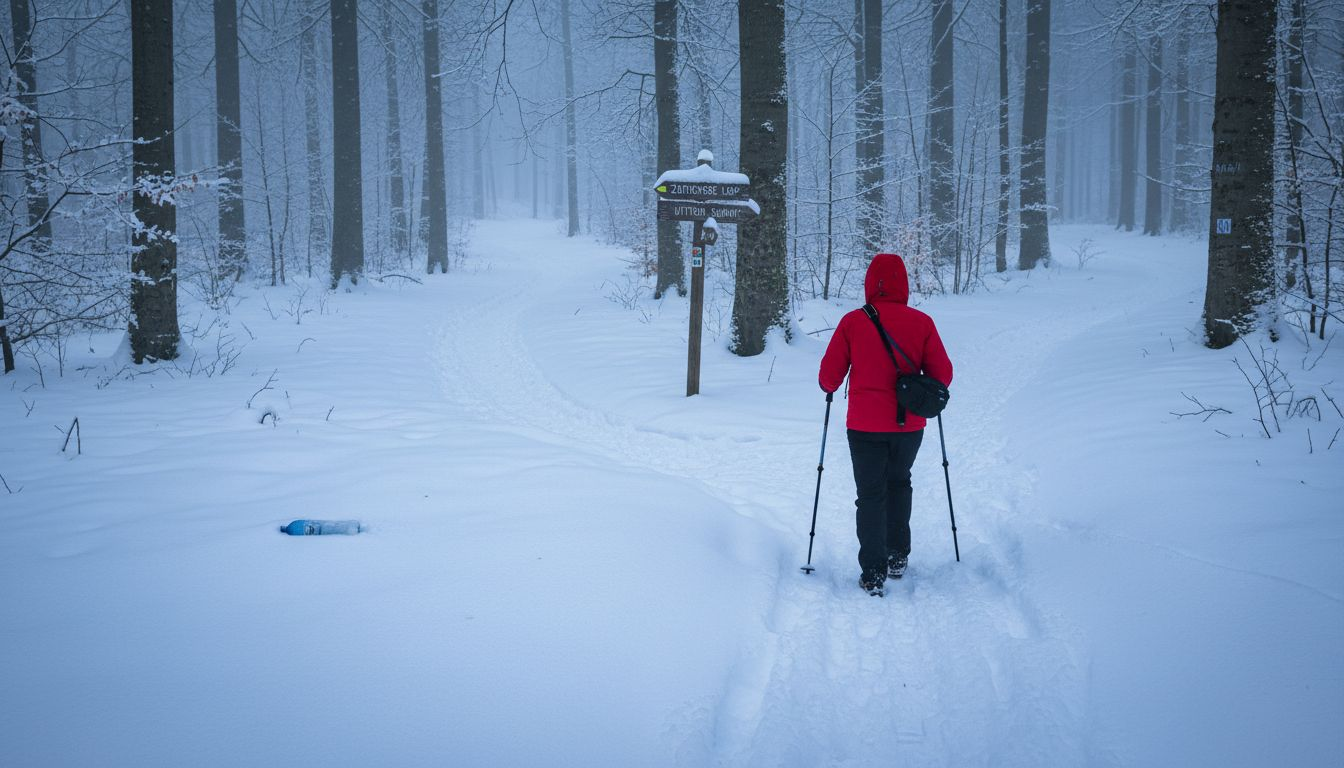
Finding the right local production team is vital when winter hiking shoots in Zurich call for expert logistics and permit management. Filmmakers face rigorous demands, from securing advance permits for venues like the National Museum Zurich to balancing detailed trail and weather reports that shape safe, breathtaking outdoor scenes. This article brings clarity to the complexities of winter hiking film production, highlighting resources, safety priorities, and streamlined solutions for international creatives eager to capture Swiss winter landscapes.
Table of Contents
Key Takeaways
Point | Details |
Winter Hiking Preparation | Ensure you are physically fit and equipped with appropriate clothing and survival gear before embarking on winter trails. |
Trail Navigation Skills | Possess the ability to read topographical maps and recognize potential hazards such as avalanche zones. |
Filming Permit Essentials | Understand and secure the necessary filming permits, including special regulations for drone usage. |
Logistical Planning | Plan extensively for transportation, equipment needs, and emergency protocols to ensure a successful film shoot in winter conditions. |
Winter Hiking in Zurich Explained
Winter hiking in Zurich presents a unique blend of urban accessibility and alpine adventure, offering filmmakers and outdoor enthusiasts an extraordinary landscape to explore. Unlike traditional hiking experiences, winter trails around Zurich demand specialized preparation and strategic planning to navigate the seasonal challenges effectively.
Preparing for winter hiking requires understanding the specific environmental conditions and safety considerations. Winter hiking safety demands careful preparation, particularly in Switzerland’s diverse terrain. Key considerations include:
Assessing individual fitness levels for cold-weather hiking
Selecting appropriate multi-layer clothing systems
Checking detailed weather forecasts and temperature predictions
Understanding potential wind chill and exposure risks
Carrying essential winter survival gear
Zurich’s surrounding regions offer remarkable winter hiking opportunities that blend urban convenience with spectacular mountain landscapes. The proximity to alpine trails means filmmakers can quickly transition from city environments to breathtaking winter scenery. Terrain understanding becomes critical, with local resources like Swiss trail condition databases providing crucial real-time information about route accessibility and potential hazards.
Navigation during winter hiking requires additional technical skills beyond summer trekking. Hikers must be prepared to read topographical maps, understand snow conditions, and recognize potential avalanche zones. Professional winter hiking routes around Zurich are typically well-marked, but unexpected weather shifts can dramatically alter trail conditions.
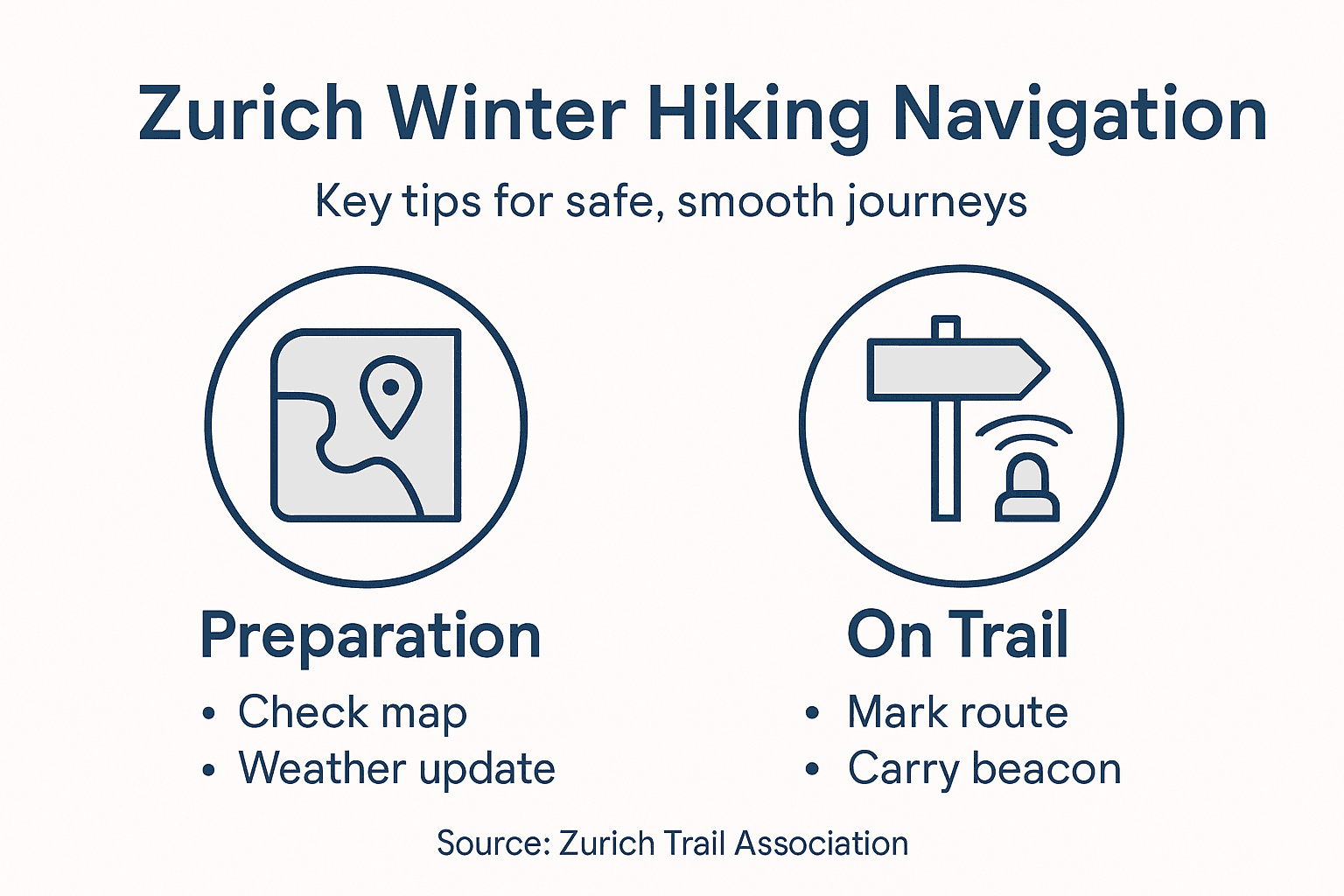
Pro tip: Always inform a trusted contact about your specific hiking route, expected return time, and carry an emergency communication device when exploring winter trails around Zurich.
Most Popular Winter Hiking Trails
Zurich serves as a gateway to some of Switzerland’s most spectacular winter hiking experiences, offering trails that cater to various skill levels and scenic preferences. Popular winter hiking routes near Zurich provide accessible paths that showcase the breathtaking alpine landscapes without requiring advanced mountaineering skills.
Some of the most remarkable winter hiking trails in the region include:
Pizol Ski Resort Loop: Featuring panoramic mountain views
Flumserberg Tannenboden to Seebenalp Trail: Offers stunning views of a frozen lake
Groomed Forest Paths: Suitable for beginners and intermediate hikers
Alpine Village Connector Routes: Providing cultural and scenic experiences
Winter hiking destinations around Zurich offer unique experiences that blend natural beauty with accessible terrain. Engadin region trails stand out as particularly spectacular, presenting hikers with magical forest walks and routes connecting historic mountain villages. These trails showcase the diversity of Swiss winter landscapes, ranging from snow-covered forests to frozen lake panoramas.
For filmmakers seeking picturesque winter scenes, these trails provide exceptional opportunities to capture the serene beauty of Swiss winter landscapes. The trails are typically well-maintained, offering safe and visually stunning routes that can serve as perfect backdrops for outdoor cinematography projects. Navigation is relatively straightforward, with most routes clearly marked and offering varying levels of difficulty to accommodate different hiking experiences.
Here’s a concise comparison of popular winter hiking trails near Zurich for filmmakers and hikers:
Trail Name | Landscape Highlights | Skill Level |
Pizol Ski Resort Loop | Panoramic mountain views | Intermediate |
Flumserberg Tannenboden-Seebenalp | Frozen lake scenery | Beginner |
Groomed Forest Paths | Snow-covered forest routes | Beginner |
Alpine Village Connector Routes | Historic villages, culture | Intermediate |
Engadin Region Trails | Magical forests, lake vistas | Varies by trail |
Pro tip: Always check local trail condition reports and carry a detailed topographical map when exploring winter hiking routes around Zurich to ensure a safe and enjoyable experience.
Permit and Legal Requirements for Shoots
Filming in Zurich requires careful navigation of complex legal and permit requirements that vary depending on location, project scope, and specific filming activities. Permit processes for cultural institutions can be particularly intricate, with each venue maintaining unique regulations and approval procedures.
Key legal considerations for film productions in Zurich include:
Obtaining location-specific filming permits
Securing necessary insurance coverage
Respecting private and public property regulations
Managing drone and aerial filming permissions
Adhering to local noise and disruption guidelines
Commercial film productions demand meticulous documentation and advance planning. Most locations require permit applications submitted at least 20-30 days before the scheduled shoot, with detailed information about crew size, equipment, and specific filming activities. Some venues may charge additional fees for commercial filming, particularly in sensitive areas like museums, historical sites, and public spaces.
Different locations around Zurich have varying requirements for film permits. Public spaces typically require municipal authorization, while private properties need explicit written consent from property owners. How to Get a Film Permit becomes crucial for international filmmakers unfamiliar with Swiss bureaucratic processes. Drone usage requires additional specialized permits, with strict regulations governing altitude, proximity to buildings, and operational zones.
The table below summarizes key permit requirements for film projects in Zurich:
Permit Factor | Public Spaces | Private Properties | Drone Usage |
Authorization | Municipal required | Owner’s written consent | Special aviation permit |
Typical Timeline | 20–30 days advance | Varies, often 30+ days | At least 20 days advance |
Fees | Often municipal fee | Possible location fees | Possible separate fee |
Key Restrictions | Noise, disruption | Property access limits | Altitude, proximity rules |
Pro tip: Always engage local production support to help navigate the complex permit landscape and ensure full legal compliance for your Zurich film project.
Essential Logistics for Film Crews
Winter hiking film productions in Zurich require meticulous logistical planning to ensure smooth operations across challenging terrain and unpredictable weather conditions. Film logistics fundamentally depend on comprehensive planning that anticipates potential challenges and creates robust contingency strategies.
Key logistical considerations for winter hiking film crews include:
Transportation planning for crew and equipment
Specialized winter gear and protective equipment
Robust communication systems
Emergency medical and evacuation protocols
Detailed route mapping and terrain assessment
Specialized insurance coverage for winter expeditions
Equipment transportation represents a critical aspect of winter film production logistics. How to Transport Heavy Equipment becomes particularly challenging when navigating snow-covered mountain trails and remote hiking locations. Specialized vehicle requirements, temperature-controlled storage for sensitive gear, and strategic load distribution become paramount for maintaining production efficiency.
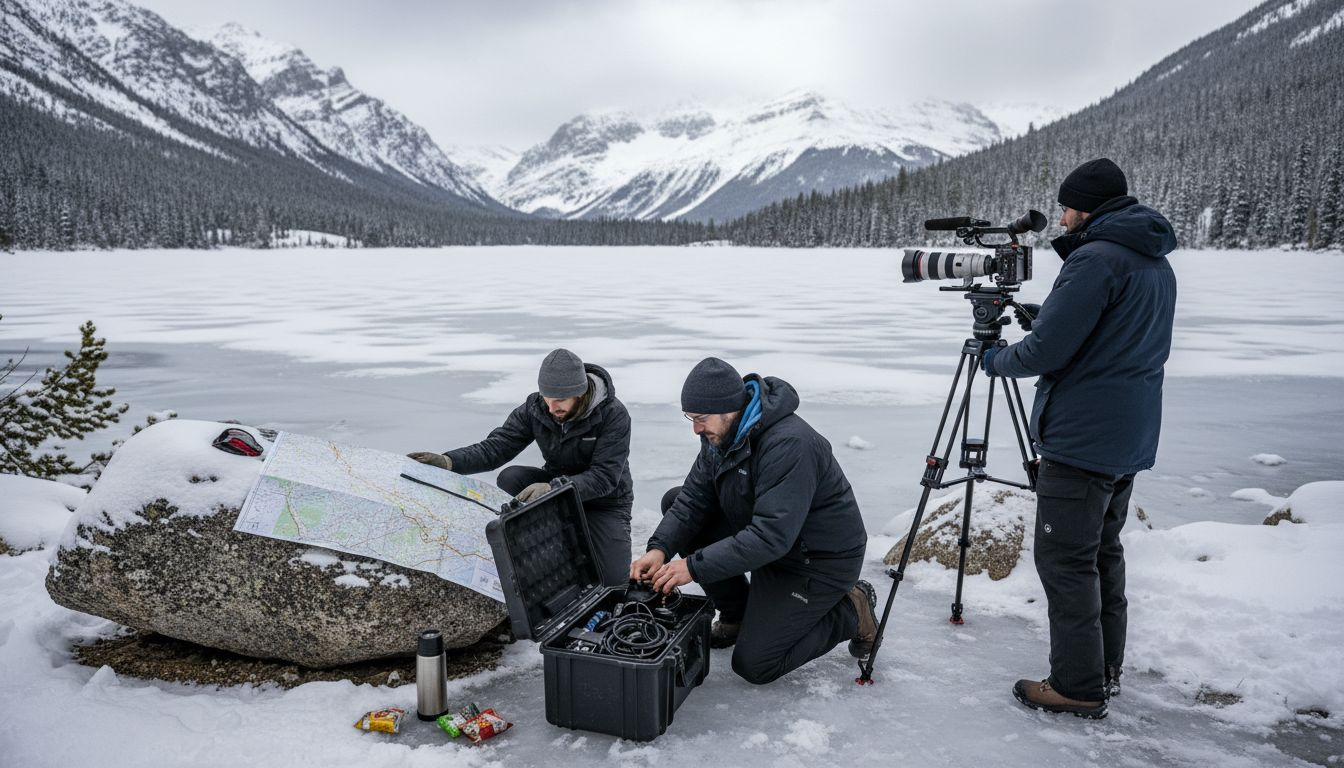
Successful winter hiking film productions demand extraordinary coordination between production coordinators, local guides, and technical crews. Winter environments introduce unique challenges that require advanced planning, including alternative route selections, real-time weather monitoring, and flexible scheduling to accommodate sudden environmental changes. Professional crews must develop comprehensive risk management strategies that balance creative vision with crew safety.
Pro tip: Always maintain a comprehensive digital and physical backup of all production logistics documents, ensuring multiple team members have access to critical information in case of communication disruptions.
Safety Considerations and Common Risks
Film crews undertaking winter hiking productions in Zurich must recognize the complex safety landscape that alpine environments present. Winter hiking safety demands comprehensive preparation to mitigate potential risks inherent in challenging mountain terrain and unpredictable weather conditions.
Key safety considerations for winter hiking film productions include:
Appropriate cold-weather protective gear
Emergency communication devices
Detailed route reconnaissance
Individual and team fitness assessments
Avalanche safety equipment
Medical emergency preparedness
Professional local guide integration
Weather-related risks represent the most significant threat to film production safety. Sudden temperature drops, wind chill factors, and potential snowstorms can rapidly transform hiking conditions. Professional crews must develop comprehensive contingency plans that include real-time weather monitoring, alternative route options, and immediate evacuation protocols.
Alpine hiking safety practices emphasize the critical importance of staying on marked routes, maintaining appropriate pacing, and understanding individual team members’ physical limitations. Technical challenges like slippery terrain, reduced visibility, and potential hypothermia risks demand meticulous planning and constant situational awareness from production teams.
Pro tip: Always conduct a mandatory pre-shoot safety briefing that includes specific environmental risk assessments, individual team member health checks, and emergency communication protocols.
Master Your Winter Hiking Film Production in Zurich with Expert Support
Winter hiking film shoots in Zurich present complex challenges from navigating rugged snow-covered trails to managing intricate permit requirements and unpredictable weather conditions. If you are looking to transform these obstacles into a seamless production experience, the key lies in meticulous logistical planning and trusted local expertise. From securing permits and sourcing specialized winter equipment to coordinating experienced crews and transportation, every detail matters to protect your creative vision and team safety.
Take the stress out of your next winter hiking film shoot by partnering with Video Production Switzerland. With over 20 years of experience navigating the Swiss film landscape they provide comprehensive support to international filmmakers facing the very challenges detailed in “Winter Hiking Zurich: Filmmaker Logistics Demystified”. Explore how our services cover critical areas including permit management, mountain logistics, and equipment transport so you can focus on capturing breathtaking alpine footage without compromises. Start with a free consultation today to ensure your Zurich shoot stays on schedule and within budget.
Frequently Asked Questions
What should I consider when preparing for winter hiking?
It’s essential to assess your fitness level, select appropriate multi-layer clothing, check weather forecasts, understand wind chill risks, and carry essential survival gear.
How can I navigate the winter hiking trails effectively?
You need to be skilled in reading topographical maps, comprehending snow conditions, and recognizing avalanche zones. Keeping an updated trail condition report is also crucial.
What are some popular winter hiking trails to film around Zurich?
Notable trails include the Pizol Ski Resort Loop, the Flumserberg Tannenboden to Seebenalp Trail, and various groomed forest paths that offer scenic views and cater to different skill levels.
What logistical considerations are important for winter hiking film productions?
Successful logistics require transportation planning, specialized winter gear, communication systems, emergency protocols, and a detailed assessment of the hiking terrain.
Recommended
