
Five Low Cost Wellness Habits for Remote Creatives

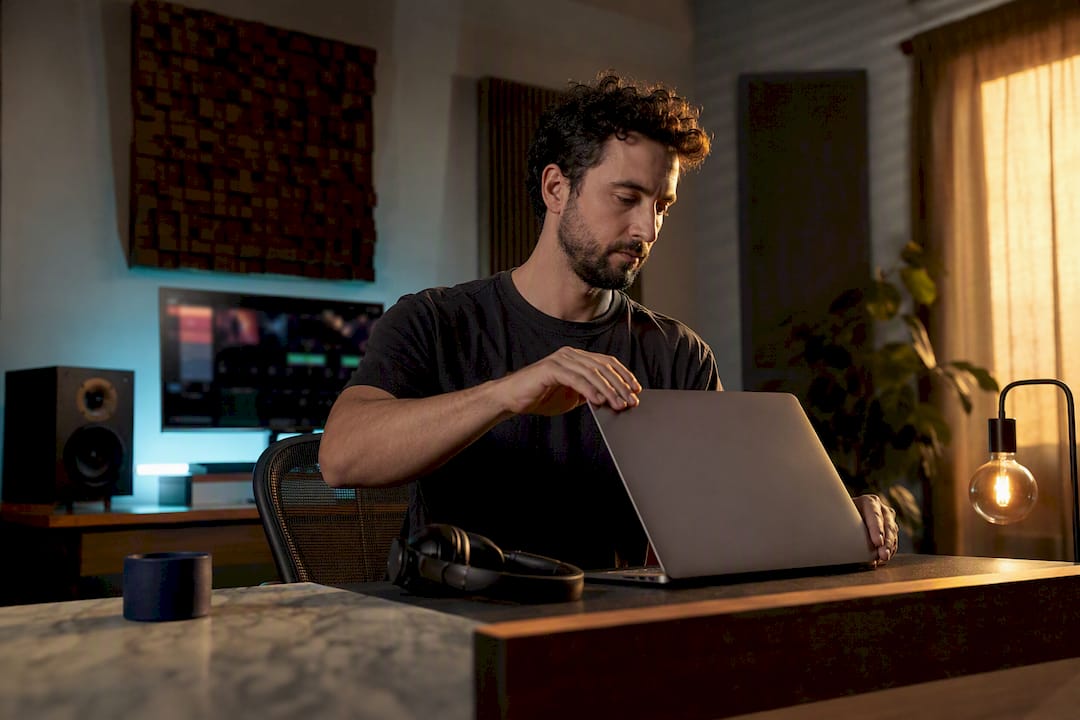
The most effective wellness tips for employees working from home come down to five habits: a predictable routine, a dedicated workspace, hourly micro-breaks, protected boundaries, and consistent sleep and hydration. Remote employees face 40% higher odds of reporting anxiety or depression symptoms than onsite peers, and NIOSH links hourly movement breaks to reduced musculoskeletal strain. Start now: set a firm stop time for today.
TL;DR:
Maintaining a fixed start and stop time with a morning and evening ritual helps establish clear boundaries for remote work.
Using ergonomic setups like monitor elevation and regular posture checks reduces musculoskeletal strain and associated discomfort.
Taking hourly five-minute movement breaks and longer daily outdoor walks significantly decrease musculoskeletal and eye strain for remote employees.
Implementing optional mental health practices such as short check-ins and mindfulness breaks better supports mental well-being than mandatory meetings.
Prioritizing regular hydration, nutritious snacks, consistent sleep, and setting boundaries around notifications sustains energy and focus throughout the workday.
Table of Contents
Build a daily routine that protects your work hours
A commute sounds like dead time until you lose it. That drive or train ride used to signal “work starts now” and “work is over.” Without it, the boundary between job and home blurs fast, which is exactly why a routine matters more at home than it ever did in an office.
Replace the commute with a ritual. A 10-minute walk, a coffee made away from your desk, or five minutes of stretching before you open your laptop all tell your brain the same thing a commute used to: the day has begun.
Here’s a one-week setup that works for most schedules:
Pick fixed start and stop times and treat them like a meeting you can’t cancel.
Add a two-minute morning ritual (walk outside, make tea, stretch) before opening email.
Block deep work in 90-minute windows, separated by a Pomodoro-style short break.
Set a stop ritual (close the laptop, take a walk, change clothes) to end the day.
Review and adjust after five days. Cut whatever felt forced.
If your work involves long edit sessions or shoot days, structure matters even more. Video Production Switzerland’s guide on tips for working from home effectively breaks this down further for creative schedules that don’t fit a standard 9-to-5.
Set up a workspace built for your body, not your couch
Your body keeps score of every hour spent hunched over a laptop on a couch cushion. NIOSH’s ergonomics guidance for teleworkers ties posture variation and proper monitor height directly to lower risk of musculoskeletal disorders, and the fixes don’t require a new office.
Quick wins that cost nothing:
Raise your laptop or monitor so the top of the screen sits at eye level.
Keep your keyboard and mouse close enough that your elbows stay near your sides.
Sit with feet flat on the floor and lower back supported.
Position your desk near a window. Natural light exposure helps regulate mood and energy through the day.
Check your posture every hour: shoulders relaxed, screen at eye level, feet planted.
For a longer-term upgrade, an external monitor or a proper ergonomic chair pays for itself in fewer headaches and less neck strain. Until then, stacked books or a sturdy box under a laptop does the same job as a $40 stand.
Pro Tip: Set a recurring phone alarm labeled “posture check.” When it goes off, reset your shoulders and screen distance before you even look at what triggered it.
Use micro-breaks to reset your body every hour
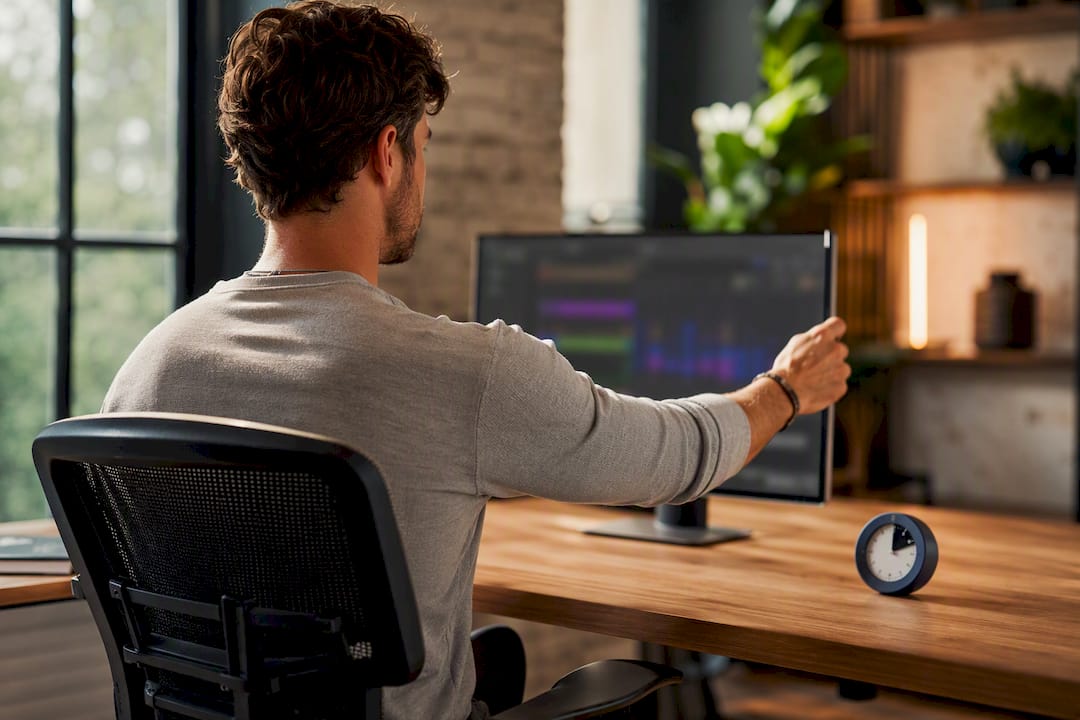
Sitting still for four hours straight is one of the fastest ways to end a workday with a stiff neck and tired eyes. NIOSH found that layering hourly 5-minute movement breaks on top of standard rest periods meaningfully cuts musculoskeletal discomfort and eyestrain, which matters most on days packed with screen time.
A simple cadence to try this week:
Every hour, stand up and move for five minutes. Stretch, walk to another room, refill water.
Twice a day, take a longer 15 to 20 minute break away from your screen entirely.
Once daily, get outside, even for a short walk around the block.
Desk-friendly stretches like shoulder rolls, wrist circles, and standing hamstring reaches take under a minute each and don’t require changing clothes. Set a recurring timer or block these breaks directly on your calendar so they don’t get skipped when a deadline hits.
Protect your mental health without adding more to your calendar
Isolation creeps up quietly when your only human contact is a chat notification. The mental-health stakes are real: remote employees report anxiety and depression symptoms at a 40% higher rate than colleagues working in an office, and forced wellness meetings rarely fix that.
What actually helps tends to be small and optional:
A five-minute mindfulness break or gratitude note before lunch.
A short asynchronous video check-in with a “coffee buddy” instead of a scheduled call.
A two-line message to a manager or peer just to say how the week is going.
Watching for signs of escalating stress: trouble sleeping, dread about logging on, or snapping at small things.
Short, optional, and recorded formats get better long-term engagement than mandatory synchronous events, largely because they respect the fact that remote work already eats into personal time. If stress escalates past what a walk or a chat fixes, an Employee Assistance Program or a direct conversation with your manager is worth more than another wellness webinar. If you manage a distributed team, Video Production Switzerland’s notes on managing remote teams cover how to build these check-ins without adding meeting fatigue.
Nutrition, hydration, and sleep: the habits that carry everything else
Skipping lunch or running on coffee until 3 p.m. catches up with you by mid-afternoon. A few habits keep energy steadier through the day:
Prep two or three go-to lunches for the week so decision fatigue doesn’t push you toward chips and coffee.
Keep a water bottle at your desk and refill it during your hourly movement break. Hydration tracks directly with focus.
Choose protein-heavy snacks (nuts, yogurt, hard-boiled eggs) over sugar to avoid the afternoon crash.
Keep sleep and wake times consistent, even on weekends.
Build a 90-minute wind-down before bed: dim lights, no screens, something calming. The CDC recommends at least seven hours of quality sleep for most adults, and a consistent wind-down routine makes that easier to hit.
Manage screen time and set boundaries around your availability
Notifications are the single biggest leak in anyone’s attention at home. A few rules make a real difference:
Turn off non-urgent notifications during deep-work blocks and use do-not-disturb by default.
Set a scheduled status update (Slack, Teams) so colleagues know when you’re focused versus available.
Add 5 to 10 minute buffers between back-to-back meetings, and push for short agendas so calls end on time.
Protect at least one meeting-free block per day for uninterrupted work.
Set a device curfew in the evening and tell your team what hours you’re actually reachable.
Declining a meeting that could be an email isn’t rude. It’s how you protect the hours where real work happens.
What Pieter has learned from remote video production teams
Media work adds its own wrinkle to remote wellness: long edit sessions and shoot-day prep don’t fit neatly into hourly break blocks. A few things that hold up across production schedules:
Schedule protected “production blocks” for editing, separated by a real 15 to 30 minute reset rather than a quick scroll break.
Tie hydration and standing breaks to natural checkpoints like a render or export finishing.
Alternate seated and standing work during long sessions instead of waiting for fatigue to force a break.
These habits pull from two consistent findings across the research: NIOSH’s data on hourly movement breaks reducing strain, and HR Dive’s numbers on elevated anxiety risk among remote employees. Both point the same direction: small, frequent resets beat occasional long ones. For more on this, see effective stress reducer techniques for filmmakers.
A note on building these habits into creative workflows
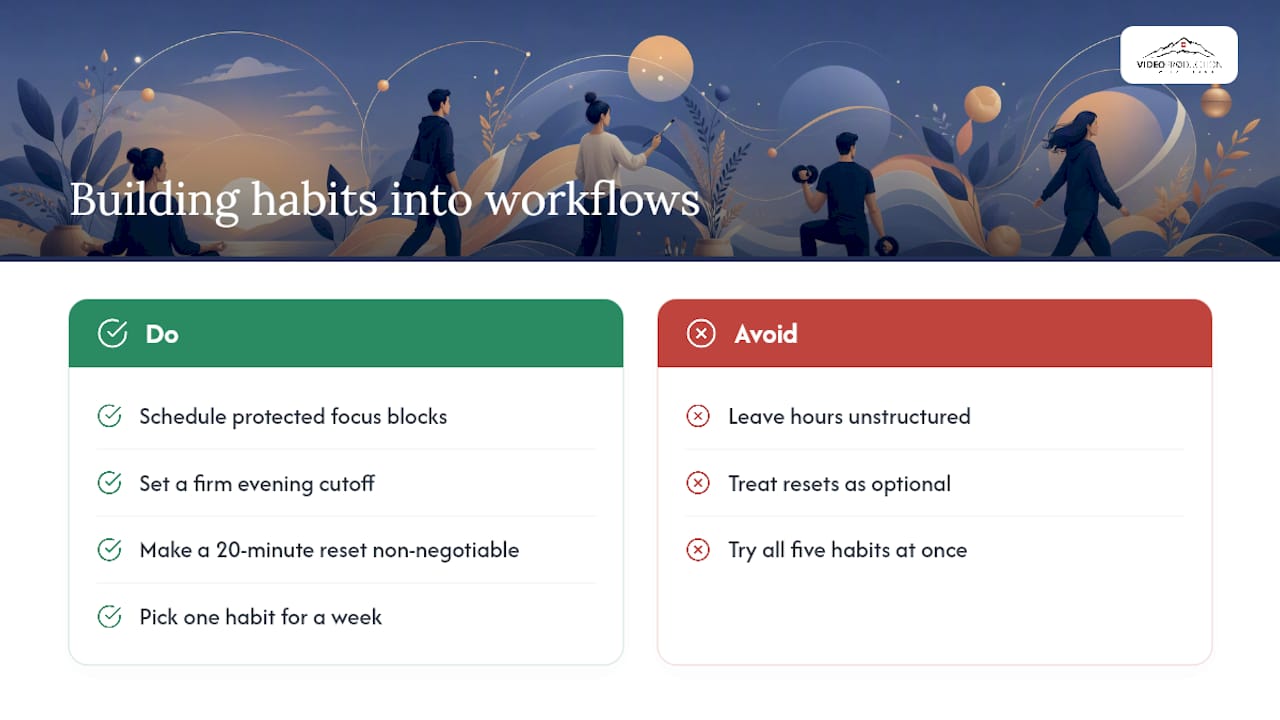
Teams that build editing schedules around protected focus blocks and a firm evening cutoff tend to turn around better work with less burnout than teams that leave hours unstructured. The change that mattered most wasn’t a big wellness program. It was a 20-minute reset between long edit sessions, treated as non-negotiable instead of optional.
If your team handles international shoots and needs help managing the logistics that eat into everyone’s bandwidth, from permits to crew to scheduling, Video Production Switzerland handles that groundwork so your team’s time goes toward the actual work. Details on scope and rates are on the pricing page.
Pick one habit from this list. Not five. Try it for a week before adding another.
— Pieter
This article is general information, not a substitute for advice from a qualified doctor. Consult a qualified healthcare professional about your own circumstances before acting on anything here.
Sources
Recommended
