
Manufacturing Scheduling for Seamless Film Shoots

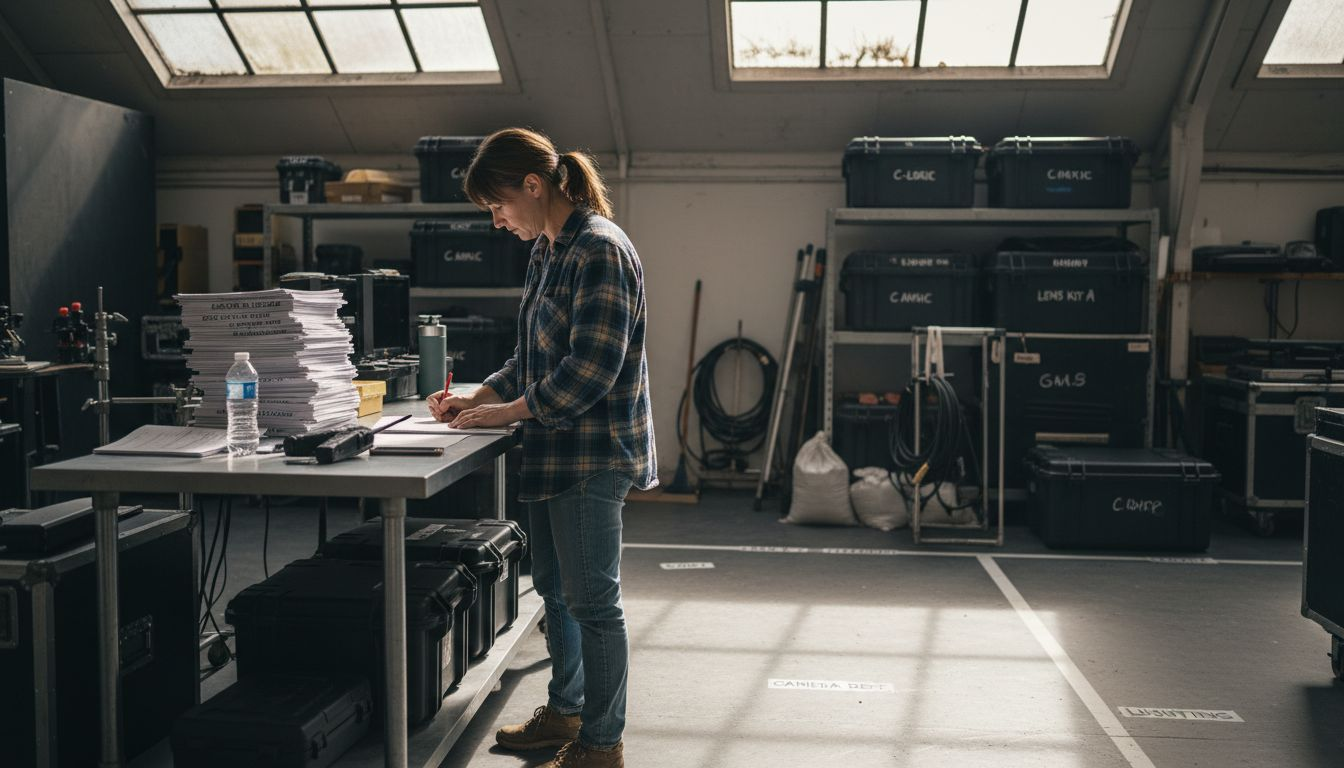
Coordinating a film shoot across Switzerland comes with challenges that can disrupt even the best-laid plans. Managing crews, equipment, and permits in real time demands more than intuition or luck. That is where manufacturing scheduling strategies become essential for international producers. By applying proven methods from manufacturing — like resource allocation, task sequencing, and timeline optimization — you gain the precision needed to keep shoots running smoothly. This guide shows how structured scheduling transforms complex productions into predictable, stress-free experiences for global teams.
Table of Contents
Key Takeaways
Point | Details |
Effective Manufacturing Scheduling | Focus on resource allocation, equipment scheduling, and timeline optimization to reduce bottlenecks and inefficiencies in video production. |
Flexibility in Scheduling | Use dynamic and smart scheduling strategies to adapt to real-time changes and ensure smooth production, especially in unpredictable environments. |
Thorough Planning | Perform detailed script breakdowns and create a work breakdown structure that respects constraints for reliable scheduling. |
Proactive Risk Management | Identify potential scheduling risks upfront and develop mitigation strategies to stay on track and minimize disruptions. |
Defining Manufacturing Scheduling in Video Production
When you’re planning a film shoot, especially as an international producer coordinating complex logistics across Switzerland, you’re essentially doing what manufacturing facilities do every day: allocating resources, coordinating timelines, and preventing bottlenecks. Manufacturing scheduling translates directly to your production environment. Think of it as the operational backbone that keeps cameras rolling, crews working efficiently, and shoots staying on schedule.
Manufacturing scheduling in video production refers to the strategic allocation and coordination of your crew, equipment, locations, and time to execute each phase of your shoot in the correct sequence. Unlike traditional manufacturing that produces widgets, your “product” is footage captured on specific dates at specific locations. Production scheduling allocates machines and resources over defined timeframes to optimize on-time delivery and utilization. In film production, this means mapping out every shoot day, assigning crew members to specific roles, reserving equipment when you need it, and booking locations in the correct sequence so nothing overlaps or gets missed.
The core components include:
Resource allocation: Determining which crew members work which days, ensuring your cinematographer, sound engineer, and production assistants are booked precisely when needed
Equipment scheduling: Coordinating camera rentals, lighting rigs, and support gear so everything arrives before shoots and leaves after, not sitting unused for days
Location sequencing: Organizing your shoot order based on location availability, cast schedules, and travel time between sites in the Swiss landscape
Timeline optimization: Building realistic buffers for travel between Alpine locations, weather delays, and equipment setup without padding your schedule with unnecessary dead time
Cost control: Ensuring crew and equipment aren’t sitting idle between shoots, reducing unnecessary expenses
What makes this different from just “planning” is the emphasis on preventing waste. A manufacturing production schedule coordinates production stages to prevent bottlenecks and downtime, and the same principle applies to your shoot. When your sound department finishes recording at a location before camera is ready, that’s a bottleneck. When you’ve booked your gaffer for five consecutive days but only need four, that’s wasted cost. Manufacturing scheduling eliminates these inefficiencies by thinking through dependencies, sequencing, and resource timing upfront.
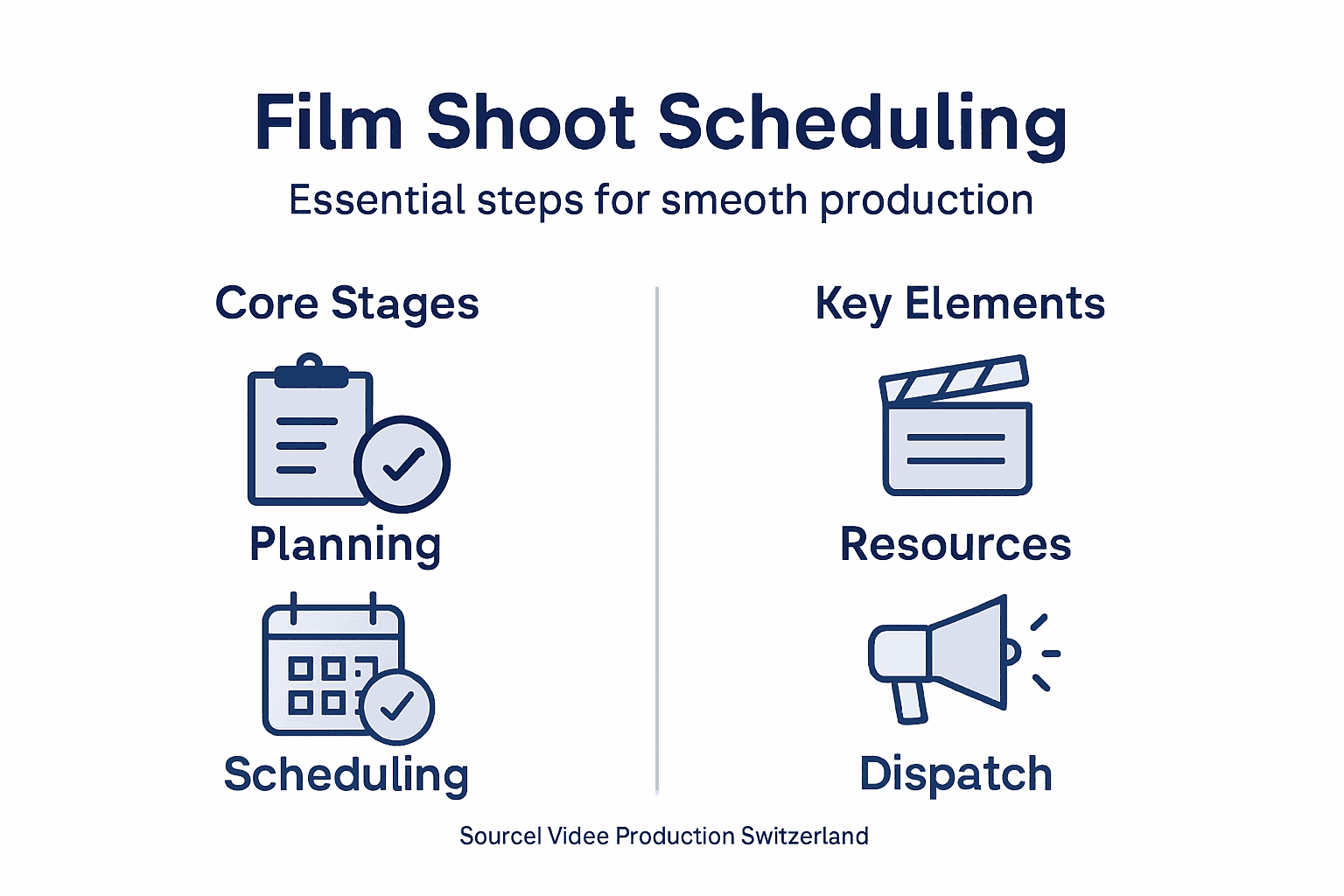
For international producers working in Switzerland, this approach becomes invaluable. You’re managing permit deadlines, crew availability across multiple time zones, equipment logistics, and tight client budgets simultaneously. A structured scheduling methodology keeps all these elements synchronized so your shoot runs on time, on budget, and without the constant firefighting that comes from disorganized coordination.
Pro tip: Start your schedule backward from your final shoot day, working in reverse to identify when crews must arrive, when equipment needs to be onsite, and when permits must be finalized, rather than forward planning from day one, which often overlooks critical dependencies that surface too late to fix.
Types of Manufacturing Scheduling Strategies
Not all scheduling approaches work the same way. Different film shoots demand different strategies, and understanding which approach fits your situation separates smooth productions from chaotic ones. The scheduling methodology you choose shapes everything: how flexible your crew can be, how quickly you adapt when problems arise, and ultimately whether you hit your deadlines and budget.
Static scheduling is the traditional approach where you lock in your entire shoot plan upfront and stick to it. You determine all shoot dates, crew assignments, equipment bookings, and location reservations weeks in advance, then execute that plan without deviation. This works well when your project is clearly defined, your talent and locations are confirmed, and nothing changes. However, static scheduling breaks down quickly when reality intervenes. Weather delays in the Swiss mountains, a crew member calls in sick, or a client requests last-minute changes, and suddenly your rigid plan doesn’t work anymore.
Dynamic scheduling adapts to real-time changes as your shoot unfolds. With this approach, you maintain a base plan but build in flexibility. If a location becomes unavailable, you have backup sites ready. If weather forces you to reschedule, your crew has some flexibility in their other commitments. Dynamic scheduling adapts to real-time changes and provides responsiveness in unpredictable settings, which is exactly what international film production demands. You’re monitoring conditions daily, making adjustments as needed, while keeping your core objectives on track. This requires more active management but prevents small problems from becoming catastrophic failures.
Smart scheduling leverages data, algorithms, and intelligent systems to optimize your decisions automatically. This is where technology enters the picture. Instead of manually juggling crew schedules, artificial intelligence handles complexities like machine failures and unpredictable arrivals, finding the most efficient allocation of resources. In film production, smart scheduling tools analyze crew availability across multiple time zones, calculate optimal travel routes between locations, flag potential conflicts before they happen, and suggest adjustments based on budget constraints. It’s like having an experienced production manager who never sleeps, constantly optimizing your schedule in the background.
For international producers in Switzerland, the reality is that you’ll likely use a hybrid approach. You start with static scheduling to lock in your major shoot days and locations, then layer in dynamic flexibility for day-to-day adjustments, and incorporate smart tools to catch scheduling conflicts and inefficiencies automatically. This combination gives you the certainty international clients need while maintaining the responsiveness real world demands.
Here’s a comparison of manufacturing scheduling strategies for video production:
Strategy Type | Flexibility Level | Typical Use Case | Major Limitation |
Static Scheduling | Low, fixed in advance | Well-defined, predictable shoots | Fails when circumstances shift |
Dynamic Scheduling | Moderate, adjusts in real time | Environments with frequent changes | Requires continual management |
Smart Scheduling | High, data-driven automation | Complex, multi-location projects | Needs advanced technology |
Pro tip: Build your schedule with 15 to 20 percent buffer time built into crew availability and equipment rentals, then use smart scheduling tools to fill those gaps with secondary priorities or contingency tasks, so you’re never paying for unused resources while remaining protected against unexpected delays.
Core Components and Workflow Stages
Effective scheduling doesn’t happen by accident. It requires understanding the distinct components that work together, each serving a specific purpose in keeping your production moving forward. When these components function together seamlessly, your shoot stays on track. When one breaks down, the entire operation feels the strain.

The foundation starts with production planning, which translates your creative vision into a concrete operational document. This is where you determine what needs to be shot, when it needs to happen, and what resources each phase requires. You’re analyzing your script, identifying locations, calculating crew needs, and building realistic timelines. Then comes production routing, which determines the most efficient sequence for your work. Rather than shooting scenes in script order, you might consolidate all interior scenes at one location, then move outdoors for landscape shots, minimizing travel and setup time. Effective routing recognizes that a cinematographer’s day might look completely different from a production assistant’s day, and both schedules must work together without conflict.
Production scheduling assigns specific dates and timelines to each task. This is where general plans become concrete commitments. Your cinematographer is booked Tuesday through Thursday. Camera equipment arrives Monday afternoon. The location permit is valid only between 6 AM and 8 PM. These fixed commitments create the backbone of your shoot. Scheduling assigns timelines for operations and ensures adherence to the production plan, locking in your resource allocations and creating the accountability framework your entire team depends on.
Dispatching manages the day-to-day execution of that schedule. This is your production manager keeping crews where they need to be, ensuring equipment gets where it was promised, and coordinating the logistics that keep cameras rolling. Then comes real-time rescheduling, your safety net when reality diverges from the plan. Weather shuts down your exterior shoot two hours early. A crew member gets sick. A permit gets delayed. Real-time rescheduling allows you to adjust without abandoning your entire plan. Instead of canceling the day, you pivot to backup scenes or shift crew availability, keeping production moving.
The workflow also requires resource allocation (determining which crew members and equipment you need each day), task sequencing (the order in which work happens to prevent conflicts), and bottleneck identification (spotting where delays will cascade across your schedule). Together, these components create what’s called the manufacturing scheduling workflow, an iterative process that constantly monitors, adjusts, and optimizes as your shoot unfolds.
For international productions in Switzerland, understanding this workflow structure means you can communicate clearly with local crew, anticipate problems before they arise, and maintain the professional standards your international clients expect.
This summary highlights workflow stages and their value for international film production:
Workflow Stage | Key Role in Production | Value for International Producers |
Production Planning | Turns vision into detailed plans | Aligns expectations with resources |
Routing | Optimizes shooting sequence | Minimizes travel and setup disruptions |
Scheduling | Fixes timelines and commitments | Secures crew, equipment, and permissions |
Dispatching | Executes daily logistics | Reduces day-of confusion and downtime |
Real-Time Rescheduling | Adapts schedule as issues arise | Handles weather, delays, and emergencies |
Pro tip: Create a detailed dispatch sheet for each shoot day listing every crew member, their arrival time, their specific location, their departure time, and their contingency assignment if plans change, then distribute it 48 hours before the shoot so everyone knows exactly where they need to be and what flexibility exists.
Best Practices for On-Time Film Shoots
Staying on schedule isn’t about luck or hoping nothing goes wrong. It’s about building a scheduling system with enough structure to keep things predictable, enough flexibility to handle surprises, and enough communication to keep everyone aligned. The producers who consistently deliver on time have mastered a specific set of practices that become second nature on set.
Start with thorough script breakdowns. This means reading your script not as a storyteller but as a production planner. You’re identifying every location, every piece of equipment needed, every cast member required, and every special consideration that affects scheduling. A scene with 50 extras in a mountain blizzard requires different resources and more time than a two-person dialogue scene in an office. You’re also sequencing scenes strategically: shoot all scenes at Location A before moving to Location B, group all scenes with a specific actor together even if they’re not consecutive in the script, and save weather-dependent exteriors for optimal conditions. Thorough script breakdowns prioritize scenes by location and cast availability, transforming your script into a production roadmap that minimizes travel, reduces actor availability conflicts, and prevents costly setup changes.
Next, embrace digital collaboration tools. Cloud-based scheduling systems let your entire team see real-time updates. When your location manager secures permits for a new date, everyone knows immediately. When your lead actor becomes unavailable, the schedule adjusts and your crew sees the change before they show up on the wrong day. These tools reduce the miscommunication that causes delays. Using cloud platforms also enables better budget tracking, allowing you to spot overspending before it becomes a crisis. You’re not guessing about your costs; you’re monitoring them in real time.
Create a work breakdown structure that respects your actual constraints. This means acknowledging upfront that certain things aren’t flexible. Your equipment rental contract specifies exact delivery and pickup dates. Your location permits have hard time windows. Your cast has confirmed availability windows. Creating detailed schedules respecting resource constraints enables faster, more reliable scheduling with fewer disruptions. Rather than pretending these constraints don’t exist, build your schedule around them. This honesty prevents the cascading delays that come from optimistic planning that crashes into reality.
Build buffer time strategically, not uniformly. Don’t add two hours to every scene. Instead, identify high-risk elements. Weather-dependent shots get real buffers. Complex technical scenes with unfamiliar locations need extra setup time. Simple scenes you’ve rehearsed extensively get minimal buffers. This targeted approach keeps your schedule realistic without inflating timelines unnecessarily.
Pro tip: Schedule your most critical scenes for mid-week when crews are fresh, weather windows are predictable, and everyone’s still mentally sharp, leaving Monday for setups and Friday for contingency work or secondary scenes that can absorb minor delays without impacting deliverables.
Risks and Common Mistakes in Scheduling
Every production faces uncertainties. The difference between producers who handle them gracefully and those who spiral into chaos comes down to one thing: they anticipated the risks upfront. When you ignore potential problems, they don’t disappear. They just show up on shoot day when fixing them costs time, money, and stress.
One of the biggest mistakes is treating your schedule as fixed. You’ve locked in dates, booked crews, and reserved equipment, so you assume everything will happen exactly as planned. Reality doesn’t work that way. A crew member calls in sick. Weather makes exterior shooting impossible. A location permit gets delayed. Common risks include unplanned breakdowns, processing time variability, and disruptions like new arrivals or priority changes, and these aren’t theoretical scenarios. They happen on nearly every production. Producers who treat their schedule as a rigid document watch delays cascade through their entire shoot. Those who build flexibility into their schedules absorb these shocks without falling apart.
Another critical mistake is ignoring demand and resource constraints. You estimate how long a scene will take based on previous shoots, but this scene has 20 extras, complex lighting, and a location you’ve never worked at before. You’ve underestimated by 40 percent. Or you assume your gaffer can work seven consecutive 12-hour days without considering fatigue or union regulations. These oversights lead to crew burnout, safety issues, and quality compromises. Manufacturing scheduling mistakes stem from ignoring risks like demand variability, resource constraints, supplier delays, and quality issues, and production scheduling mirrors these same challenges. You must identify your actual constraints upfront, not discover them mid-shoot.
Poor communication creates another avalanche of problems. Your script changes, but your location manager doesn’t know. Your lead actor’s availability shifts, but crew scheduling remains unchanged. Everyone’s working from different versions of the plan. By the time you realize the conflict, you’ve already committed resources in conflicting directions. Using centralized scheduling and control systems keeps everyone synchronized and prevents these costly miscommunications.
Many producers also fail at proactive risk assessment. They don’t ask questions like: What if permits delay? What if weather shuts down exteriors? What if the lead actor gets sick? Instead, they react frantically when problems happen. Effective producers identify potential risks, quantify their impact, and develop mitigation strategies before they’re needed. This doesn’t mean planning for every disaster. It means identifying your three to five most likely disruptions and having a backup plan for each.
Here’s what trips up many international producers in Switzerland specifically: underestimating travel and coordination time. You’re moving between Alpine locations, coordinating across multiple time zones with international crews, and managing permits across different cantons. A schedule that looks reasonable on paper becomes impossible when you factor in actual driving times, border considerations, and the complexity of international coordination.
Pro tip: Build a risk register listing your five highest-probability scheduling disruptions, assign each a mitigation strategy, and identify a trigger point that activates your backup plan before the disruption forces reactive changes that destroy your timeline.
Achieve Seamless Film Shoots with Expert Scheduling and Local Support
Manufacturing scheduling principles like resource allocation, timeline optimization, and dynamic rescheduling are essential to avoid costly delays and bottlenecks when filming in Switzerland. If you have ever struggled with coordinating international crews, securing permits across cantons, or managing equipment rentals without buffer, you know how overwhelming it can become. Your goal is a smooth, on-time shoot that anticipates risks and adapts flexibly without wasting resources.
At Video Production Switzerland, we specialize in applying these exact strategies on the ground with over 20 years of experience. Our expert local crew sourcing, permit handling, and logistical coordination are designed to reflect best practices in manufacturing scheduling, so you can focus on creativity and delivery rather than firefighting day to day. Whether you need real-time schedule adjustments or upfront production planning, our team supports your project from initial consultation to execution with full transparency and reliability.
Maximize your shooting efficiency and eliminate common scheduling risks by partnering with a trusted local service that understands the complexities of international productions in Switzerland. Visit Video Production Switzerland to start your free consultation today. Discover how precise scheduling paired with trusted on-location expertise can keep your film shoot on track every step of the way.
Frequently Asked Questions
What is manufacturing scheduling in video production?
Manufacturing scheduling in video production refers to the strategic allocation and coordination of crew, equipment, and timelines to efficiently execute each phase of a film shoot while preventing bottlenecks and delays.
How does static scheduling differ from dynamic scheduling in film production?
Static scheduling is a fixed approach where all details are planned at the outset, while dynamic scheduling allows for adjustments in real-time to accommodate changes such as weather delays or crew availability.
What are some best practices for staying on schedule during film shoots?
Best practices include thorough script breakdowns, using digital collaboration tools for real-time updates, creating a work breakdown structure that respects resource constraints, and building in targeted buffer times for high-risk elements of the schedule.
How can producers effectively manage risks in scheduling?
Producers can manage risks by anticipating potential disruptions, creating a risk register with mitigation strategies, emphasizing clear communication among teams, and acknowledging travel and coordination time in their schedules.
Recommended
