
How to Plan a Photoshoot: Achieve Flawless Success
- Pieter Nijssen

- Sep 30, 2025
- 10 min read
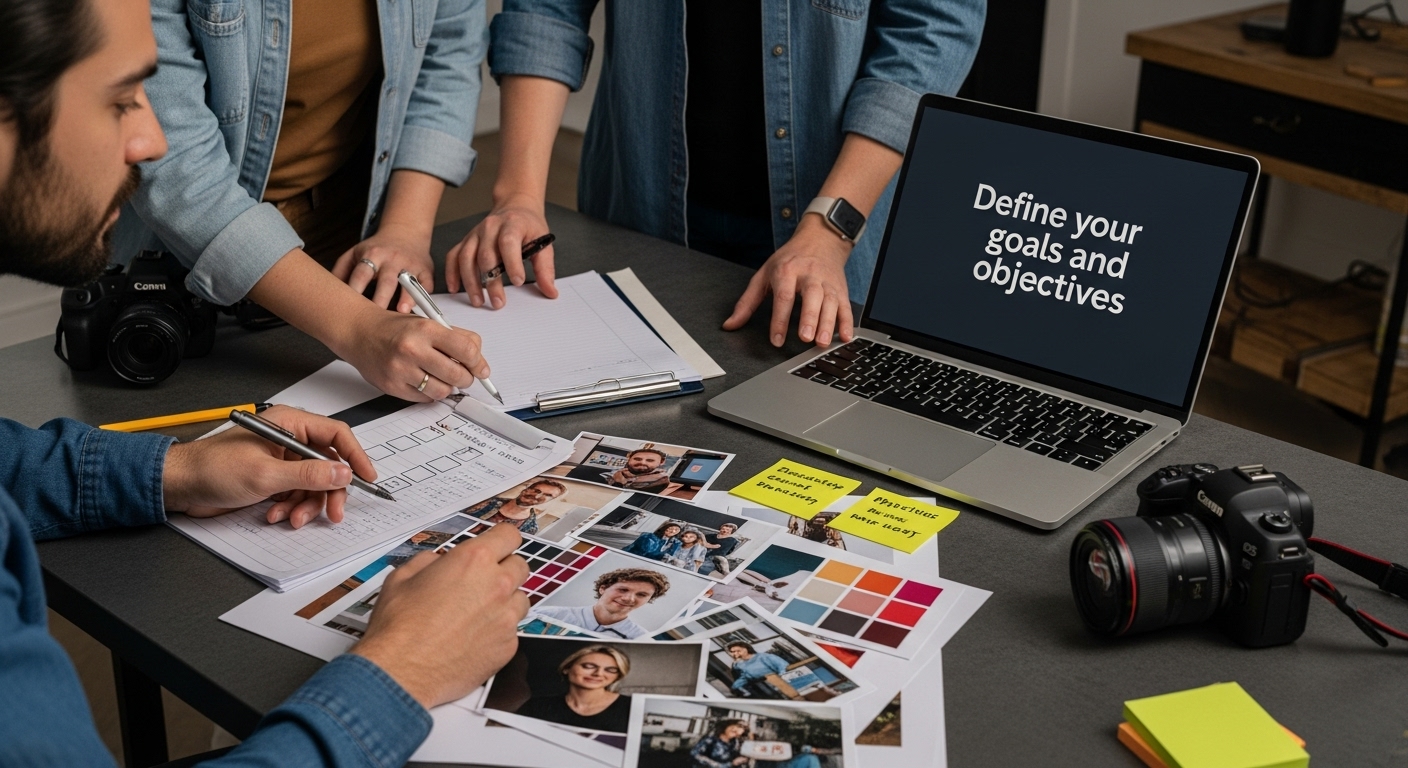
Successful photoshoots do not happen by accident. Professional photographers agree that clearly defined objectives and planning at every step lead to exceptional results. That sounds like a lot to juggle, right? Turns out, the real secret is not about having expensive gear or an endless budget. It is about building the right team, strategy, and checklist—even small oversights can mean losing the perfect shot.
Table of Contents
Quick Summary
Key Point | Explanation |
1. Define clear goals for photoshoot | Establishing specific objectives is crucial to guide all creative choices and ensure images effectively communicate their intended message. |
2. Assemble a skilled creative team | Selecting professionals with both technical skills and good communication fosters collaboration, enhancing the overall quality of the shoot. |
3. Choose the right location thoughtfully | The chosen environment should align with your creative goals, considering factors like aesthetics, logistics, and lighting conditions. |
4. Create a detailed shot list | A comprehensive shot list organizes the shoot by specifying image sequences, technical requirements, and maintaining narrative flow. |
5. Conduct a thorough pre-shoot review | This meeting helps ensure that all team members understand their roles, objectives, and the creative vision to effectively execute plans. |
Step 1: Define your goals and objectives
Successful photoshoots start with crystal clear objectives. Your goals act as the foundational blueprint that guides every subsequent decision and creative choice. Without well defined goals, photographers risk creating images that lack purpose or fail to communicate their intended message.
Begin by asking yourself critical questions about the photoshoot’s core purpose. Are you creating product imagery for a marketing campaign? Capturing professional headshots? Documenting an event? Developing a portfolio showcase? Each scenario demands a unique strategic approach. Professional photographers understand that specificity transforms good photographs into exceptional visual narratives.
Documenting your objectives requires thoughtful consideration. Craft a concise mission statement that articulates exactly what you want to achieve. For instance, a corporate headshot session might aim to create professional portraits that communicate approachability and competence. A product photography goal could involve showcasing specific features, highlighting unique design elements, or creating images that trigger emotional consumer responses.
Consider creating a mood board or visual reference collection that illustrates your objectives. These curated collections help communicate your vision to team members, models, or clients. Platforms like Pinterest can be invaluable tools for collecting and organizing visual inspiration that precisely reflects your photographic goals.
Your objectives should also include technical specifications. What resolution and format do you need? Will these images be used digitally, in print, or both? Understanding these details prevents costly reshoots and ensures your final images meet all required specifications. Clarity at this stage saves significant time and resources during the actual photoshoot.
Verify your goals by asking: Does this objective align with the project’s broader purpose? Can these images be created within the planned budget and timeframe? Are the goals realistic and measurable? By answering these questions, you transform abstract ideas into actionable photographic strategies.
Step 2: Assemble your creative team
Building the right creative team transforms a simple photoshoot into a remarkable visual experience. Your team members are the critical architects who will translate your objectives into stunning imagery. The perfect creative team balances technical expertise with artistic vision.
Start by identifying the core professionals required for your specific photoshoot. A photographer serves as the central creative director, but depending on your project’s complexity, you might need additional specialists. Professional photographers often recommend including a stylist, makeup artist, lighting technician, and potentially an art director.
Each team member brings unique skills that elevate the final visual product.
Recruiting requires careful consideration of both technical skills and interpersonal dynamics. Look for professionals who not only demonstrate exceptional technical capabilities but also communicate effectively and understand collaborative workflows. Request portfolios that showcase their previous work aligned with your project’s style and objectives. Professional recommendations and peer reviews can provide invaluable insights into a potential team member’s reliability and creative approach.
Technology has simplified team collaboration through digital platforms. Utilize project management tools like Slack or Trello to facilitate communication and coordinate logistics. These platforms allow team members to share inspiration boards, discuss creative concepts, and track project milestones in real time. Learn more about managing large production teams to refine your collaborative approach.
Budget considerations play a significant role in team assembly. While experienced professionals command higher rates, investing in quality team members often yields superior results. Calculate your budget carefully, allocating funds proportionally across different team roles. Remember that compromise on team quality can potentially compromise your entire photoshoot’s success.
Verify your team’s readiness by scheduling a comprehensive pre-shoot meeting. This gathering allows everyone to discuss the project’s goals, review the mood board, understand individual responsibilities, and align creative visions. A well prepared team increases the likelihood of producing exceptional imagery that precisely matches your original objectives.
Step 3: Select a suitable location
Selecting the perfect location is a critical decision that can dramatically influence your photoshoot’s success. Your chosen environment serves as the visual canvas where your creative vision will unfold, making location scouting an essential strategic process. The right location transforms good photographs into extraordinary visual narratives.
Begin by thoroughly analyzing your photoshoot objectives and how different environments might complement or challenge your creative goals. Indoor studio settings provide maximum control over lighting and background, while outdoor locations offer natural textures, dynamic landscapes, and organic lighting conditions. Consider how the location’s aesthetic, architectural elements, and ambient characteristics align with your project’s mood and purpose.
Technical considerations extend beyond pure visual appeal. According to professional photography experts, location scouting requires comprehensive logistical planning. Evaluate practical aspects like power availability, accessibility for equipment transportation, potential noise interference, and permissions required for shooting. Unexpected challenges can quickly derail even the most meticulously planned photoshoot.
Photographers recommend conducting multiple location visits at different times of day. Lighting conditions dramatically transform environments, and what appears perfect during midday might look entirely different during golden hour or under overcast skies. Take comprehensive test photographs during these visits, documenting how natural and artificial light interact with the space. These preliminary shots help predict potential visual outcomes and identify potential technical challenges.
Budget constraints and permit requirements are crucial factors in location selection. Public spaces often require official permissions, while private venues might involve rental fees. Research local regulations, contact property managers, and secure necessary documentation well in advance. Some locations might have specific restrictions on professional photography equipment or limit shooting duration.
Verify your location’s suitability by creating a detailed location assessment checklist. This should include photographic test shots, lighting analysis, logistical evaluation, and confirmation of all required permissions. A comprehensive location review ensures that your selected environment not only looks perfect but functions seamlessly for your creative vision.

Step 4: Create a detailed shot list
A comprehensive shot list transforms abstract creative concepts into precise, executable visual plans. This critical document serves as the roadmap that guides your entire photoshoot, ensuring every critical image is captured with intention and precision. The shot list is your visual blueprint, translating creative vision into actionable photography strategy.
Developing an effective shot list requires meticulous collaboration between the photographer, creative director, and client. Begin by revisiting your original objectives and breaking them down into specific, achievable visual sequences. Consider the narrative flow of your images, how each shot will connect and communicate your core message. Professional photographers recommend creating a systematic approach that covers wide establishing shots, medium compositions, and intimate detailed captures.
According to professional photography resources, a detailed shot list prevents critical moments from being overlooked. Incorporate specific technical specifications for each shot including desired lighting conditions, camera angles, lens requirements, and potential styling details. Precision at this stage eliminates guesswork and ensures consistent, high quality imagery.
Technology offers powerful tools for shot list management. Digital platforms like Trello or specialized photography planning apps allow teams to collaborate in real time, annotate visual references, and track shot completion. Explore our comprehensive guide on video pre production planning to refine your organizational approach.
When crafting your shot list, prioritize flexibility alongside detailed planning. While comprehensive documentation is crucial, experienced photographers understand the importance of leaving room for spontaneous creative moments. Include some structured shots alongside open ended opportunities that allow for organic, unexpected visual discoveries.
Verify your shot list’s effectiveness by conducting a comprehensive team review. Walk through each planned shot, discussing potential challenges, required equipment, and creative interpretations. This collaborative verification ensures everyone understands the visual objectives and can contribute their expertise to achieving the final photographic vision.
Step 5: Organize equipment and logistics
Logistical preparation represents the critical backbone of a successful photoshoot, transforming creative vision into executable reality. Equipment organization is not merely about gathering gear, but strategically planning every technical and practical aspect of your production. Professional photographers understand that comprehensive logistics determine the difference between a smooth shoot and a potential creative disaster.
Start by conducting a comprehensive equipment inventory aligned with your shot list and creative objectives. Each piece of equipment must serve a specific purpose, from primary cameras and lenses to auxiliary tools like light stands, reflectors, and backup batteries. Consider renting specialized equipment for unique shots rather than investing in expensive gear used infrequently. Digital inventory management tools can help track equipment condition, availability, and potential maintenance requirements.
Transportation and storage represent crucial logistical considerations often overlooked by novice photographers. Invest in high quality, protective cases that shield sensitive equipment from potential damage during transit. Develop a systematic packing approach that ensures quick access and minimizes potential equipment confusion on set. Learn more about film shoot planning and logistics to refine your organizational strategy.
Technical redundancy is a hallmark of professional production planning. Always pack backup equipment for critical components like camera bodies, memory cards, and power sources. Professional photographers recommend having at least one complete backup set of essential equipment. This approach prevents potential shoot interruptions caused by unexpected technical failures. Consider creating a comprehensive equipment checklist that includes not just cameras and lenses, but also less obvious items like gaffer tape, lens cleaning materials, and emergency repair tools.
Budget considerations play a significant role in equipment logistics. While high end gear can be tempting, prioritize versatile equipment that meets your specific shoot requirements. Research rental options for specialized equipment, compare insurance coverage, and factor in potential transportation and handling costs. Some professional photographers recommend allocating approximately 20 percent of your total budget toward equipment and logistical preparations.
Verify your equipment readiness by conducting a thorough pre shoot technical rehearsal. Test all equipment under conditions similar to your actual shooting environment, checking battery life, memory card functionality, and overall system compatibility.
Here is a checklist summarizing key technical and logistical steps to verify before a photoshoot, ensuring that all equipment and preparations are ready for a successful shoot.
Pre-Shoot Checklist Item | Purpose | Verification Method |
Equipment inventory complete | Ensure all required gear is present | Cross-check with shot list |
Backup equipment packed | Prevent interruptions due to technical failure | Test backup set functionality |
Batteries fully charged | Maintain uninterrupted shooting schedule | Test battery life in advance |
Memory cards formatted and available | Guarantee enough storage for all images | Perform test shots on each card |
Props and styling accessories organized | Achieve desired creative look and narrative | Review mood board and shot list |
Permits and permissions secured | Avoid legal or usage issues at chosen location | Confirm documents with venue |
Transportation and storage planned | Protect equipment from damage during transit | Inspect packing and storage system |
Pre-shoot technical rehearsal completed | Identify and solve technical problems early | Simulate shooting environment |
This final verification ensures that your technical foundation is solid, allowing your creative team to focus entirely on capturing exceptional imagery.
Step 6: Conduct a pre-shoot review
The pre-shoot review represents the critical moment where careful planning converges with practical execution. This comprehensive meeting transforms theoretical preparations into a synchronized, actionable strategy that aligns every team member’s understanding and expectations. Professional photographers recognize this stage as the final calibration point before actual production begins.
According to professional photography resources, a thorough pre-shoot meeting clarifies roles, timelines, and creative vision. Invite all key team members including photographers, stylists, models, lighting technicians, and assistants. Create an environment that encourages open dialogue, where each participant can discuss potential challenges, ask clarifying questions, and contribute insights that might refine the overall approach.
Technical and creative alignment demands meticulous attention to detail. Walk through the entire shot list collaboratively, discussing specific requirements for each planned image. Review lighting conditions, equipment specifications, styling expectations, and potential contingency plans. Explore our comprehensive video shoot planning guide to enhance your review process and ensure nothing is overlooked.
Digital collaboration tools can significantly enhance pre-shoot communication. Platforms like Slack or Trello allow team members to share visual references, annotate shot lists, and maintain real time communication. These platforms create a centralized information hub where everyone can access the most current creative brief, location details, and technical specifications.
Beyond technical discussions, the pre-shoot review is an opportunity to establish team chemistry and creative momentum. Encourage team members to share their perspectives, discuss potential creative variations, and build collective excitement about the upcoming shoot. A motivated and aligned team often produces far more compelling imagery than a group simply following instructions.
Verify the effectiveness of your pre-shoot review by developing a comprehensive checklist that covers every critical aspect discussed. Ensure each team member understands their specific responsibilities, has access to necessary resources, and feels confident about their role in executing the creative vision. A successful pre-shoot review transforms individual talents into a cohesive, high performing creative unit ready to bring your photographic concept to life.
Experience Stress-Free Photoshoot Planning in Switzerland
Have you ever found your photoshoot vision falling apart because of last-minute permit issues, equipment mix-ups, or team miscommunications? This article outlines how crucial detailed objectives, expert local crew, seamless logistics, and trusted locations are for flawless shoots. However, managing every element yourself can be overwhelming, especially when shooting in another country.
Why struggle alone when you can have a proven local partner? The team at Video Production Switzerland specializes in exactly these challenges. Benefit from over 20 years of experience in Swiss production management. We offer support for all logistics including location scouting, permit handling, crew sourcing, and equipment rental. Discover how we smooth every stage of production in our film shoot planning and logistics guide. Ready to remove uncertainty and achieve exceptional results? Request your free consultation today and turn your detailed photoshoot plan into real visual success, without the stress.
Frequently Asked Questions
What are the essential steps to plan a successful photoshoot?
Successful photoshoots involve defining clear goals, assembling a creative team, selecting a suitable location, creating a detailed shot list, organizing equipment and logistics, and conducting a pre-shoot review.
How do I define my goals for a photoshoot?
Start by determining the core purpose of the shoot, such as marketing, headshots, or portfolio development. Create a concise mission statement and consider specific technical requirements to guide your photographic efforts.
Why is it important to assemble a creative team for a photoshoot?
A creative team brings a balance of technical expertise and artistic vision to the project. Each team member contributes unique skills that elevate the final imagery, ensuring that the photoshoot aligns with your defined goals.
What should I include in my shot list for a photoshoot?
Your shot list should detail specific images you want to capture, including technical specifications like lighting conditions and camera angles. Organizing this list helps prevent overlooked moments and ensures a cohesive visual narrative.
Recommended
